- Understanding Why the United States Ought to Rewild Substantial Tracts of Land
- The Shift from Conservation to Active Restoration
- Restoring the Balance: Biodiversity and Trophic Cascades
- Why Keystone Species Matter for American Soil
- Rewilding vs. Traditional Land Management: A Comparison
- The Economic Incentives for a Wilder America
- Eco-Tourism and the Value of the Great American Outdoors
- Common Misconceptions About Rewilding the US
- A Strategic Roadmap for Large-Scale Restoration
- Connecting the Dots: The Importance of Wildlife Corridors
- Navigating the Political and Social Landscape
- Collaborating with Indigenous Communities and Private Landowners
- Expert Perspective: The Biologist’s View on Resilience
- Frequently Asked Questions
Understanding Why the United States Ought to Rewild Substantial Tracts of Land
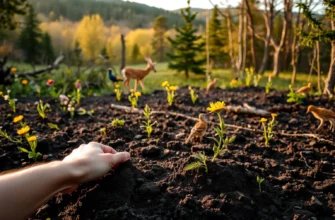
The concept of rewilding represents a fundamental departure from the static conservation models of the 20th century. While traditional efforts often focus on “protecting” a specific snapshot of a landscape, rewilding prioritizes the restoration of natural processes that allow ecosystems to function autonomously. By reintroducing keystone species and removing human-made barriers, we allow nature to regain its own agency and resilience.
For the United States, this transition is not merely an aesthetic choice but a biological imperative. The goal is to move beyond the idea of “managing” nature as if it were a garden and instead foster environments where natural cycles—such as floods, fires, and migrations—can occur without constant human intervention. This approach addresses the root causes of ecological decline rather than just treating the symptoms of habitat loss.
The Shift from Conservation to Active Restoration
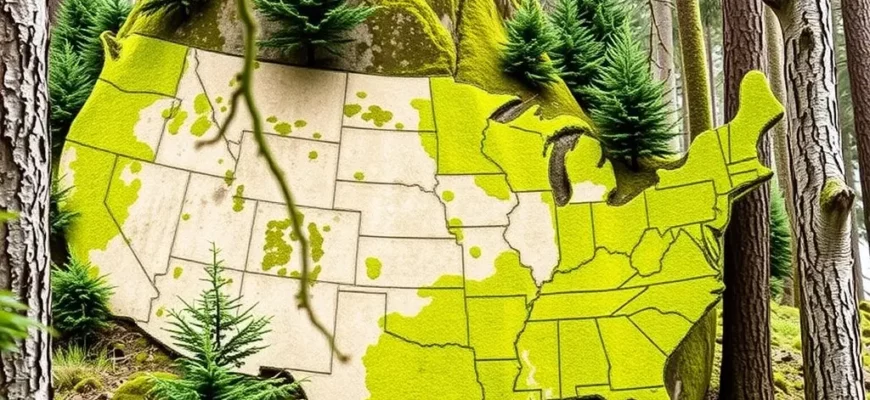
Defining rewilding in the American context requires looking at our vast landscapes as interconnected systems rather than isolated pockets of green. Traditional conservation often creates “island” parks that are surrounded by development, leading to genetic bottlenecks and local extinctions. Rewilding aims to restore natural processes across large scales, ensuring that these areas are big enough to support the full spectrum of life.
The difference between managing land and letting it go wild lies in the level of control. Management involves active weeding, planting, and culling to achieve a specific human-defined outcome. Rewilding, conversely, focuses on creating the conditions—such as a healthy wildlife habitat and predator-prey balance—that allow the land to manage itself. This shift reduces the long-term financial burden on taxpayers while creating far more robust ecosystems.
Restoring the Balance: Biodiversity and Trophic Cascades
The biological necessity of large-scale rewilding is rooted in the concept of trophic cascades. When top predators are removed from an environment, the entire food chain collapses in a “top-down” fashion, leading to overgrazing by herbivores and the subsequent loss of vegetation. By reclaiming vast areas for nature, we can reverse this damage and bring back the complex interactions that keep an environment healthy.
Restoring these large-scale regions allows for the natural movement of species, which is essential for genetic diversity. When we think of “substantial tracts,” we are talking about areas large enough for a grizzly bear to roam or for a herd of bison to migrate hundreds of miles. Without this scale, the American landscape remains a fragmented shadow of its former biological wealth.
Why Keystone Species Matter for American Soil
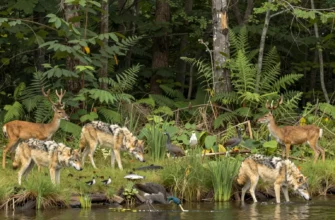
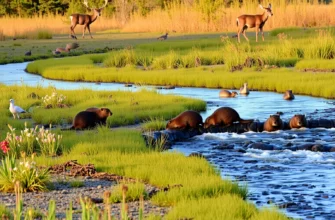
Apex predators and large herbivores are the “engineers” of the wild. For example, when wolves were reintroduced to the Northern Rockies, they didn’t just reduce elk numbers; they changed elk behavior. This prevented overgrazing along riverbanks, which allowed willows and aspens to return, subsequently providing native plants and animals like songbirds and beavers the resources they needed to thrive. This process is often described as fixing the food chain from the top down.
The presence of these species creates a healthier environment for humans by stabilizing the soil and improving water quality. When beavers return to a landscape, their dams slow down water flow, reducing the risk of downstream flooding and recharging groundwater levels. A biodiverse landscape is a functional landscape, providing services that would otherwise cost billions of dollars in mechanical infrastructure.
Rewilding vs. Traditional Land Management: A Comparison
Understanding the distinction between these two approaches is essential for policy planning. While both have their place, rewilding offers a more sustainable, hands-off approach for the long-term health of the American wilderness.
| Feature | Traditional Land Management | Rewilding Strategy |
|---|---|---|
| Primary Objective | Preservation of specific species or “snapshots.” | Restoration of self-sustaining natural processes. |
| Human Intervention | High; requires constant culling, planting, and weeding. | Low; focus on initial reintroduction and then stepping back. |
| Ecosystem Scope | Often limited to small, fragmented parcels. | Requires large-scale, interconnected corridors. |
| Cost Over Time | High ongoing maintenance and management fees. | High upfront cost, but dramatically lower long-term expenses. |
| Success Metric | Population counts of a single “target” species. | Overall ecosystem resilience and complexity. |
The Economic Incentives for a Wilder America
The argument for why the US should rewild substantial tracts of land often centers on ecology, but the financial case is equally compelling. Investing in nature is not a “sunk cost”; it is a strategy for long-term economic stability. From carbon markets to disaster mitigation, a wilder America provides tangible fiscal benefits that outweigh the short-term gains of industrial land use.
By moving away from extractive industries on marginal lands, we can tap into the burgeoning “restoration economy.” This includes everything from the multi-billion dollar outdoor recreation industry to the emerging market for carbon sequestration credits. Transitioning these lands doesn’t mean economic death; it means economic evolution.
Eco-Tourism and the Value of the Great American Outdoors
National parks and wild spaces are massive engines for local economic growth. In many rural communities, tourism and outdoor recreation have replaced declining timber or mining jobs. When people travel to see wolves in the Lamar Valley or bison on the plains, they spend money on lodging, food, and guides, keeping small-town economies afloat.
Furthermore, job creation in the restoration sector is significant. Restoring a single mile of river can create up to 30 jobs, ranging from heavy equipment operators to biological researchers. Unlike extractive jobs, which disappear once a resource is depleted, restoration and tourism jobs are tied to a permanent, regenerating asset: a healthy landscape.
Common Misconceptions About Rewilding the US
Fear often stems from a lack of information. To move forward with rewilding, we must address the common myths that prevent community buy-in and legislative progress.
Myth: Rewilding means taking productive farmland away from families and threatening our food security.
Fact: Most rewilding proposals focus on marginal lands that are currently subsidized by the government because they are not naturally profitable for farming. This transition actually saves taxpayer money without affecting high-yield agricultural hubs.
Myth: Reintroducing predators like wolves and cougars will decimate livestock populations.
Fact: Data from states with established wolf populations show that predation accounts for less than 0.1% of total cattle losses. Innovative livestock management and fair compensation programs further mitigate these rare occurrences.
Myth: Rewilding means humans will be banned from entering these vast tracts of land.
Fact: Rewilding is about coexistence, not exclusion. Most rewilding projects encourage hiking, camping, and sustainable hunting, which deepens the human connection to the natural world rather than severing it.
A Strategic Roadmap for Large-Scale Restoration
Implementation of large-scale rewilding requires a methodical, science-based approach. We cannot simply walk away from the land and hope for the best; we must provide the initial “spark” that jumpstarts the natural engine. This involves a mixture of legislative action, biological reintroductions, and physical landscape modification.
- Identify and Protect Core Wilderness Areas: We must first secure the “anchor” points—large, intact ecosystems that already support high biodiversity.
- Establish Wildlife Corridors: Animals need to move between core areas to avoid inbreeding. This involves building land bridges over highways and removing redundant fencing.
- Reintroduce Keystone Species: Once the habitat is secured, we bring back the “ecosystem engineers” like beavers, wolves, and bison to restore the trophic balance.
- Remove Obsolete Infrastructure: Removing old dams and decommissioned roads allows waterways and soils to heal naturally.
- Implement Natural Disturbance Regimes: Allowing controlled natural fires and seasonal flooding to occur mimics the cycles that have shaped the continent for millennia.
Connecting the Dots: The Importance of Wildlife Corridors
Small, isolated parks function like biological islands. Over time, species on these islands disappear because they cannot migrate to find new resources or mates. By connecting habitats, we create a network that allows nature to flow. This is the philosophy behind initiatives like the Eastern Wildway, which aims to link Florida to Canada.
Creating safe passage for animals is one of the most effective ways to reduce human-wildlife conflict. Wildlife overpasses and underpasses on major interstates have been shown to reduce animal-vehicle collisions by up to 90%. This saves both animal lives and millions of dollars in property damage and medical costs for drivers.
Navigating the Political and Social Landscape
The debate over whether America should rewild substantial tracts of land is as much about people as it is about animals. Success depends on navigating the complex web of property rights, state vs. federal authority, and cultural identity. We must move away from top-down mandates and toward collaborative models that respect local history while prioritizing ecological health.
Rewilding does not happen in a vacuum. It requires a new social contract where we view the land not just as a commodity to be used, but as a community to which we belong. This perspective is vital for the long-term survival of both our wild spaces and our civil society.
Collaborating with Indigenous Communities and Private Landowners
Indigenous peoples have been the original stewards of this land for thousands of years. Their traditional ecological knowledge is indispensable for modern rewilding efforts. Working together with Tribal nations ensures that restoration is culturally respectful and biologically sound, often involving the return of culturally significant species like the buffalo.
Private landowners also hold the key to success, as they own a majority of the land in the Lower 48. By providing financial incentives for land stewardship—such as conservation easements and payments for ecosystem services—we can turn private property into a vital part of the wild network. This cooperative approach turns potential adversaries into the most effective protectors of the American wilderness.
Expert Perspective: The Biologist’s View on Resilience
In my professional experience, I have found that we often treat the environment as a fragile antique that will break if we touch it. However, nature is incredibly resilient if we simply give it the space to breathe. I always advise policymakers that rewilding is not an attempt to turn back the clock to the year 1491; that is impossible. Instead, it is about building a functional future where nature provides the essential infrastructure for our survival, such as clean water and climate regulation. We must stop viewing “wildness” as a threat to progress and start seeing it as the foundation of a stable, prosperous society. True security in the 21st century comes from healthy, self-regulating ecosystems, not just from concrete and steel.
Frequently Asked Questions
Rewilding is the process of restoring natural processes and wilderness areas so that ecosystems can function on their own with minimal human interference over time.
Will rewilding take away land from farmers?
No, the focus is on voluntary conservation easements and marginal lands that are not agriculturally productive, rather than seizing active, high-yield farmland.
How does rewilding help fight climate change?
Healthy forests, grasslands, and wetlands act as massive carbon sinks, sequestering gigatons of CO2 while providing natural buffers against floods and wildfires.
Are dangerous predators brought back during rewilding?
Keystone species like wolves are reintroduced in a controlled manner, using science-based management to minimize conflict with humans and livestock.
Is rewilding the same as creating a National Park?
While National Parks are important, rewilding is a broader strategy that focuses on connecting those parks through corridors and restoring private lands to create a continuous network.
Why should the US rewild land now instead of later?
We are facing a dual crisis of biodiversity loss and climate change; acting now secures the natural infrastructure needed to mitigate these threats before they become irreversible.