- Understanding the Knepp Estate Rewilding Project: A Shift in Perspective
- The End of Intensive Farming at Knepp
- Comparing Land Management: Traditional Farming vs. The Knepp Rewilding Model
- Key Differences in Biodiversity and Soil Health
- The Ecosystem Engineers: Animals Shaping the Knepp Castle Estate Rewilding
- Tamworth Pigs and Exmoor Ponies as Natural Tools
- Planning Your Trip to the Knepp Estate Rewilding Area in Horsham
- Visitor Essentials and Trail Information
- Capturing the Wild: Why Knepp Estate Rewilding Photos Tell a Success Story
- Rare Sightings and Biodiversity Milestones
- The Rewilding Debate: Addressing the Knepp Rewilding Daily Mail Coverage
- Rewilding vs. Food Security: Finding a Balance
- Common Mistakes to Avoid When Starting a Local Rewilding Project
- The Pitfalls of Over-Management
- Expert Perspective: The Knepp Rewilding Impact
- Frequently Asked Questions
Understanding the Knepp Estate Rewilding Project: A Shift in Perspective
The Knepp Estate rewilding project represents a seismic shift in how we perceive the relationship between humanity and the natural world. Instead of forcing the land to yield to human demands through intensive agriculture, this 3,500-acre estate in West Sussex has embraced a philosophy of process-led conservation. This approach acknowledges that nature, when given the space and the right biological components, is far more efficient at creating a thriving ecosystem than any human-managed plan.
At its heart, the project is an experiment in letting go. By moving away from goal-oriented conservation—where specific species are targeted for protection through rigid management—Knepp allows natural processes like grazing, trampling, and root-cycling to dictate the landscape’s evolution. This shift from “control” to “facilitation” has transformed a once-depleted landscape into one of the most significant biodiversity hotspots in the United Kingdom.
The End of Intensive Farming at Knepp
For decades, the Burrell family attempted to run a conventional dairy and arable farm on the estate, but they were fighting a losing battle against the geography of the Low Weald. The heavy clay soil of the region is notoriously difficult to manage, turning into a brick-like substance in the summer and a deep, impenetrable bog during the winter months. By the late 1990s, the farm was no longer economically viable, saddled with debt and struggling to compete in a globalized market.
In 2001, Sir Charlie Burrell and Isabella Tree made the radical decision to cease intensive operations. They realized that fighting against the land’s natural tendencies was a recipe for financial and ecological bankruptcy. By selling the farm equipment and removing internal fences, they paved the way for the knepp rewilding farm to transition into a wildland project. This was not an act of abandonment, but a deliberate choice to let the land breathe and recover from decades of chemical inputs and mechanical compaction.
Comparing Land Management: Traditional Farming vs. The Knepp Rewilding Model
Understanding the impact of the Knepp rewilding project requires a direct comparison with the industrial agricultural systems that dominate the British countryside. While traditional farming prioritizes high-yield monocultures, the Knepp model prioritizes ecological complexity and the restoration of natural cycles. This transition has resulted in a landscape that is not only more resilient but also significantly more biodiverse.
| Feature | Conventional Intensive Farming | Knepp Rewilding Model |
|---|---|---|
| Primary Objective | Maximizing crop or livestock yield per acre. | Restoring natural ecological processes. |
| Soil Health | Dependent on synthetic fertilizers; high compaction. | Natural carbon sequestration; rich microbial life. |
| Biodiversity | Low; limited to target species and “pests.” | High; spontaneous emergence of rare species. |
| Management Style | High-input, rigid, and interventionist. | Low-input, adaptive, and process-led. |
| Economic Output | Subsidized commodities (milk, grain). | Eco-tourism, premium meat, and carbon credits. |
Key Differences in Biodiversity and Soil Health
The most striking difference between the two models lies beneath the surface. Conventional farming relies on a constant cycle of plowing and chemical application, which destroys the soil’s fungal networks and depletes its organic matter. In contrast, the knepp castle rewilding project has allowed the soil to heal. By removing the plow, the estate has turned its land into a massive carbon sink, trapping greenhouse gases that would otherwise contribute to climate change.
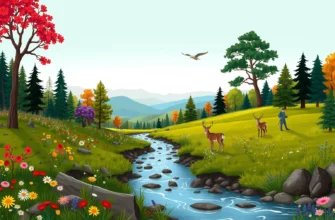
Above ground, the “messiness” of the rewilded landscape provides a variety of habitats that manicured fields simply cannot offer. The spontaneous growth of scrub—often viewed as “waste” by traditional farmers—acts as a nursery for young trees and a sanctuary for nesting birds. This transition from a two-dimensional green desert to a three-dimensional mosaic of habitats is the primary driver behind the estate’s ecological restoration success.
The Ecosystem Engineers: Animals Shaping the Knepp Castle Estate Rewilding
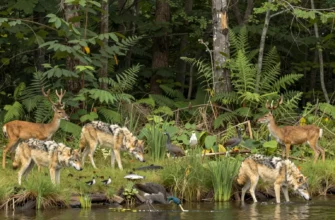
Rewilding is not about removing all human or animal influence; it is about introducing the right kinds of influence. At Knepp, specific breeds of hardy livestock act as “proxies” for the extinct megafauna that once roamed Europe. These animals are not managed like traditional livestock; they are free to roam, socialise, and interact with the environment in ways that create a dynamic, ever-changing landscape.
By mimicking the behavior of ancient herbivores, these animals perform essential “ecosystem engineering” tasks. Their movement across the land prevents any single species of plant from dominating, ensuring that the landscape remains a mix of grassland, scrub, and emerging woodland. This naturalistic grazing is the engine that drives the entire project, creating the physical conditions necessary for rare insects, birds, and mammals to return.
Tamworth Pigs and Exmoor Ponies as Natural Tools
The Tamworth pig is perhaps the most famous of Knepp’s engineers. Unlike modern farm pigs, Tamworths are expert foragers with a powerful instinct for “rooting.” As they dig for tubers and soil invertebrates, they disturb the earth, creating bare patches of soil that allow dormant seeds to germinate. This localized disturbance is vital for the growth of wildflowers and the establishment of new scrubland habitat, which would otherwise be choked out by dominant grasses.
Exmoor ponies play a complementary role. As selective grazers, they focus on different plants than the cattle or deer, creating a varied sward height. Their habit of “latrine behavior”—consistently dunging in specific areas—creates nutrient-rich patches that support distinct communities of flora and fungi. Together with Old English Longhorn cattle and various deer species, these large herbivores prevent the landscape from becoming a closed-canopy forest, maintaining the open, sun-lit glades that are so critical for Sussex wildlife.
Planning Your Trip to the Knepp Estate Rewilding Area in Horsham
If you are looking to visit the knepp estate rewilding area horsham, you are in for a unique experience that feels worlds away from the typical English parkland. The estate is a working example of nature-based solutions in action, and while it is a sanctuary for wildlife, it also offers extensive opportunities for public engagement. Visitors can witness firsthand the return of species that were once on the brink of extinction in the UK.
Preparation is key to getting the most out of your visit. Because the landscape is “wild,” it does not feature the paved paths or manicured lawns of a traditional country estate. You should expect uneven terrain, seasonal mud, and a truly immersive nature experience. Whether you are a serious birder or a family looking for a weekend walk, the estate provides a rare glimpse into what the British countryside could look like if we stepped back and let nature lead.
- Check the Footpath Maps: While much of the estate is private to protect sensitive habitats, there is a comprehensive network of public footpaths that offer excellent views of the rewilding areas.
- Book a Safari: To access the “Deep Wild” areas and learn from expert ecologists, consider booking a guided walking or vehicle safari. These often sell out months in advance.
- Wear Appropriate Footwear: The heavy clay soil means that sturdy, waterproof boots are essential year-round, as the ground can remain saturated long after rain has stopped.
- Bring Binoculars: Many of the estate’s star attractions, such as the White Storks or Purple Emperor butterflies, are best viewed from a distance to avoid disturbing their natural behavior.
- Respect the Animals: Remember that the ponies, cattle, and pigs are free-roaming. Always maintain a safe distance and never attempt to feed the livestock.
Visitor Essentials and Trail Information
When visiting knepp castle, it is important to distinguish between the public access routes and the private areas reserved for safaris and camping. The estate provides several color-coded trails that start near the walkers’ car park. These trails take you through different zones of the project, from the early-stage rewilding areas to the more established scrublands. Staying on marked paths is non-negotiable, as many of the estate’s most precious residents, like the Nightingale, nest close to the ground in thickets.
The best time to visit depends entirely on what you hope to see. For those interested in the famous knepp estate rewilding area horsham reviews, the spring months (April and May) are unrivaled for birdsong, specifically the return of the Nightingales. If you are a fan of entomology, July is the peak season for the Purple Emperor butterfly, which has found a stronghold in the estate’s sallow-rich scrublands. Regardless of when you go, the sheer density of life is a testament to the project’s success.
Capturing the Wild: Why Knepp Estate Rewilding Photos Tell a Success Story
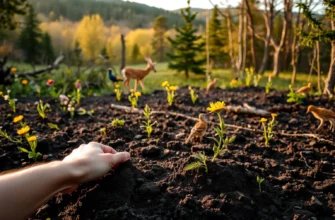
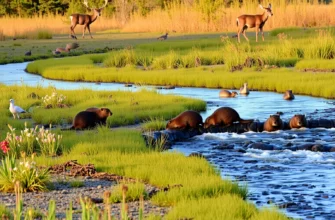
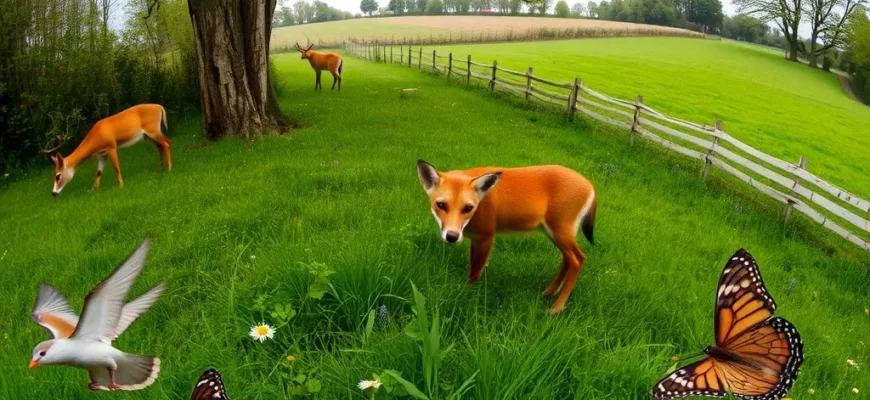
Visual documentation has played a crucial role in changing the public’s mind about rewilding. To the untrained eye, a rewilded landscape can look “untidy” or “neglected.” However, knepp estate ─ rewilding photos reveal the intricate beauty of a functioning ecosystem. These images capture the vibrant colors of wildflower meadows, the architectural complexity of dead wood, and the raw power of large herbivores shaping their environment.
The aesthetic of Knepp is one of “messy nature.” This messiness is scientifically beautiful because it represents a high degree of niche availability. A fallen tree is not a waste of space; it is a high-rise apartment complex for beetles, fungi, and woodpeckers. By documenting these details, photographers help the public understand that a “tidy” countryside is often a dead one, while a “messy” one is teeming with life and resilience.
Rare Sightings and Biodiversity Milestones
The return of the Turtle Dove is perhaps the most poignant success story at Knepp. While this species has declined by 98% across the UK due to intensive farming, it has found a refuge in the thick thorny scrub of the estate. Similarly, the successful breeding of wild White Storks in 2020—the first in Britain for over 600 years—was a watershed moment for wildlife photography sussex. These sightings are not coincidences; they are the direct result of providing the specific habitats these species require.
Other milestones include the resurgence of the Purple Emperor butterfly, which thrives in the “soft edges” between scrub and woodland. The estate is now home to the largest breeding colony of this rare insect in the country. Capturing these moments on camera serves as empirical evidence that biodiversity can recover with remarkable speed if the underlying ecological processes are restored. These photos are more than just art; they are a record of a landscape being reborn.
The Rewilding Debate: Addressing the Knepp Rewilding Daily Mail Coverage
The Knepp project has not been without its detractors. Much of the knepp rewilding daily mail coverage has focused on the perceived conflict between nature restoration and national food security. Critics often argue that rewilding high-quality land is a luxury we cannot afford in an era of rising food prices. However, this perspective often overlooks the nuances of the Knepp model and the inherent failures of the land’s previous agricultural use.
It is essential to address these concerns with facts rather than emotion. The debate often boils down to a misunderstanding of what “land use” means. At Knepp, the land is still productive, but its “crops” have changed from commodity milk and grain to high-quality protein, carbon sequestration, and flood mitigation. Rewilding is not a threat to farming; it is a complementary land-use strategy for marginal areas where traditional agriculture is no longer sustainable.
Myth: Rewilding means the land is “abandoned” and produces nothing for human society.
Fact: Knepp produces approximately 75 tonnes of high-quality, organic, pasture-fed meat per year as a byproduct of its naturalistic grazing system. This meat is produced with zero chemical inputs, antibiotics, or imported grain.
Myth: Rewilding increases the risk of wildfire and pests spreading to neighboring farms.
Fact: The mosaic of habitats at Knepp, including wetlands and varied vegetation, can actually act as a firebreak compared to dry, monoculture grain fields. Furthermore, the increase in predatory insects and birds helps naturally control agricultural pests in the surrounding region.
Rewilding vs. Food Security: Finding a Balance
The public perception of rewilding is slowly shifting as the benefits of regenerative land management become clearer. While we certainly need productive farmland to feed the population, using heavy clay soil for intensive arable crops is an inefficient use of resources that requires massive amounts of diesel and fertilizer. By rewilding these marginal areas, we can protect our soil and water while focusing intensive production on the most suitable lands.
The knepp rewilding project demonstrates that we can have both nature and food. The “Wild Venison” and “Wild Range” beef produced on the estate are highly sought after, providing a sustainable source of income that does not rely on government subsidies. This model proves that restoring biodiversity can be a viable economic alternative for landowners who are struggling with the transition away from traditional agricultural support systems.
Common Mistakes to Avoid When Starting a Local Rewilding Project
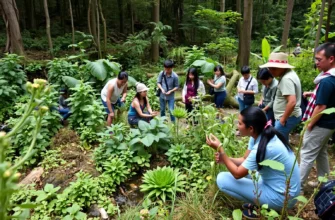
Inspired by the success of the Knepp model, many landowners and community groups are looking to start their own rewilding initiatives. However, rewilding is not as simple as just “letting the grass grow.” It requires a deep understanding of local ecology and a willingness to tolerate uncertainty. The most common mistakes often stem from a lingering desire to manage and control the outcome, rather than trusting the process.
If you are exploring how to start rewilding, the first step is to observe. You need to understand your soil, your water cycles, and the species that are already present. Rushing into a project with a fixed “vision” of what it should look like in ten years is a mistake; the beauty of rewilding lies in its unpredictability. Success is measured not by the presence of a single species, but by the overall health and complexity of the ecosystem.
- Over-Intervention: Resist the urge to plant trees in rows or “tidy up” fallen branches. Dead wood and “messy” scrub are the engines of biodiversity; removing them is counterproductive.
- Ignoring Soil Health: If your land has been heavily farmed, the soil may be compacted or overloaded with phosphates. Restoring the soil’s fungal networks is often more important than what you plant on top.
- Failing to Introduce Disturbance: Without herbivores or manual mimicry of their behavior, a site will often turn into a monotonous “thicket” of a few dominant species. Disturbance is necessary to maintain a diverse habitat mosaic.
- Mismanaging Public Relations: Rewilding can look “ugly” to neighbors who value a neat countryside. Communicate your goals early and clearly to avoid local opposition and misunderstandings.
- Impatience: Nature moves at its own pace. Meaningful ecological change takes years, not months, and trying to force results through heavy management usually backfires.
The Pitfalls of Over-Management
One of the most frequent land management tips I give is to “do as little as possible, but as much as necessary.” This sounds like a contradiction, but it is the essence of the Knepp philosophy. Over-management often involves trying to suppress “weeds” like docks, thistles, or ragwort. In a rewilding context, these plants are vital sources of nectar and seeds for birds and insects. Labeling a plant a “weed” is a human agricultural construct that has no place in a wilding project.
Another pitfall is the failure to account for local climate and soil types. What works on the heavy clay of Sussex might not work on the sandy soils of Norfolk or the uplands of Scotland. Always tailor your rewilding strategy to the specific geological and biological constraints of your site. By working with the land rather than against it, you ensure that your project is resilient and sustainable in the long term.
Expert Perspective: The Knepp Rewilding Impact
In my professional experience, the most profound lesson from the Knepp Estate is that nature is waiting for the opportunity to rebound. I have found that many conservationists spend too much time worrying about the “right” species and not enough time focusing on the “right” processes. I always advise landowners that rewilding is not a passive act of doing nothing; it is a radical act of humility. By stepping back and allowing animals like the Tamworth pig to act as the primary managers, Knepp has moved from a fringe experiment to a scientifically validated model. The data doesn’t lie: when you prioritize trophic complexity over human-centric order, biodiversity thrives at a rate that traditional conservation can rarely match.
Frequently Asked Questions
The estate is situated near Horsham in West Sussex, England. It is easily accessible via the A24 and is roughly a 90-minute drive from London or a 40-minute drive from Brighton.
Can I visit the Knepp Estate rewilding project for free?
Yes, you can access the project via several public footpaths for free. However, parking at the walkers’ car park and participating in guided safaris or camping require a fee to help fund the estate’s ongoing conservation work.
What animals can I see at the Knepp rewilding project?
Visitors can see Fallow and Roe deer, Exmoor ponies, Tamworth pigs, and Old English Longhorn cattle. The estate is also famous for its White Storks, Nightingales, and the rare Purple Emperor butterfly.
Why did the Daily Mail criticize the Knepp rewilding project?
Criticism typically centers on the debate over land use, with some arguing that productive farmland should be used for food crops rather than nature restoration. The debate highlights the tension between traditional agricultural values and new nature-based solutions.
Is the Knepp rewilding farm still producing food?
Absolutely. The estate produces significant quantities of premium, organic, pasture-fed venison and beef. This meat is a byproduct of the naturalistic grazing used to manage the landscape and is sold through their onsite shop and online.
What is the best time of year to see the Knepp estate rewilding photos come to life?
Spring is the best time for birdsong and wildflowers, while July is the peak season for butterfly sightings. Autumn offers the spectacle of the deer rut, making the estate a year-round destination for nature photography.