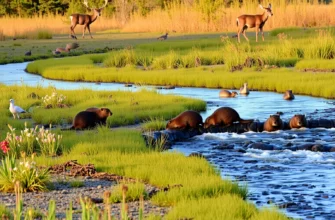
- The Philosophy of Rewilding a Garden: Why Messy is Meaningful
- Moving Beyond Traditional Landscaping
- Restoration Starts Underground: Rewilding Soil for Long-Term Health
- The Mycelial Connection
- Principles of Rewild Garden Design: Structure Without Strictness
- Layering for Life: From Ground Cover to Canopy
- Sourcing and Selecting Rewilding Plants
- The Search for Local Provenance
- Small Spaces, Big Impact: The Rewilding Urban Garden
- Creating an Urban Wildlife Corridor
- Specialized Rewilding: From Flower Farms to Hummingbird Visitors
- The Productive Wild: Rewilding for Cut Flowers
- Expanding Your Knowledge: Books, Workshops, and Famous Examples
- The Knepp Influence on Domestic Rewilding
- Frequently Asked Questions
The Philosophy of Rewilding a Garden: Why Messy is Meaningful
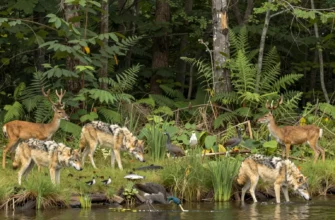
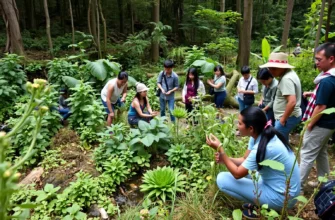
Rewilding a garden is not an act of abandonment; it is a deliberate, sophisticated transition from being a commander of the land to becoming a facilitator of life. By stepping back from the constant urge to prune, mow, and spray, you allow the complex, self-regulating systems of nature to take the lead in your own backyard.
This shift represents a fundamental change in our relationship with the environment. Instead of viewing a garden as a static outdoor room, we begin to see it as a dynamic, evolving landscape where every decaying leaf and “weed” plays a vital role in a larger biological machine.
Moving Beyond Traditional Landscaping
Traditional landscaping often prioritizes human aesthetics over ecological function, resulting in sterile environments that offer little to local wildlife. The obsession with the manicured lawn—a biological desert—requires immense inputs of water, chemicals, and fossil fuels to maintain a state of perpetual arrest.
In contrast, a rewild gardener recognizes that the most productive landscapes are those that embrace ecological succession. This means allowing plants to move, compete, and find their own niches, creating a mosaic of habitats that can support thousands of species in a single suburban lot.
By reducing the environmental impact of lawns, we can transform fragmented green spaces into a cohesive network of biodiversity. Replacing a portion of your turf with native meadow or scrub can increase insect biomass by over 200% in a single season, providing the foundation for a thriving food web of birds, bats, and amphibians.
Sustainable gardening practices in a rewilding context focus on long-term resilience. This involves selecting plants that are naturally adapted to your local climate and soil conditions, thereby eliminating the need for supplemental irrigation or synthetic interventions that disrupt natural cycles.
Restoration Starts Underground: Rewilding Soil for Long-Term Health
Healthy soil is a living, breathing organism, yet modern gardening often treats it as nothing more than a physical anchor for plants. To truly rewild a garden, we must stop the chemical warfare and physical trauma that modern horticulture inflicts on the earth beneath our feet.
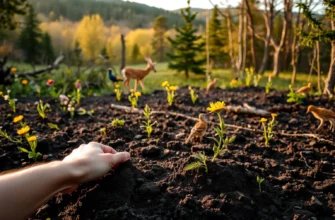
Soil restoration focuses on rebuilding the complex architecture of the soil microbiome. When we stop tilling and start mulching with organic matter, we allow the soil to regain its structure, which dramatically improves water retention and carbon sequestration capabilities.
| Feature | Traditional Soil Management | Rewilding / No-Dig Approach |
|---|---|---|
| Disturbance | Annual tilling or double-digging. | Zero-tillage; soil remains undisturbed. |
| Fertilization | Synthetic NPK granules. | Decomposing organic matter and leaf mold. |
| Microbial Life | Disrupted fungal hyphae; low diversity. | Thriving fungal networks and aerobic bacteria. |
| Water Retention | High runoff due to poor structure. | High sponge capacity; minimal runoff. |
| Weed Management | Herbicides and constant hoeing. | Smothering with mulch and natural competition. |
The Mycelial Connection
The true engine of a rewilded garden is the invisible web of mycorrhizal fungi. These fungal networks form symbiotic relationships with plant roots, extending their reach to gather phosphorus, nitrogen, and water that the plants could not access on their own.
To encourage these networks, you must strictly avoid synthetic fertilizers and fungicides, which act as a poison to the delicate mycelial strands. When these fungi are present, plants become more resistant to drought and disease, communicating with one another through chemical signals sent through the “wood wide web.”
Increasing organic matter is the most effective way to fuel this underground ecosystem. By leaving fallen leaves where they drop, you are recycling essential nutrients and providing critical overwintering habitat for the larvae of beneficial insects like fireflies and ground beetles.
Principles of Rewild Garden Design: Structure Without Strictness
Design in a rewilding context is about creating opportunities for nature rather than enforcing a rigid blueprint. You are designing the “skeleton” of the garden—the permanent features that will guide the natural processes as they unfold over the years.
Effective rewilding garden design utilizes “soft edges” and transition zones. Instead of a hard line between a flower bed and a path, allow plants to spill over, creating micro-climates that serve as hiding spots for small mammals and reptiles.
Layering for Life: From Ground Cover to Canopy
Nature rarely grows in a single plane; it grows in layers; To maximize the biodiversity of your plot, you should aim to replicate the vertical structure of a forest edge, which is the most species-rich habitat in many temperate climates.
Start with the ground layer of mosses and low-growing herbs, moving up through a herbaceous layer of perennials, a shrub layer, and finally into the tree canopy. Each of these habitat layers provides unique nesting, feeding, and sheltering opportunities for different species.
Using native hedging instead of traditional wooden fences is one of the most impactful design choices you can make. A mixed hedge of hawthorn, blackthorn, and hazel acts as a living wall, providing a continuous wildlife corridor that allows animals to move safely through the landscape without being exposed to predators.
Wildlife shelters don’t always need to be store-bought birdhouses. A simple “log pyramid” partially buried in the ground provides a home for stag beetles, while a small, unlined pond with sloped sides can become the primary breeding ground for dragonflies and frogs within weeks of installation.
Sourcing and Selecting Rewilding Plants
The success of your rewilding project depends heavily on the genetic integrity of the plants you introduce. Not all “native” plants are created equal, and many commercially available varieties have been bred for flower size or color at the expense of nectar quality and ecological utility.
When selecting rewilding plants, your goal is to find species that have a co-evolutionary history with your local fauna. This ensures that the local bees and butterflies have the specific biological keys needed to access the food sources provided by the plants.
- Verify Local Provenance: Always ask your native plant nursery if their stock is grown from “ecotype seeds” collected within your specific ecoregion.
- Avoid Systemic Pesticides: Ensure the nursery does not use neonicotinoids, which can linger in plant tissues and lethally impact pollinators for several years after planting.
- Prioritize Keystone Species: Focus on plants like oaks, willows, or goldenrods, which support hundreds of species of butterfly and moth larvae.
- Check for “Nativars”: Be cautious of cultivars (e.g., Echinacea ‘Pink Double Delight’) where complex flower shapes may make it physically impossible for insects to reach the nectar.
- Site-Specific Matching: Match your plant choices to your garden’s specific light, moisture, and soil pH rather than trying to alter the site to fit the plant.
The Search for Local Provenance
Local provenance refers to plants that have evolved in your specific geographic area over thousands of years. These plants are genetically programmed to handle your local weather extremes and are perfectly timed to bloom when their specialist pollinators emerge from dormancy.
Ecotype seeds outperform generic store-bought varieties because they possess “local adaptation.” For example, a milkweed plant from the South may not have the cold hardiness required for a Northern winter, even if it is technically the same species.
Vetting a native plant nursery involves asking deep questions about their propagation methods. A high-quality nursery will be able to tell you exactly where their seed was sourced and will prioritize species that are known to be pollinator-friendly plants rather than just aesthetically pleasing ones.
Small Spaces, Big Impact: The Rewilding Urban Garden
You do not need a sprawling estate to participate in the rewilding movement. In fact, urban gardens are often more critical for biodiversity than rural ones, as they serve as vital “stepping stones” in a landscape otherwise dominated by concrete and glass.
A rewilding urban garden can be as simple as a collection of containers on a balcony or a small courtyard transformed into a vertical forest. The concept of “rootbound rewilding” acknowledges that even in confined spaces, we can create high-density ecological value.
Creating an Urban Wildlife Corridor
In a city, your garden is part of a larger jigsaw puzzle. By coordinating with neighbors to plant similar native species, you can create a pollinator pathway that allows insects to travel across the city to find mates and new nesting sites.
For container wilding, focus on high-nectar plants that bloom at different times of the year. A single window box of native asters can provide the final energy boost a monarch butterfly needs before its long migration to Mexico.
Urban biodiversity is often surprisingly high, but it is also fragile. By providing city habitats like “bee hotels” or small water dishes filled with pebbles (so insects don’t drown), you are offering the basic necessities of life in a harsh environment. Every square foot of wild space in a city acts as a carbon sink and a cooling station, helping to mitigate the urban heat island effect.
Specialized Rewilding: From Flower Farms to Hummingbird Visitors
Rewilding can also be integrated into productive landscapes. A rewild flower farm, for example, uses ecological principles to grow commercial blooms while simultaneously supporting a vast array of beneficial insects that provide natural pest control.
This approach moves away from monoculture and toward polyculture. By interspersing rows of cash crops with native wildflower strips, farmers can reduce their reliance on pesticides and increase the health of their soil through diverse root exudates.
| Target Wildlife | Essential Plant / Feature | Ecological Benefit |
|---|---|---|
| Hummingbirds | Tubular red flowers (e.g., Trumpet Honeysuckle). | High-energy nectar for long-distance flight. |
| Hoverflies | Flat-topped flowers (e.g., Yarrow or Fennel). | Larvae are voracious predators of aphids. |
| Solitary Bees | Hollow stems and bare patches of earth. | Pollination of 80% of flowering plants; |
| Bats | Night-blooming flowers (e.g., Evening Primrose). | Natural mosquito and moth population control. |
The Productive Wild: Rewilding for Cut Flowers
Sustainable flower farming involves a delicate balance between harvesting and habitat preservation. Many rewilded flower farms leave the first and last flushes of blooms for the insects, only harvesting the peak production for sale.
By creating nectar corridors throughout the farm, you ensure that pollinators are always present to help with crop fertilization. Furthermore, the presence of beneficial insects like lacewings and ladybugs means that pest outbreaks are often suppressed before they can cause economic damage, proving that ecology and economy can thrive together.
Expanding Your Knowledge: Books, Workshops, and Famous Examples
The rewilding movement is supported by a growing body of literature and practical expertise. One of the most famous examples of this philosophy in action is the Knepp Estate in the UK, which transitioned from a struggling dairy farm to a world-renowned biodiversity hotspot.
While Knepp is a large-scale project, its lessons are perfectly applicable to domestic rewilding. The core takeaway is that nature is capable of healing itself if we simply remove the barriers to its recovery.
The Knepp Influence on Domestic Rewilding
Isabella Tree’s book, “Wilding,” has become a foundational text for anyone interested in ecological restoration. It details the “bravery” required to let go of traditional neatness and the incredible rewards that follow, such as the return of rare species like the Purple Emperor butterfly.
For those looking for hands-on guidance, a rewilded garden workshop can provide localized knowledge on everything from scything techniques to building hibernacula. Engaging with rewilding education helps you connect with a community of like-minded individuals who are redefining what a “beautiful” garden looks like in the 21st century.
Movements like “rootbound rewilding” are also gaining traction, offering specific strategies for those in high-density areas to reclaim their connection to the natural world. Whether through reading or practical training, the goal remains the same: to become an active participant in the restoration of our planet, one garden at a time.
In my professional experience, the single greatest hurdle to a successful rewilding project isn’t a lack of ecological knowledge—it’s the psychological need for tidiness. I always advise my clients that the “mess” you see in the fall is actually a high-functioning nursery for the next generation of life. Those brown, hollow stems are currently housing the eggs of solitary bees, and that pile of rotting leaves is the only thing standing between a hibernating bumblebee queen and a fatal frost. To rewild effectively, you must unlearn the habit of “cleaning up” the garden for winter. Dead material is living infrastructure; if you remove it, you are essentially evicting the very biodiversity you claim to want. My rule of thumb: if it isn’t a safety hazard, leave it where it lies until the temperature is consistently above 50°F in the spring.
Frequently Asked Questions
No, rewilding is a proactive management strategy. While neglect is the absence of any plan, rewilding involves intentional choices like removing invasives and planting keystone species to facilitate a functional ecosystem.
How long does it take to see results in a rewilded garden?
You will see insects and pollinators within weeks. Birds usually arrive within a single season once habitat is established, while true soil health and fungal network restoration can take three to five years.
Can I rewild a garden if I have pets or children?
Absolutely. You can maintain mown paths and small play areas while keeping the periphery wild. Rewilding creates a rich sensory environment that benefits children’s cognitive development and nature connectivity.
What are the best plants to start rewilding with?
Start with native “pioneer” species like goldenrod, native sunflowers, or elderberry. These are resilient, fast-growing plants that provide immediate food and shelter for a wide variety of local wildlife.
Will a rewilded garden attract pests like rats or mosquitoes?
A balanced ecosystem actually reduces pests. By creating habitat for frogs, dragonflies, and birds, you introduce natural predators that keep mosquito and rodent populations in check far better than chemicals do.
Do I need a large space to start rewilding?
Size is irrelevant to the philosophy of rewilding. Even a single native oak tree in a small yard or a window box of local wildflowers provides a critical refueling station for migrating species.