- The Science of Comfort: How the Benefits of a Weighted Blanket for Autism Work
- Decoding Deep Pressure Stimulation and the Nervous System
- Why Weighted Blankets Help ADHD Minds Quiet the Noise
- Improving Focus and Reducing Hyperactivity Through Weight
- Clinical Evidence: What Research Says About Sensory Tools
- Studies on Sleep Latency and Meltdown Duration
- The Role of Weighted Therapy in Occupational Support
- Support for Trauma and Emotional Regulation
- Practical Implementation: Making Weighted Tools Work at Home
- Safety First: Weight Ratios and Age Restrictions
- Common Misconceptions About Sensory Weighting
- Expert Perspective: Insights from Pediatric Occupational Therapy
- Frequently Asked Questions
The Science of Comfort: How the Benefits of a Weighted Blanket for Autism Work
For individuals on the autism spectrum, the world often feels like a chaotic hum of sensory input that never quite switches off․ Weighted blankets serve as a grounding tool, utilizing physical mass to provide a constant, soothing stream of tactile data to the brain․
This therapeutic approach is rooted in the biological need for stability, helping to anchor a restless nervous system when environmental stimuli become overwhelming․ By applying gentle, distributed pressure across the body, these blankets help bridge the gap between external chaos and internal calm․
Decoding Deep Pressure Stimulation and the Nervous System
The primary mechanism behind these tools is Deep Pressure Stimulation (DPS), a type of firm tactile input that reaches the deeper layers of the skin and muscles․ When a child or adult uses a weighted blanket for autism, the pressure triggers a fundamental shift in the autonomic nervous system, moving the body from a sympathetic state—often referred to as the “fight or flight” response—into a parasympathetic state, which governs “rest and digest” functions․
This transition is not merely psychological; it is a measurable physiological event where the heart rate slows down and breathing patterns become more rhythmic․ Many neurodivergent individuals struggle with sensory processing, specifically within the proprioceptive system, which is the body’s internal sense of its own position in space․ Without adequate proprioceptive input, a person may feel “floaty,” ungrounded, or physically anxious․ The weight of the blanket provides the brain with clear, undeniable data about where the body begins and ends, effectively reducing the high-cortisol stress levels that often lead to sensory meltdowns or emotional exhaustion․
Why Weighted Blankets Help ADHD Minds Quiet the Noise
ADHD is frequently characterized by a constant internal motor that refuses to shut down, leading to restlessness and a perpetual search for stimulation․ For those with ADHD, a weighted blanket acts as a sensory filter, dampening the “background noise” of the environment and allowing the brain to focus on a single, calming physical sensation․
Unlike traditional bedding, the distributed weight provides a grounding effect that can significantly reduce the urge to fidget or “stim” during periods of rest․ This constant tactile feedback helps satisfy the brain’s craving for sensory input, which in turn allows the executive functions of the brain to operate with less interference from physical hyperactivity․
| Symptom Category | ADHD Application | Autism (ASD) Application |
|---|---|---|
| Restlessness | Reduces leg bouncing and the “internal motor” feeling․ | Provides grounding during periods of high sensory agitation․ |
| Transitions | Helps the brain “downshift” from high-energy tasks to sleep․ | Assists in recovering from sensory overload after school or outings․ |
| Sleep Quality | Minimizes tossing and turning caused by racing thoughts․ | Increases the duration of deep sleep cycles through serotonin support․ |
| Emotional Regulation | Shortens the duration of “ADHD paralysis” or overwhelm․ | Acts as a physical “safe space” to prevent or recover from meltdowns․ |
Improving Focus and Reducing Hyperactivity Through Weight
One of the most profound ways weighted blankets help ADHD is through the modulation of dopamine, a neurotransmitter often found in lower levels in ADHD brains․ The steady, calming input of weight can help stimulate the production of dopamine and serotonin, which are essential for mood regulation and impulse control․ For a child who feels the “itch” of hyperactivity, the blanket acts as a gentle, non-restrictive hug that signals the brain to stop searching for external movement and settle into the present moment․
In a classroom or home study environment, smaller weighted lap pads are often used to achieve this same effect without the bulk of a full-sized blanket․ By providing weight specifically to the thighs, the user receives enough proprioceptive feedback to stay seated for longer durations and maintain focus on the task at hand․ This is particularly effective for those who struggle with “fidgeting to focus,” as the weight provides the necessary sensory “food” the brain requires to remain engaged with cognitive work․
Clinical Evidence: What Research Says About Sensory Tools
While sensory tools have been used in occupational therapy for decades, recent clinical interest has sought to quantify exactly how these blankets impact neurodivergent populations․ Most studies highlight that while a weighted blanket is not a “cure,” it is a highly effective management tool for improving quality of life and sleep hygiene․
Researchers have found that the subjective experience of users is overwhelmingly positive, with many reporting a significant reduction in the time it takes to fall asleep (sleep latency)․ Furthermore, clinical observations suggest that when used as part of a broader sensory diet, weighted tools can decrease the frequency of self-injurious behaviors or aggressive outbursts in children with severe sensory processing challenges․
- Cortisol Reduction: Studies have measured a drop in salivary cortisol levels after 20 minutes of deep pressure application, indicating a direct reduction in biological stress․
- Serotonin and Melatonin: The pressure from the blanket encourages the brain to convert serotonin into melatonin, the hormone responsible for regulating the sleep-wake cycle․
- Heart Rate Variability (HRV): Use of weighted pressure has been shown to improve HRV, a key indicator of a healthy, resilient nervous system․
- Meltdown Mitigation: Clinical evidence suggests that using a blanket at the first sign of sensory “rumbling” can prevent a full-scale meltdown by nearly 60% in some pediatric cases․
Studies on Sleep Latency and Meltdown Duration
Sleep is often the primary concern for parents of neurodivergent children, as many individuals with autism or ADHD have naturally lower levels of melatonin or irregular circadian rhythms․ Clinical evidence for weighted blankets and autism shows that the weight helps to limit the physical movements that often wake a child during the night․ By keeping the body still, the brain is more likely to stay in the deeper, restorative stages of sleep, leading to better emotional regulation the following day․
Regarding meltdowns, the “grounding” effect is crucial․ During a meltdown, a child may lose the sense of where their body is in space, leading to feelings of panic; A weighted blanket provides immediate, intense tactile feedback that helps the child “find” their body again․ This rapid re-orientation can cut the duration of a sensory meltdown in half, providing a faster path back to a state of emotional safety․
The Role of Weighted Therapy in Occupational Support
Occupational therapists (OTs) often view weighted blankets as a foundational element of a “sensory diet․” These are customized plans designed to provide the specific sensory input a person needs to stay regulated throughout the day․ In a clinical setting, an OT might use a weighted blanket to help a child transition from a high-energy activity, like gym time, to a low-energy activity, like reading or speech therapy․
The blanket serves as a bridge, allowing the nervous system to de-escalate in a controlled, predictable way․ Beyond the clinic, OTs teach parents how to use these tools to create “sensory sanctuaries” at home—designated areas where a child can go when they feel the world becoming too loud, too bright, or too fast․
Support for Trauma and Emotional Regulation
For children who have experienced trauma alongside a neurodivergent diagnosis, the benefits of weighted blankets extend into the realm of psychological safety․ The feeling of being “held” by the blanket can mimic the sensation of a protective embrace, providing a sense of security that is entirely under the child’s control․ This is vital for children who may have tactile defensiveness or a fear of being touched by others; the blanket provides the benefits of a hug without the social or physical demands of human contact․
In trauma-informed care, these blankets are used as “safe space” tools․ When a child feels a loss of control, wrapping themselves in a weighted blanket can create a physical boundary between themselves and the environment․ This boundary acts as a shield, allowing the child to process their emotions without feeling exposed or vulnerable․ By providing this consistent, heavy “shell,” the blanket helps kids build a sense of internal resilience and self-soothing capability․
Practical Implementation: Making Weighted Tools Work at Home
Integrating a weighted blanket into your daily routine requires more than just throwing it on the bed; it requires an understanding of safety and individual preference․ Not every child will enjoy the sensation of weight immediately, and for some, the texture of the fabric is just as important as the weight itself․ It is essential to introduce the blanket during a “green zone” time—when the child is already calm and happy—rather than waiting for a crisis to occur․
Choosing the right weight is the most critical step in the process․ A blanket that is too light will not provide the necessary proprioceptive input, while one that is too heavy can be a safety hazard or cause physical discomfort․ The industry standard, often supported by pediatricians, is the 10% rule: the blanket should weigh approximately 10% of the user’s total body weight, plus one or two additional pounds if the user prefers more pressure․
- DO: Ensure the user can independently remove the blanket from their body at any time․
- DO: Choose blankets with breathable fabrics like cotton or bamboo to prevent overheating, especially for “hot sleepers․”
- DO: Use the blanket for short intervals (20-30 minutes) if the goal is daytime regulation rather than overnight sleep․
- DON’T: Ever use a weighted blanket for infants or children under the age of two due to the risk of SIDS or suffocation․
- DON’T: Use a weighted blanket if the user has respiratory or circulatory issues without consulting a doctor first․
- DON’T: Force a child to use the blanket if they express discomfort or fear, as this can create a negative sensory association․
Safety First: Weight Ratios and Age Restrictions
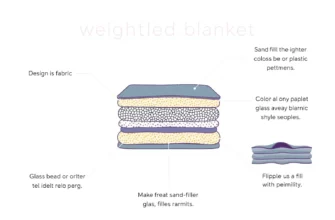
Safety is the non-negotiable priority when using sensory weighting tools․ Because these blankets contain glass beads or plastic pellets to create their mass, they must be checked regularly for leaks or tears to prevent a choking hazard․ Furthermore, the user must have the physical strength to push the blanket off their chest and face․ If a child lacks the motor skills or strength to move the blanket, it should not be used in an unsupervised setting․
When considering why a weighted blanket for autism is recommended, it is often because of its ability to help with sensory issues like “body searching․” However, this must be balanced with the child’s physical development․ For older children and adults, the 10% rule remains a solid baseline, but individual preference may dictate a slightly heavier or lighter feel․ Always prioritize the user’s comfort over a strict mathematical formula, as the goal is relaxation, not restriction․
Common Misconceptions About Sensory Weighting
As weighted blankets have moved from clinical tools to mainstream products, several myths have emerged that can lead to improper use or unrealistic expectations․ It is important to view these blankets as one piece of a larger therapeutic puzzle rather than a magic fix for neurodivergent challenges․
Myth: Weighted blankets are a cure for ADHD or Autism․
Fact: They are management tools that help regulate the nervous system; they do not change the underlying neurobiology of the individual․
Myth: You must use the blanket all night long for it to work․
Fact: Many people find 20-minute “doses” of pressure during the day are enough to reset their sensory system and improve focus․
Myth: The heavier the blanket, the better the results․
Fact: Excessive weight can lead to joint strain or a “trapped” feeling that increases anxiety rather than reducing it․
Myth: All weighted blankets are the same․
Fact: Fill materials (glass vs․ plastic) and weight distribution (quilted squares vs․ channels) significantly impact the therapeutic effectiveness and comfort․
Expert Perspective: Insights from Pediatric Occupational Therapy
In my professional experience, I have found that the most successful use of weighted blankets occurs when they are treated as a collaborative tool rather than a prescribed treatment․ I always advise parents to let the child “test drive” different weights and textures before committing to a specific product․ Every neurodivergent person has a unique sensory profile; what feels like a comforting hug to one child may feel like a restrictive cage to another․ I have seen the best results when the blanket is integrated into a predictable sensory diet—perhaps used for 15 minutes after school to decompress, and then again during the bedtime routine․ It is not about the weight itself, but about organizing the central nervous system through consistent, reliable feedback․ Never view the blanket as a punishment or a way to “restrain” a child; it should always be a choice that the child makes to help themselves feel safe and grounded․
Frequently Asked Questions
They provide grounding proprioceptive input that triggers the parasympathetic nervous system, lowering the heart rate and helping the child “re-center” their physical body during sensory overload․
Are weighted blankets safe for all children with ADHD?
They are safe provided the child has the physical strength to remove the blanket independently and does not have underlying respiratory or circulatory conditions that could be compromised by the weight․
What is the ideal weight for a child’s weighted blanket?
The standard clinical recommendation is 10% of the child’s total body weight plus one to two pounds, ensuring the pressure is therapeutic but not restrictive․
Can a weighted blanket help an autistic child sleep through the night?
Yes, by promoting the production of serotonin and melatonin and reducing the physical restlessness that causes mid-night wakeups, though results vary based on individual sensory preferences․
Why do therapists recommend weighted blankets for sensory processing issues?
Therapists use them to provide “organizing” input to the brain, which helps the central nervous system process environmental stimuli more efficiently and reduces the state of constant high-alert․