- Why the 48×72 Weighted Blanket is the Gold Standard for Personal Use
- How 48×72 Dimensions Fit Your Bed and Body
- Quick Reference: Choosing the Right Blanket Size for Every User
- From Toddlers to Adults: Dimension Use Cases
- The Weight Selection Physics: 12lb, 15lb, or 20lb?
- Matching Your Body Weight to Blanket Density
- Material Matters: Minky, Cotton, and Sherpa Finishes
- Staying Cool vs. Keeping Warm
- Top-Rated 48×72 Brands: What Sets Them Apart?
- Performance Review of Leading Manufacturers
- Maintenance and Longevity: Protecting Your Weighted Blanket
- The Secret to a Lifetime of Comfort: Duvets and Washing
- Expert Perspective: The Body Coverage Principle
- Frequently Asked Questions
Why the 48×72 Weighted Blanket is the Gold Standard for Personal Use
The 48×72 inch dimension has emerged as the most versatile size in the sleep industry, striking a precise balance between full-body coverage and manageable weight distribution. Unlike oversized king blankets that often slide off the bed due to their own mass, this specific footprint is engineered to concentrate pressure directly on the individual sleeper.
Often categorized as a “large throw” or “personal topper,” the 48×72 weighted blanket targets the biological mechanism known as deep pressure stimulation. By applying gentle, even force across the body, it encourages the nervous system to shift from a “fight or flight” sympathetic state to a “rest and digest” parasympathetic state, making it a primary tool for managing evening restlessness.
For those navigating the complexities of sensory processing or general sleep onset issues, this size offers enough length to cover a six-foot-tall adult from shoulders to toes without the excess bulk that complicates bed-making or storage. It is the functional “sweet spot” for anyone seeking the therapeutic benefits of a weighted wrap without overwhelming their living space.
How 48×72 Dimensions Fit Your Bed and Body
When selecting a weighted blanket, the most common mistake is matching the blanket size to the mattress size. A standard twin mattress measures 38×75 inches, while a full-size mattress is 54×75 inches; choosing a 48×72 weighted blanket ensures the weight stays centered on top of the mattress rather than hanging over the edges.
If a weighted blanket hangs over the side of the bed, gravity will inevitably pull the entire weight onto the floor during the night, leading to a disrupted sleep cycle. A 48-inch width provides a 5-inch buffer on either side of a twin bed, which is the ideal margin to prevent sliding while still providing enough room for a sleeper to roll over comfortably.
Regarding user height, the 72-inch length (exactly 6 feet) is designed to provide full coverage for most adults. To maximize the calming effect, the blanket should ideally reach from the collarbone down to the feet, ensuring the heavy glass beads or poly-fill stay concentrated over the torso and legs where the largest muscle groups and sensory receptors are located.
Quick Reference: Choosing the Right Blanket Size for Every User
Understanding the landscape of weighted dimensions is essential for ensuring safety and efficacy. While the 48×72 is the adult standard, smaller and larger footprints serve specific niches ranging from pediatric use to shared couple’s bedding.
| Blanket Size (Inches) | Best For | Typical Weight Range | Bed Compatibility |
|---|---|---|---|
| 36×48 | Small Children / Lap Use | 3lb ⎼ 5lb | Crib / Toddler Bed |
| 40×60 | Teens / Older Children | 7lb ⎼ 10lb | Twin Bed / Sofa Throw |
| 48×72 | Individual Adults | 12lb ⎼ 25lb | Twin / Full (Topper) |
| 60×70 | Tall Adults / Couples | 15lb ⎼ 30lb | Queen / King |
From Toddlers to Adults: Dimension Use Cases
Smaller dimensions like the 36×48 and 40×60 are specifically tailored for younger users or localized therapy. A 40×60 weighted blanket is frequently used in clinical settings for sensory regulation during seated activities, providing a grounding effect without the heat retention of a full-sized adult blanket.
For those looking for a “shareable” experience, the 60×70 model offers enough width to cover two people on a queen-sized mattress. However, sharing a weighted blanket is generally discouraged unless both partners have similar weight preferences, as the heavier person may inadvertently pull the weight away from the lighter partner.
The 48×72 remains the superior choice for the individual sleeper because it allows for isolated weight control. Even on a King bed, many couples now opt for two separate 48×72 blankets, allowing each person to choose their preferred heaviness (e.g., one partner using 15lb and the other using 20lb) without compromising the other’s comfort.
The Weight Selection Physics: 12lb, 15lb, or 20lb?
The effectiveness of a weighted blanket is not just about the size, but the density of the weight distributed across that surface area. The industry follows the “10% rule,” which suggests the blanket should weigh approximately 10 percent of the user’s total body weight, plus or minus one or two pounds.
In a 48×72 footprint, the density changes significantly as you move up the weight scale. A 12lb blanket feels like a gentle hug, whereas a 20lb or 25lb blanket provides a much more intense, grounding pressure that mimics the sensation of being tucked in tightly. Choosing the wrong weight can lead to feelings of claustrophobia if it’s too heavy, or a lack of therapeutic benefit if it’s too light.
For most adults weighing between 130 and 170 pounds, the 15lb blanket is the “Goldilocks” option. It provides enough force to stimulate serotonin production without putting excessive strain on the joints or making it difficult to change positions during the night.
Matching Your Body Weight to Blanket Density
If you fall between weight categories, such as weighing 185 pounds, you should generally round up to the 20lb option if you are seeking deep pressure for anxiety, or round down to 15lb if you are a “hot sleeper” who wants to minimize the insulating effect of the fill material.
Extreme weights, like the 25lb 48×72 blanket, are typically reserved for individuals with high sensory thresholds or those who have found that lighter weights no longer provide the same level of neurological “grounding.” At this weight, the density is approximately 0.83 lbs per square foot, which is quite significant and should be used with caution by those with respiratory or circulatory concerns.
Safety is paramount for pediatric users. A 7lb weighted blanket in a 41×60 or 40×60 size is appropriate for children in the 60-80lb range, but never use a weighted blanket on an infant or any child who does not have the physical strength to remove the blanket themselves. Always ensure the user can move freely under the weight to prevent any risk of entrapment.
Material Matters: Minky, Cotton, and Sherpa Finishes
The tactile experience of a weighted blanket is just as important as the weight itself. Because these blankets stay in close contact with the skin for 7-9 hours at a time, the material choice dictates whether the experience is one of cooling relief or cozy warmth.
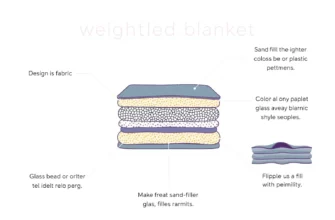
Modern manufacturing has moved away from the bulky, uneven plastic poly-fill of the past. High-quality 48×72 blankets now utilize micro-glass beads. These beads are much smaller and denser than plastic pellets, allowing the blanket to be thinner and more “fluid,” contouring to the body’s natural curves much like a standard duvet would.
The outer shell—whether it is an integrated cover or a removable duvet—determines the thermal regulation. Cotton is the undisputed king of breathability, while synthetic fabrics like minky or sherpa are designed to trap heat and provide soft, sensory-rich textures for those who crave tactile feedback.
Staying Cool vs. Keeping Warm
For individuals who suffer from night sweats or live in warmer climates, a 100% cotton fabric in a dark grey or neutral tone is the best choice. Cotton’s natural fibers allow for superior airflow and moisture-wicking, preventing the “sauna effect” that often occurs when heavy glass beads are wrapped in synthetic polyester.
Conversely, the 60×70 plush or 50×70 sherpa weighted blankets are ideal for winter months. The high-pile fibers of sherpa provide an immediate sense of warmth and security. However, keep in mind that glass beads are naturally conductive; they will absorb the ambient temperature of the room. In a cold room, a glass-bead blanket will feel cool to the touch initially, whereas poly-fill inserts tend to remain neutral.
If you want the best of both worlds, look for a dual-sided removable duvet cover. Many premium brands offer a cover with cooling bamboo or cotton on one side and a textured minky fabric on the other. This allows you to flip the blanket according to the season or your current sensory needs without having to purchase two separate weighted inserts.
Top-Rated 48×72 Brands: What Sets Them Apart?
The market for 48×72 blankets is crowded, but a few manufacturers stand out for their construction techniques and material quality. The difference between a high-end blanket and a budget option usually lies in the “shifting” of the internal beads.
| Brand | Primary Strength | Pros | Cons |
|---|---|---|---|
| Pendleton | Heritage & Durability | Classic aesthetic, high-quality removable covers. | Higher price point; limited weight options. |
| Quility | Value & Multi-Layering | 7-layer system prevents bead leakage. | Can run warm; synthetic outer layers. |
| Aricove | Premium Cooling | 100% bamboo silk; exceptional breathability. | Requires delicate care; more expensive. |
| Sealy | Availability & Comfort | Trusted brand; widely available microplush. | Beads may shift more over time. |
Performance Review of Leading Manufacturers
The Pendleton 48×72 weighted blanket is often cited as a top-tier choice for those who value home decor as much as function. Their blankets often feature quilted patterns that match their iconic wool designs, and the stitching is reinforced to ensure the glass beads don’t migrate to the corners—a common failure point in cheaper models.
Quility has built a massive following by offering a complete package. Their blankets typically include a pre-attached minky duvet cover, making them ready to use out of the box. Their 7-layer construction is specifically designed to cushion the glass beads, which minimizes the “rustling” sound when you move, a critical feature for light sleepers.
For those focused on technical performance, Aricove is the specialist in temperature regulation. By using 100% natural bamboo viscose, they achieve a moisture-wicking capability that outshines standard cotton. Meanwhile, Sealy provides a solid entry-point for the casual user, offering a microplush finish that is exceptionally soft, though perhaps less breathable than the bamboo or high-end cotton alternatives.
Maintenance and Longevity: Protecting Your Weighted Blanket
A 20lb weighted blanket is a significant investment, both financially and in terms of its physical presence in your home. Because these items are so heavy, they can wreak havoc on standard residential washing machines, potentially damaging the drum or the motor during the spin cycle;
The key to longevity is preventing the need to wash the weighted insert itself. This is achieved through the use of a high-quality duvet cover. By washing only the cover, you extend the life of the internal stitching and prevent the glass beads from potentially leaking through the seams during high-agitation wash cycles.
- Always use a duvet cover: This acts as a barrier against skin oils, sweat, and pet hair.
- Check the “Baffle Box” construction: Ensure your blanket is divided into squares (usually 4×4 or 5×5 inches) to keep weight even.
- Spot clean only: If the weighted insert gets a stain, use a mild detergent and a damp cloth rather than submerging the whole item.
- Air dry when possible: High heat in a dryer can weaken the polyester threads that hold the weight in place.
The Secret to a Lifetime of Comfort: Duvets and Washing
When shopping for a duvet, ensure it has internal ties or loops. A 48×72 weighted blanket is heavy enough that it will bunch up inside a standard duvet cover if it isn’t secured at 8 or more points. Without these ties, you will find yourself constantly fighting to reposition the weight within the fabric shell.
If you must wash the weighted insert—perhaps due to a major spill—it is highly recommended to take it to a commercial laundromat. Their front-loading, industrial-capacity machines are much better equipped to handle the 15lb to 25lb load without the risk of an “off-balance” error that could break your home appliance.
The construction of “divided squares” or quilted pockets is the most important technical feature to look for. A quality 48×72 blanket will have smaller squares to ensure the weight doesn’t pool on one side of your body. If you notice the beads shifting significantly, it is a sign that the internal baffles have failed, and the blanket may need to be replaced to maintain its therapeutic efficacy.
Expert Perspective: The Body Coverage Principle
In my professional experience working with sleep ergonomics, the biggest mistake consumers make is treating a weighted blanket like a decorative bedspread. I always advise my clients to remember that a weighted blanket is a therapeutic tool, not a mattress cover. The 48×72 size is my standard recommendation for single sleepers because it is mathematically optimized to cover the human torso and limbs while leaving the edges of the bed clear. If you use a blanket that is too large, gravity becomes your enemy; the overhanging weight will slowly pull the blanket toward the floor all night long, forcing your muscles to fight against the slide rather than relaxing into the deep pressure stimulation. For the best results, keep the weight concentrated on your body, not the furniture.
Frequently Asked Questions
No, it is actually the ideal size for a full bed. It is designed to cover the sleeper’s body without hanging over the edges, which prevents the weight from pulling the blanket off the bed during the night.
What is the best weight for a 48×72 blanket for an average adult?
The 15lb option is the most versatile choice for adults. It generally fits the 10% of body weight rule for individuals weighing between 130 and 180 pounds, providing effective pressure without being overwhelming.
Can children use a 40×60 weighted blanket?
Yes, but the weight must be appropriate for the child’s size (usually 5-7lbs). Crucially, the child must be able to move and remove the blanket independently to ensure safety and prevent entrapment.
How do I wash a 48×72 20lb weighted blanket?
Use a removable duvet cover to keep the insert clean. If the 20lb insert requires washing, use a commercial-grade laundromat to protect your home washing machine from potential mechanical damage caused by the heavy load.
Are glass beads better than poly-fil for 48×72 blankets?
Yes, glass beads are superior because they are denser and smaller. This allows the blanket to be thinner and more breathable, providing better temperature regulation and a less “lumpy” feel compared to plastic poly-fil.