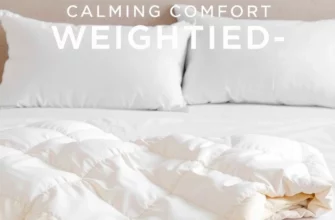
- Why a Cotton Weighted Blanket Cover is Essential for Quality Rest
- The Breathability Factor in Cotton and Linen
- Top Retailers and Brand Comparisons: From Walmart to Bearaby
- Premium Choices: Casper‚ Bearaby‚ and Brookstone
- Budget-Friendly Finds: Walmart and Amazon Options
- Choosing the Right Texture: Minky Dots‚ Faux Fur‚ and Smooth Cotton
- Sensory Benefits of Minky Dot and Faux Fur
- How to Secure Your Cover: Snaps‚ Ties‚ and Buttons Explained
- The 8-Tie System for Maximum Stability
- Sizing Guide: Finding the Perfect Fit for Twin and Queen Blankets
- Standard Dimensions for Children and Adults
- Laundering and Care: Keeping Your Cover Fresh
- Machine Washing Without Damaging the Fasteners
- Style and Color: Matching Your Bedroom Aesthetic
- Trending Colors and Patterns
- Frequently Asked Questions
Why a Cotton Weighted Blanket Cover is Essential for Quality Rest
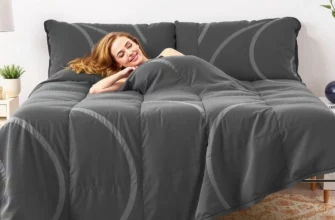
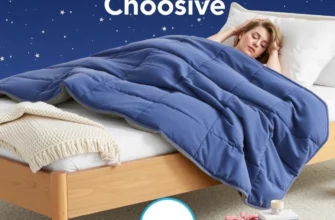
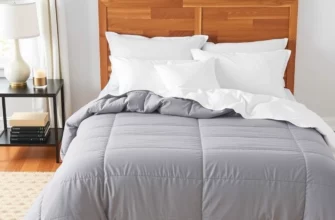
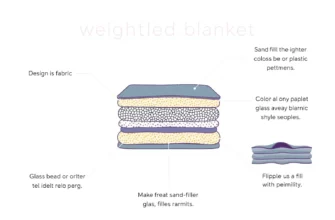
A weighted blanket is a significant investment in your sleep health‚ but the blanket itself is only half of the equation․ The cover serves as the critical interface between your skin and the heavy glass or plastic beads inside‚ dictating everything from skin comfort to how much heat you retain overnight․
Choosing a cotton-based exterior ensures that you are not effectively wrapping yourself in plastic․ While the inner weights provide the therapeutic pressure needed for sensory processing disorders or general anxiety‚ the cotton shell manages the microclimate of your bed by allowing air to circulate freely through the fibers․
Without a high-quality cover‚ a weighted blanket can quickly become a heat trap․ Cotton’s natural moisture-wicking properties are vital for maintaining proper sleep hygiene‚ as they prevent the buildup of sweat and bacteria that can occur with synthetic alternatives․
The Breathability Factor in Cotton and Linen
Natural fibers like cotton and linen are the gold standard for anyone who identifies as a “hot sleeper․” Unlike polyester or microfiber‚ which consist of tightly woven plastic threads that reflect body heat back toward the skin‚ cotton and linen possess microscopic gaps that allow heat to escape․
A linen weighted blanket cover offers even higher breathability than standard cotton due to the larger diameter of the flax fibers․ This creates a slightly more textured‚ porous fabric that is exceptionally durable․ For those seeking a summer breathable weighted blanket experience‚ linen or a high-percale cotton weave is the most effective way to enjoy deep pressure therapy without waking up in a cold sweat;
Furthermore‚ these natural materials become softer with every wash․ While synthetic covers tend to pill or lose their structural integrity over time‚ a high-thread-count cotton cover will maintain its smooth finish and structural strength‚ ensuring that the weighted insert security remains intact for years of use․
Top Retailers and Brand Comparisons: From Walmart to Bearaby
The market for weighted bedding has expanded from niche medical catalogs to mainstream retail giants․ Navigating the price gap between a luxury boutique brand and a big-box retailer requires an understanding of what you are actually paying for: fiber length‚ attachment points‚ and closure quality․
Higher-end brands typically focus on the “system” of the blanket‚ ensuring the cover and the insert are perfectly calibrated․ Budget options often provide the basic utility but may require more frequent adjustments to prevent the internal weight from shifting into one corner․
| Brand/Retailer | Primary Material | Attachment Style | Best For |
|---|---|---|---|
| Bearaby | Organic Cotton / Tencel | N/A (Knitted Design) | Maximum airflow and aesthetics |
| Casper | Cotton / Polyester Blend | Internal Zipper/Snaps | Ease of removal and durability |
| Brookstone | Cotton / Plush Mix | Internal Ties | Traditional feel and reliability |
| Walmart (Various) | Cotton or Microfiber | Basic Ties | Entry-level affordability |
| Amy Garden | Cotton / Minky | 8-Tie System | Customization and sizing variety |
Premium Choices: Casper‚ Bearaby‚ and Brookstone
When you look at a casper weighted blanket duvet cover‚ you are looking at a product designed for technical precision․ Casper often utilizes a combination of zippers and snaps that prevent the “clumping” effect common in cheaper models․ Their focus on temperature regulation makes them a favorite for year-round use․
The bearaby weighted blanket cover is unique because Bearaby’s flagship products are often “nude” or knitted‚ meaning the blanket is the cover․ However‚ for their specialized inserts‚ they prioritize organic materials that satisfy the most stringent hypoallergenic material standards․ This is a top-tier choice for users with chemical sensitivities․
A brookstone weighted blanket cover often leans toward a classic aesthetic‚ focusing on heavy-duty cotton that can withstand the significant friction caused by the inner beads․ These covers are engineered for longevity‚ often featuring reinforced seams to prevent the 15 to 25 pounds of internal pressure from bursting the fabric over time․
Budget-Friendly Finds: Walmart and Amazon Options
For those on a budget‚ a walmart weighted blanket cover provides a functional entry point․ While you may not get long-staple Egyptian cotton‚ you can find reliable cotton-poly blends that offer decent breathability․ The key is to check the number of internal attachment points before purchasing․
The amy garden weighted blanket cover has gained a massive following on Amazon because they offer an extensive range of sizes and patterns․ They are one of the few brands that consistently offer the 8-tie system even at a lower price point‚ which is essential for keeping the blanket flat and even․
Similarly‚ an ella jayne weighted blanket cover often features a dual-sided design‚ with smooth cotton on one side and a textured minky on the other․ This versatility allows you to flip the blanket depending on the season‚ providing a moisture-wicking fabric side for summer and a cozy side for winter․
Choosing the Right Texture: Minky Dots‚ Faux Fur‚ and Smooth Cotton
Texture plays a vital role in the therapeutic effectiveness of a weighted blanket․ For many users‚ the “weight” is only half of the sensory input; the tactile feel of the fabric provides additional grounding that can further lower cortisol levels and promote relaxation․
Choosing between a smooth cotton finish and a textured surface depends largely on your personal sensory profile․ Some people find smooth surfaces cooling and calming‚ while others require the tactile stimulation of raised patterns to fully engage their nervous system and reach a state of rest․
Sensory Benefits of Minky Dot and Faux Fur
The original minky dots cover is a staple in the sensory community․ These small‚ raised fabric “nubs” provide a tactile focal point that can be incredibly soothing for children with ADHD or autism․ The dots allow for “fidgeting” with the fingers‚ which has been shown to assist in sensory processing and emotional regulation․
A faux fur weighted blanket cover offers a different kind of sensory luxury․ These are ideal for winter months when warmth is just as important as pressure․ The high pile of faux fur creates a “nesting” sensation‚ though it is important to note that these covers are significantly heavier and less breathable than cotton․ Always choose faux fur for cold climates or if you specifically struggle with staying warm at night․
For younger users‚ the dinosaur minky dot sensor weight blanket cover combines visual interest with tactile benefits․ Using patterns that a child enjoys can reduce the “medical” feel of a weighted blanket‚ making it a welcomed part of their bedtime routine rather than a therapeutic tool they might resist․
How to Secure Your Cover: Snaps‚ Ties‚ and Buttons Explained
The most common complaint regarding weighted blankets is that they “bunch up” inside the cover․ Because a weighted blanket can weigh 20 pounds or more‚ gravity is constantly pulling the insert toward the bottom of the duvet․ Standard duvet covers will not work because they lack the necessary internal hardware to fight this gravitational pull․
To ensure your blanket stays flat and effective‚ you must use a cover with a robust attachment system․ This system distributes the weight evenly across the entire surface area of the fabric‚ ensuring that the pressure stays on your body rather than in a heap at the foot of the bed․
- Internal Ties: The most common system‚ usually involving 4 to 12 fabric ribbons that you knot through loops on the blanket insert․
- Snap Buttons: A faster alternative to ties‚ these plastic or metal snaps click into place․ They are easier for people with limited hand dexterity․
- Zippers: Some modern covers use a perimeter zipper system‚ which is the most secure but also the most expensive and difficult to repair if broken․
- Reinforced Seams: Look for double-stitched edges to ensure the weight of the blanket doesn’t tear the attachment points away from the cover․
The 8-Tie System for Maximum Stability
A weighted blanket cover 48×72 8 ties setup is considered the industry benchmark for stability․ While some cheaper covers only offer 4 ties (one in each corner)‚ this allows the middle of the blanket to sag and pull on the corners․ An 8-tie system adds an attachment point in the center of each side‚ which halves the stress on each individual tie and keeps the weight perfectly distributed․
If you have a machine washable cover with snaps or buttons‚ you may find the assembly process much faster․ Snaps are less likely to come undone during the night compared to a poorly tied knot․ However‚ ensure the snaps are made of high-quality resin to prevent them from cracking during the agitation cycle of your washing machine․
Sizing Guide: Finding the Perfect Fit for Twin and Queen Blankets
Sizing a weighted blanket cover is not like sizing a standard duvet․ If a weighted cover is even two inches too large‚ the blanket will slide around inside‚ creating an uneven distribution of weight that ruins the therapeutic effect․ You must match the dimensions of your insert to the cover exactly․
Common sizes for weighted blankets often differ from standard mattress sizes because they are designed to cover the person‚ not the bed․ A blanket that hangs over the edge of the bed will likely slide off due to its own weight‚ so the covers are intentionally tailored to be more compact․
- 48×72 Inches: The standard size for a single adult or a large child․
- 42×72 Inches: A narrower option often used for targeted therapy or smaller frames․
- 60×80 Inches: Standard Queen size‚ intended for one person on a larger bed or two people sharing․
- 36×48 Inches: Typical size for a cover for weighted blankets for kids․
Standard Dimensions for Children and Adults
The twin weighted blanket cover is the most versatile size‚ fitting most adult-length bodies while remaining easy to wash and manage․ When shopping‚ always double-check if your blanket is a weighted blanket duvet cover 42×72 or the more common 48×72‚ as that 6-inch difference will cause significant shifting if mismatched․
For children‚ safety is the priority․ A cover for weighted blankets for kids should be snug and feature “breakaway” or safety-tested zippers․ Ensure the fabric is 100% cotton to prevent overheating‚ as children have a harder time regulating their body temperature than adults do under heavy bedding․
Laundering and Care: Keeping Your Cover Fresh
The main reason to use a cover is that washing a 15-pound weighted insert is a nightmare for most residential washing machines․ The cover acts as the “sacrificial layer‚” absorbing body oils‚ sweat‚ and dust․ To protect your washing machine’s drum and suspension‚ you should only wash the cover‚ never the weighted insert․
Regular maintenance of your cover will extend the life of the more expensive blanket inside․ Because the cover is in direct contact with your skin‚ it should be treated with the same care as your high-end bed sheets․
- Wash Frequency: Every 7 to 14 days depending on whether you use a top sheet․
- Water Temperature: Cold or lukewarm to prevent the cotton from shrinking․ Never use hot water on 100% cotton covers․
- Detergent: Use a mild‚ liquid detergent․ Avoid fabric softeners‚ which can coat the fibers and reduce breathability․
- Drying: Tumble dry on low heat or line dry; High heat is the primary cause of cover shrinkage‚ making it impossible to fit the blanket back inside․
Machine Washing Without Damaging the Fasteners
When using a machine washable queen snappy weighted blanket cover‚ you must take precautions to protect the hardware․ Metal snaps can beat against the side of the drum‚ potentially causing damage or chipping the paint․ Always turn the cover inside out and zip or snap it shut before placing it in the wash․
If you have a washable weighted blanket cover only (meaning it’s a standalone purchase)‚ check the weight of the fabric when wet․ Heavy cotton or faux fur can become quite heavy‚ so ensure your dryer is not overloaded․ If the cover feels exceptionally heavy‚ consider a medium-spin cycle to extract as much water as possible before drying․
Style and Color: Matching Your Bedroom Aesthetic
Your weighted blanket shouldn’t look like a medical device․ Modern covers come in a vast array of colors and patterns that allow you to integrate your sleep therapy seamlessly into your bedroom decor․ The color you choose can also have a psychological impact on your ability to fall asleep․
Cooler tones like blues and greens are scientifically linked to lower heart rates and a sense of calm․ Conversely‚ bright‚ high-energy colors might be better suited for a living room “throw” blanket rather than a primary sleep tool․
Trending Colors and Patterns
A black weighted blanket cover is a popular choice for its ability to hide stains and its sleek‚ modern appearance․ However‚ black fabric can show lint and pet hair more easily than lighter colors․ A pink weighted blanket cover or a soft green weighted blanket duvet cover can create a more soothing‚ “spa-like” atmosphere in the bedroom․
For those who want to express more personality‚ the pineapple weighted blanket cover has become a quirky favorite in the “lifestyle” bedding niche․ Patterns like these are excellent for teenagers or adults who want their bedding to reflect their personal style while still enjoying the fabric durability of high-quality cotton․
In my professional experience working with textile longevity‚ the single most common reason people discard weighted blankets is the “clumping” effect․ This happens when the internal ties fail‚ causing the weight to shift into a single heavy ball․ To prevent this‚ I always advise choosing a cover with a minimum of 8 internal ties made from reinforced twill tape rather than thin satin ribbons․ Furthermore‚ for the best balance of longevity and comfort‚ look for a 300 to 400 thread count cotton percale․ This specific weave offers the structural integrity needed to hold 20 pounds of weight while maintaining the airflow necessary for deep‚ uninterrupted sleep․
Frequently Asked Questions
You can‚ but it is not recommended․ Regular covers lack the internal ties or snaps required to hold the heavy insert in place‚ leading to the blanket bunching up at the bottom․
How do I know if a cover will fit my 48×72 weighted blanket?
You must measure your blanket’s dimensions exactly and count the number of loops on your blanket to ensure they match the number of ties inside the cover․
Are cotton covers better than minky covers for hot sleepers?
Yes․ Cotton and linen are natural‚ breathable fibers that allow heat to escape‚ whereas minky is a synthetic polyester that traps heat against the body․
How often should I wash my weighted blanket cover?
To maintain skin health and hygiene‚ you should wash the cover every 1 to 2 weeks‚ just as you would with standard bed sheets․
What is the best way to attach a cover with snaps?
Turn the cover inside out‚ snap it to the blanket loops while flat on the bed‚ and then reach inside to pull the blanket through as you flip the cover right-side out․
Will a machine-washable cover shrink in the dryer?
Cotton covers are prone to shrinking․ To prevent this‚ always use the lowest heat setting or air dry to ensure the cover still fits your weighted insert․