- Why Your Weighted Blanket Keeps Sliding Off the Bed
- The Friction Factor: Choosing the Right Bedding Layers
- Pro Techniques to Keep Your Weighted Blanket From Bunching
- Securing the Internal Ties and Loops
- How to Redistribute Weighted Blanket Fillings for Even Pressure
- Fixing Clumping Beads and Uneven Weight
- Why You Should Avoid Using Metal Washers or Marbles as Fillers
- Taking Care of Specific Brands: Tranquility and American Textile Company
- Removing the Cover on a Tranquility 15-lb Weighted Blanket
- Advanced Bed-Making: How to Share and Stack Weighted Blankets
- Can You Stack Weighted Blankets Safely?
- Responsible Disposal: How to Get Rid of an Old Weighted Blanket
- Recycling vs. Donating: Your Disposal Options
- Frequently Asked Questions
Why Your Weighted Blanket Keeps Sliding Off the Bed
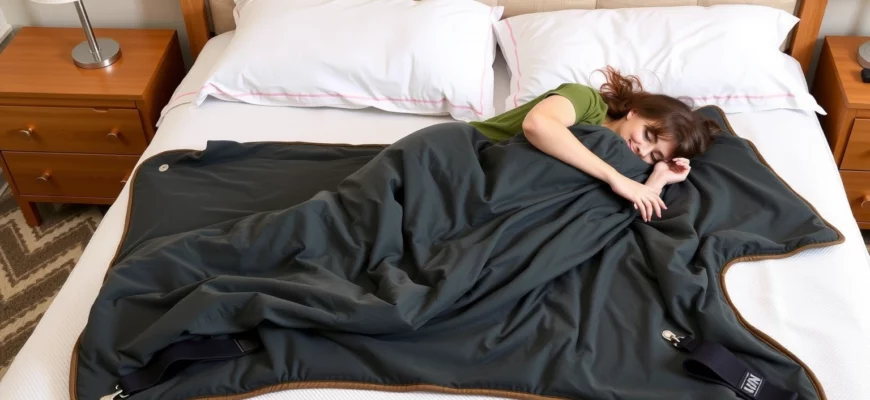
Weighted blankets rely on gravity to provide deep pressure stimulation, but that same gravity becomes an enemy when the blanket lacks sufficient grip. If you wake up to find your blanket pooled on the floor, the issue is likely a combination of material physics and mechanical shifting. The weight of the beads creates a downward pull that standard bedding isn’t always equipped to handle.
Understanding the relationship between your blanket and your sheets is the first step in solving the sliding problem. Most sleepers prioritize softness, but for weighted therapy, surface friction is the most important variable to control. Without it, the heavy insert will inevitably migrate toward the edge of the mattress.
The Friction Factor: Choosing the Right Bedding Layers
The texture of your bed sheets plays a decisive role in whether your blanket stays centered or slides away. High-sheen fabrics like silk, sateen, or certain polyester blends offer almost zero resistance. When a 15-pound or 20-pound weight is placed on these slippery surfaces, any movement during the night creates a lopsided weight distribution that pulls the rest of the blanket off the bed.
To increase the fabric grip, consider switching to high-friction materials. 100% cotton with a percale weave provides a matte finish that naturally holds onto the blanket’s cover. If you live in a colder climate, flannel sheets are the gold standard for preventing slips because the brushed fibers act like microscopic hooks that latch onto the blanket fabric. This mechanical bond ensures that even if you toss and turn, the blanket remains anchored to the center of the mattress.
Pro Techniques to Keep Your Weighted Blanket From Bunching
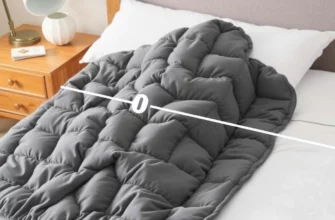
Bunching occurs when the weighted insert moves independently of its outer duvet cover, leading to a lumpy, uncomfortable mess. This usually happens because the internal anchoring systems have failed or were never properly engaged. Maintaining a flat, even surface is essential for the blanket to provide the intended therapeutic benefits without causing joint strain from uneven pressure.
Securing the blanket requires a tactical approach to internal fastening. If your blanket didn’t come with a cover, or if the cover is missing ties, you will need to implement a more robust anchoring system. Never use safety pins to secure a weighted insert, as the heavy weight will eventually cause the pins to bend or rip through the fabric, potentially releasing glass beads into your bed.
- Turn the duvet cover inside out and lay it flat on your bed to expose all internal corner and side loops.
- Align the weighted insert directly on top of the inverted cover, matching the loops on the insert to the ties on the cover.
- Secure the center-side ties first before moving to the corners; this prevents the middle of the blanket from sagging or “bowing” during use.
- Use a double-knot or a surgical knot for every tie point to ensure they do not vibrate loose during the night.
- Reach inside and flip the cover right-side out, then vigorously shake the blanket from the top edge to allow the weight to settle into the corners.
Securing the Internal Ties and Loops
Most high-quality weighted blankets feature a system of loops and ties. However, many users find that the standard four corner ties are insufficient for blankets weighing over 15 pounds. If your blanket is bunching in the middle, it is likely because there are no side-anchors to support the central mass. A secure insert should have at least 8 to 12 attachment points to distribute the load evenly across the entire duvet cover.
If your current cover lacks these points, you can easily add DIY ribbon ties. Sew short lengths of heavy-duty grosgrain ribbon to the inside seams of your duvet cover. These ribbons are more durable than thin fabric ties and provide a non-slip grip that prevents the insert from sliding down. By increasing the number of contact points, you reduce the stress on any single tie, extending the lifespan of both the cover and the weighted insert.
How to Redistribute Weighted Blanket Fillings for Even Pressure
Over time, the filling material inside a weighted blanket—whether glass beads, plastic pellets, or steel shot—can migrate toward the edges of the stitched pockets. This “internal shifting” is a common maintenance hurdle. When the weight is uneven, the blanket no longer provides consistent pressure, which can actually increase restlessness rather than soothing it.
Regular redistribution should be part of your weekly bed-making routine. If you notice that one side of the blanket feels significantly heavier than the other, do not simply pull on the fabric to move it. This can stretch the stitching and lead to “bead leakage,” a situation where the internal baffles break and allow the filling to flow freely throughout the entire blanket.
Warning: Never attempt to redistribute weight by hanging the blanket over a door or clothesline. The concentrated weight will permanently stretch the fabric and break the internal baffle stitching, leading to irreversible clumping.
Fixing Clumping Beads and Uneven Weight
To fix clumping, lay the blanket completely flat on a hard floor rather than a soft mattress. Use your hands to feel for empty pockets and “massaged” the beads from overstuffed areas back into the center. If the beads have migrated due to a broken internal seam, you may feel a large mass of filling in one corner. In this case, manual manipulation is the only way to spread the weight before sewing the baffle shut again.
A quick daily “snap” can also help. Hold the blanket by the top two corners and give it a firm, downward snap. This uses kinetic energy to force the beads back into their individual quilted squares. However, always check for leaking beads before snapping; if you see small crystal-like grains on your bed, it means the fabric has been compromised and needs immediate repair to prevent further weight loss.
Why You Should Avoid Using Metal Washers or Marbles as Fillers
In the DIY community, some suggest using household items like metal washers or marbles to add weight to a blanket. This is a significant safety risk. Metal washers often have sharp, stamped edges that will shred the internal fabric liners within weeks. Once the fabric is breached, these heavy metal objects can fall out, creating a hazard for pets or small children.
Marbles and large stones are equally problematic because they create “point pressure.” Instead of a gentle, distributed weight, you get hard, uncomfortable lumps that can bruise the skin or cause joint pain. Furthermore, metal fillers are prone to rusting during the washing process, which will permanently stain your bedding and may cause skin irritation. Stick to medical-grade glass beads for the safest and most consistent experience.
Taking Care of Specific Brands: Tranquility and American Textile Company
Brands like Tranquility and those manufactured by the American Textile Company are incredibly popular due to their availability at major retailers. However, their construction often involves hidden zippers and specific tie-down configurations that can be confusing for first-time owners. Proper maintenance of these specific models is key to ensuring they don’t lose their shape after the first wash.
These blankets are often designed with a “box-quilt” pattern that is specifically engineered to handle 15 to 20 pounds of pressure. If you are using a Tranquility model, pay close attention to the fabric loops during the removal process, as they are often color-coded to help you re-align the insert correctly after cleaning.
Removing the Cover on a Tranquility 15-lb Weighted Blanket
Removing the cover from a Tranquility 15-lb weighted blanket requires a delicate touch. The zipper is typically “hidden” under a fabric flap along one of the shorter seams to prevent it from scratching the sleeper. Once you locate the zipper, unzip it fully before attempting to reach the internal ties. Pulling on the insert while the zipper is only halfway open can put immense strain on the teeth of the zipper, leading to a mechanical failure.
Inside, you will find several corner knots. Tranquility blankets often use a simple string tie. When reassembling, ensure you use a bow-knot rather than a dead-knot. This makes it much easier to take the blanket apart the next time you need to wash it. If the ties have frayed, you can replace them with small pieces of paracord for a more permanent and durable solution that won’t snap under the 15-pound load.
Advanced Bed-Making: How to Share and Stack Weighted Blankets
Sharing a weighted blanket with a partner is often more difficult than it sounds. Because the weight is designed to contour to a single body, two people sharing one blanket often results in a “tug-of-war” where the blanket ends up sliding off one side of the bed. If you share a bed, it is almost always better to use two individual twin-sized weighted blankets rather than one large queen or king-sized version.
Using individual blankets allows each person to choose their ideal weight—usually 10% of their body weight—and prevents the common issue of the blanket sliding into the gap between the sleepers. If you must use a single large blanket, ensure the mattress has a high-friction protector to keep the massive weight from shifting as both people move.
| Feature | Single Large Weighted Blanket | Two Individual Blankets |
|---|---|---|
| Weight Distribution | Poor; weight often pools in the center. | Excellent; weight stays on the individual. |
| Sliding Risk | High; movement from one person pulls the other. | Low; blankets stay anchored to each sleeper. |
| Heat Management | Traps significant heat between two bodies. | Better airflow and individual temperature control. |
| Ease of Cleaning | Difficult; often exceeds home washer capacity. | Easier; twin sizes fit in standard machines. |
Can You Stack Weighted Blankets Safely?
While it might be tempting to stack two 10-pound blankets to get a 20-pound effect, this is generally discouraged by sleep experts. Stacking creates a massive amount of heat retention that can lead to overheating and disrupted sleep cycles. More importantly, the combined weight can create excessive pressure on the chest, which may restrict breathing for some individuals, particularly those with respiratory issues or sleep apnea.
If you feel the need for more weight, it is safer to purchase a single, heavier blanket that is engineered to distribute that specific poundage. Stacking also increases the likelihood of the blankets sliding against each other. Because the outer covers are often smooth, two stacked blankets will slide apart like tectonic plates, eventually leaving you with twice the mess to fix in the middle of the night.
Responsible Disposal: How to Get Rid of an Old Weighted Blanket
Eventually, every weighted blanket reaches the end of its functional life. Whether the fabric has worn thin or the internal baffles have completely failed, disposing of a 20-pound item requires more thought than throwing it in the kitchen trash. Because they contain a mix of textiles and inorganic fillers like glass or plastic, they are not biodegradable and can be difficult for standard waste management to process.
Before you toss it, consider the materials. If the blanket is still in decent shape but you simply don’t want it, donation is the best route. However, if it is leaking beads or smells of mildew, you must look into specialized recycling options to ensure the materials don’t end up sitting in a landfill for decades.
Recycling vs. Donating: Your Disposal Options
If the blanket is still functional, contact local animal shelters. They often welcome weighted blankets for anxious dogs or cats, as the pressure therapy works just as well for pets. The durability of the outer fabric is less of a concern for a shelter than it is for a bedroom. If the blanket is beyond repair, look for textile recycling centers. Many cities now have programs that can strip the fabric for rags and recycle the glass beads for use in industrial sandblasting or reflective road paint.
For blankets filled with plastic poly-pellets, check if the plastic is a type that can be melted down. You may need to cut the blanket open and pour the pellets into a separate container for recycling. Never pour weighted blanket beads down the drain, as they will immediately settle in the P-trap and cause a massive plumbing blockage that is extremely expensive to clear.
In my professional experience, the most overlooked aspect of weighted therapy is the disruption caused by “micro-awakenings.” When a blanket slides even a few inches off the center, your body subconsciously compensates for the shift in pressure. I always advise my clients that a sliding blanket is worse than no blanket at all, as the effort of pulling a 15-pound weight back into place mid-sleep spikes your heart rate and kicks you out of deep REM cycles. To truly benefit from Deep Pressure Stimulation (DPS), the blanket must remain perfectly stationary. If you find yourself constantly adjusting your bedding, you are defeating the neurological purpose of the product.
Frequently Asked Questions
The most effective method is to switch to 100% cotton or flannel sheets to increase friction. Additionally, ensure your blanket is secured to its cover with at least eight internal tie points to prevent the weight from shifting to one side.
Can I steam a weighted blanket to remove wrinkles?
Steaming is generally safe for blankets filled with glass beads, but you must avoid steaming blankets with plastic poly-pellets. The high heat can melt the plastic, causing the beads to fuse together and ruin the blanket’s flexibility.
What is the best way to store a weighted blanket when not in use?
Store the blanket flat on a shelf or rolled up in a storage bin. Never hang a weighted blanket on a coat hook or hanger, as the concentrated weight will stretch the fabric and damage the internal stitching.
How do I fix a weighted blanket where the beads have all moved to one side?
Lay the blanket on a flat floor and manually shake the beads back into their individual pockets. If the internal baffles are broken, you may need to sew a new seam across the empty sections to keep the weight redistributed.
Is it safe to use metal washers to make a DIY weighted blanket?
No, metal washers are unsafe fillers. They have sharp edges that tear through fabric, they are noisy, and they can rust when washed. It is always safer to use polished glass beads for DIY projects.