- What Makes a Coolmax Weighted Blanket Different from Traditional Options?
- The Science of Moisture-Wicking Sleep Technology
- Therapeutic Benefits: From General Anxiety to EDS Support
- Why the Ehlers-Danlos Community Often Prefers Weighted Pressure
- Choosing the Right Weight: 15 lbs, 20 lbs, or More?
- Size Matters: From Twin to California King
- Top-Rated Brands and Real-World Reviews
- Target vs. Specialty Brands: What’s Worth the Investment?
- Inside the Blanket: Pellets, Beads, and Construction
- Pellets vs. Glass Beads: Which is Better for Cooling?
- Maintenance and Care: Keeping Your Blanket Fresh
- Washing Your Coolmax Cover Without Damaging the Tech
- Where to Buy: Finding Coolmax Blankets Globally
- Frequently Asked Questions
What Makes a Coolmax Weighted Blanket Different from Traditional Options?
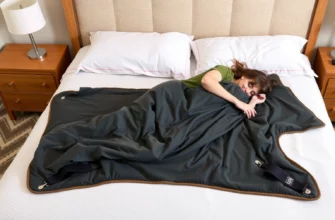
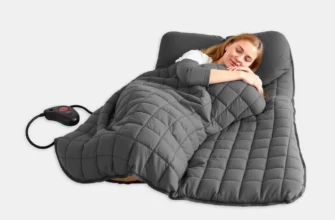
Traditional weighted blankets often rely on heavy cotton or fleece covers that trap body heat, turning a therapeutic tool into an uncomfortable sauna. The coolmax weighted blanket solves this by integrating technical fibers designed for high-performance athletic wear into the bedding environment.
By prioritizing moisture management, these blankets allow users to experience the calming effects of weight without the physical stress of overheating. This makes them a year-round solution rather than a seasonal luxury reserved for winter months.
The Science of Moisture-Wicking Sleep Technology
Coolmax technology is defined by its unique fiber structure, which features a non-round cross-section—often described as a four-channel or six-channel shape. This geometry creates a larger surface area than standard round polyester or cotton threads, which facilitates the rapid transport of moisture through capillary action.
While standard fabrics absorb sweat and hold it against the skin, Coolmax pulls perspiration to the outer layer of the fabric where it can evaporate quickly. This process helps in staying cool at night by maintaining a dry micro-climate under the covers, effectively preventing the humidity spike that often triggers night sweats.
Breathable fabric technology in these blankets also ensures that air can circulate through the weighted fill. When paired with glass beads rather than plastic pellets, the entire unit becomes a heat-conducting tool that actively moves thermal energy away from the body rather than insulating it.
Therapeutic Benefits: From General Anxiety to EDS Support
Weighted blankets are more than just heavy bedding; they are clinical tools used to provide deep touch pressure (DTP). For many, this pressure signals the brain to release serotonin and melatonin while reducing cortisol, the body’s primary stress hormone.
For individuals dealing with chronic conditions, the choice of fabric is just as important as the weight itself. Heat sensitivity can often negate the calming benefits of pressure, making a specialized eds weighted blanket a necessity for temperature-sensitive populations.
Why the Ehlers-Danlos Community Often Prefers Weighted Pressure
Individuals with Ehlers-Danlos Syndrome (EDS) or Hypermobility Spectrum Disorders often struggle with joint subluxations and a lack of proprioceptive awareness. Gentle joint compression provides the “grounding” sensation needed to help the brain track limb position during sleep, which can reduce the frequency of involuntary movements that lead to joint pain.
However, many in the EDS community also experience dysautonomia or POTS (Postural Orthostatic Tachycardia Syndrome), which makes temperature regulation incredibly difficult. Using weighted blankets for hypermobility requires a material that won’t cause a spike in heart rate due to overheating; Coolmax provides the necessary joint stability support without the thermal strain.
By stabilizing the nervous system through constant, cool pressure, these blankets help manage the “fight or flight” response often associated with chronic pain. This dual approach—mechanical support for joints and thermal regulation for the autonomic nervous system—is why technical fabrics are becoming the gold standard in therapeutic bedding.
Choosing the Right Weight: 15 lbs, 20 lbs, or More?
Selecting the wrong weight can lead to a blanket that feels either suffocating or entirely ineffective. While the general rule of thumb is to choose a blanket that is roughly 10% of your body weight, personal preference and physical strength play significant roles in the final decision.
A coolmax weighted blanket 15 lbs is the most common choice for average-sized adults, providing enough pressure to stimulate deep tissue receptors without making it difficult to change positions during the night. For those seeking a more “grounded” feel, the 20 lb option offers a deeper hug sensation.
| Blanket Weight | Ideal User Body Weight | Primary Use Case |
|---|---|---|
| 6 lbs ⎻ 7 lbs | 50 lbs — 80 lbs | Children or use as a “lap blanket” for seated sensory regulation. |
| 10 lbs ⎻ 12 lbs | 90 lbs — 130 lbs | Teens or smaller adults who prefer a lighter, less restrictive feel. |
| 15 lbs | 140 lbs — 180 lbs | The industry standard for adult therapeutic use and anxiety relief. |
| 20 lbs | 190 lbs — 240 lbs | Users seeking maximum pressure or those with high sensory thresholds. |
| 25 lbs+ | 250 lbs+ | Heavy-duty pressure for large frames; ensure your washing machine can handle this load. |
Size Matters: From Twin to California King
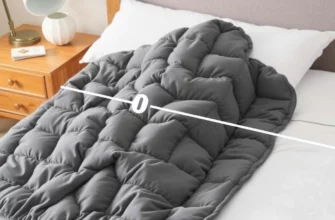
It is a common mistake to buy a weighted blanket based on the size of your mattress. Unlike a standard comforter, a weighted blanket should cover your body, not hang over the edges of the bed; if the blanket hangs over, gravity will pull the weight toward the floor, causing it to slide off during the night.
For a single sleeper on a queen bed, a 60×80 inch blanket is usually the perfect fit, providing full coverage from neck to toe. When considering king size weighted blanket dimensions, look for options that allow for individual use, as sharing a weighted blanket can be difficult unless both partners have identical weight preferences.
A 6-pound weighted blanket is often the sweet spot for travel or office use. These smaller dimensions are perfect for draping over the shoulders or legs during high-stress work sessions, providing the benefits of DTP without the bulk of a full-sized bed covering.
Top-Rated Brands and Real-World Reviews
The market for cooling weighted blankets has expanded from niche medical suppliers to major big-box retailers. While this has lowered the entry price, the quality of the “cooling” technology varies significantly between budget-friendly and premium brands.
Analyzing the silk and snow weighted blanket reddit threads reveals a strong preference for hand-knitted designs that use massive loops for airflow. However, technical fabric blankets like those from Rocabi or specialized Coolmax lines offer a traditional look with more advanced moisture-wicking properties.
| Brand / Model | Pros | Cons |
|---|---|---|
| Silk and Snow (Knit) | Beautiful aesthetic; zero fill shifting because there are no beads. | Very expensive; can be difficult to wash and dry due to thickness. |
| Target (Sherpa/Frozen) | Very affordable; widely available for quick pickup. | Sherpa versions can be excessively hot for summer use; durability is lower. |
| Rocabi Coolmax | Excellent moisture-wicking; includes a removable, washable cover. | Higher price point; technical fabric has a “synthetic” feel some dislike. |
| Generic Amazon Options | Lowest price; wide variety of weights and sizes. | Risk of leaking beads; cooling claims are often exaggerated. |
Target vs. Specialty Brands: What’s Worth the Investment?
Budget options like the Target 50×70 Sherpa weighted blanket are excellent entry points for those unsure if they will enjoy weighted therapy. However, Sherpa is a form of polyester that acts as a powerful insulator; using a Sherpa blanket for night sweats is counterproductive, regardless of the weight.
Specialty brands focus on the longevity of the product. Premium blankets use reinforced double-stitching to ensure that the glass beads remain in their individual pockets. For long-term use, investing in a blanket with a removable Coolmax cover is more cost-effective than replacing a budget blanket once the internal fill begins to leak or bunch.
Durable sleep products are characterized by their ability to withstand the agitation of a washing machine. High-end models often feature internal ties that keep the weighted insert from shifting inside the decorative cover, preventing the “lumpy” feel that plagues cheaper alternatives.
Inside the Blanket: Pellets, Beads, and Construction
The “weight” in a weighted blanket comes from thousands of small grains sewn into quilted pockets. The material of these grains determines the blanket’s profile, noise level, and thermal properties.
Traditional designs used coolmax weighted blanket polypropylene pellets, which are essentially small plastic beads. While effective, plastic is a natural insulator and can hold onto body heat, making the blanket feel warmer over time.
Pellets vs. Glass Beads: Which is Better for Cooling?
Most modern, high-quality weighted blankets have transitioned to using micro-glass beads. These beads are significantly smaller than plastic pellets—roughly the size of grains of sand—which allows them to contour more closely to the body’s natural curves.
From a thermal perspective, glass is superior because it does not retain heat as efficiently as plastic. Glass beads also provide a “silent” experience; plastic pellets can make a rustling sound similar to a bean bag chair when you move. For light sleepers, the silence of glass beads is a critical feature for maintaining deep sleep cycles.
Construction is the final piece of the puzzle. Look for blankets with smaller quilted squares (around 4×4 inches). Smaller pockets ensure even weight distribution and prevent the fill from pooling in one corner, which can cause uneven pressure and discomfort during the night;
Maintenance and Care: Keeping Your Blanket Fresh
Because weighted blankets are heavy and contain technical fibers, they cannot be treated like a standard cotton sheet. Improper washing can destroy the moisture-wicking properties of the Coolmax fibers or, worse, damage your washing machine’s drum.
A reviv weighted blanket washable design usually implies a two-part system: a weighted insert and a removable cover. Always wash the cover frequently and the insert only when absolutely necessary to extend the life of the product.
- Check the Weight Limit: Most home washing machines have a weight limit of 15-20 lbs. Never exceed your machine’s rated capacity, as the centrifugal force of a heavy blanket can break the machine’s suspension.
- Use Cold Water: High temperatures can melt or warp synthetic technical fibers, reducing their ability to wick moisture.
- Avoid Fabric Softeners: Softeners leave a waxy coating on fibers that clogs the moisture-wicking channels in Coolmax fabric.
- Low Heat or Air Dry: If using a dryer, use the lowest heat setting possible. High heat can cause glass beads to degrade the surrounding fabric or cause plastic pellets to clump.
- Spot Clean First: To avoid the wear and tear of a full wash, use a damp cloth and mild detergent to treat small stains on the cover.
Washing Your Coolmax Cover Without Damaging the Tech
Protecting technical fabrics requires a “less is more” approach to chemicals. Use a mild, liquid detergent and avoid bleach, which can break down the polyester chains in the Coolmax yarn. If your blanket does not have a removable cover, taking it to a commercial laundromat with heavy-duty front-loading machines is the safest way to ensure a deep clean without risking your home appliances.
When drying, adding a few clean tennis balls or dryer balls can help keep the fill from clumping. However, the best practice for maintaining the integrity of the fabric is to lay the blanket flat on a drying rack to air dry, ensuring it is fully supported so the weight doesn’t stretch the fabric out of shape.
Where to Buy: Finding Coolmax Blankets Globally
Finding a coolmax weighted blanket uk, canada, or nz has become significantly easier as global shipping and regional warehouses expand. In the United States, major retailers like JC Penney and QVC often carry technical bedding lines that feature Coolmax branding.
For international shoppers, Amazon remains the most reliable source for a variety of weights and sizes, often offering “cooling” versions from brands like Luna or YnM. In Canada, retailers like Sleep Country often stock specialized weighted options, while shoppers in New Zealand and Australia can look to specialty sleep boutiques that focus on hot-sleeper solutions.
When shopping online, always verify that the product uses genuine Coolmax certified fabric rather than just “cooling polyester.” Genuine Coolmax will often feature a blue-and-white tag or explicit mention of the trademarked technology in the product specifications.
In my professional experience as a sleep specialist, I have found that micro-climate management is the single most overlooked factor in sleep hygiene. Many patients suffer from a “rebound effect” where the initial comfort of a weighted blanket causes the body to overheat, triggering a sweat response that wakes them up at 3:00 AM. I always advise my clients that the weight provides the hug sensation necessary for nervous system regulation, but the fabric technology ensures the body doesn’t enter a stress response due to overheating. For those with chronic night sweats or hot flashes, a Coolmax cover isn’t just a luxury—it’s a clinical necessity to keep the core temperature low enough to sustain REM sleep.
Frequently Asked Questions
Yes, the moisture-wicking properties are specifically engineered to keep you dry and comfortable during hot summer months by facilitating rapid evaporation.
How do I choose between a 15 lb and 20 lb blanket?
Aim for 10% of your body weight; however, if you are sensitive to pressure or have joint issues, choose the lighter 15 lb option to avoid feeling trapped.
Are Coolmax weighted blankets safe for kids?
They are safe provided the blanket is no more than 10% of the child’s weight (usually 6-7 lbs) and the child is physically capable of removing the blanket themselves.
What is the best way to wash a weighted blanket with pellets?
Use a removable cover for regular washing. If washing the whole blanket, use a commercial-grade washer and dry on the lowest possible heat to prevent the pellets from clumping.
Does the Silk and Snow weighted blanket use Coolmax technology?
No, Silk and Snow uses a hand-knitted cotton design. While it is very breathable due to the open weave, it relies on airflow rather than technical moisture-wicking fibers.
Why is my weighted blanket making me hot despite the cooling fabric?
Overheating is often caused by wearing non-breathable pajamas like heavy silk or polyester, or by keeping the room temperature above 68 degrees Fahrenheit (20°C).