- The Big Debate: Weighted Blanket Over or Under the Duvet?
- The Case for Placing a Weighted Blanket Under Your Comforter
- Why You Might Put a Weighted Blanket on Top of Your Duvet
- Layering Methods Compared: Finding Your Perfect Sleep Setup
- Solving the Partner Problem: Weighted Blankets for One Side of the Bed
- How to Use a Weighted Blanket for Half the Bed Effectively
- Protecting Your Investment: Weighted Blankets and Duvet Covers
- Securing Your Weighted Blanket Inside a Duvet Cover
- Mistakes to Avoid When Layering Heavy Bedding
- Expert Perspective: Sleep Ergonomics and Weight Distribution
- Frequently Asked Questions
The Big Debate: Weighted Blanket Over or Under the Duvet?
Deciding where to place your weighted blanket involves more than just aesthetics; it directly impacts how the weight interacts with your nervous system․ The choice typically hinges on whether you prioritize maximum sensory feedback or if you struggle with regulating your body temperature throughout the night․
The Case for Placing a Weighted Blanket Under Your Comforter
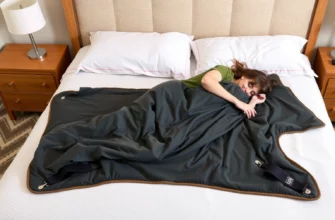
Positioning the weighted layer directly against your body is the preferred method for those seeking the full therapeutic effects of deep pressure touch․ When the blanket sits under the comforter, there are no thick layers of insulation to muffle the force of the glass beads or plastic pellets․ This proximity allows the blanket to contour precisely to the curves of your body, providing the specific sensory input needed to calm the central nervous system․
From a functional standpoint, having the weight closer to the mattress reduces the likelihood of the blanket shifting as you change positions․ The friction between your pajamas or skin and the blanket fabric creates a stable environment that prevents the heavy insert from sliding toward the edges of the bed․ If your goal is to reduce tossing and turning, keeping the weight as the base layer is the most effective strategy․
Furthermore, this arrangement creates a “cocoon effect” that many users find psychologically grounding․ By having the heavy layer underneath a lighter, fluffier comforter, you maintain the traditional look of a made bed while maximizing the physiological benefits of weighted therapy․ This setup is particularly effective during colder months when you want the pressure to remain consistent without the weight being “floated” by the loft of a down duvet․
Why You Might Put a Weighted Blanket on Top of Your Duvet
If you are a “hot sleeper” who frequently experiences night sweats, placing the weighted blanket on top of your duvet is often the superior choice․ This configuration allows for better heat dissipation by creating a buffer zone between your skin and the dense material of the weighted insert․ Many weighted blankets, even those marketed as “cooling,” can trap a significant amount of body heat due to their high density and lack of airflow․
Layering the blanket on top also addresses the “trapped” sensation that some individuals experience when using heavy bedding for the first time․ Having a standard, breathable fabric like cotton or linen directly against your skin provides a familiar tactile experience, while the weight on top offers a gentler, more diffused pressure․ This is an excellent middle-ground for users who want the calming effects of weight but find direct contact too intense or claustrophobic․
Hygiene is another practical reason to choose the top-layer approach․ By keeping the weighted blanket away from direct skin contact, you significantly extend the time between necessary washes for the heavy insert itself․ Since many weighted blankets are difficult to launder due to their mass, using the duvet as a protective barrier simplifies your sleep hygiene routine without sacrificing comfort․
Layering Methods Compared: Finding Your Perfect Sleep Setup
Choosing the right arrangement depends on your personal biology and the current season․ Use the following comparison to determine which layering strategy aligns with your specific sleep needs and environmental conditions․
| Feature | Weighted Blanket Under Duvet | Weighted Blanket Over Duvet |
|---|---|---|
| Pressure Intensity | High; direct contact provides maximum sensory input․ | Moderate; pressure is muffled by the duvet’s loft․ |
| Thermal Regulation | Warm; traps body heat closer to the skin․ | Cooler; allows for better air circulation and heat escape․ |
| Bed Making | More difficult; requires lifting the duvet to adjust weight․ | Easier; can be folded or spread quickly on top․ |
| Maintenance | Requires frequent washing of the blanket or its cover․ | Stays cleaner for longer; duvet acts as a barrier․ |
| Body Contouring | Excellent; follows every curve of the body․ | Fair; the duvet creates a flatter surface․ |
Solving the Partner Problem: Weighted Blankets for One Side of the Bed
Sharing a bed when only one person desires the sensation of weight can lead to “bedding wars” and disrupted sleep for the other partner․ The most common mistake is attempting to use a king-sized weighted blanket for a single user, which often results in the weight pulling the entire bedding set toward one side․ Instead, utilizing a personal-sized blanket allows for a customized experience that respects your partner’s space․
How to Use a Weighted Blanket for Half the Bed Effectively
To maintain a cohesive look while addressing individual needs, I recommend using a twin-sized weighted blanket placed horizontally across your side of a queen or king bed․ This allows the weight to cover your torso and legs without encroaching on your partner’s territory․ To prevent the blanket from sliding toward the center or off the edge, tuck the outer edge of the weighted blanket under the mattress or secure it between the fitted sheet and the top sheet․
Aesthetics are often a concern when mixing bedding sizes, but you can easily hide the “lopsided” look by placing your standard shared comforter over everything․ When the bed is made, the weighted layer remains invisible, preserving the visual symmetry of the room․ For the best results, select a weighted blanket that is roughly 10% of your individual body weight, rather than a percentage of the combined weight of both sleepers․
If the blanket tends to migrate during the night, consider using “sheet suspenders” or clips to anchor the weighted layer to your side of the mattress․ This ensures that you receive consistent deep pressure stimulation throughout the night without waking up your partner to help you readjust the bedding․ This setup also makes it easier to kick the weight off if you become too warm without affecting the other person’s temperature․
Protecting Your Investment: Weighted Blankets and Duvet Covers
A high-quality weighted blanket is a significant investment in your health, and proper maintenance is required to ensure the internal fill remains evenly distributed․ Because the weight is concentrated, the internal “weighted insert” is subject to much higher gravitational stress than a standard blanket․ Without proper securing mechanisms, the glass beads or pellets will eventually bunch up in the corners, rendering the therapeutic benefits of the blanket useless․
Securing Your Weighted Blanket Inside a Duvet Cover
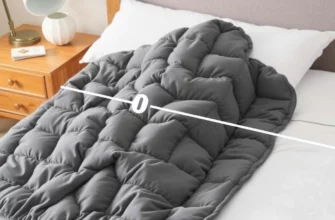
The most critical component of a weighted system is the connection between the blanket and its cover․ Unlike standard duvets, a weighted blanket must be secured with at least 8 to 12 internal anchor ties․ If you use a cover with only four corner ties, the middle of the blanket will sag, creating a heavy lump that is difficult to move and uncomfortable to sleep under․ Always double-check that your cover matches the loop configuration of your specific blanket brand․
Fabric choice also plays a role in how the blanket performs․ A minky or fleece cover provides extra warmth and a soft tactile experience, but it can be too hot for many users․ If you are prone to overheating, opt for a 100% cotton or bamboo duvet cover․ These natural fibers offer superior breathability and moisture-wicking properties, helping to offset the heat-trapping nature of the heavy internal beads․ Bamboo, in particular, is excellent for its thermal-regulating properties․
Regarding maintenance, you should wash the duvet cover as often as your standard sheets (typically once a week)․ However, the weighted insert should only be washed once or twice a year, or spot-cleaned as needed․ Always check the weight capacity of your washing machine before attempting to launder the insert; most residential machines are not designed to handle a 20-pound concentrated load, which can lead to expensive appliance repairs or a broken agitator․
Mistakes to Avoid When Layering Heavy Bedding
Layering multiple heavy items can lead to discomfort or even safety issues if not done thoughtfully․ Avoiding these common pitfalls will ensure your sleep environment remains restorative rather than restrictive․
- Over-stacking for Warmth: Avoid placing a heavy weighted blanket on top of a thick, high-loft down comforter․ The “squish” of the down can make the weight feel unstable and significantly dilute the targeted pressure your body needs for relaxation․
- Ignoring Fabric Friction: Using a silk or satin duvet cover with a weighted blanket often results in the blanket sliding off the bed entirely․ Stick to high-friction fabrics like crisp cotton or linen to keep the layers locked in place․
- Choosing the Wrong Weight for the Layer: If you plan to use the blanket over a duvet, you may need a slightly heavier model (e․g․, 12-15% of body weight) to compensate for the cushioning effect of the lower layers․
- Neglecting Airflow: Combining a polyester weighted blanket with a synthetic comforter creates a plastic-like seal that traps moisture․ Always ensure at least one layer is made of a breathable, natural fiber to prevent waking up in a sweat․
- Improper Distribution: Never fold a weighted blanket in half to “double the weight․” This creates excessive pressure on your joints and can impede circulation during deep sleep․
Expert Perspective: Sleep Ergonomics and Weight Distribution
In my professional experience working with sleep ergonomics, I have observed that many people focus solely on the weight of the blanket while ignoring the physics of spinal alignment․ If you place a very heavy blanket over multiple thick layers of bedding, you actually create a “bridge” effect where the weight is not evenly distributed across your body’s pressure points․ I always advise my clients that the most effective therapeutic setup is placing the weighted blanket directly over a thin flat sheet․ This ensures that the proprioceptive input is delivered directly to the joints and muscles, which is essential for triggering the release of serotonin and melatonin․ If you must layer for warmth, always place the heavy layer as close to the body as comfort allows to avoid “muffling” the neurological benefits․
Frequently Asked Questions
It is likely to slide if both fabrics are smooth․ To prevent this, use a cotton-based duvet cover on the weighted blanket, as the natural texture provides the necessary grip to stay anchored to the comforter below․
Is it safe to put a weighted blanket under a thick down comforter?
It is generally safe for adults, but you run a high risk of overheating․ If you choose this setup, ensure your room temperature is set lower than usual and monitor for signs of night sweats․
Can I use a regular twin comforter cover for my weighted blanket?
While the dimensions may match, a standard cover lacks the internal anchor ties necessary to support the weight․ Without these ties, the blanket will bunch into a ball inside the cover within hours․
What is the best way to use a weighted blanket for only one person in a shared bed?
The most effective method is using a personal-sized twin weighted blanket on your side of the bed․ Place it under the shared comforter to keep the bed looking neat while keeping the weight localized․
Does putting a weighted blanket over a duvet reduce its effectiveness?
Yes, the “loft” or thickness of a duvet acts as a shock absorber․ This muffles the deep pressure stimulation, making a 15-pound blanket feel significantly lighter and less therapeutic than if it were closer to the skin․