- How a Heating Pad Weighted Blanket Combines Pressure and Warmth for Deeper Sleep
- The Science of Sensory Integration: Weight Meets Heat
- The High-Performance Hybrid: Comparing Comfort Options
- Heating Blanket vs. Weighted Blanket: Which Should You Choose?
- Finding the Right Fit: What to Look for in a Heated Weighted Blanket at Target and Beyond
- Safety Features Every Buyer Needs
- Don’t Ruin the Fill: The Correct Way of Washing and Drying a Weighted Blanket
- Preserving the Internal Sensors and Beads
- Advanced Recovery: Is a Weighted Blanket Massager Right for You?
- Vibration Therapy Meets Deep Pressure
- Maximizing Your Investment: Best Practices for Longevity
- Frequently Asked Questions
How a Heating Pad Weighted Blanket Combines Pressure and Warmth for Deeper Sleep
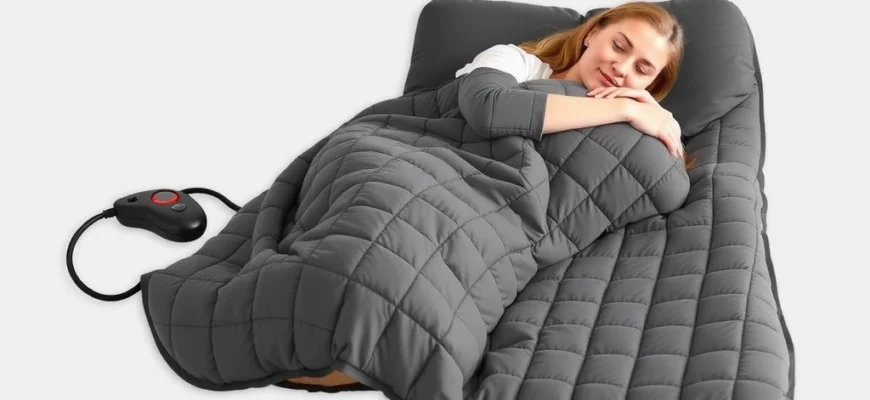
The intersection of thermal therapy and heavy-gauge pressure creates a unique physiological response that a standard blanket simply cannot replicate. By merging these two modalities‚ the body experiences a simultaneous release of tension and a grounding sensation that signals the brain to exit a state of high alert.
This hybrid solution serves as a powerful tool for those struggling with chronic nighttime restlessness or localized physical discomfort. Instead of choosing between the soothing nature of a heating pad and the security of a heavy throw‚ users can now access both in a single‚ integrated wellness product.
The Science of Sensory Integration: Weight Meets Heat
The effectiveness of this combination lies in deep pressure stimulation‚ a therapeutic technique that applies firm but gentle pressure to the body to switch the nervous system from “fight or flight” to “rest and digest.” When the blanket’s weight—often provided by high-density glass beads—presses against the skin‚ it triggers the brain to release serotonin and dopamine while reducing cortisol levels.
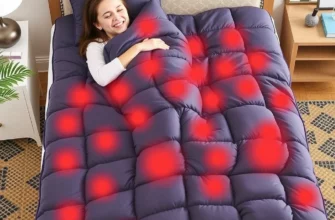
Adding therapeutic warmth to this equation facilitates vasodilation‚ which is the widening of blood vessels. Increased blood flow allows oxygen and essential nutrients to reach tight muscle fibers more efficiently‚ accelerating the repair of micro-tears caused by exercise or daily strain. This dual-action approach is particularly effective for calming the nervous system after a high-stress day‚ as the heat melts away physical knots while the weight provides a sense of environmental security;
The High-Performance Hybrid: Comparing Comfort Options
Choosing the right recovery tool requires an understanding of how different technologies interact with your body’s internal thermostat and pain receptors. While each product has its merits‚ the hybrid heated weighted blanket addresses a broader range of symptoms by consolidating thermal and tactile benefits.
To help you decide which setup aligns with your specific recovery goals‚ consider the primary functional differences outlined in the comparison below.
| Feature | Standard Heating Blanket | Standard Weighted Blanket | Heated Weighted Hybrid |
|---|---|---|---|
| Primary Mechanism | Electric heating elements for surface warmth. | Heavy fill (glass/plastic) for deep pressure. | Internal coils paired with weighted glass beads. |
| Best Use Case | Pre-warming a bed or general chill relief. | Anxiety reduction and sensory grounding. | Chronic pain management and deep insomnia relief. |
| Portability | High; lightweight and easy to fold. | Moderate; heavy and bulky to transport. | Low; requires power and has significant mass. |
| Muscle Recovery | Superficial; helps with stiffness. | Neurological; aids in relaxation. | Comprehensive; treats inflammation and tension. |
Heating Blanket vs. Weighted Blanket: Which Should You Choose?
Standard heating blankets are excellent for thermal regulation‚ but they lack the structural integrity to provide sensory feedback. If your primary struggle is feeling “unprotected” or restless at night‚ a heavy blanket is the superior choice. However‚ weight alone cannot penetrate deep into joints like targeted heat therapy can.
The hybrid model eliminates the need to stack multiple layers‚ which often leads to uneven heat distribution and a cluttered sleeping environment. Always ensure your hybrid model features independent weight distribution pockets so the glass beads don’t shift toward the edges‚ leaving the heating elements exposed and inefficient.
Finding the Right Fit: What to Look for in a Heated Weighted Blanket at Target and Beyond
When shopping at major retailers like Target or specialized wellness outlets‚ the sheer variety of options can be overwhelming. The most important factor is not the aesthetic of the fabric‚ but the internal engineering and safety certifications that govern how the device handles electricity and mass.
Look for brands that offer specific weight tiers rather than a “one size fits all” approach. A blanket that is too light won’t trigger the necessary neurological response‚ while one that is too heavy can lead to morning grogginess or physical strain.
Safety Features Every Buyer Needs
Because these blankets combine electricity with heavy fill‚ safety is paramount. Only purchase products that carry a UL (Underwriters Laboratories) or ETL (Intertek) certification‚ which ensures the electronics have been rigorously tested for fire safety. These certifications are the gold standard for consumer electronics in North America.
Furthermore‚ an auto-shutoff timer is a non-negotiable feature. Most high-quality best heated weighted blanket models will automatically power down after two to three hours. This prevents the risk of low-grade skin burns and ensures that the internal sensors do not overheat while you are in a deep sleep cycle. Breathability is also key; look for “cool-touch” covers that allow body heat to escape even while the electric elements are active.
Don’t Ruin the Fill: The Correct Way of Washing and Drying a Weighted Blanket
Maintaining a heated weighted blanket is significantly more complex than cleaning a standard comforter. The presence of delicate electric wiring and internal glass beads means that high heat is your greatest enemy during the cleaning process. Improper care can melt the insulation on the wires or cause the beads to clump together.
Before you begin‚ always detach the power cord and controller. Never submerge the electrical components in water‚ and check the manufacturer’s tag for specific laundry requirements.
- Spot Clean First: Use a mild detergent and a damp cloth to treat small stains on the outer cover. This extends the life of the internal elements by reducing the number of full wash cycles needed.
- Machine Wash on Delicate: Use a commercial-grade front-loading washer if possible. Agitator-style top-loaders can snag the internal wires. Use cold water and a gentle cycle.
- The Drying Dilemma: Never use high heat in a dryer‚ as this is the most common cause of product failure. The intense heat can compromise the integrity of the glass bead pockets and the wire coatings.
- Air Dry or Low Heat: The safest method is to lay the blanket flat on a clean surface to air dry. If you must use a dryer‚ select the “air fluff” or “no heat” setting. Be prepared for this to take several cycles due to the blanket’s density;
Preserving the Internal Sensors and Beads
High heat is the primary cause of “dead zones” in heated blankets. When the internal sensors are exposed to excessive temperatures in a dryer‚ they may fail‚ rendering the heating function useless. Additionally‚ if your blanket uses plastic poly-pellets instead of glass beads‚ even medium heat can cause the pellets to melt and fuse‚ creating hard‚ uncomfortable lumps.
If the blanket feels damp after a wash‚ do not be tempted to wring it out. Wringing can snap the thin copper wires inside the heating grid. Instead‚ sandwich the blanket between two large towels and press down firmly to absorb excess moisture before laying it out to dry.
Advanced Recovery: Is a Weighted Blanket Massager Right for You?
For those who require more than just heat and weight‚ the market has expanded to include vibrating weighted pads. These devices are specifically engineered to provide percussive or rhythmic stimulation‚ which can be a game-changer for individuals dealing with Restless Leg Syndrome (RLS) or intense post-workout soreness.
The addition of vibration adds another layer of sensory input‚ further distracting the brain from pain signals and promoting a state of deep physical relaxation.
Vibration Therapy Meets Deep Pressure
Vibration-enhanced products are often smaller than full-sized blankets‚ functioning more like weighted lap pads or shoulder wraps. The mechanical vibration helps stimulate lymphatic drainage‚ which is essential for flushing out toxins and reducing swelling in the extremities. This makes them highly popular among athletes who need localized recovery after heavy leg days or long runs.
When choosing between battery-operated and corded models‚ consider your usage patterns. Corded models typically offer more consistent power and stronger vibration settings‚ while battery-operated versions provide the freedom to move around the house. For chronic pain‚ a corded model is usually preferred as it can maintain high-intensity therapy for longer durations without the need for a recharge.
Maximizing Your Investment: Best Practices for Longevity
A high-quality heated weighted blanket is a significant investment in your health. To ensure it lasts for several years‚ you must treat the internal components with care. Unlike a regular blanket‚ the internal “skeleton” of a heated model is fragile and susceptible to damage from improper storage or aggressive handling.
Follow these guidelines to keep your blanket in peak condition and ensure the weight remains evenly distributed for maximum therapeutic effect.
- Avoid Sharp Folds: When storing your blanket‚ roll it loosely rather than folding it into tight squares. Tight creases can kink or break the internal heating elements over time.
- Don’t Sit on the Blanket: Avoid placing heavy objects or sitting directly on top of the blanket while the heat is on. Concentrated pressure can create “hot spots” that damage the fabric and the wiring.
- Keep Pets Away: Claws can easily snag the fabric or‚ worse‚ puncture the internal bead pockets‚ leading to leaks that are nearly impossible to repair.
- Unplug When Not in Use: Always disconnect the blanket from the wall outlet when you are finished. This protects the controller from power surges and extends the life of the electronic components.
- Check Wires Regularly: Periodically inspect the power cord and the area where the cord enters the blanket for signs of fraying or charring.
In my professional experience as a recovery specialist‚ I have observed that the most common mistake users make is selecting a blanket that is too heavy for their frame. While the “10% of body weight” rule is a solid baseline‚ it is critical to ensure the weight doesn’t cause respiratory strain‚ especially for those with existing breathing conditions. Furthermore‚ the micro-climate created between the blanket and your skin can reach high temperatures quickly. I always advise starting on the lowest heat setting to see how your body reacts to the combined load before increasing the intensity. The goal is a steady‚ gentle warmth that promotes blood flow without inducing heavy sweating‚ which can disrupt the sleep cycle you are trying to protect.
Frequently Asked Questions
It is generally not recommended to leave the heat active all night. Always use the auto-shutoff feature to prevent skin irritation or dehydration. The weight is safe for overnight use‚ but the heat should be used primarily to help you fall asleep.
Is it safe to put a weighted blanket in a standard dryer?
Only if you use the “no heat” or “air fluff” setting. High heat can melt plastic pellets and damage electric wiring. Additionally‚ ensure your dryer is rated for the heavy weight of the blanket to avoid damaging the appliance’s motor.
How do I choose the right weight for a heated weighted blanket?
The standard rule is 10% of your total body weight plus one or two pounds. For weighted lap pads used while seated‚ you can often go slightly heavier as the weight is concentrated on a smaller surface area.
Does Target sell weighted blankets with built-in heating?
Yes‚ Target frequently stocks hybrid models in their seasonal bedding or wellness aisles. Popular brands like Threshold and Tranquility often offer these integrated solutions‚ particularly during the colder autumn and winter months.
Are there weighted blankets that also have a massage or vibration feature?
Yes‚ specialized weighted blanket with vibration models exist. These are typically designed as smaller wraps for the neck‚ shoulders‚ or legs and are highly effective for targeting localized muscle spasms and improving circulation.