- Why the Morozko Cold Plunge is Changing How We Think About Ice
- The Difference Between Chilled Water and Real Ice
- Comparing the Heavy Hitters: Morozko vs․ the Odin Cold Plunge
- Design Philosophy: Industrial Strength vs․ Natural Aesthetics
- The Finnish and Icelandic Roots of the Modern Freeze
- Icelandic Hot Springs and the Cold Contrast
- Banyas and Misogi: The Russian and Japanese Approaches
- Spiritual Purification through the Japanese Cold Plunge
- Building a Sustainable Ritual Cold Plunge Practice
- Morning Routine or Evening Recovery?
- Safety First: Avoiding Common Cold Water Mistakes
- Managing the Afterdrop and Warming Up Correctly
- Frequently Asked Questions
Why the Morozko Cold Plunge is Changing How We Think About Ice
For years, the home cold plunge market was dominated by modified chest freezers and insulated stock tanks․ The Morozko Forge disrupted this landscape by introducing a system that doesn’t just chill water, but actually produces its own ice․
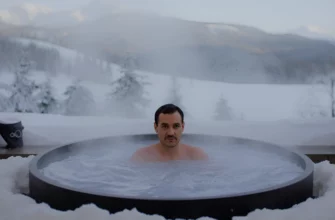
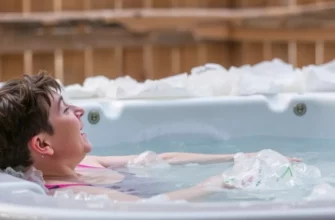
Stepping into a Morozko feels fundamentally different than dipping into a standard chilled tub․ There is a specific, visceral reaction the brain has when it sees thick sheets of ice floating on the surface of the water, signaling a level of intensity that simple cold water cannot match․
The experience is designed to be a bridge between the convenience of modern technology and the raw power of a frozen lake․ By maintaining a constant layer of ice, the system ensures that the water is always at the absolute physical limit of liquid coldness, providing a consistent stimulus for the body every single time․
The Difference Between Chilled Water and Real Ice
Most high-end chillers struggle to keep water at 34 degrees Fahrenheit when a warm human body enters the tank․ The Morozko handles this by using the latent heat of the ice itself; as you enter, the ice begins to melt, absorbing your body heat far more efficiently than water alone ever could․
This constant ice production mimics the natural environment of an “Avanto” or ice hole․ Beyond the physics of cooling, there is a profound psychological impact․ Seeing ice cubes or sheets against your skin forces a higher level of mental presence, which is the cornerstone of effective deliberate cold exposure․
When you are looking for how to reduce inflammation, the consistency of the temperature matters․ A system that fluctuates by five degrees won’t trigger the same metabolic response as one that is locked at the freezing point․ This stability is why many professional athletes view the “Forge” as the gold standard for recovery and staying safe after a cold plunge by ensuring the environment is controlled․
Comparing the Heavy Hitters: Morozko vs․ the Odin Cold Plunge
Choosing between the Morozko and the Odin often comes down to a choice between industrial power and organic beauty․ While both offer world-class cooling, their design philosophies cater to very different types of home wellness spaces․
The Odin is frequently praised for its aesthetic integration into the home․ Using genuine cedar siding and a stainless steel liner, it looks more like a piece of high-end furniture than a piece of laboratory equipment․ It appeals to those who want their recovery ritual to feel connected to the earth and natural materials․
| Feature | Morozko Forge | Odin Cold Plunge |
|---|---|---|
| Cooling Method | Active Ice Production | Powerful Compressor Chiller |
| Primary Material | Marine-Grade Stainless Steel | Western Red Cedar & Stainless Steel |
| Filtration | Ozone + 5-Micron Filter | Ozone + Pleated Paper Filter |
| Best For | Extreme Cold Seekers | Aesthetic Home Integration |
| Maintenance | Low (Self-Cleaning Ozone) | Moderate (Wood Care + Filter) |
Design Philosophy: Industrial Strength vs․ Natural Aesthetics
The Odin uses the natural insulation properties of cedar to maintain temperatures, which is a nod to traditional Scandinavian design․ This setup is often the best home setup for those living in warmer climates where a metal exterior might become hot to the touch if placed outdoors․
In contrast, the Morozko leans into a “tech-forward” look․ Its filtration system is robust, often utilizing advanced ozone disinfection that keeps the water crystal clear for months without the need for heavy chemicals․ This makes it a ritual cold plunge choice for the user who prioritizes low-maintenance reliability over wood-grain finishes․
If your goal is rapid cooling after a workout, both units excel, but the Odin’s cooling speed is remarkably efficient for a non-ice-making unit․ However, the Morozko remains the only choice for those who believe that if there isn’t ice, it isn’t a real plunge․ Your decision should rest on whether you value the “crunch” of the ice or the “scent” of the cedar․
The Finnish and Icelandic Roots of the Modern Freeze
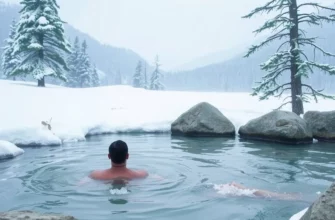
Modern cold plunging isn’t a new fad; it is a clinical refinement of practices that have existed for over a millennium․ In Finland, the “Avanto” or ice-hole swim is a cultural cornerstone, often paired with the intense heat of a wood-fired sauna․
The Nordic tradition isn’t about “biohacking” in the modern sense․ It is a social and communal activity․ Finns often view the shock of the cold as a way to reset the nervous system and foster a sense of “Sisu,” a unique Finnish term for stoic determination and grit in the face of hardship․
In Iceland, the tradition takes a slightly different form due to the island’s unique geology․ With an abundance of geothermal energy, Icelanders have perfected the art of contrast therapy, moving between boiling hot springs and the frigid North Atlantic or glacial runoff streams․
Icelandic Hot Springs and the Cold Contrast
Icelandic people view cold water not as a punishment, but as a source of “Ný orka” or new energy․ The practice of “Laugavegur” (the path of the springs) involves alternating between 104°F water and 38°F water, which creates a powerful “vascular pump” effect throughout the body․
This scandinavian cold plunge methodology is designed to flush the lymphatic system․ By forcing the blood vessels to rapidly constrict and then dilate, practitioners accelerate the removal of metabolic waste from muscle tissue․ This is why many Icelandic athletes rarely suffer from the chronic inflammation seen in high-impact sports elsewhere․
When adopting an icelandic cold plunge style, the focus is on the transition; The “magic” happens in the seconds between the heat and the cold, where the body’s survival mechanisms are fully engaged․ This ancient wisdom is exactly what modern units like the Morozko seek to replicate in a backyard setting․
Banyas and Misogi: The Russian and Japanese Approaches
Moving East, the traditions of the Russian Banya and the Japanese Misogi ritual provide a more spiritual and intense framework for cold exposure․ In Russia, the cold plunge is the essential climax of the Banya session, where the body is heated to extreme temperatures using steam and “venik” (leafy bundles of birch or oak)․
The Russian approach is famously vigorous․ It is not uncommon for practitioners to run directly from a 200-degree room into a snowbank or a hole cut into a frozen river․ This massive thermal swing is believed to “temper” the body like steel, making it resistant to disease and emotional stress․
Myth: You must stay in the cold for at least ten minutes to see benefits․
Fact: The most significant hormonal and vascular responses occur within the first two to five minutes․ Staying in longer can actually lead to excessive cortisol spikes and dangerous core temperature drops․
Spiritual Purification through the Japanese Cold Plunge
In Japan, the practice of “Misogi” involves standing under freezing waterfalls or submerging in cold baths (Mizufuro) as a form of Shinto purification․ Unlike the boisterous Russian banya, the Japanese cold plunge is rooted in silence, breath control, and mental stillness․
The goal of Misogi is to wash away “kegare” (impurities) of both the body and the mind․ When you enter a russian cold plunge, the focus is often on the physical endurance; in a japanese cold plunge, the focus is on becoming one with the water․ This requires a profound level of vagus nerve stimulation and diaphragmatic breathing․
Practitioners are taught to exhale slowly as they enter the water to override the “gasp reflex;” By controlling the breath, they signal to the brain that they are safe, even in a life-threateningly cold environment․ This mental training is perhaps the most valuable takeaway for any modern user of a home cold plunge tub․
Building a Sustainable Ritual Cold Plunge Practice
Owning a high-end machine like a Morozko or an Odin is only half the battle․ The real benefits come from the consistency of the practice․ To turn a piece of equipment into a lifestyle, you must treat the plunge as a non-negotiable ritual rather than a chore․
A “ritual cold plunge” implies a set of behaviors that prepare the mind for the shock․ This might include five minutes of box breathing, a specific playlist, or a post-plunge movement flow․ The goal is to reduce the friction of the “inner bitch”—that voice in your head that tells you it’s too cold to get in today․
- Set a consistent time: The body’s circadian rhythm responds well to a daily cold water habit, ideally shortly after waking up․
- Monitor the “Minimum Effective Dose”: Aim for 11 total minutes per week, spread across 3 or 4 sessions, to maximize brown fat activation․
- Focus on the Exhale: Never hold your breath upon entry; long, slow exhales are the key to calming the sympathetic nervous system․
- End on Cold: If you are doing contrast therapy, always finish with the cold plunge to ensure your body has to work to warm itself back up․
Morning Routine or Evening Recovery?
The timing of your plunge should align with your specific goals․ A morning plunge creates a massive spike in dopamine and norepinephrine that can last for hours, providing a level of focus and energy that rivals any cup of coffee․ This makes it the ultimate “anchor” for a productive day․
Conversely, using a plunge in the evening can be tricky․ While it can help with muscle recovery after a late workout, the increase in core body temperature (as the body fights back against the cold) can sometimes interfere with sleep․ If you plunge at night, ensure you have at least two hours to cool down before hitting the sheets․
Regardless of when you do it, the mental preparation is paramount․ Visualize the water before you touch it․ Accept the fact that it will be uncomfortable․ By “choosing” the hardship before it happens, you build a level of mental toughness that carries over into every other area of your life․
Safety First: Avoiding Common Cold Water Mistakes
While deliberate cold exposure is incredibly beneficial, it is not without risks․ The most dangerous phase is not the plunge itself, but the period immediately following it․ This is where the phenomenon known as “afterdrop” occurs․
Afterdrop happens when the blood vessels in your arms and legs begin to open back up (vasodilation)․ The cold blood from your extremities rushes back to your core, causing your internal temperature to continue dropping even after you are out of the water․ This can lead to intense shivering and dizziness if not managed correctly․
- DO: Use the “Horse Stance” (a wide-legged squat with arm movements) to generate internal metabolic heat through large muscle groups․
- DO: Dry off and layer up immediately with wool or fleece to trap the heat your body is producing․
- DON’T: Jump into a hot shower immediately․ This can cause a rapid drop in blood pressure and potentially lead to fainting․
- DON’T: Plunge alone if you are testing new, lower temperatures or longer durations․ Always have a spotter or a way to signal for help․
- DO: Listen to your skin․ If you experience “the “umbles” (stumbling, fumbling, mumbling), it is a sign of early-stage hypothermia and you must exit immediately․
Managing the Afterdrop and Warming Up Correctly
The best way to warm up is naturally․ Your body has a built-in furnace—brown adipose tissue—that is designed to burn calories to create heat; By allowing yourself to shiver slightly, you are actually strengthening your metabolic health and increasing your “cold thermogenesis” capabilities;
Breathing through the shock is the only way to stay safe after a cold plunge․ If you find yourself gasping uncontrollably, the water is too cold for your current tolerance level․ Success is measured by your ability to stay calm, not by how many minutes you can suffer․ Gradually lowering the temperature over several weeks is far more effective than trying to be a hero on day one․
In my professional experience, the most profound transformations I see in practitioners have nothing to do with muscle recovery or inflammation․ While the technology of the Morozko is an engineering marvel, the real benefit is the cultivation of “voluntary hardship․” By choosing to step into freezing water every morning, you are training your brain to stay calm in the face of stress․ This builds a neurological buffer against the anxieties of daily life․ I always advise my clients that the equipment is just a tool; the discipline of showing up when you don’t want to is where the true medicine lies․ If you can handle the ice, you can handle the boardroom, the difficult conversation, or the personal setback with much greater ease․
Frequently Asked Questions
Yes, because the Morozko includes integrated ozone filtration and electrical safety grounding, which are often missing in DIY setups; It also produces its own ice, ensuring the water is consistently at 32-34°F without the hassle of buying bags of ice․
How long should I stay in an Odin cold plunge for the best results?
For most users, the sweet spot is 2 to 5 minutes․ Research suggests that the metabolic and hormonal benefits plateau after this window, and staying in longer significantly increases the risk of a dangerous afterdrop․
What makes the Russian cold plunge different from others?
The Russian tradition is defined by extreme contrast․ It is almost always performed immediately after a high-heat Banya session, using the cold as a brief, intense shock to “temper” the immune system and the vascular walls․
Can I achieve the benefits of a Scandinavian cold plunge with just a cold shower?
While showers are a great “gateway,” they do not provide hydrostatic pressure or full-body immersion․ A full plunge triggers a much more significant surge in norepinephrine and a more complete vagus nerve response than a shower can offer;
What is the ritual cold plunge philosophy?
It is the belief that the plunge should be a mindful, intentional practice․ This involves specific breathing techniques, mental visualization, and a focus on the transition out of the water, treating the event as a holistic health protocol rather than a quick fix․
How do I keep my water clean in a home cold plunge tub?
Systems like the Morozko and Odin use ozone generators and high-micron filters to kill bacteria and remove debris․ You should still rinse off before entry and change the pleated filter every 1-3 months depending on usage frequency․