- What exactly is a Wim Hof cold plunge?
- The science of the Wim Hof method cold plunge
- Mastering the Wim Hof breathing technique before your cold plunge
- The pre-plunge oxygenation cycle
- The physical Wim Hof cold plunge technique: From entry to exit
- Controlled entry and the first 30 seconds
- Safety first: How long should your Wim Hof cold plunge time be?
- Recognizing your bodys limits
- Warming up: Wim Hof breathing after a cold plunge
- The Horse Stance and natural heat generation
- Common pitfalls and how to avoid them
- Expert Perspective: Cold Adaptation and the Inner Ski
- Frequently Asked Questions
What exactly is a Wim Hof cold plunge?
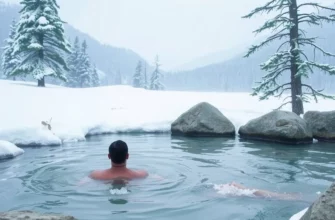
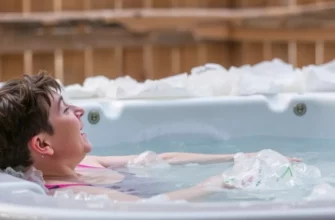
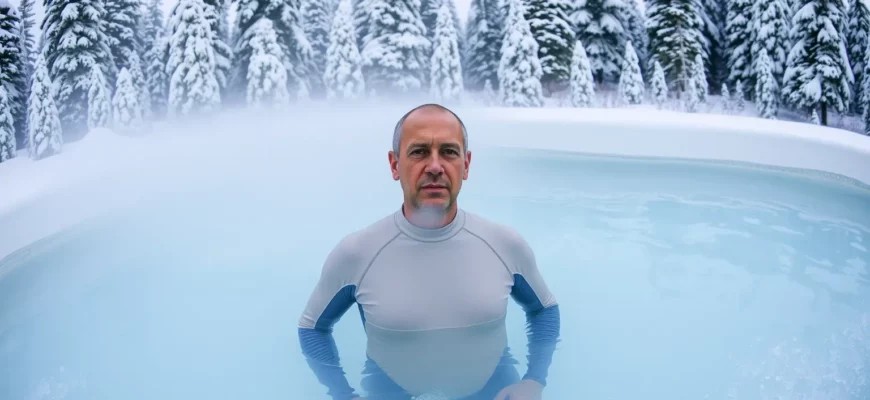
A Wim Hof cold plunge is far more than just sitting in a tub of ice; it is a deliberate practice of environmental conditioning that serves as a pillar of the Wim Hof Method. By combining specific breathing techniques, mindset commitment, and cold exposure, you are essentially training your vascular system to respond with precision to external stressors.
When your skin first makes contact with the ice water, your body undergoes an immediate and profound physiological shift. Instead of viewing this as a battle against the elements, the method teaches you to observe how your body handles the cold, moving from a state of panic to one of controlled, quiet strength.
The science of the Wim Hof method cold plunge
The magic of the cold plunge lies in the concept of hormetic stress, which is a beneficial type of stress that stimulates cellular repair and biological resilience. When you enter the water, your body experiences a massive epinephrine release, spiking your adrenaline levels higher than almost any other natural activity, which immediately sharpens your focus and suppresses systemic inflammation.
This process is an incredible tool for building mental toughness because it requires you to override the primal urge to flee. By staying in the water, you are manually taking control of your autonomic nervous system, teaching your brain that you can remain calm even when your internal alarm bells are screaming. This practice effectively tones the vagus nerve, which is responsible for how to reduce inflammation throughout the body and how quickly you can return to a resting state after a stressful event.
Furthermore, regular exposure to these temperatures encourages the development of brown adipose tissue (BAT). Unlike standard white fat, brown fat is thermogenic, meaning it burns glucose and white fat to generate heat. Over time, this metabolic shift makes you more efficient at regulating your own body temperature, turning the cold from an enemy into a familiar training partner.
Mastering the Wim Hof breathing technique before your cold plunge
Think of the breathing exercises as a remote control for your nervous system. By performing controlled hyperventilation before you ever touch the water, you are chemically altering your blood chemistry—increasing its alkalinity and temporarily suppressing the carbon dioxide levels that trigger the urge to breathe; This preparation creates a physiological buffer that helps you manage the initial cold shock response.
Never perform the Wim Hof breathing technique while inside the water or even near a body of water. There is a significant risk of a shallow water blackout, where a sudden loss of consciousness can lead to drowning. Always practice these cycles while sitting or lying down in a completely safe, dry environment before you begin your session.
- Find a safe space: Sit or lie down in a comfortable position where you can fully relax your muscles without any risk of falling.
- The Power Breaths: Take 30 to 40 deep, rhythmic breaths. Inhale fully through the nose or mouth, and exhale unforced through the mouth. You should feel a tingling sensation or lightheadedness as your oxygen levels peak and CO2 drops.
- The Breath Retention: After the final exhale, hold your breath for as long as feels comfortable. Do not force it; the goal is to observe the stillness of your body in this high-oxygen, low-CO2 state.
- The Recovery Breath: When you feel the urge to breathe, take one massive inhale and hold it for 15 seconds. This “squeezes” the oxygen into your tissues and resets your system, getting you into the right headspace for the ice.
- Repeat: Complete 3 to 4 rounds of this cycle to fully saturate your system before heading to the plunge area.
The pre-plunge oxygenation cycle
The pre-plunge oxygenation cycle is about more than just air; it is about changing your internal chemistry to handle vasoconstriction. During the retention phase, your heart rate slows, and your body enters a state of deep calm. This is the moment to visualize the water and set your intention, ensuring that your first step into the ice is a conscious choice rather than a reactive jump.
By using wim hof breathing before cold plunge sessions, you are effectively “priming the engine.” The increased blood pH makes your nerves less sensitive to the immediate “sting” of the cold, allowing you to bypass the initial panic and move straight into the meditative phase of the experience. It is the difference between being a victim of the temperature and being the master of your response.
The physical Wim Hof cold plunge technique: From entry to exit
Entering the water is the moment of truth where your preparation meets reality. The goal is a transition from the violent gasp reflex to a state of rhythmic, calm stillness. Sensory awareness is key here; you will feel the water “crushing” against your skin as your peripheral blood vessels constrict to protect your vital organs, a process known as the mammalian dive reflex.
Instead of tensing your muscles—which traps stress in the body—try to “soften” into the cold. Imagine the cold water is not something hitting you, but something you are merging with. The more you relax your shoulders and jaw, the faster your heart rate will stabilize, and the sooner the water will stop feeling “sharp” and start feeling “heavy.”
Controlled entry and the first 30 seconds
The first 30 seconds are the most critical. As you step in, focus on a long, slow exhale. This signals to the brain that there is no immediate threat, helping to suppress the sympathetic nervous system’s fight-or-flight response. Submerge yourself up to the neck as quickly as possible without splashing, as leaving the chest exposed often prolongs the shivering and makes managing the initial shock much harder.
Once you are submerged, keep your hands tucked into your armpits or resting on your thighs to protect the smaller joints. Focus entirely on your wim hof cold plunge breathing technique: slow, deep, and steady. If you find yourself hyperventilating, lengthen your exhalation to double the length of your inhalation. This simple mechanical shift forces your heart rate to drop and brings your mind back into the present moment.
Safety first: How long should your Wim Hof cold plunge time be?
In the world of cold exposure, the “more is better” mindset is a dangerous fallacy that can lead to nerve damage or severe hypothermia. The goal is to reach a state of hormetic stress, not to push your body into a state of total exhaustion. For the vast majority of people, the metabolic and immune benefits peak within a very short window.
| Experience Level | Recommended Time | Water Temperature |
|---|---|---|
| Absolute Beginner | 30 ౼ 60 Seconds | 12°C ౼ 15°C (53°F ౼ 59°F) |
| Intermediate | 2 ⎼ 3 Minutes | 5°C ౼ 10°C (41°F ⎼ 50°F) |
| Advanced | 3 ౼ 5 Minutes | 0°C ౼ 4°C (32°F ⎼ 39°F) |
It is vital to understand that staying in past 5 minutes rarely provides additional health benefits but significantly increases the risk of a dangerous afterdrop. Chasing a wim hof cold plunge record is a recipe for disaster; your body’s ability to adapt changes daily based on sleep, diet, and stress levels. Always prioritize the quality of your breath over the minutes on the clock.
Recognizing your bodys limits
You must learn to distinguish between the “bite” of the cold and the symptoms of genuine distress. Normal shivering is a sign that your thermogenic systems are working, but violent, uncontrollable shaking or a loss of manual dexterity in your fingers are signs that you should exit immediately. If your skin turns from red to a ghostly white or grey, you have stayed in too long.
The 2-minute threshold is often cited because it is the approximate time required for the blood to circulate fully and for the brown adipose tissue to begin active heat production. Once you hit this mark and your breathing is calm, you have achieved the primary goals of the session. Listening to your body is a skill; if your intuition tells you to get out at 90 seconds, obey it without ego.
Warming up: Wim Hof breathing after a cold plunge
The period immediately following the plunge is just as important as the time spent in the water. This is when the afterdrop effect occurs: as you begin to warm up, the blood vessels in your extremities dilate, sending cold blood back to your core. This can cause your internal temperature to continue dropping even after you are in a warm environment, leading to intense shivering and dizziness.
Do not take a hot shower immediately after a cold plunge. The sudden heat can cause rapid vasodilation, leading to a drop in blood pressure that might cause you to faint. Instead, you should focus on recovering from the cold naturally by using your own metabolic fire to generate heat from the inside out.
- The Horse Stance: Stand with your feet wider than shoulder-width, knees bent, and back straight. Slowly move your arms in a circular motion while breathing deeply. This engages the large muscle groups to generate heat.
- Dry off quickly: Remove wet clothes immediately and pat yourself dry. Do not rub the skin vigorously, as it is fragile and cold-numbed.
- Layer up: Put on loose, warm clothing, focusing on covering your head and core first.
- Sip warm liquids: A warm (not boiling) tea or water can help raise your core temperature gently.
- Mindful breathing: Continue using wim hof breathing after cold plunge sessions to keep your focus internal and maintain the mental clarity you gained in the ice.
The Horse Stance and natural heat generation
The Horse Stance is more than just a physical pose; it is a moving meditation that forces blood into the large muscles of the legs. By performing slow, deliberate movements, you are encouraging the heart to pump blood back into the extremities without the shock of external heat. This slow circulation helps mitigate the afterdrop by ensuring the temperature transition is gradual.
Focus your mind on your core, imagining a glowing coal in your abdomen that spreads warmth with every breath. This visualization, combined with the physical exertion of the stance, helps you regain your baseline temperature much faster than sitting still or shivering under a blanket. It completes the cycle of mental resilience, proving that you have the power to both cool down and heat up through sheer will.
Common pitfalls and how to avoid them
Many beginners approach the cold plunge with an “all or nothing” attitude that can lead to burnout or injury. Consistency will always beat intensity; Plunging once a month for ten minutes is far less effective—and much more dangerous—than plunging three times a week for two minutes.
Critical Warning: Never plunge alone, especially in open water. Always have a “spotter” who knows your planned duration and can assist you if you experience signs of confusion or physical distress.
- Ego-driven timing: Do not stay in just because someone else is. Your physiology is unique to you today.
- Improper breathing: Avoid holding your breath or taking sharp, shallow gasps. Keep the exhale long and controlled to maintain nervous system balance.
- Skipping the warm-up: The session isn’t over until you are warm again. Neglecting the Horse Stance or natural movement can leave you feeling lethargic and cold for hours.
- Inconsistency: Cold adaptation is a “use it or lose it” skill. Aim for 11 minutes of total weekly exposure to maintain the metabolic benefits of brown fat activation.
- Poor location choice: Practice your breathing in a safe, dry spot. Doing the breathing rounds while standing on a slippery pool deck is a major safety hazard.
Expert Perspective: Cold Adaptation and the Inner Ski
In my professional experience, the biggest hurdle for practitioners is the mental desire to “fight” the water. I always advise my students to view the cold as a mirror rather than an opponent. If you enter the ice with tension, the ice will reflect that tension back to you as pain. However, if you use your breath to surrender to the sensation, the cold becomes a profound source of stillness. I’ve found that the “Inner Ski” concept—the idea that you are gliding through the intensity rather than crashing into it—is the secret to long-term consistency. Remember, the goal isn’t to see how much you can suffer; it’s to see how much you can remain yourself in the face of discomfort.
Frequently Asked Questions
Absolutely not. This is a critical safety rule. Hyperventilating while submerged can cause a sudden loss of consciousness, leading to drowning. Always complete your breathing exercises on dry land in a safe, seated position before entering the water.
What is the ideal temperature for a Wim Hof cold plunge?
For most practitioners, any temperature below 15°C (59°F) is enough to trigger the beneficial cold shock response. Beginners should start around 10-12°C and only move toward near-freezing levels as their body becomes more adapted to the stress.
How many times a week should I plunge?
Current research suggests that 11 minutes of total cold exposure per week is the “sweet spot” for health benefits. This is best achieved by splitting the time into 2 to 3 sessions of 3-4 minutes each, rather than one long, dangerous session.
Should I hold my breath when I first enter the ice water?
No. Holding your breath creates internal tension and increases your blood pressure. Instead, focus on a long, slow, and deliberate exhale as you submerge. This signals to your brain that you are safe and helps you regain control over the gasp reflex.
Why am I shivering so much after the plunge?
Shivering is your body’s natural way of generating heat through rapid muscle contraction. It is a normal part of the thermogenic process. To manage it, use the Horse Stance and focused breathing to help your body regain its baseline temperature naturally.