- Can you get sick from cold plunge? Understanding the immune response
- Can you get pneumonia from cold plunge sessions?
- Common Misconceptions: Cold Plunge Myths vs. Reality
- When cold plunging becomes dangerous: Hypothermia and cardiac stress
- Can a cold plunge kill you? The reality of cold shock
- Why do my feet, legs, and ankles hurt in the cold water?
- Managing cold-induced headaches and brain freeze
- Safety Checklist: How to Plunge Without Getting Hurt
- Navigating unique concerns: Implants, periods, and digestion
- Is it ok to cold plunge on your period?
- Daily habits: Is it healthy to cold plunge every day?
- Why cold plunge makes you tired instead of energized
- Frequently Asked Questions
Can you get sick from cold plunge? Understanding the immune response
There is a common misunderstanding that exposure to cold water directly causes the common cold or the flu. In reality, these are viral infections, and ice water does not contain viruses. However, the relationship between extreme cold and your immune system is a complex biological balancing act that involves hormonal shifts and metabolic stress.
When you submerge your body in water below 55°F, your system enters a state of acute stress, triggering a massive release of norepinephrine and cortisol. While short-term “hormetic” stress can strengthen the immune system over time, overexposure can temporarily suppress your white blood cell activity, creating a brief window where you might be more susceptible to pathogens already present in your environment.
It is helpful to view cold plunging as a workout for your regulatory systems. Just as lifting heavy weights causes micro-tears in muscle that heal stronger, cold immersion challenges your thermal regulation. If you are already feeling “run down” or fighting an early-stage infection, plunging can divert energy away from your immune defense to maintain your core body temperature, potentially making your symptoms worse.
Can you get pneumonia from cold plunge sessions?
Pneumonia is typically caused by bacteria, viruses, or fungi entering the lungs, but cold water immersion presents a specific physical risk known as the “gasp reflex.” When you first hit the water, your body’s involuntary reaction is to take a sharp, deep breath. If your head is submerged or if splashback occurs during this moment, you can accidentally inhale water into your lungs, leading to aspiration pneumonia.
To avoid respiratory issues, you must focus on controlling your entry and keeping your airway clear until the initial shock subsides. While the cold itself won’t freeze your lungs, the extreme physiological strain can weaken the lung’s mucosal barriers if you are already compromised. If you have a history of respiratory weakness, always keep your chest and shoulders above the water line during the first sixty seconds of the session.
Common Misconceptions: Cold Plunge Myths vs. Reality
The internet is flooded with conflicting information about ice baths, ranging from “miracle cure” claims to “death trap” warnings. Separating the biological facts from the viral myths is essential for anyone looking to incorporate this practice into a long-term wellness routine.
Myth: You need to stay in for 10+ minutes to see any real health benefits.
Reality: Research suggests the minimum effective dose is often just 11 minutes per week, spread across multiple sessions. Staying in too long increases the risk of hypothermia without adding significant metabolic advantages.
Myth: Cold plunging is the fastest way to cure an active fever or flu.
Reality: Forcing your body to regulate its temperature during a fever places an extreme burden on your heart and metabolic system. If you are sick, rest is superior to cold shock.
Myth: You should hold your breath when you first enter the water.
Reality: Holding your breath can increase internal pressure and lead to fainting. Focus on long, slow exhalations to signal to your nervous system that you are safe.
When cold plunging becomes dangerous: Hypothermia and cardiac stress
The most significant risks of cold water immersion aren’t viral; they are cardiovascular and thermal. The moment you enter the water, your peripheral blood vessels constrict violently to push blood toward your vital organs. This causes an immediate and sharp rise in blood pressure and heart rate, which can be catastrophic for individuals with undiagnosed heart conditions or hypertension.
Hypothermia is another progressive risk that many beginners underestimate. It doesn’t happen instantly, but the “afterdrop” effect means your core temperature continues to fall even after you have exited the water and dried off. This happens because cold blood from your extremities begins to circulate back to your core once you start to warm up, potentially leading to dizziness, confusion, or even heart arrhythmias well after the session has ended.
Can a cold plunge kill you? The reality of cold shock
While extremely rare in controlled environments, deaths have occurred during cold water immersion, primarily due to the “Cold Shock Response.” This is an involuntary physiological panic that can cause a sudden heart attack or lead to “swim failure,” where your muscles become too stiff to move, leading to drowning if you are in deep water or plunging alone.
To stay safe, you must prioritize gradual acclimation rather than testing your willpower. Never jump into an ice bath headfirst, as the sudden impact of cold water on the face triggers the “mammalian dive reflex,” which can compete with the cold shock response and cause the heart to stop. Always have a way to exit the water immediately and never use a lid or cover that could trap you inside the tub.
Why do my feet, legs, and ankles hurt in the cold water?
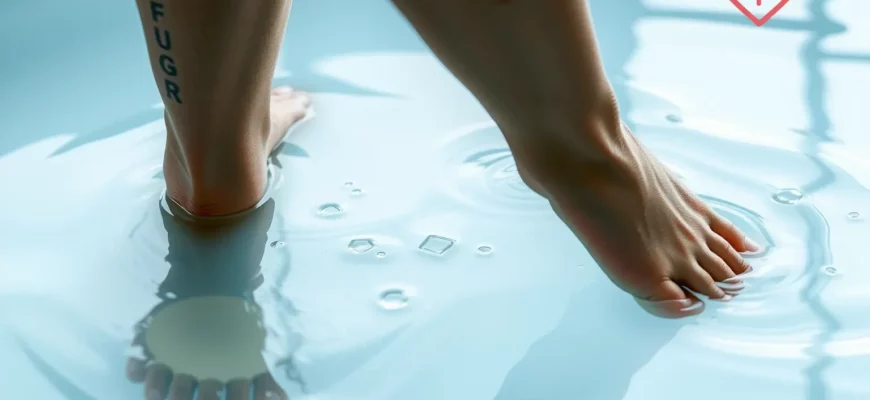
Many practitioners report a “bone-aching” pain or a sharp burning sensation in their feet and ankles. This isn’t usually a sign of injury, but rather a result of extreme vasoconstriction. Because your hands and feet have a high surface-area-to-volume ratio and very little insulating fat, the blood flow is cut off almost entirely to preserve heat for your torso.
This process triggers nociceptors (pain receptors) that interpret the extreme cold as a physical threat. If the pain becomes unbearable or if your skin turns white and “waxy,” you must exit the water to prevent frostnip. To manage this discomfort, some users wear neoprene booties, which allow them to stay in the water longer without the distracting pain in their extremities.
Managing cold-induced headaches and brain freeze
If you submerge your head or allow cold water to hit the back of your neck, you may experience a “cold-stimulus headache.” This is identical to a brain freeze from eating ice cream and occurs because the blood vessels in the head rapidly constrict and then dilate. For some, this can trigger a full-blown migraine or temporary disorientation.
To avoid passing out or losing your focus, keep your head and neck above the water line for the majority of the plunge. If you want to dunk your head, do it at the very end of the session for only a second or two. This prevents the sustained cooling of the cranial nerves and reduces the risk of vasovagal syncope (fainting) while in the water.
Safety Checklist: How to Plunge Without Getting Hurt
Consistency is key to cold water adaptation, but safety must always come first. Use this checklist before every session to ensure you are minimizing risk and maximizing the physiological benefits of the cold.
- Check your environment: Ensure the floor around your tub is non-slip. Falling while your muscles are stiff from the cold is a leading cause of injury.
- Never plunge alone: Always have a “spotter” or someone nearby who knows you are in the water in case you experience a sudden cramp or loss of consciousness.
- Set a timer: Do not rely on your internal clock. The cold can warp your perception of time; set a hard limit of 3 to 5 minutes for most sessions.
- Breathe intentionally: Before entering, take three deep breaths. Once inside, focus on a 4-second inhale and an 8-second exhale to calm the vagus nerve.
- Have a rewarming plan: Have a towel, warm clothes, and a hot beverage ready. Do not jump straight into a hot shower, as this can cause a rapid drop in blood pressure and lead to fainting.
- Listen to your skin: If your skin feels numb or develops “ice burns,” you have stayed in too long. Redness is normal; white or grey patches are an emergency.
Navigating unique concerns: Implants, periods, and digestion
Standard safety guides often overlook specific physiological contexts like medical implants or hormonal cycles. For example, individuals with breast implants should be aware that silicone and saline have different thermal properties than human tissue. These materials can become significantly colder than the surrounding muscle and may take hours to return to body temperature, causing a deep, internal chill that feels uncomfortable.
Similarly, the cold shock response can have surprising effects on the digestive system. The sudden activation of the sympathetic nervous system followed by a parasympathetic “rebound” can stimulate the vagus nerve and increase gastric motility. This is why some people experience a sudden urge to use the bathroom or even diarrhea shortly after a cold plunge. It is a sign of your nervous system resetting, though it can be avoided by plunging on an empty stomach.
Is it ok to cold plunge on your period?
Generally, it is safe to cold plunge during your menstrual cycle, and some women find it helps reduce the systemic inflammation associated with cramping. However, your body’s ability to regulate temperature fluctuates throughout your cycle. During the luteal phase (the week before your period), your core body temperature is slightly higher, and you may feel the cold more intensely or find it harder to warm up afterward.
If you find that the cold increases your uterine cramping, it is best to stick to shorter durations or skip the plunge during the first two days of your flow. Always prioritize managing your body temperature over hitting a specific time goal, as your nervous system is already under additional stress during this time.
Daily habits: Is it healthy to cold plunge every day?
While daily plunging can build mental resilience, more is not always better. The goal is to trigger a response, not to exhaust your adrenal glands. If you are plunging every day and feeling chronically fatigued, you may be overtaxing your central nervous system. The “Minimum Effective Dose” is often more sustainable and prevents the “diminishing returns” where the body becomes too efficient at handling the cold, reducing the metabolic boost.
Timing also matters significantly, especially for athletes. There is strong evidence that cold plunging immediately after a resistance training session can hinder muscle growth. The cold blunts the natural inflammatory response required for muscle hypertrophy (growth). To maximize gains, wait at least 4 to 6 hours after lifting weights before getting into the ice, or save the plunge for your cardio-only days.
Why cold plunge makes you tired instead of energized
While many people use the ice bath for an energy boost, it is perfectly normal to feel a wave of exhaustion afterward. This is known as the “parasympathetic rebound.” After the high-stress “fight or flight” response of the plunge, your body swings heavily into the “rest and digest” state to recover. This can lead to a profound sense of calm or sleepiness.
However, you must differentiate between a “healthy tired” and “exhaustion from overexposure.” If you are shivering uncontrollably for more than 20 minutes after a plunge, or if you feel a “heavy” fatigue that lasts all day, you have likely stayed in too long or the water was too cold for your current level of adaptation. True health benefits come from finding the “Goldilocks zone” of stress—enough to challenge you, but not enough to break you.
Learning to read your body’s signals is the difference between a successful biohacking practice and a medical emergency. Use the table below to distinguish between the expected physical responses to cold and the warning signs that mean you need to stop immediately.
| Feature | Normal Physiological Response | Emergency Warning Signs |
|---|---|---|
| Skin Appearance | Bright red or pink (vasodilation upon exit) | Blue/purple lips, or white, waxy, and numb patches |
| Mental State | Hyper-focus, “adrenaline rush,” or mild shivering | Confusion, slurred speech, or loss of coordination |
| Breathing | Initial gasp followed by controlled, deep breaths | Inability to catch breath or persistent wheezing |
| Heart Rate | Rapid spike that slows down after 60 seconds | Palpitations, chest pain, or a fluttering sensation |
| Body Movement | Stiffness or “the shakes” as you rewarm | Inability to use hands or legs to exit the tub |
In my professional experience, the biggest mistake people make is treating a cold plunge like a “toughness competition.” I always advise my clients that the water always wins if you don’t respect it. Cold plunging is a skill of the nervous system, not a test of your ego. I have seen far more injuries from people trying to break “records” than from the cold itself. The most important rule is to listen to your body’s subtle cues; if your breath becomes ragged and you can’t regain control, your session is over, regardless of what the timer says. Consistency beats intensity every single time.
Frequently Asked Questions
Yes, the intense cold can stimulate the vagus nerve, which controls the digestive tract. This sudden shift from the sympathetic to the parasympathetic nervous system can rapidly increase gut motility, leading to an urgent need for a bowel movement.
Has anyone actually died from cold plunging?
While rare in controlled tubs, deaths have occurred. These are typically caused by the cold shock response leading to cardiac arrest, or “swim failure” where the individual loses muscle control and drowns. Always plunge with a partner nearby.
Why do my ankles and feet hurt so much in the ice bath?
Your extremities have the least amount of insulating fat and the highest concentration of nerve endings. As vasoconstriction cuts off blood flow to these areas to protect your core, the nociceptors send intense pain signals to your brain.
Can I cold plunge if I have breast implants?
It is generally safe, but be aware that implants act as “heat sinks” and will stay cold much longer than your natural body tissue. This can cause a lingering, uncomfortable chill in the chest area for several hours post-plunge.
Is it dangerous to cold plunge alone?
Yes, it is highly discouraged. If you experience fainting, a sudden cardiac event, or a severe cramp, you may be unable to exit the water yourself. Having a spotter is a non-negotiable safety requirement for beginners.
Can a cold plunge give you a headache?
Yes, often called a “cold-pressor headache.” The rapid narrowing and widening of blood vessels in the scalp and face can trigger an intense, sharp pain similar to a brain freeze. Keep your head above water to minimize this.