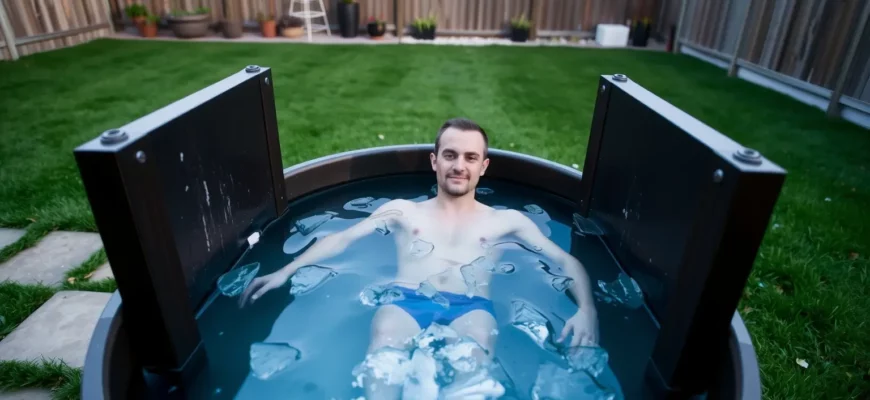
- Understanding the Surge: Why Cold Plunging is Redefining Wellness
- The Biological Response to Submersion
- From Metal Tubs to Freezer Conversions: Designing Your Setup
- DIY vs. Professional Grade: What Fits Your Lifestyle?
- Finding Your Baseline: Is a Cold Plunge at 60 Degrees Fahrenheit Effective?
- The Temperature Spectrum for Recovery
- Debunking the Myth: Does Cold Plunging Age You?
- Longevity and Skin Health Under the Ice
- The Global Chill: From Buckhead to Buffalo and Beyond
- Joining the Cold Community
- Essential Safety: Your First 120 Seconds in the Water
- Mastering the Breath to Control the Shock
- Frequently Asked Questions
Understanding the Surge: Why Cold Plunging is Redefining Wellness
Cold water immersion has moved from the fringes of elite athletic training into the center of the modern wellness suite. What was once reserved for professional football players in locker room ice baths is now a daily ritual for entrepreneurs, stay-at-home parents, and biohacking enthusiasts. This shift is driven by a growing body of evidence suggesting that controlled environmental stress can significantly upgrade our physiological baseline.
The practice functions as a form of hormesis, where a brief, controlled stressor triggers a robust adaptive response from the body. When you step into water below 60 degrees, your system doesn’t just feel the chill; it undergoes a systemic recalibration. This “positive stress” forces the body to optimize its internal regulation, leading to long-term gains in metabolic efficiency and immune function.
The Biological Response to Submersion
Submersion initiates an immediate survival protocol within the sympathetic nervous system. As the skin’s cold receptors fire, the brain triggers a massive release of norepinephrine, a chemical that acts as both a hormone and a neurotransmitter. This surge is responsible for the intense feeling of alertness and the sharp spike in energy that characterizes the experience.
Beyond the immediate “wake-up” call, the cold works to modulate our systemic health. By forcing blood away from the extremities and toward the core, the body practices a form of vascular gymnastics. This process is one of the most effective ways to reduce chronic inflammation and flush metabolic waste from muscle tissue, which is why it remains a gold standard for recovery.
Furthermore, the mental shift that occurs during a plunge is not merely anecdotal. The sustained increase in dopamine—which can rise by up to 250%—provides a long-lasting bridge for improving mental clarity and stabilizing mood throughout the day. This chemical cocktail helps build a buffer against daily stressors, making the cold a tool for emotional regulation as much as physical health.
From Metal Tubs to Freezer Conversions: Designing Your Setup
The barrier to entry for cold therapy has collapsed as DIY enthusiasts and specialized manufacturers innovate new ways to keep water chilled. Choosing the right setup depends largely on your budget, your technical skills, and how much maintenance you are willing to perform. While some prefer the rugged simplicity of a stock tank, others opt for high-tech units with integrated filtration.
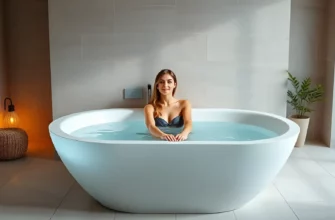
For those looking for a permanent home solution, the market has split into three distinct categories: the budget-friendly metal tub, the technical DIY freezer conversion, and the luxury all-in-one unit. Each offers a different level of temperature control and aesthetic appeal.
| Setup Type | Primary Benefit | Main Drawback | Best For |
|---|---|---|---|
| Metal Stock Tank | High durability and low cost. | Requires manual icing or a separate chiller. | Outdoor setups and budget builders. |
| Chest Freezer DIY | Excellent insulation and built-in cooling. | Requires technical sealing and electrical safety mods. | The “hands-on” biohacker. |
| Integrated Cold Plunge | Plug-and-play with advanced filtration. | High initial financial investment. | Users prioritizing convenience and aesthetics. |
DIY vs. Professional Grade: What Fits Your Lifestyle?
The “Chest Freezer” movement has become a cornerstone of the DIY community because of its efficiency. By using a standard chest freezer and a high-quality cold plunge insert or pond liner, users can create a dedicated station that maintains a steady 40 degrees for pennies a day. However, safety is paramount; you must always use a GFCI outlet and unplug the unit entirely before entering to eliminate the risk of electric shock.
If you prefer a more rugged, “back-to-basics” feel, a metal cold plunge—often a galvanized stock tank—is a popular choice. These tanks are virtually indestructible and look great in a backyard setting. To keep the water clean in these setups, many users install a small RV water filter or a pond pump to circulate the water, preventing the stagnation that leads to bacterial growth.
For those who want the “Icelandic Collection” experience without the DIY headache, professional units offer features like ozone sterilization and 20-micron filtration. These systems ensure the water is crystal clear every time you lift the lid. While more expensive, the reduction in weekly maintenance time often justifies the cost for busy professionals who want to focus on the plunge rather than the plumbing.
Finding Your Baseline: Is a Cold Plunge at 60 Degrees Fahrenheit Effective?
A common myth in the community is that if the water isn’t filled with ice cubes, it isn’t doing anything. This “all or nothing” mentality often discourages beginners from starting; In reality, the effectiveness of the temperature is relative to your current level of adaptation. If you are coming from a lifestyle of climate-controlled comfort, 60 degrees Fahrenheit is a significant thermal shock.
Starting at 60 degrees allows the body to learn how to manage the “gasp reflex” without the risk of an overwhelming panic response. At this temperature, you still trigger the activation of brown adipose tissue (BAT), which burns calories to generate heat. It is a perfect “entry-level” temperature that provides metabolic benefits while keeping the experience sustainable for the long haul.
The Temperature Spectrum for Recovery
As you become more resilient, you can slowly migrate down the temperature spectrum. For many, 50 to 60 degrees is the sweet spot for daily recovery, especially after a hard workout. It provides enough vasoconstriction to assist with muscle soreness without being so taxing that it exhausts the central nervous system. Consistency is always more important than extreme cold, as the body adapts better to frequent moderate stress than infrequent extreme stress.
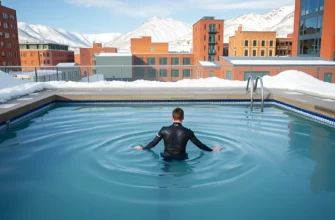
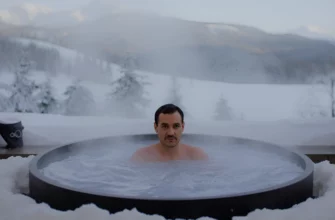
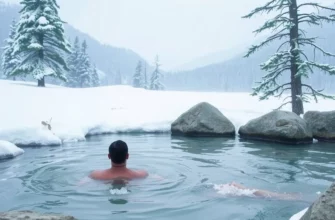
During the winter months, some practitioners move their setups outdoors to embrace even lower temperatures. While safe winter plunging offers a unique psychological challenge, it requires extra caution. When water temperatures drop into the 30s, the risk of “afterdrop”—where your core temperature continues to fall after you exit the water—increases significantly. Limit your time to under three minutes when the water is near freezing to avoid overtaxing your heart.
Debunking the Myth: Does Cold Plunging Age You?
There is a recurring concern among skeptics that the “shock” of cold water might accelerate the aging process or cause skin damage. This fear likely stems from seeing the weathered skin of high-altitude climbers or open-water swimmers. However, the context of a controlled, short-duration cold plunge is entirely different from prolonged exposure to harsh environmental elements like UV rays and wind.
When done correctly, cold exposure is actually a powerful anti-aging tool. The mechanism lies in the reduction of systemic inflammation, which is a primary driver of cellular aging. By lowering the inflammatory markers in the blood, you are essentially protecting your cells from the “wear and tear” that leads to age-related decline.
Myth: Cold plunging causes wrinkles and skin sagging due to the shock.
Fact: Brief cold exposure increases blood flow to the skin through a process called vasodilation once you exit. This “flushing” of the capillaries delivers fresh oxygen and nutrients to the dermis, which can actually improve skin elasticity and promote a healthy, youthful glow.
Longevity and Skin Health Under the Ice
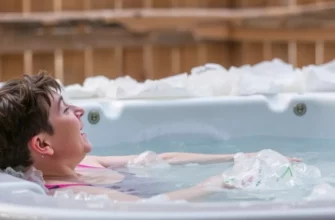
The skin is our largest organ, and it responds vigorously to thermal changes. Cold water causes immediate vasoconstriction, which tightens the appearance of the skin and reduces puffiness, particularly around the face. This is why “ice facials” have been a beauty secret for decades. On a deeper level, the cold triggers a hormetic response that may stimulate collagen production as the body works to repair and strengthen its primary barrier.
Beyond the surface, the anti-aging benefits extend to your metabolic health. By activating brown fat, cold plunging helps maintain a healthy weight and improves insulin sensitivity. Managing your metabolic health is the single most effective way to slow down biological aging, making the cold tub a literal fountain of youth for your internal systems.
The Global Chill: From Buckhead to Buffalo and Beyond
Cold plunging is no longer just a “California thing” or a “Scandinavian tradition.” It has become a global phenomenon with dedicated facilities popping up in diverse urban centers. From the high-end recovery studios of Buckhead to the gritty, community-focused garage gyms in Buffalo, the “plunge culture” is uniting people through shared discomfort.
This growth is fueled by cultural icons like Theo Vonn and other major podcasters who have demystified the practice. By sharing their own struggles with the cold—often in a humorous and relatable way—they have made it accessible to the average person. It is no longer seen as a masochistic feat but as a practical tool for modern mental health and resilience.
Joining the Cold Community
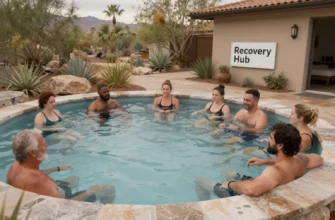
The rise of commercial plunge centers has made it easier than ever to try the practice before investing in a home setup. These centers often offer “contrast therapy,” where you rotate between a hot sauna and a cold tub. This social environment can be incredibly beneficial for beginners, as the presence of others helps distract from the initial discomfort and provides a sense of shared achievement.
If you are looking for a “plunge near me,” you will likely find that many local CrossFit boxes or wellness spas have added cold tanks to their amenities. Participating in community cold plunges adds a layer of accountability that is hard to replicate at home. There is a unique psychological bond formed when you and a group of strangers overcome the instinct to flee the water together, creating a sense of “tribal” resilience that carries over into other areas of life.
Essential Safety: Your First 120 Seconds in the Water
The most critical part of any cold plunge is the first two minutes. This is when the “cold shock response” is most intense, and your body is screaming at you to get out. Mastering this window is the difference between a panicked exit and a successful, meditative session. Your goal is to move from a state of “fight or flight” into a state of “rest and digest” while still submerged.
Safety should always be your priority. Before you even touch the water, ensure you have a clear path to get out and a warm towel or robe waiting nearby. If you are plunging alone, always keep your phone within reach but away from the water so you can call for help if you experience a cramp or feel lightheaded.
- Do: Focus on slow, controlled exhalations to signal safety to your nervous system.
- Do: Keep your hands and feet tucked if the cold becomes too painful; these areas lose heat fastest.
- Don’t: Hold your breath upon entry, as this increases internal pressure and can lead to fainting.
- Don’t: Jump into a hot shower immediately after a deep freeze; let your body warm up naturally first to avoid the “afterdrop” effect.
- Do: Enter the water slowly but decisively, submerging up to the neck to maximize vagus nerve stimulation.
Mastering the Breath to Control the Shock
Your breath is the remote control for your nervous system. When you first hit the water, your diaphragm will naturally want to seize up. You must consciously override this by forcing a long, slow exhale. Nasal breathing is preferred, as it helps maintain a higher level of CO2 in the blood, which has a calming effect on the brain.
Once you move past the 60-second mark, you will notice a “shift.” The stinging sensation often turns into a dull hum, and your mind becomes remarkably quiet. This is the “eye of the storm.” By staying in for another minute or two, you solidify the dopamine gains and allow the anti-inflammatory processes to take full effect. The goal is not to endure the pain, but to relax into it, proving to your brain that you are in control of your physiological responses.
In my professional experience, I have found that people often overcomplicate the “dosage” of cold water. I always advise my clients to follow the “Søberg Principle,” named after Dr. Susanna Søberg. Her research suggests that the “minimum effective dose” for significant metabolic and brown fat activation is exactly 11 minutes of total cold exposure per week, spread across 2 to 3 sessions. You do not need to stay in the water for 10 minutes at a time; in fact, doing 3-minute bouts is often more effective because it forces the body to “re-warm” itself multiple times. Remember, consistency over intensity is the secret to long-term adaptation. If you can only handle 60 degrees for two minutes, do that three times a week. That is far better than doing one “heroic” 10-minute plunge and then never doing it again.
Frequently Asked Questions
For your first session, aim for 1 to 2 minutes. This is long enough to move past the initial shock response but short enough to ensure you don’t overtax your system. You can gradually increase your time as your cold tolerance improves.
Is 60 degrees cold enough to see health benefits?
Yes, 60 degrees is an excellent starting point; It is cold enough to trigger norepinephrine release and activate brown adipose tissue, especially for those who are not yet acclimated to cold water therapy.
Can I use a regular chest freezer for a cold plunge?
You can, but you must take specific precautions. You need to seal the internal seams with food-grade silicone and, most importantly, always unplug the unit before entering to prevent accidental electrocution.
Why is Theo Vonn associated with cold plunging?
Theo Vonn has been a vocal advocate for the mental health benefits of the practice. By sharing his personal experiences with the “dopamine reset” that follows a plunge, he has helped mainstream the practice for a wider audience who may not be professional athletes.
Does cold plunging help with weight loss?
It can assist in weight management by stimulating brown adipose tissue (BAT), which burns glucose and fats to produce heat. While not a replacement for a good diet, it provides a measurable metabolic “boost” that can support fat loss goals.
What is the best time of day to take a cold plunge?
The morning is generally best because the spike in cortisol and dopamine provides alertness and focus for the day ahead. Avoid plunging right before bed, as the increase in core body temperature that occurs during re-warming can interfere with sleep onset.