- Cold Plunge Then Hot Tub: Is the Order of Temperature Really That Important?
- The Pump Effect: How Contrast Therapy Works on Your Muscles
- Morning Rituals: Why a Cold Plunge in the Morning Beats Your Third Cup of Coffee
- Stacking Your Routine: Cold Plunge Then Warm Shower for Early Risers
- The Runner’s Recovery: Why Your Legs Crave the Cold After a Long Trail Run
- Targeted Relief: Using a Cold Plunge for Just Your Legs
- Flexibility and Flow: Should You Cold Plunge Before or After Yoga?
- Pre-Yoga vs. Post-Stretch: Timing Your Temperature Shifts
- Advanced Stacking: From the Steam Room to the Normatec Boots
- The Ultimate Recovery Circuit: Steam, Plunge, and Compression
- Injury Recovery and Prevention: When to Stick to Legs Only Sessions
- Managing Swelling Without Shutting Down the Healing Process
- Expert Perspective: Thermal Cycling Safety
- Frequently Asked Questions
Cold Plunge Then Hot Tub: Is the Order of Temperature Really That Important?
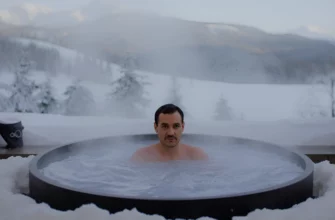
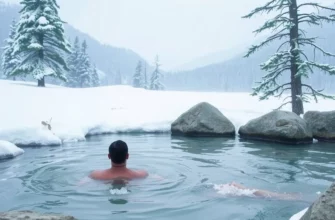
The practice of shifting between extreme temperatures, often called contrast hydrotherapy, relies on a fundamental biological mechanism known as the vascular pump. When you submerge your body in ice-cold water, your peripheral blood vessels rapidly constrict to shunt blood toward your vital organs, a process called vasoconstriction. By immediately following this with a hot tub session, those same vessels dilate aggressively, creating a powerful internal “pumping” action that moves blood and lymphatic fluid throughout the body.
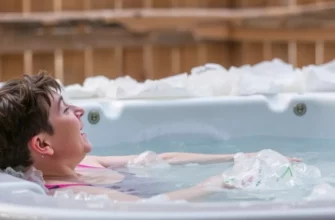
This specific sequence—moving from cold to hot—is frequently utilized to address chronic muscle stiffness and systemic stagnation. While ending on cold is a popular choice for reducing acute inflammation, starting with the cold plunge and transitioning into the heat of a hot tub allows the nervous system to settle into a parasympathetic state. This shift helps the body transition from a high-alert “survival” mode into a restorative phase, making it a preferred protocol for those looking to unwind after a high-stress day or a grueling training session.
The Pump Effect: How Contrast Therapy Works on Your Muscles
Moving from a cold plunge to a hot tub session triggers a unique interaction within your lymphatic system, which, unlike the circulatory system, does not have a central pump like the heart. The lymphatic system relies on muscle contraction and external pressure to move metabolic waste and cellular debris out of the tissues. By forcing the vessels to shrink and then expand through thermal stress, you are essentially “flushing” the pipes of your musculoskeletal system.
This process is particularly effective at clearing out the metabolic byproducts that accumulate after intense physical exertion. When you are looking for ways to reduce inflammation, this mechanical flushing is often more effective than passive rest. The sudden influx of fresh, oxygenated blood during the heat phase provides the nutrients necessary for tissue repair, while the initial cold phase helps to blunt the immediate pain response by slowing down nerve conduction velocity.
For individuals dealing with chronic joint stiffness or lingering soreness from previous workouts, the cold-to-hot transition is a superior method for improving circulation naturally; The heat phase helps to increase the elasticity of collagen fibers in your tendons and ligaments, which may have become rigid during the cold immersion. This restores a functional range of motion almost immediately, allowing you to move through your day without the “heavy” feeling often associated with intense cold exposure alone.
Morning Rituals: Why a Cold Plunge in the Morning Beats Your Third Cup of Coffee
Integrating a cold plunge into your morning routine offers a physiological wake-up call that far exceeds the temporary boost provided by caffeine. The immediate shock of cold water triggers a massive release of norepinephrine and dopamine, neurotransmitters responsible for focus, alertness, and mood regulation. Unlike a coffee crash, the hormonal elevation from cold exposure can last for several hours, providing a sustained level of mental clarity throughout the workday.
Using a cold plunge in the morning also helps to calibrate your circadian rhythm by spiking your core body temperature. While it seems counterintuitive, your body fights the external cold by generating internal heat, which signals to your brain that it is time to be active and alert. This sets a strong foundation for your metabolic rate and helps regulate your sleep-wake cycle, leading to better rest when evening eventually rolls around.
| Factor | Cold Plunge Benefits | Caffeine Benefits |
|---|---|---|
| Duration of Alertness | Lasts 4–6 hours via sustained dopamine release. | Lasts 1–2 hours followed by a potential crash. |
| Metabolic Impact | Increases brown fat thermogenesis and metabolic rate. | Minimal impact on long-term metabolic health. |
| Stress Resilience | Builds “top-down” neural control over the stress response. | Can increase cortisol and feelings of anxiety. |
| Cost & Access | Requires equipment but has zero recurring cost per use. | Daily recurring expense for high-quality beans or drinks. |
Stacking Your Routine: Cold Plunge Then Warm Shower for Early Risers
If you don’t have immediate access to a hot tub at 6:00 AM, performing a cold plunge then shower transition is a highly effective alternative. A warm shower after a 2-minute plunge helps to gently bring your skin temperature back to baseline without the intense vascular stress of a 104°F soak. This is an excellent way for early risers to reap the mental benefits of the cold while ensuring they don’t remain shivering or “cold to the bone” as they start their morning commute.
The psychological benefit of this stack cannot be overstated; by completing a difficult task like a cold plunge before the sun is up, you develop a level of mental fortitude that carries over into professional and personal challenges. For those who find full-body immersion too intense initially, starting with a cold plunge just for the legs followed by a warm shower can serve as a “gateway” to a full morning cold practice. This gradual exposure allows your nervous system to adapt to the thermal shock without triggering a full-scale panic response.
The Runner’s Recovery: Why Your Legs Crave the Cold After a Long Trail Run
Runners often experience micro-trauma in the muscle fibers and connective tissues of the lower body, particularly after high-impact trail runs or long-distance road sessions. The debated topic of cold plunge for runners often centers on whether to use ice or heat to manage the resulting soreness. While heat feels better in the moment, cold exposure is the gold standard for stabilizing the inflammatory response and preventing the “ballooning” effect that can lead to delayed onset muscle soreness (DOMS).
Trail runners, in particular, deal with significant eccentric loading as they navigate downhill sections, which places immense stress on the quads and calves. Utilizing a cold plunge after running helps to constrict the blood flow to these overworked areas, effectively “numbing” the pain receptors and reducing the accumulation of fluid in the interstitial spaces of the muscle. This targeted approach allows for a faster return to training, as it prevents the structural damage from being exacerbated by excessive secondary inflammation.
| Recovery Method | Primary Benefit | Best Used When… |
|---|---|---|
| Cold Plunge (Ice Bath) | Reduces acute swelling and numbs nerve endings. | Immediately after a high-impact, long-distance run. |
| Hot Tub (Heat) | Relaxes tight muscles and increases blood flow. | 24–48 hours after a run to address chronic stiffness. |
| Contrast Therapy | Promotes lymphatic drainage and vascular health. | During active recovery days between hard sessions. |
Targeted Relief: Using a Cold Plunge for Just Your Legs
Full-body immersion is not always necessary to achieve significant recovery results, especially for athletes whose primary fatigue is localized in the lower extremities. Performing a cold plunge for legs only is a strategic way to manage recovery without the intense systemic shock that affects the heart and lungs. This localized approach is particularly useful for runners who may be prone to shin splints or plantar fasciitis, as it focuses the cooling power directly on the inflamed tissues of the lower legs.
When you focus on the legs, you can often tolerate slightly lower temperatures or longer durations, which can be beneficial for deep tissue penetration. This method is highly effective for cold plunge for recovery because it addresses the “heavy legs” sensation by clearing out the pooling blood in the calves and feet. By keeping your torso dry and warm, you avoid the massive spike in cortisol that sometimes accompanies full-body plunges, making it a more “user-friendly” option for daily maintenance.
Flexibility and Flow: Should You Cold Plunge Before or After Yoga?
The timing of temperature exposure in relation to a yoga practice depends entirely on your goals: are you seeking increased range of motion, or are you looking to recover from a high-intensity “Power” or “Hot” yoga session? Cold exposure has a significant impact on muscle spindles, which are the sensory receptors within the muscle that detect changes in length. Cold increases the sensitivity of these spindles, which can lead to a temporary feeling of stiffness and a more active stretch reflex.
For this reason, a cold plunge before yoga is generally discouraged unless the goal is to build mental resilience rather than physical flexibility. If your muscles are cold and “tight,” you are more likely to force a pose and potentially strain a ligament. Conversely, using a cold plunge after hot yoga can be a powerful way to “reset” the body’s temperature and lock in the neurological benefits of the practice, provided you are mindful of your hydration levels and heart rate.
Pre-Yoga vs. Post-Stretch: Timing Your Temperature Shifts
If your goal is to maximize flexibility, the most effective protocol is to perform your stretching or yoga practice first, followed by a brief cold plunge, and ending with a soak in the hot tub. This sequence allows you to utilize the heat of the yoga practice to reach deep into the fascia and connective tissues. The subsequent cold plunge then acts as a stabilizer, reducing any micro-inflammation caused by deep stretching, while the final hot tub session ensures you leave the facility with relaxed, pliable muscles.
For athletes who participate in sports requiring both precision and flexibility, such as golf, the timing is even more critical. A cold plunge before golf can lead to a “wooden” swing because the muscles are not yet primed for explosive, rotational movement. In these scenarios, the cold should be reserved for the post-game recovery phase to address the repetitive strain on the back and hips. Using a cold plunge for flexibility is less about the cold itself and more about the increased blood flow that occurs during the re-warming phase, which delivers fresh nutrients to the newly stretched tissues.
Advanced Stacking: From the Steam Room to the Normatec Boots
For those looking to maximize their recovery “ROI,” stacking multiple modalities can lead to exponential benefits. A common advanced circuit involves starting in a steam room to open the pores and begin the vasodilation process, followed immediately by a cold plunge to shock the system, and finishing with a session in compression boots like Normatec. This combination addresses recovery from three different angles: thermal, chemical, and mechanical.
The steam room prepares the body by increasing the heart rate and inducing a sweat, which helps with detoxification through the skin; Moving from the steam room to the cold plunge provides the most intense vascular challenge possible, forcing the body to adapt to a 100-degree temperature swing in seconds. This “metabolic conditioning” for the blood vessels is a hallmark of elite athletic recovery programs and significantly enhances the body’s ability to regulate its own temperature over time.
- Heat Loading: Spend 10–15 minutes in a steam room or sauna to increase core temperature and peripheral blood flow.
- The Shock: Submerge in a cold plunge (45–55°F) for 2–3 minutes, focusing on deep, controlled nasal breathing to manage the cold shock response;
- The Re-Warm: Transition to a hot tub (100–104°F) for 5–10 minutes to encourage vasodilation and muscle relaxation.
- Mechanical Flush: Dry off and spend 20 minutes in Normatec compression boots. The external pressure will assist the now-dilated vessels in moving fluid toward the heart.
- Hydration: Drink 16–24 ounces of water with electrolytes to replace fluids lost during the steam and hot tub phases.
The Ultimate Recovery Circuit: Steam, Plunge, and Compression
When you combine a cold plunge after steam room sessions with compression technology, you are essentially performing a “deep clean” of your muscular system. The compression boots work by using dynamic pneumatic compression to mimic the muscle pump of the legs, which is the exact mechanism we try to trigger with contrast therapy. Using Normatec after a plunge is particularly effective because the cold has already helped to reduce inflammation, and the boots can then move that “stagnant” fluid out of the limbs more efficiently.
Safety is paramount when performing these advanced stacks; Moving from high heat to deep cold can cause a rapid drop in blood pressure, leading to dizziness or fainting. Always take at least 60 seconds to sit on the edge of the plunge pool before fully submerging, and never perform these circuits alone if you are new to thermal stress. The goal is to challenge the system, not to overwhelm it to the point of a medical emergency.
Injury Recovery and Prevention: When to Stick to Legs Only Sessions
When dealing with an acute injury, such as a grade-1 ankle sprain or a fresh muscle strain, the rules of contrast therapy change slightly. In the first 24 to 48 hours, the goal is often to limit excessive swelling that can block nutrient flow and cause further tissue damage. In these cases, a cold plunge for injury recovery is highly effective, but adding heat too early can actually backfire by increasing the internal pressure in the injured area.
A clinical perspective suggests that while inflammation is a necessary part of the healing process, “runaway” inflammation is detrimental. By sticking to a “legs only” cold plunge, you can manage the local injury without affecting the rest of your body’s inflammatory markers. This allows the injured limb to benefit from the numbing and vasoconstrictive effects of the cold while the rest of the body remains in a stable, homeostatic state to support overall healing.
- Mistake 1: Using heat on a “hot” or throbbing injury. Only use cold for the first 48 hours to prevent excessive hematoma formation.
- Mistake 2: Staying in the cold too long. For injury recovery, 10–15 minutes of localized cold is more effective than a 2-minute “shock” plunge.
- Mistake 3: Neglecting active range of motion. After a legs-only plunge, gently move the joint to ensure the cold hasn’t caused excessive ligamentous stiffness.
- Mistake 4: Jumping into a hot tub immediately after an acute injury. This can increase secondary hypoxic injury by flooding the damaged area with too much blood too quickly.
Managing Swelling Without Shutting Down the Healing Process
The balance of inflammation is delicate; you need some inflammation to signal the body to send repair cells to the site of an injury. However, if the swelling is so severe that it restricts blood flow to the surrounding healthy tissue, the recovery time will be extended. A cold plunge just for the legs allows you to “gate” the pain and keep the swelling within a manageable range. This is especially helpful for athletes who need to remain mobile while recovering from minor setbacks.
For beginners, the “legs only” approach is also a safer entry point because it minimizes the risk of the “afterdrop” phenomenon. Afterdrop occurs when cold blood from the extremities returns to the core once you exit the water, causing your core temperature to continue dropping even after you are in a warm environment. By keeping the core dry and warm, you significantly reduce the stress on the heart and make the recovery session much more tolerable for those with lower cold tolerance.
Expert Perspective: Thermal Cycling Safety
In my professional experience working with high-performance athletes, the most overlooked aspect of contrast therapy is the afterdrop phenomenon. When you exit a cold plunge and jump straight into a hot tub, your body may experience a temporary but sharp decline in core temperature as the now-warmed peripheral vessels “flush” cold blood back to the heart. This can lead to intense shivering or even heart palpitations in sensitive individuals. I always advise my clients to wait 1–2 minutes after exiting the cold plunge before entering the hot tub. This brief transition allows the body to stabilize and prevents a “clash” of temperatures that can shock the cardiovascular system. If you have high blood pressure, you must be even more cautious; the rapid shift from constriction to dilation can cause significant blood pressure fluctuations, so always consult a physician before starting a contrast protocol.
Frequently Asked Questions
Starting with a cold plunge and ending with a hot tub is generally better for relaxation and circulation. However, if your primary goal is to reduce metabolic inflammation after a hard workout, ending with the cold plunge is the preferred method to keep blood vessels constricted.
How long should I wait between the cold plunge and the hot tub?
A transition period of 1 to 2 minutes is ideal. This allows your skin temperature to stabilize slightly and prevents the dizziness or extreme skin sensitivity that can occur when moving between temperature extremes too quickly.
Can I do a cold plunge if I only want to recover my legs?
Yes, legs-only plunges are highly effective for runners and field athletes. This method provides the local recovery benefits for the muscles most in need without the systemic stress and “afterdrop” associated with full-body immersion.
Is a cold plunge safe after a hot yoga class?
It is safe, but you must prioritize hydration first. Hot yoga causes significant fluid loss, and the rapid temperature shift of a cold plunge can lead to cramping or lightheadedness if your electrolyte levels are depleted.
Should I cold plunge before playing golf?
Exercise caution; cold plunges can temporarily increase muscle and joint stiffness. If you plunge before a precision sport like golf, ensure you perform a vigorous 15-minute dynamic warm-up to restore muscle elasticity before your first tee shot.
Does a cold plunge help with flexibility?
While the cold initially stiffens tissues, the subsequent “rebound” blood flow during the re-warming phase—especially when using a hot tub—can improve long-term tissue health and elasticity by delivering fresh nutrients to the fascia.