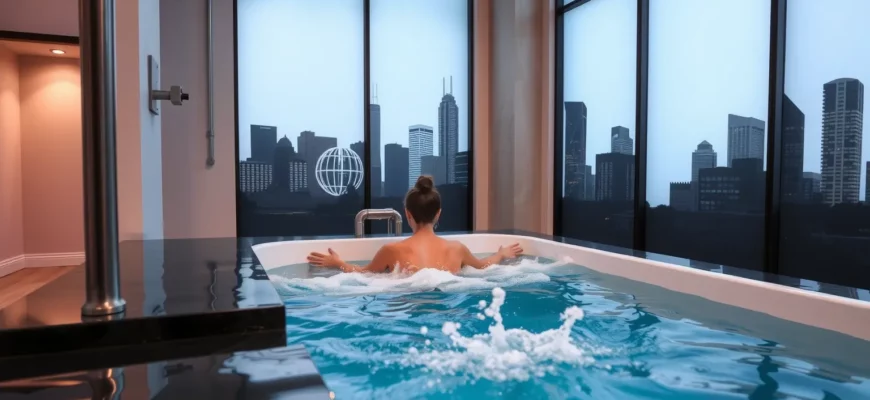
- Where to Find the Best Cold Plunge in Dallas and North Texas
- Top-Rated Recovery Hubs in Dallas and Arlington
- Cold Water Options at Fort Worth Lifetime Fitness
- The Texas Cold Plunge Map: Austin, Houston, and Beyond
- Austin’s Thriving Cold Immersion Community
- Houston’s Growing Recovery Scene
- Should You Buy a Cold Plunge Tub for Your Texas Home?
- Finding the Right Cold Plunge Pool in Houston and East Texas
- Accessing Recovery in Mid-Sized Texas Cities
- From Midland to Georgetown: Local Wellness Alternatives
- How to Start Your Cold Plunge Journey Safely
- Simple Steps to Reduce Inflammation and Boost Mood
- Common Pitfalls When Setting Up Your First Ice Bath
- Frequently Asked Questions
Where to Find the Best Cold Plunge in Dallas and North Texas
The wellness landscape in the Dallas-Fort Worth metroplex has undergone a radical transformation over the last few years. What used to be a niche practice reserved for professional athletes at the Star in Frisco has migrated into the daily routines of local entrepreneurs, fitness enthusiasts, and those seeking a mental edge in the high-stakes North Texas business environment.
Dallas is currently leading the charge in Texas for high-end recovery, moving away from simple cryotherapy chambers toward the more immersive and physiologically demanding world of cold water therapy. The shift is driven by a desire for more “functional” recovery—methods that challenge the nervous system while providing immediate relief from the sweltering Texas heat.
Top-Rated Recovery Hubs in Dallas and Arlington
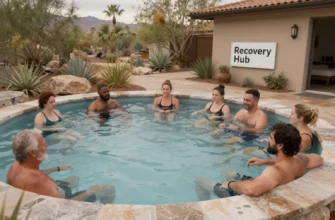
In the heart of Dallas, specifically around areas like Henderson Avenue and Deep Ellum, specialized recovery studios have begun to outpace traditional gyms in popularity. These facilities often feature dedicated plunge pools kept at a consistent 42 to 50 degrees Fahrenheit. For residents in Arlington, the proximity to major athletic complexes has birthed a cluster of wellness centers that prioritize rapid muscle repair. These spots are particularly useful for those who participate in high-impact sports or local marathon training, providing a standardized temperature environment that is impossible to replicate in a home bathtub during a Texas summer.
When selecting a facility in the DFW area, look for those that offer “open-access” plunging rather than just scheduled sessions. The most effective protocol for many locals involves a quick 3-minute dip during a lunch break or immediately following a heavy lifting session. Arlington-based athletes often prefer centers that utilize advanced filtration systems like ozone or UV light, ensuring the water remains sanitary despite high foot traffic from local sports teams.
Cold Water Options at Fort Worth Lifetime Fitness
For those who prefer a “one-stop-shop” for fitness and recovery, the Lifetime Fitness locations in Fort Worth and surrounding suburbs offer some of the most consistent cold immersion experiences in the region. Unlike boutique studios that may only have one or two tubs, these high-end athletic country clubs integrate cold therapy into their broader wet areas. This allows for a seamless transition between a high-intensity workout on the turf and a recovery session in the spa area.
The real value at a facility like Lifetime is the ability to practice contrast therapy. By moving from a 180-degree cedar sauna directly into a 50-degree plunge, you trigger a massive vascular response. In my observations of the Fort Worth community, this “hot-cold” circuit is the gold standard for reducing systemic inflammation and clearing metabolic waste from the muscle tissue. If you are a member, the consistency of their water temperature—usually monitored by industrial-grade chillers—provides a more reliable stimulus than many smaller, DIY-style setups found in local crossfit boxes.
The Texas Cold Plunge Map: Austin, Houston, and Beyond
While Dallas may have the corporate wellness edge, the rest of Texas has developed its own unique subcultures around cold immersion. From the social, community-driven “plunge parties” in Austin to the performance-heavy recovery labs in Houston, the state offers a diverse range of ways to get cold. The geography of the state means that “getting cold” often requires significant mechanical assistance, as the ambient water temperature in Texas rarely drops low enough to provide a true hormetic stress response.
| City | Primary Vibe | Availability Type | Key Benefit for Residents |
|---|---|---|---|
| Austin | Social & Community Focused | Outdoor Clubs & Social Meetups | Mental resilience and community bonding |
| Houston | Clinical & Performance | Private Recovery Labs | Combating heat-induced fatigue and humidity |
| Dallas | High-End & Corporate | Luxury Gyms & Boutiques | Stress management and efficiency |
| Wimberley | Destination/Nature | Retreat Centers | Full-body reset in a scenic environment |
Austin’s Thriving Cold Immersion Community
In Austin, cold plunging is rarely a solitary act. The city has embraced the social aspect of biohacking, with groups meeting at various parks or private clubs to share the “misery” of the ice bath together. This community-centric approach is vital for beginners because the presence of a group makes the first 30 seconds of cold shock much more manageable. The mental resilience training that happens in these groups is often more valuable than the physical recovery itself.
For those looking for a destination experience, the Fire Cold Plunge in Wimberley has become a legendary spot for weekend warriors. It offers a structured environment where you can practice deep breathing and contrast therapy while overlooking the Texas Hill Country. It’s a favorite for Austin residents who want to escape the city and commit to a full day of nervous system regulation. The focus here is on vagus nerve stimulation, using the cold to “tone” the nerve that controls your body’s rest-and-digest response.
Houston’s Growing Recovery Scene
Houston presents a different challenge entirely. The oppressive humidity and heat mean that the body is often in a state of constant mild stress during the summer months. Houston’s recovery scene is built around the idea of “systemic cooling.” Facilities here often use much colder water—sometimes dipping into the high 30s—to provide a more aggressive cooling effect. This is particularly beneficial for those dealing with chronic inflammation or the sluggishness that comes from Houston’s climate.
Moving further south, even coastal cities like Corpus Christi are beginning to see a rise in specialized recovery. While the Gulf of Mexico is far too warm for a “plunge” most of the year, local physical therapy clinics are filling the gap. These coastal spots often cater to endurance athletes who need to drop their core temperature quickly after long training runs in the humid sea air. The expansion into these smaller markets proves that cold therapy is no longer just a “big city” luxury.
Should You Buy a Cold Plunge Tub for Your Texas Home?
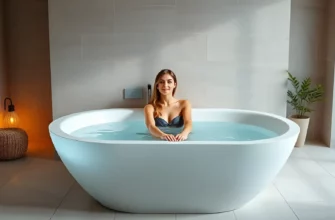
The decision to move from a commercial studio to a home setup is a significant financial and logistical leap. In Texas, this isn’t as simple as buying a tub and filling it with a hose. The primary obstacle is the “Texas Heat Factor.” If you place a tub in your garage or on a patio in Houston or Dallas, a standard chiller will struggle to keep up. You need to consider the insulation quality of the tub walls and the horsepower of the cooling unit to ensure your water stays at 45 degrees when it’s 105 degrees outside.
| Pros of Home Ownership | Cons of Home Ownership |
|---|---|
| Zero commute time for daily plunges | High upfront cost ($3k ⎯ $10k+) |
| Complete control over water chemistry | Ongoing maintenance (filters, electricity) |
| Privacy for focused breathing work | Mechanical failure risk in Texas heat |
| Unlimited sessions for the whole family | Significant space and drainage requirements |
Finding the Right Cold Plunge Pool in Houston and East Texas
For residents in Houston and East Texas cities like Tyler, selecting the right equipment requires a focus on durability. A “budget” inflatable tub might work in a climate-controlled basement, but for a Texas garage, you want something with thick, R-value rated insulation. Without it, your chiller will run 24/7, leading to a massive spike in your electricity bill and premature motor failure. If you are ordering a unit to Shreveport or Tyler, check if the manufacturer offers “white glove” delivery, as these units can weigh several hundred pounds when empty.
When sizing your pool, consider your height and “floatability.” You want to be able to submerge up to your neck without your knees being cramped against your chest. For taller Texans, a “tank” style or long rectangular tub is usually better than a circular “barrel” style. Additionally, ensure your home’s electrical circuit can handle the 15-20 amp draw that a powerful 1HP chiller requires, especially if you have other appliances running in the same area.
Accessing Recovery in Mid-Sized Texas Cities
If you live in Midland, Tyler, or Georgetown, you might not have a specialized “plunge studio” on every corner like you do in Austin. However, the wellness wave is catching up. Many residents in these areas are finding creative ways to access the benefits of cold water immersion without having to drive two hours to the nearest metro hub. The key is to look for “adjacent” services that are often overlooked.
From Midland to Georgetown: Local Wellness Alternatives
In Midland, where the oil and gas industry drives a high-stress lifestyle, cryotherapy centers are common. While “dry” cryotherapy isn’t the same as a water plunge, it can serve as a bridge. For a true water experience, many Midland residents are turning to high-end physical therapy clinics that have added cold tubs to their athletic training rooms. In Georgetown, the boutique wellness scene is exploding. You might find that local yoga studios or “biohacking” collectives are starting to offer single-tub rentals by the hour, providing a professional-grade experience without the need for a home installation.
If you are in a city where no professional options exist, the “DIY chest freezer” remains a popular, albeit labor-intensive, alternative. Residents in East Texas often use these setups, but extreme caution must be taken with electrical grounding (GFCI) and water sealing. A safer “low-tech” alternative for those in Tyler or Longview is to use a large stock tank and purchase 40-60 pounds of ice from a local vendor, though this is only sustainable for occasional use rather than a daily habit.
How to Start Your Cold Plunge Journey Safely
Safety in cold water is about one thing: managing the “Cold Shock Response.” The moment you hit the water, your body wants to gasp and hyperventilate. This is a survival mechanism, but if you fight it, you increase your heart rate and stress levels. To get the benefits of how to reduce inflammation and boost your mood, you must learn to override this reflex through controlled, nasal breathing.
- Never plunge alone if you are a complete beginner; have someone nearby in case of a vasovagal response.
- Focus on the exhale; long, slow breaths out through the nose help switch your body from “fight-or-flight” to “rest-and-digest.”
- Keep sessions short; 2 minutes at 50 degrees is plenty for a beginner to see physiological benefits.
- Avoid the “ego plunge”; staying in too long can lead to afterdrop, where your core temperature continues to fall even after you get out.
- Warm up naturally; move your body or drink warm tea after getting out, rather than jumping into a hot shower immediately.
Simple Steps to Reduce Inflammation and Boost Mood
The science of cold immersion centers on the constriction and dilation of blood vessels. When you enter the water, your peripheral vessels constrict, shunting blood to your core to protect your organs. When you exit, those vessels dilate, creating a “flushing” effect. This process is one of the most effective ways to reduce localized swelling and systemic inflammation. Beyond the physical, the massive release of norepinephrine during a plunge can increase focus and mood for several hours afterward.
To maximize the mood-boosting effects, try to plunge early in the morning. This aligns with your natural cortisol spike and provides a “dopamine baseline” that stays elevated throughout the day. If your goal is safety, gradually decrease the temperature over several weeks. Start at 60 degrees, and once that feels “comfortable,” drop it by 2-3 degrees. Your body is remarkably adaptable, but it requires a consistent stimulus to build that cold tolerance.
Common Pitfalls When Setting Up Your First Ice Bath
Most people fail in their cold plunge journey because of poor planning or maintenance. If you are setting up a tub in Texas, the biggest pitfall is neglecting water chemistry. Because the water is cold, people assume bacteria won’t grow. This is false. Without a proper filtration system and a small amount of sanitizer (like hydrogen peroxide or chlorine), your tub will become a bio-film breeding ground within a week.
Critical Maintenance Warning: Always check your filter every 14 days. A clogged filter will restrict water flow to your chiller, causing it to overheat and potentially voiding your warranty. In the dusty Texas environment, air filters on the chiller unit itself also need frequent cleaning to maintain cooling efficiency.
Another common mistake is “over-chilling.” Beginners often think that 38 degrees is “better” than 50 degrees. While the mental challenge is higher, most of the metabolic and anti-inflammatory benefits are achieved between 45 and 55 degrees. Going lower increases the risk of skin irritation or nerve issues if done for too long. Focus on total weekly volume (aiming for 11-15 minutes total per week) rather than how cold you can get for a single session. This sustainable approach prevents burnout and makes it a habit you actually look forward to.
In my professional experience coaching high-performers across the DFW area, I have found that the “Texas Protocol” works best when it mimics the environment. Because we spend so much time in air-conditioned spaces or extreme heat, our “thermal regulation” is often lazy. I always advise my clients to start with a 15-minute sauna session to get the heart rate up and the pores open, followed immediately by a 3-minute plunge. This contrast method is particularly effective in the Texas climate because it forces the vascular system to work harder. To build a sustainable 3-day-a-week habit, don’t focus on the temperature—focus on your breath. If you can control your breathing, you can control your response to any stressor, whether it’s a 40-degree tub or a 5:00 PM traffic jam on I-35.
Frequently Asked Questions
Top spots include specialized recovery centers in Uptown, Henderson Ave, and Deep Ellum, as well as high-end athletic clubs like Lifetime Fitness in Fort Worth and Plano.
What is the best cold plunge tub for Houston’s humidity?
Look for tubs with integrated 1HP chillers and military-grade insulation. Brands that offer UV and ozone filtration are essential to prevent mold and bacteria growth in Houston’s damp environment.
How long should a beginner stay in a cold plunge?
Start with 1 to 2 minutes at 50-55 degrees. As your cold tolerance builds, you can gradually increase your time to 3-5 minutes, but avoid staying in longer than 10 minutes per session.
Are there cold plunge options in smaller cities like Tyler or Midland?
Yes, while dedicated studios are rarer, many physical therapy clinics, boutique yoga studios, and modern cryotherapy centers in these cities are adding cold water tubs to their services.
What are the primary benefits of cold immersion for athletes?
Athletes benefit from significantly reduced muscle soreness (DOMS), improved sleep quality through nervous system regulation, and faster recovery between high-intensity training sessions.
Is the Fire Cold Plunge in Wimberley worth the drive?
Absolutely. It is considered a premier destination for contrast therapy, offering a structured environment that combines scenic Hill Country views with expert-led breathing and recovery sessions.