- Morning or night? Deciding when to take the plunge
- Why plunging first thing in the morning is a game-changer for focus
- Cold plunge before bed: Can it actually improve your sleep?
- Morning vs․ Night: A side-by-side comparison for your goals
- Is it safe to cold plunge twice a day or more?
- The risks of plunging multiple times a day
- When a twice-a-day routine might actually make sense
- Cold plunge dos and donts: Staying safe while getting cold
- Common mistakes to avoid when timing your sessions
- Frequently Asked Questions
Morning or night? Deciding when to take the plunge
The debate over the optimal timing for cold water immersion is a frequent topic in biohacking circles․ While the physiological shock of the water remains constant‚ your body’s hormonal and thermal response shifts significantly depending on the hour you choose to submerge․
Deciding between a sunrise session and a pre-sleep soak depends entirely on your specific biological goals․ Whether you are chasing peak cognitive performance or deep physical restoration‚ timing your exposure is the key to unlocking the full potential of thermal stress․
Why plunging first thing in the morning is a game-changer for focus
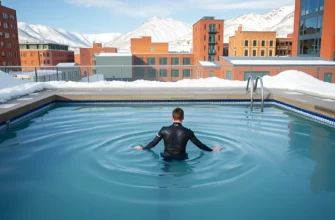
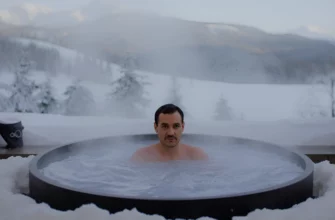
Stepping into a cold tub immediately after waking creates a massive norepinephrine and dopamine spike that can last for several hours․ This isn’t just a temporary “wake-up” call; it is a fundamental shift in your neurochemistry that enhances alertness and mood throughout the entire morning․
A morning energy boost from cold water stems from the activation of the sympathetic nervous system‚ which triggers a controlled stress response․ This process effectively anchors your circadian rhythm by signaling to your brain that the day has officially begun‚ helping to regulate your natural sleep-wake cycle over time․
Starting the day with this level of intensity also provides a psychological “win” that builds resilience․ When you conquer the discomfort of freezing water at 7:00 AM‚ the rest of your daily tasks feel significantly more manageable‚ leading to sustained productivity and sharper mental clarity․
Cold plunge before bed: Can it actually improve your sleep?
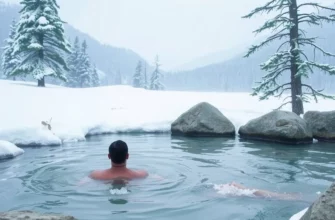
The idea of jumping into freezing water to help you sleep seems counterintuitive‚ but the science lies in the body’s thermoregulatory rebound․ To initiate sleep‚ your internal core body temperature must drop by about two to three degrees‚ a process usually managed by your natural circadian clock․
When you exit a cold plunge‚ your body works overtime to move blood from your core back to your extremities‚ causing a rapid cooling of the internal organs․ This lowering body temperature acts as a powerful biological signal to the brain that it is time for rest‚ often leading to a faster onset of deep sleep․
Integrating the cold into a nighttime routine can also help quiet a racing mind by triggering the vagus nerve․ This vagus nerve stimulation shifts the body from a “fight or flight” state into a parasympathetic state‚ allowing for a more profound level of relaxation that is difficult to achieve through traditional meditation alone․
Morning vs․ Night: A side-by-side comparison for your goals
Choosing the right time requires a clear understanding of how cold water affects your metabolism versus your recovery․ The following table breaks down the primary differences to help you align your sessions with your lifestyle․
| Feature/Goal | Morning Session | Evening Session |
|---|---|---|
| Primary Hormone Release | High Cortisol & Dopamine | Melatonin Precursors & GABA |
| Metabolic Impact | High Brown Fat Activation | Moderate Caloric Burn |
| Mental State | High Alertness & Focus | Deep Relaxation & Calm |
| Physical Benefit | Increased Daily Resilience | Reduced Inflammation & Soreness |
| Potential Downside | May cause early “crash” | Possible over-stimulation |
Is it safe to cold plunge twice a day or more?
As cold therapy moves into the mainstream‚ many enthusiasts wonder if more is always better․ While the benefits are cumulative‚ there is a clear law of diminishing returns when it comes to the frequency of thermal stress on the human body․
The Minimum Effective Dose (MED) for cold exposure is roughly 11 minutes total per week․ Exceeding this by a significant margin—such as plunging three times a day—can lead to systemic fatigue rather than the intended adaptation‚ as the body requires significant energy to return to homeostasis․
The risks of plunging multiple times a day
One of the primary concerns with overdoing it is the potential for adrenal fatigue․ Every time you submerge‚ your adrenal glands pump out stress hormones; doing this too frequently can exhaust your endocrine system and lead to chronic feelings of lethargy․
Furthermore‚ the body stress associated with constant cold can interfere with thyroid function in some individuals․ If you are not allowing for adequate recovery time between sessions‚ you may actually blunt your metabolic health rather than improving it‚ as the body enters a defensive “survival mode” to conserve heat․
When a twice-a-day routine might actually make sense
For pro athletes or those engaged in intense training‚ a split session routine can be a viable tool․ This typically involves a morning session for mental readiness and a secondary evening session focused specifically on reducing the systemic inflammation caused by a high-volume workout․
In these cases‚ the sessions are usually shorter and less intense than a standard plunge․ For example‚ a morning session might be 3 minutes at 45°F for energy‚ while the evening session is a 5-minute soak at 55°F to facilitate lymphatic drainage without over-stimulating the nervous system before bed․
Cold plunge dos and donts: Staying safe while getting cold
Safety should always be the priority when dealing with extreme temperatures․ The physiological “cold shock response” can be dangerous if not managed with a clear plan and a controlled environment․
- DO: Focus entirely on your breath․ Use long‚ slow exhales to signal to your brain that you are safe‚ which helps suppress the initial panic reflex․
- DO: Have a warm-up plan ready․ Always have a dry towel and warm layers waiting for you to prevent the “afterdrop” effect‚ where your core temperature continues to fall after you exit the water․
- DO: Start slow and warm․ If you are a beginner‚ start with 55°F for one minute and gradually decrease the temperature as your tolerance builds over several weeks․
- DONT: Plunge alone if you are a novice․ The risk of fainting or losing motor control is low but real; always have a spotter or someone nearby until you know how your body reacts․
- DONT: Use cold therapy after heavy alcohol consumption․ Alcohol dilates blood vessels and impairs thermoregulation‚ making you significantly more susceptible to hypothermia and cardiac stress․
- DONT: Stay in too long․ Once you stop shivering or start feeling “numb‚” you have likely stayed in past the point of benefit․ Most experts recommend a cap of 10 to 15 minutes even for the most experienced practitioners․
Common mistakes to avoid when timing your sessions
Even with the best intentions‚ poor timing can negate the benefits of your cold water practice․ One of the most critical errors is plunging immediately after a hypertrophy-focused weightlifting session;
Research indicates that cold water immersion can blunt the inflammatory response necessary for muscle protein synthesis․ If your goal is building muscle mass‚ wait at least 4 to 6 hours after your workout to plunge‚ or save the cold for your rest days to ensure you aren’t “canceling out” your gains in the gym․
Another mistake is plunging too close to sleep if you are a “high responder” to cortisol․ While many find the cold relaxing‚ others experience a prolonged spike in heart rate that can make it impossible to fall asleep for several hours․ If you find yourself staring at the ceiling after a night plunge‚ move your sessions to before 4:00 PM․
Finding your ideal rhythm requires a balance of scientific principles and personal experimentation․ There is no “one size fits all” approach‚ as your body’s sensitivity to thermal stress will evolve as you become more adapted to the cold․
- Identify your primary goal: Use morning sessions for metabolic health and focus‚ or evening sessions for recovery and stress management․
- Monitor your sleep: If a nighttime plunge disrupts your rest‚ switch to mornings immediately․ Quality sleep is more important than the timing of your plunge․
- Respect the interference effect: Keep cold exposure away from your heavy lifting sessions to protect your muscle growth․
- Listen to your body: If you feel chronically cold or exhausted‚ reduce your frequency to 2-3 times per week until your energy levels stabilize․
In my professional experience working with high-performance athletes‚ I have found that while timing is a powerful lever‚ it is often secondary to the principle of consistency․ I always advise my clients to follow the Soberman Principle: the most important benefit of cold exposure is the long-term elevation of baseline dopamine․ This neurochemical “floor” rises with regular use‚ leading to improved insulin sensitivity and mood regulation that persists regardless of whether you plunge at 8 AM or 8 PM․ If you can only fit in a plunge at night‚ do it—the cumulative metabolic benefits of brown fat activation far outweigh the minor timing nuances for the average person․
Frequently Asked Questions
Morning is generally superior for weight loss because it maximizes the activation of Brown Adipose Tissue (BAT) and provides a metabolic boost that carries through your active hours‚ though consistent daily exposure is the most important factor․
Can I cold plunge twice a day if I am an athlete?
Yes‚ but you must be strategic․ Use the morning for mental prep and the evening for recovery‚ ensuring you avoid plunging immediately after strength training to prevent blunting your muscle growth response․
Should I cold plunge first thing in the morning on an empty stomach?
Plunging while fasted can enhance the metabolic stress and fat-burning potential of the session‚ but it is not required for the mental benefits or the norepinephrine spike․
How long should I wait to cold plunge after a workout?
If you are training for muscle size (hypertrophy)‚ wait at least 4 to 6 hours․ If you are an endurance athlete or in a multi-day competition‚ plunging immediately can help clear metabolic waste and reduce soreness․
Is once a week enough to see results from cold plunging?
While once a week offers a great mental reset‚ the clinically proven “sweet spot” is 11 minutes total per week‚ ideally spread across 3 separate sessions of roughly 3-4 minutes each․
Will a cold plunge at night keep me awake?
It depends on your biology․ For most‚ the subsequent drop in core temperature promotes deep sleep‚ but for those sensitive to norepinephrine‚ the chemical stimulation may cause unwanted alertness․