- Understanding the Science Behind Cold Plunge and Physiological Stress
- The Initial Shock: What Happens the Second You Hit the Water
- This Is What a Cold Plunge Does to Your Body on a Cellular Level
- Brown Fat Activation and Your Metabolic Engine
- Quick Reference: The Bodys Response Timeline
- The Neurobiology of Ice: Dopamine‚ Mood‚ and Mental Resilience
- Why the Mental High Lasts Longer Than the Chill
- The Science Behind Sauna and Cold Plunge: Contrast Therapy Explained
- Vasodilation vs․ Vasoconstriction: The Vascular Gym
- Common Misconceptions: Debunking Cold Water Myths
- What Modern Research and National Geographic Say About Longevity
- How to Reduce Inflammation Without Blunting Muscle Growth
- Staying Safe After a Cold Plunge: Avoiding the Afterdrop
- The Horse-Stance and Active Rewarming
- Your Cold Plunge Protocol: A Science-Backed Action Plan
- Expert Perspective: Cold Water Immersion Physiology
- Frequently Asked Questions
Understanding the Science Behind Cold Plunge and Physiological Stress
When you submerge your body in near-freezing water‚ you aren’t just testing your willpower; you are engaging a biological process known as hormesis․ Hormesis is a phenomenon where a brief‚ controlled exposure to a stressor triggers a cascade of cellular adaptations that ultimately make the organism more resilient․ By intentionally inducing a state of “positive stress‚” you force your internal systems to upgrade their defense mechanisms‚ leading to long-term health improvements that far outlast the initial discomfort of an icy soak․
The human body is remarkably adept at maintaining homeostasis‚ yet it thrives when pushed slightly out of its comfort zone․ Cold water immersion serves as a powerful stimulus for the autonomic nervous system‚ shifting the body from a state of complacency into a high-alert survival mode․ This transition is not random; it is a highly coordinated physiological defense strategy that has been hardwired into our DNA through millennia of environmental challenges․
The Initial Shock: What Happens the Second You Hit the Water
The moment your skin hits the water‚ you experience what scientists call the cold shock response․ This is an immediate‚ involuntary reaction driven by the rapid cooling of skin thermoreceptors‚ which send an electrical surge to the brain․ This sudden input triggers an explosive release of adrenaline and noradrenaline from the adrenal glands‚ preparing the body for an immediate “fight or flight” scenario․
One of the most noticeable aspects of what a cold plunge does to your body is the gasping reflex; This is a primitive respiratory response that can lead to hyperventilation if not managed consciously․ To reap the benefits of the practice‚ you must exert top-down mental control to slow your breathing‚ which effectively trains the vagus nerve and improves your heart rate variability․ By mastering the breath during this initial panic phase‚ you are teaching your nervous system to remain calm in the face of external chaos․
This Is What a Cold Plunge Does to Your Body on a Cellular Level
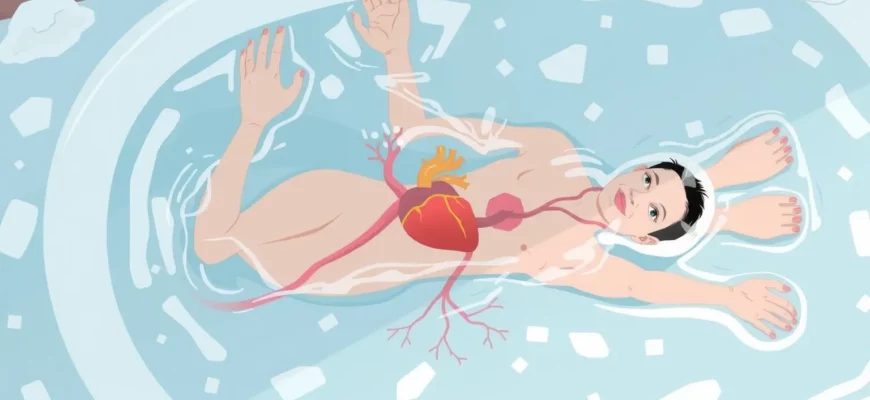
Beyond the surface-level chill‚ cold water immersion initiates a massive internal reorganization of blood flow and energy expenditure․ The primary mechanism at play is peripheral vasoconstriction‚ where the smooth muscles surrounding your blood vessels contract․ This process shunts blood away from the extremities and toward the vital organs in the thoracic cavity‚ ensuring that your heart‚ lungs‚ and brain remain oxygenated and warm while the external environment threatens to sap your heat․
This “vascular squeeze” acts as a form of exercise for your circulatory system‚ strengthening the walls of your arteries and veins․ Once you exit the water and begin to warm up‚ the vessels dilate rapidly‚ a process called vasodilation․ This rhythmic contraction and expansion helps to flush metabolic waste products from the deep tissues and enhances the overall efficiency of your nutrient delivery systems․ It is essentially a workout for your blood vessels that you cannot replicate through traditional cardio․
Brown Fat Activation and Your Metabolic Engine
One of the most compelling facts about cold plunge is its ability to transform how your body stores and burns energy․ Unlike white adipose tissue‚ which primarily stores calories‚ brown adipose tissue (BAT) is packed with mitochondria and functions as a thermogenic powerhouse․ When you are exposed to cold‚ your body activates these brown fat stores to generate heat through a process called non-shivering thermogenesis․
Regular cold exposure has been shown to “recruit” more brown fat‚ effectively turning your body into a more efficient furnace․ This shift in metabolic health means you are not just burning calories during the plunge‚ but elevating your resting metabolic rate for hours afterward․ Research indicates that the activation of UCP1 proteins within the mitochondria of brown fat allows the body to burn glucose and lipids specifically to create heat‚ which is a key factor in managing systemic insulin sensitivity․
Quick Reference: The Bodys Response Timeline
Understanding the temporal progression of cold immersion helps practitioners gauge their progress and ensure they are hitting the necessary physiological milestones without overextending themselves․
| Time Interval | Physiological Milestone | Primary Biological Driver |
|---|---|---|
| 0 ─ 30 Seconds | Acute Cold Shock Response | Massive surge in norepinephrine and adrenaline; gasping reflex occurs․ |
| 1 ─ 2 Minutes | Metabolic Shift | Peripheral vasoconstriction is fully engaged; shivering may begin to generate heat․ |
| 3 ౼ 5 Minutes | Hormetic Peak | Dopamine levels begin their steady climb; brown fat thermogenesis is highly active․ |
| 5+ Minutes | Increased Risk Zone | Core temperature begins to drop; benefits plateau while risk of afterdrop increases․ |
The Neurobiology of Ice: Dopamine‚ Mood‚ and Mental Resilience
The mental “high” associated with cold plunging is not just a placebo effect; it is rooted in a profound neurochemical shift․ Unlike the fleeting spike of dopamine associated with sugar or social media‚ the dopamine release triggered by cold water immersion is sustained and steady․ Studies have shown that a single cold plunge can increase plasma dopamine concentrations by up to 250%‚ with these levels remaining elevated for several hours after the session․
This sustained release contributes to a feeling of calm‚ focused energy that many users describe as a “post-plunge glow․” This isn’t just about feeling good; it’s about the neurobiology of resilience․ By forcing yourself to stay in the water when your brain is screaming at you to get out‚ you are strengthening the prefrontal cortex’s ability to override the amygdala․ This builds a form of “mental toughness” that translates directly to better stress management in your professional and personal life․
Why the Mental High Lasts Longer Than the Chill
While dopamine provides the mood lift‚ norepinephrine provides the focus․ This neurotransmitter acts as both a hormone and a chemical messenger in the brain‚ playing a critical role in vigilance and cognitive function․ Low levels of norepinephrine are often linked to lethargy and depression; cold water provides a natural‚ non-pharmacological way to bolster the brain’s supply of this vital chemical․
The scientific benefits of cold plunge also extend to the regulation of the hypothalamic-pituitary-adrenal (HPA) axis․ By repeatedly exposing yourself to the “controlled stress” of the cold‚ you essentially recalibrate your baseline stress response․ This leads to improved mental clarity and a higher threshold for frustration‚ as your brain becomes accustomed to maintaining high-level cognitive function even when the body is under significant physiological pressure․
The Science Behind Sauna and Cold Plunge: Contrast Therapy Explained
Contrast therapy‚ the practice of alternating between extreme heat and extreme cold‚ is a cornerstone of athletic recovery and longevity protocols․ This method‚ often called the “Nordic Cycle‚” utilizes the opposing forces of vasodilation (from the sauna) and vasoconstriction (from the ice) to create a powerful circulatory pump․ This pump moves lymph fluid through the body more effectively than almost any other recovery modality‚ accelerating the removal of cellular debris and inflammatory markers․
The interplay between heat shock proteins (HSPs) and cold-induced proteins (such as RNA-binding motif protein 3‚ or RBM3) creates a synergistic effect on cellular repair․ While the sauna helps to refold damaged proteins and protect cells from oxidative stress‚ the cold plunge reduces systemic inflammation and stimulates mitochondrial biogenesis․ Together‚ they provide a comprehensive “reset” for both the cardiovascular and immune systems․
Vasodilation vs․ Vasoconstriction: The Vascular Gym
When you sit in a sauna‚ your heart rate increases and your blood vessels dilate to move heat toward the skin’s surface for cooling․ Jumping immediately into a cold plunge causes those same vessels to snap shut instantly․ This rapid transition functions like a “vascular gym‚” improving the elasticity and tone of your entire circulatory network․
Beyond cardiovascular benefits‚ contrast therapy science suggests significant improvements in skin health and lymphatic drainage․ The increased blood flow brings fresh oxygen and nutrients to the dermis‚ while the lymphatic system—which lacks its own central pump—relies on these massive muscle and vessel contractions to move fluid toward the lymph nodes․ This results in reduced puffiness‚ faster muscle recovery‚ and a more robust immune response․
Common Misconceptions: Debunking Cold Water Myths
As cold plunging has moved into the mainstream‚ several myths have surfaced that can lead to suboptimal results or even physical danger; It is vital to separate the biological reality from the social media hype․
Myth: You must stay in the water for at least 10 minutes to see metabolic changes․
Fact: Most of the hormonal and neurotransmitter benefits occur within the first 2 to 5 minutes․ Staying in longer significantly increases the risk of hypothermia without providing proportional benefits․
Myth: The water needs to be near 32°F (0°C) to be effective․
Fact: Anything below 60°F (15°C) triggers the cold shock response․ For most people‚ temperatures between 45°F and 55°F are the “sweet spot” for balancing safety with physiological stimulus․
Myth: Cold plunging immediately after weightlifting is the best for muscle growth․
Fact: Cold immersion can actually blunt the inflammatory response needed for muscle hypertrophy․ It is better to wait at least 4 to 6 hours after strength training to plunge․
What Modern Research and National Geographic Say About Longevity
High-level observational studies‚ including those often highlighted by National Geographic when exploring “Blue Zones” and extreme athletes‚ suggest that regular cold exposure may be a key lever for longevity․ The mechanism likely involves the reduction of chronic‚ low-grade inflammation‚ often measured by C-reactive protein (CRP) levels․ By suppressing pro-inflammatory cytokines‚ cold water immersion may mitigate the long-term damage that leads to age-related diseases․
Research into the “Wim Hof” method and similar practices has shown that humans can consciously influence their innate immune response through cold and breathwork․ This has massive implications for autoimmune conditions․ By shifting the body’s cytokine profile from pro-inflammatory to anti-inflammatory‚ regular plungers may be able to maintain a more “youthful” immune system well into their later years․
How to Reduce Inflammation Without Blunting Muscle Growth
While the anti-inflammatory effects of cold are excellent for general health‚ they can be counterproductive if your primary goal is maximum muscle size․ The research behind cold plunge indicates that the acute inflammation following a heavy lifting session is the signal that tells your muscles to grow․ If you quench that “fire” too early with an ice bath‚ you may be diminishing the very gains you worked for in the gym․
To optimize your results‚ separate your cold plunging from your hypertrophy training․ Use the cold on rest days or at least six hours after your workout․ This allows the initial signaling molecules to do their job before the cold comes in to assist with systemic recovery and immune system modulation․ This nuanced approach ensures you get the neurologic and metabolic benefits without sacrificing your physical strength goals․
Staying Safe After a Cold Plunge: Avoiding the Afterdrop
One of the most misunderstood aspects of cold water immersion is what happens after you get out of the tub․ The “afterdrop” refers to the continued decline in your core body temperature even after you are in a warm environment․ This happens because as your peripheral blood vessels begin to dilate‚ the stagnant‚ cold blood from your limbs returns to your core‚ chilling your internal organs and heart․
To stay safe after a cold plunge‚ you must resist the urge to jump immediately into a scalding hot shower․ This can cause a rapid drop in blood pressure and worsen the afterdrop by forcing cold blood to the core too quickly․ Instead‚ focus on natural‚ active rewarming․ This allows your body to regain its temperature through its own metabolic processes‚ which further strengthens your thermoregulatory system․
The Horse-Stance and Active Rewarming
Many experienced practitioners use the “horse stance”—a wide‚ deep squat with rhythmic arm movements—to generate internal heat through muscle contraction immediately after exiting the water․ This engages the large muscle groups of the legs and core‚ forcing the body to produce heat naturally․ Shivering is also a highly effective‚ albeit uncomfortable‚ tool the body uses to warm itself; don’t fight it‚ as it is a sign your metabolic furnace is working․
Recognizing the difference between a normal cold response and hypothermia is critical․ While shivering and a slight loss of fine motor skills are normal‚ signs like slurred speech‚ extreme confusion‚ or the cessation of shivering while still cold are red flags․ Always have a dry towel and warm layers ready before you even enter the water to ensure a seamless transition to the rewarming phase․
Your Cold Plunge Protocol: A Science-Backed Action Plan
To get the most out of this practice without overtraining your nervous system‚ follow this structured approach based on the latest physiological research․
- The 11-Minute Rule: Aim for a total of 11 minutes of cold immersion per week․ This can be broken down into 2 to 3 sessions of 3-5 minutes each․
- Temperature Range: Start between 55°F and 60°F․ As you adapt‚ you can move down to the 45°F to 50°F range․ Consistency is more important than extreme cold․
- Master the Exhale: Focus on a long‚ slow exhale (6-8 seconds) the moment you enter the water to counteract the gasping reflex and engage the parasympathetic nervous system․
- Timing Matters: Avoid plunging immediately after hypertrophy-focused weightlifting․ Use it in the morning for a dopamine-driven energy boost or on recovery days․
- Active Rewarming: Dry off immediately‚ put on layers‚ and move your body․ Avoid hot external heat sources for at least 15-20 minutes post-plunge․
Expert Perspective: Cold Water Immersion Physiology
In my professional experience working with high-performance athletes‚ the biggest mistake people make is chasing the “lowest temperature” rather than the “minimum effective dose․” I always advise my clients to focus on the 11-minute weekly total rule․ Research consistently shows that once you hit this threshold‚ you’ve triggered the majority of the metabolic and hormonal benefits․ Pushing for 33-degree water or 20-minute sessions often leads to adrenal fatigue and suppressed thyroid function․ Remember‚ we are using the cold as a surgical tool to sharpen the body’s resilience‚ not a sledgehammer to break it․ Consistency and mental control are the true markers of success‚ not how many bags of ice you can dump in a tub․
Frequently Asked Questions
Most research suggests that 2 to 5 minutes is the optimal window for triggering the dopamine spike and metabolic benefits․ Aiming for a total of 11 minutes per week‚ spread across multiple sessions‚ is the current gold standard for long-term health gains․
Does a cold plunge really help with anxiety and depression?
Yes‚ by inducing a massive release of norepinephrine and dopamine‚ cold immersion can significantly improve mood and focus․ Furthermore‚ the practice of “top-down control” over the cold shock response builds psychological resilience that helps practitioners manage everyday stressors more effectively․
Can I cold plunge every day?
Daily plunging is generally safe for healthy individuals‚ but it should be treated as a stressor․ If you are already under high physical or mental strain‚ you may want to limit sessions to 3-4 times a week to avoid overtaxing your nervous system․
What is the best temperature for a cold plunge according to science?
Science suggests that the water should be “uncomfortably cold but safe․” For most people‚ this falls between 45°F and 58°F (7°C – 14°C)․ There is no significant evidence that water near freezing provides more benefits than water in the high 40s․
Is a cold shower as effective as a full cold plunge?
While cold showers provide some benefits‚ they lack the hydrostatic pressure and full-body surface area contact of a plunge․ Immersion is significantly more potent for triggering the dive reflex and deep-tissue vasoconstriction required for the full physiological response․