- Why Rewilded Retreats are the Future of Purposeful Travel
- Moving Beyond Sustainability to Active Restoration
- The Science of Healing the Soil: Rewilding Complex Ecosystems
- From Monocultures to Thriving Rewilding Biomes
- Restoration vs. Traditional Conservation: Understanding the Difference
- Deciding When to Intervene in a Rewilding Landscape
- The Majesty of the Peaks: The Vision for Rewilding a Mountain
- Lessons from the Affric Highlands Rewilding Project
- Deep Roots: The Nuance of Forest Rewilding and Woodlands
- Creating Corridors Across Large Tracts of Land
- Essential Steps for Transforming Your Own Land
- A Roadmap to Rewild the Area Safely and Effectively
- Balancing Humanity and Nature: The Rewilding Cultural Landscape
- Stewardship and the Evolution of Large Estates
- Expert Perspective: Ecological Integrity Over Aesthetic Wildness
- Frequently Asked Questions
Why Rewilded Retreats are the Future of Purposeful Travel
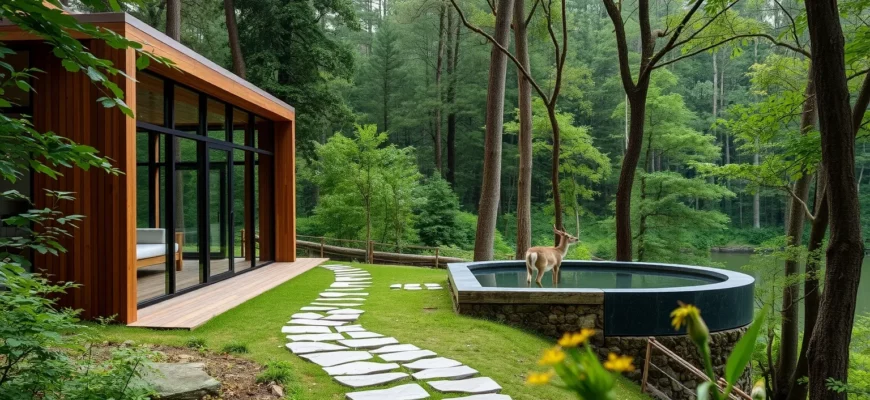
The hospitality industry is undergoing a radical shift where the traditional luxury of manicured lawns and sterile environments is being replaced by the raw, untamed beauty of functional ecosystems. Rewilded retreats represent a new frontier in travel, functioning as active conservation hubs where guest revenue directly funds the restoration of degraded landscapes.
These destinations are not merely hotels situated in nature; they are the primary engines of ecological recovery. By choosing to stay at a site dedicated to rewilding land, travelers move from being passive observers to active participants in a global movement to heal the planet.
Moving Beyond Sustainability to Active Restoration
For decades, the gold standard of travel was “sustainability”—the idea of minimizing one’s footprint and doing less harm. However, in an era of rapid biodiversity loss, simply doing less harm is no longer sufficient to secure a stable future. The focus has pivoted toward regenerative travel models that leave a destination measurably better than it was found.
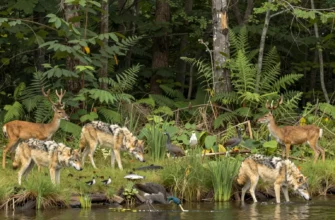
At a rewilded retreat, the guest experience is deeply intertwined with the rewilding and restoration narrative. Visitors might find themselves tracking the progress of newly introduced keystone species or learning how a formerly depleted pasture is transitioning back into a scrubland mosaic. This shift creates a profound emotional connection, as guests see their presence as a catalyst for environmental healing rather than a burden on the earth.
The Science of Healing the Soil: Rewilding Complex Ecosystems
True rewilding is a complex biological endeavor that begins far beneath the surface of the earth. It is a departure from the “gardening” approach to nature, focusing instead on restoring the underlying processes that allow life to flourish without constant human interference.
A healthy landscape is a self-regulating system driven by interactions between fungi, bacteria, insects, and large herbivores. When we talk about rewilding complex ecosystems, we are discussing the re-establishment of the nitrogen and carbon cycles that industrial land use has historically fractured.
From Monocultures to Thriving Rewilding Biomes
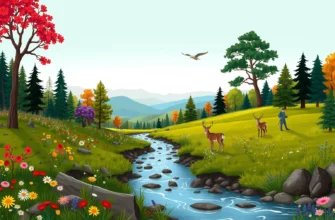
Most modern landscapes are the result of centuries of simplification, where diverse habitats were replaced by monoculture crops or uniform timber plantations. Breaking this cycle requires more than just stopping the plow; it requires a deep understanding of natural succession. In a rewilding zone, the goal is to encourage a messy, non-linear progression of species that creates a resilient biological shield.
By allowing a rewilding biome to develop naturally, we invite a higher degree of structural diversity; This means a mix of open grasslands, thorny thickets, and emerging woodlands. Such a variety of habitats is essential for supporting a rewilding natural habitat where insects, birds, and small mammals can find specialized niches that don’t exist in tidy, human-managed parks.
Restoration vs. Traditional Conservation: Understanding the Difference
It is common to confuse rewilding with traditional conservation, but the philosophies differ in their ultimate goals. Traditional conservation often seeks to freeze a landscape in a specific historical state, often requiring intensive manual labor to keep “invasive” species out or “target” species in. Rewilding, conversely, is about letting go of the steering wheel and allowing nature to decide the outcome.
| Feature | Traditional Conservation | Process-Led Rewilding |
|---|---|---|
| Primary Goal | Preservation of specific species or habitats. | Restoration of natural ecosystem processes. |
| Human Intervention | High; ongoing weeding, culling, and planting. | Low; initial kickstart followed by “hands-off” management. |
| Landscape Vision | Static; maintaining a specific “look” or era. | Dynamic; the landscape is constantly shifting and evolving. |
| Management Style | Prescriptive and control-oriented. | Observational and adaptive. |
Deciding When to Intervene in a Rewilding Landscape
While the end goal of rewilding landscapes is to have a self-sustaining system, the initial phases often require a “nudge” to overcome the inertia of degradation. This might involve removing drainage pipes to restore natural hydrology or introducing “proxy” herbivores like hardy cattle to mimic the grazing patterns of extinct wild oxen.
In many rewilding areas, the hardest part for land managers is knowing when to stop. Once the essential components—water, soil health, and keystone species—are in place, the most effective management strategy is often to simply step back and observe how the land responds.
The Majesty of the Peaks: The Vision for Rewilding a Mountain
Mountains are often viewed as the last bastions of wilderness, yet many are ecological shadows of their former selves. Centuries of overgrazing by sheep and deer have stripped the high-altitude slopes of their natural cover, leading to “wet deserts” where little biodiversity survives. Rewilding a mountain is a vertical challenge that requires thinking about how ecosystems connect from the valley floor to the highest crags.
The restoration of these heights is critical for preventing downstream flooding and landslides. When a mountain is allowed to regrow its natural “skin” of mosses, shrubs, and trees, it acts as a giant sponge that regulates water flow and captures significant amounts of atmospheric carbon.
Lessons from the Affric Highlands Rewilding Project
The Affric Highlands project in Scotland serves as a global blueprint for large-scale upland recovery. This initiative demonstrates that to truly rewild the mountain, you must look beyond property boundaries and work at a landscape scale. By reducing the density of browsing animals, the project has allowed the rare montane scrub—dwarf willows and birches—to return to altitudes where they haven’t been seen for generations.
This project proves that scaling restoration to cover entire mountain ranges is not just a dream but a biological necessity. As these high-altitude plants return, they provide critical nesting sites for birds like the ring ouzel and stabilize the thin, fragile soils that are most vulnerable to climate change.
Deep Roots: The Nuance of Forest Rewilding and Woodlands
Forest rewilding is frequently misunderstood as a simple tree-planting exercise. In reality, a forest is much more than a collection of trees; it is a complex web of interactions involving deadwood, soil mycelium, and light gaps. True rewilding woodlands focus on creating a multi-layered canopy where trees of all ages coexist, providing a continuous cycle of life and decay.
Deadwood is perhaps the most underrated component of a healthy forest. In managed timber lands, fallen trees are removed, but in a rewilding context, standing and fallen deadwood provides the essential habitat for one-third of all forest biodiversity, including specialized fungi and wood-boring beetles.
Creating Corridors Across Large Tracts of Land
One of the greatest threats to wildlife is habitat fragmentation. Even a healthy forest can become a biological island if it is surrounded by hostile farmland. Rewilding tracts of land focuses on creating “ecological corridors” that allow species to migrate, find mates, and adapt to shifting climate zones.
By connecting fragmented patches, we ensure that a local extinction event in one area can be naturally recolonized by individuals from another. This habitat connectivity is the secret to long-term resilience, ensuring that large-scale rewilding efforts result in a landscape that is more than the sum of its parts.
Essential Steps for Transforming Your Own Land
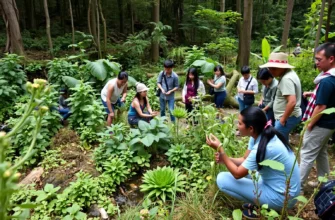
You don’t need to own a thousand-acre estate to contribute to the rewilding movement. Whether you have a small backyard or a multi-acre field, the principles of restoration remain the same; The goal is to remove the obstacles we have placed in nature’s way and let the local seed bank do the rest.
Transforming a plot of land is a journey of patience. It requires moving away from the desire for immediate “neatness” and embracing the inherent beauty of a landscape that is finding its own balance.
- Conduct a Baseline Biodiversity Audit: Before changing anything, document the plants, insects, and birds currently present to track your progress over time.
- Remove Artificial Barriers and Drainage: Take down unnecessary fences to allow wildlife movement and block old drainage ditches to restore the natural moisture levels of the soil.
- Eliminate Invasive Non-Native Species: Identify and remove aggressive plants that outcompete native flora, giving the local seed bank a chance to emerge.
- Introduce Natural Disturbance: If the land is large enough, use “pulsed grazing” with rare breed livestock to mimic the way wild herds would have broken up the soil and created light gaps.
- Practice Radical Non-Intervention: Once the initial changes are made, resist the urge to mow, tidy, or “fix” the area. Let the messy complexity of natural succession take over.
A Roadmap to Rewild the Area Safely and Effectively
When you begin to rewild the area, it is vital to communicate with your neighbors and local community. A rewilded plot can sometimes look “neglected” to the untrained eye, so sharing your vision of biodiversity recovery can help shift the local cultural perception of what a “good” landscape looks like.
Success in rewild land projects is often measured by the return of “indicator species.” When you see your first orchid appearing in a meadow or a specific type of butterfly that requires a certain host plant, you know that the invisible layers of the ecosystem are starting to mesh back together.
Balancing Humanity and Nature: The Rewilding Cultural Landscape
Rewilding is often framed as “removing humans,” but this is a misconception. Humans have been part of the landscape for millennia, and the goal of a rewilding cultural landscape is to find a new way of coexisting where nature is a partner rather than a resource to be exploited. This involves rethinking our relationship with large estates and historical lands.
In many parts of the world, traditional land management—such as high-intensity sheep farming or grouse moors—is becoming economically unviable. Rewilding offers a new economic lease on life for these regions through eco-tourism, carbon credits, and sustainable foraging.
Stewardship and the Evolution of Large Estates
We are seeing a fascinating shift in how large estates, including some that could be considered rewild royal land, are managed. Instead of maintaining vast, empty landscapes for sport, forward-thinking landowners are pivoting toward becoming stewards of biodiversity.
This evolution allows for the preservation of cultural heritage while inviting nature back into the heart of the estate. It creates a richer, more vibrant landscape where historical architecture sits alongside thriving wetlands and ancient woodland ghosts, proving that we can honor our past while building a wilder, more resilient future;
Expert Perspective: Ecological Integrity Over Aesthetic Wildness
In my professional experience as a conservation biologist, the biggest mistake people make is chasing an “aesthetic” of wildness rather than functional health. I always advise landowners that a truly rewilded site might look “ugly” or “scrubby” for the first decade; this is actually a sign of success. High-density information from soil samples tells us more about restoration than a pretty view does. If you aren’t seeing an explosion of “pest” insects first, your trophic layers aren’t rebuilding. We must prioritize the return of the uncharismatic species—the dung beetles and soil microbes—over the “Instagrammable” vistas if we want these retreats to be anything more than greenwashed marketing.
Frequently Asked Questions
A rewilded retreat is a hospitality site located on land where active ecological restoration is the primary goal, allowing natural processes and keystone species to lead the landscape’s development.
How long does it take for a rewilding zone to show results?
Initial results, such as increased insect and bird populations, can happen within 1–3 years, while complex forest structures and soil carbon stabilization may take 30 to 100 years to fully mature.
Can you rewild a mountain that has been overgrazed for centuries?
Yes, by removing high-density grazing pressure and potentially replanting “seed islands” of native montane scrub, even the most degraded peaks can begin to regenerate their natural vegetation;
What is the difference between forest rewilding and a timber plantation?
Forest rewilding focuses on biological diversity, natural regeneration, and the presence of deadwood, whereas timber plantations are typically monocultures designed for maximum wood yield with minimal ecological value.
Does rewilding land increase the risk of wildfires?
Actually, rewilded landscapes are often more resilient; restored wetlands and diverse deciduous woodlands act as natural firebreaks compared to the uniform, dry fuel loads found in neglected or monoculture pine forests.
How can small tracts of land contribute to larger rewilding landscapes?
Small plots act as “stepping stones” for wildlife, providing essential food and shelter for migrating species as they move between larger protected rewilding areas.