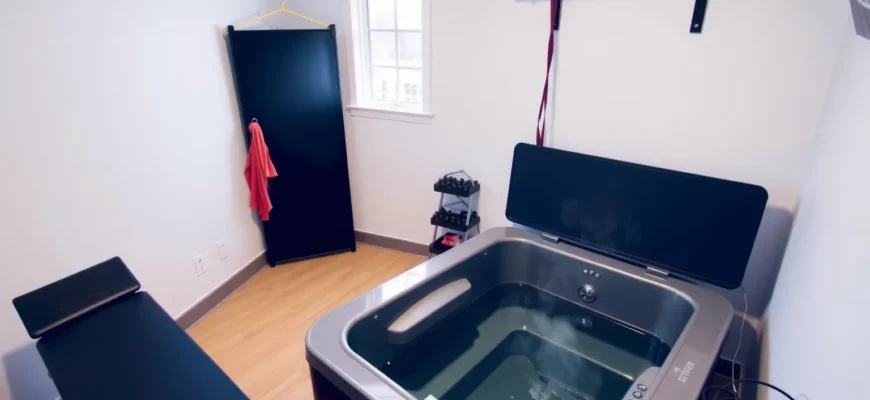
- Finding the Best Cold Plunge Tubs with a Compact Design for Your Small Home Gym
- Why Footprint Matters More Than Volume in Small Gyms
- Smart Features to Look for in Compact Cold Plunge Tubs for Home Use
- The Role of Integrated vs․ External Chillers
- Maximizing Comfort: Cold Plunge Tubs with Ergonomic Seating
- Depth Over Width: The Vertical Advantage
- Commercial Cold Plunge Tubs for Gyms vs․ Luxury Residential Models
- Durability Standards for Fitness Studios
- Essential Installation Steps for Tight Quarters
- Managing Humidity and Drainage Indoors
- Common Mistakes to Avoid When Choosing a Compact Tub
- Frequently Asked Questions
Finding the Best Cold Plunge Tubs with a Compact Design for Your Small Home Gym
Integrating a high-performance recovery station into a home fitness environment no longer requires a sprawling commercial floor plan․ The recent surge in cold water immersion has pushed manufacturers to innovate, moving away from bulky, horizontal troughs toward sleek, vertical units that prioritize a minimal footprint․
For most homeowners, the primary hurdle isn’t the cost of the equipment, but the spatial logistics of fitting a high-tech cooling system into a spare bedroom or a crowded garage․ By selecting a tub specifically engineered for space-saving recovery, you can maintain your workout flow while gaining the physiological benefits of rapid inflammation reduction and metabolic boosting․
Space-saving recovery tools are the cornerstone of the modern biohacking movement, allowing athletes to perform daily hydrotherapy without sacrificing the area needed for a power rack or cardio equipment․ Choosing the right model requires a balance between external dimensions and internal ergonomics․
Why Footprint Matters More Than Volume in Small Gyms
When assessing a cold plunge for a small gym, the total water volume is a secondary metric compared to the actual floor space the unit occupies․ Vertical plunge tanks have become the gold standard for tight quarters because they utilize height to achieve full body submersion rather than length․
A vertical design allows a user to sit in an upright, seated position, which naturally occupies about 30% less floor space than a traditional horizontal tub․ To maximize your small gym equipment layout, always measure the total “working area” which includes a minimum of 18 inches of clearance around the chiller to ensure proper airflow and heat dissipation․
How to save space effectively involves more than just picking a small tub; it requires strategic placement near existing drainage or power sources․ If your gym is on a second floor, calculate the floor load capacity by factoring in that water weighs approximately 8․34 pounds per gallon, plus the weight of the tub and the occupant․
Smart Features to Look for in Compact Cold Plunge Tubs for Home Use
The engineering behind compact tubs has evolved to include high-density insulation and integrated components that once required separate housings․ Modern units often feature “all-in-one” designs where the pump, filter, and chiller are tucked neatly beneath the tub or within a side-mounted cabinet․
These integrated systems are essential for maintaining a clean aesthetic and preventing a “cluttered” look in multi-purpose rooms․ When evaluating features, look for 20-micron filtration and ozone sanitation, which keep the water crystal clear for months without the need for frequent, space-consuming water changes․
| Feature | Standard Commercial Tub | Compact Home Model |
|---|---|---|
| Average Footprint | 7ft x 4ft (28 sq․ ft) | 5ft x 2․5ft (12․5 sq․ ft) |
| Chiller Configuration | External 1HP+ Unit | Integrated or Side-Mount 1/4HP |
| Weight (Filled) | 1,500 lbs ー 2,200 lbs | 700 lbs ⎯ 1,100 lbs |
| Power Requirement | Dedicated 220V / 20A | Standard 110V / 15A (GFI) |
The Role of Integrated vs․ External Chillers
The choice between an integrated and an external chiller significantly impacts both the noise profile and the ventilation requirements of your gym․ Integrated chillers provide a streamlined look but can be more challenging to service if a component fails․
Quiet cold plunge systems are a priority for indoor setups, as the hum of a cooling fan can be disruptive in a small, enclosed space․ Ensure your chiller ventilation is unobstructed by placing the exhaust side at least 24 inches away from walls to prevent the unit from recycling its own hot air, which can cause the compressor to overheat and fail prematurely․
External chillers, while taking up more floor space, often offer higher cooling speeds and easier access for filter changes․ If you opt for an external unit, consider mounting the chiller on a wall shelf or a raised platform to reclaim valuable floor real estate for other fitness gear․
Maximizing Comfort: Cold Plunge Tubs with Ergonomic Seating
There is a common misconception that a smaller tub footprint inevitably leads to a cramped, uncomfortable experience․ In reality, ergonomic seating designs allow for a more natural posture that facilitates the deep, controlled breathing necessary to endure sub-50-degree water․
A well-designed compact tub should support the natural curve of the spine and provide a slight recline, even in a vertical configuration․ This prevents the “knees-to-chest” posture that can cause muscle tension and make the three-minute plunge feel significantly longer and more stressful․
Ergonomics also play a role in safety; textured floor surfaces and strategically placed grab bars are essential for safely entering and exiting the tub when your limbs are numbed by the cold and your coordination is slightly diminished․
Depth Over Width: The Vertical Advantage
For taller users, depth is the most critical dimension in a space-saving tub․ A deep soak tub allows for water to reach above the shoulders while the user remains in a comfortable seated position, ensuring the vagus nerve is fully submerged for maximum parasympathetic activation․
Learning how to sit comfortably in a cold plunge involves finding a unit with a tapered interior․ This design provides more shoulder room at the top while narrowing at the base to save water and reduce the overall weight of the unit․ Look for a minimum internal depth of 30 inches to ensure a 6-foot-tall user can achieve full chest submersion without struggling․
Vertical tanks also offer a psychological advantage; the upright posture feels less “trapped” than lying down in a narrow trough․ This can be a major factor in maintaining a consistent recovery habit over the long term, especially for those who struggle with the initial cold shock response․
Commercial Cold Plunge Tubs for Gyms vs․ Luxury Residential Models
Deciding between a commercial-grade unit and a luxury residential model often comes down to the expected “duty cycle” of the equipment․ Commercial units are built to run 24/7 and can handle the thermal load of back-to-back users without the water temperature rising significantly․
Luxury residential models, however, focus more on aesthetics and “whisper-quiet” operation․ These tubs often feature high-end finishes like cedar paneling or marine-grade acrylics that blend seamlessly with home decor, whereas commercial units prioritize stainless steel and industrial plastics for maximum durability under heavy use․
| Model Category | Pros | Cons |
|---|---|---|
| Luxury Residential | Energy efficient, aesthetically pleasing, integrated filtration, quieter operation․ | Higher upfront cost, slower cooling recovery times between multiple users․ |
| Commercial Grade | Rapid cooling, heavy-duty UV sanitation, built for high traffic, extremely durable․ | Industrial “appliance” look, louder fans, requires more space for heavy-duty chillers․ |
Durability Standards for Fitness Studios
If you are outfitting a small boutique fitness studio, you cannot cut corners on the filtration system․ High-traffic recovery tools require advanced UV-C or ozone filtration systems that can neutralize pathogens in real-time as users move in and out of the water․
Commercial ice bath maintenance is more intensive than home use, requiring daily water testing and weekly filter rinses․ Investing in a tub with a programmable timer allows you to schedule cooling cycles and filtration bursts during off-hours, extending the life of the motor and reducing energy costs for your business․
For a home user who plans on only one or two plunges a day, a luxury residential unit with a 1/4 HP chiller is usually sufficient․ However, if you plan to host “plunge parties” or have multiple family members using the tub, a mid-range commercial chiller will be necessary to keep the water at the target temperature․
Essential Installation Steps for Tight Quarters
Setting up a cold plunge indoors requires more than just an outlet and a water source․ You must consider the long-term impact of moisture, weight, and vibration on your home’s infrastructure․ A successful installation begins with a solid, level foundation that can handle the static load of the filled tub․
Electrical safety is paramount․ Always use a dedicated GFCI (Ground Fault Circuit Interrupter) outlet located at least five feet away from the tub to prevent accidental splashes from reaching the electrical connection․ Never use extension cords for a chiller, as the high amperage draw can lead to overheating and potential fire hazards․
- Verify Floor Strength: Ensure the subfloor can support at least 150 lbs per square foot․
- Level the Surface: Use a spirit level to check the floor; an unlevel tub puts uneven pressure on the seams and can cause leaks․
- Install a Vapor Barrier: Place a heavy-duty rubber mat under the tub to catch condensation and protect the floor from splashes․
- Ensure Proper Airflow: Keep at least 12-24 inches of space between the chiller vents and any walls or equipment․
- Test Water Quality: Fill the tub and run the filtration for 24 hours before the first use to ensure all plumbing seals are tight․
Managing Humidity and Drainage Indoors
An indoor cold plunge setup will inevitably introduce humidity into the room․ While the water is cold, the chiller generates heat and condensation can form on the exterior of the tub or pipes if they are not properly insulated․
To prevent mold in home gyms, install a high-CFM exhaust fan or use a dedicated dehumidifier in the recovery zone․ This is especially important in basement gyms or small spare rooms where natural ventilation is limited․ For drainage, a submersible utility pump is the most efficient way to empty a tub in a room without a floor drain, allowing you to pump the water directly into a nearby sink or bathtub․
Using floor mats to protect your gym is non-negotiable․ Choose non-porous, high-density rubber that won’t absorb water or harbor bacteria․ Wipe down the exterior of the tub and the surrounding floor after every session to maintain a clean, professional-looking environment․
Common Mistakes to Avoid When Choosing a Compact Tub
The excitement of adding a cold plunge to your routine can lead to oversight in the planning phase․ One of the most frequent errors is underestimating the “total height” required for the user to comfortably climb into the tub․ If you have low ceilings, a tall vertical tank might make entry and exit difficult or even dangerous․
Critical Warning: Never place a cold plunge on an upper floor without a professional structural assessment․ A 100-gallon tub weighs nearly 1,000 lbs when occupied, which can exceed the safety limits of standard residential joists․
- Ignoring Noise Levels: Cheap chillers can be as loud as a commercial vacuum cleaner․ Always check the decibel rating if the tub is near a bedroom or office․
- Forgetting About Maintenance Access: Don’t “box in” your tub so tightly that you can’t reach the filter or the drain valve for routine servicing․
- Overlooking Insulation: A poorly insulated tub will cause the chiller to run constantly, skyrocketing your electric bill and wearing out the compressor․
- Buying for Price Over Specs: Inexpensive “portable” pods often lack proper filtration, leading to “swamp water” within days and requiring constant cleaning․
In my professional experience designing high-end fitness facilities, the most common error is failing to account for the “human factor” in the layout․ I always advise clients to maintain a 36-inch clear path to the tub for safety, but in rooms under 150 square feet, you can get away with 24 inches if you use a vertical tank․ The key is the “working clearance” around the chiller․ I have seen countless $5,000 systems fail within the first year because they were shoved into a corner with no airflow․ Always prioritize chiller ventilation over aesthetic placement; your equipment’s lifespan depends on it․
Frequently Asked Questions
Yes, most compact vertical units have a footprint of roughly 3ft x 5ft, making them suitable for rooms as small as 10×10 feet, provided the floor can support the weight․
What are the electrical requirements for a home cold plunge?
Most residential models run on a standard 110V/15A circuit, but you must use a dedicated GFCI-protected outlet to ensure safety in wet environments․
How do you drain a cold plunge tub in a small indoor gym?
If a floor drain isn’t available, use a submersible utility pump and a garden hose to direct the water to the nearest sink, toilet, or outdoor drainage point․
Is ergonomic seating really necessary for a 3-minute plunge?
Yes, because proper posture facilitates deeper diaphragmatic breathing, which helps regulate the nervous system and improves your overall tolerance to the cold․
Can I use a commercial-grade tub in my small home gym?
You can, but be prepared for higher noise levels and increased heat output from the more powerful chiller, which may require upgraded ventilation in a small room․