- Understanding the Core Beneficios Cold Plunge for Physical Performance
- How to Reduce Inflammation and Speed Up Muscle Repair
- Boosting Your Immune System Through Controlled Stress
- Beyond the Ice: The Neurochemical Shift and Mental Clarity
- The Dopamine Factor: Long-Lasting Focus and Mood Elevation
- Building Mental Resilience and Stress Tolerance
- Common Misconceptions: Cold Plunge Myths vs. Biological Facts
- A Step-by-Step Protocol for Safe Cold Water Immersion
- Temperature and Timing: Finding the Sweet Spot
- Maximizing Your Results: Dos and Don’ts of Cold Therapy
- Who Should Avoid Cold Plunges? Safety First
- Staying Safe After a Cold Plunge: Avoiding the Afterdrop
- Expert Perspective: The Power of Gradual Adaptation
- Frequently Asked Questions
Understanding the Core Beneficios Cold Plunge for Physical Performance
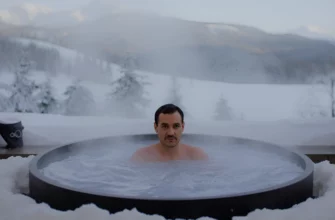
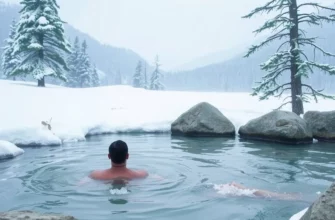
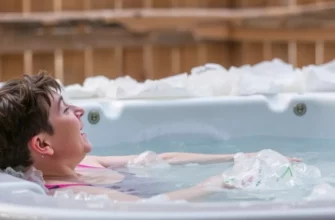
Cold water immersion is no longer a niche recovery tool reserved for elite marathon runners or professional fighters. When you submerge your body in water typically ranging from 50°F to 59°F‚ you trigger a systemic biological reaction known as the cold shock response. This immediate physiological shift forces your cardiovascular and lymphatic systems into high gear‚ laying the groundwork for rapid physical restoration and long-term adaptation.
How to Reduce Inflammation and Speed Up Muscle Repair
The most immediate effect of a cold plunge is intense vasoconstriction. As the cold hits your skin‚ your blood vessels rapidly tighten‚ shunting blood away from your extremities and toward your vital organs to maintain core temperature. This process is highly effective for reducing swelling and edema in muscle tissues that have been micro-damaged during intense training sessions.
Once you exit the water and begin the warming process‚ your vessels undergo vasodilation‚ which creates a “flushing” effect. This surge of fresh‚ oxygenated blood helps move metabolic waste products like lactic acid out of the muscle tissue. By accelerating this nutrient exchange‚ athletes often experience a significant reduction in delayed onset muscle soreness (DOMS)‚ allowing for a faster recovery and more consistent training volume. Research suggests that while cold plunges might slightly blunt immediate hypertrophy signals if done too soon after lifting‚ the benefits for overall blood flow and systemic inflammation management are unparalleled for high-frequency performers.
Boosting Your Immune System Through Controlled Stress
The concept of hormesis is central to why cold water therapy works. Hormesis is the biological phenomenon where a brief‚ controlled stressor—like extreme cold—triggers a protective and strengthening response within the body. When you plunge‚ your body perceives a threat and responds by increasing the production of leukocytes and circulating white blood cells.
Regular practitioners often report fewer seasonal illnesses because their immune response is constantly being “tested” and refined. This isn’t just anecdotal; studies have shown that cold exposure increases the concentrations of plasma cytokines and activates the sympathetic nervous system. By forcing the body to manage thermal stress in a controlled environment‚ you are essentially training your immune system to remain vigilant and robust against external pathogens.
Beyond the Ice: The Neurochemical Shift and Mental Clarity
The physical benefits are often what get people into the water‚ but the mental clarity is what keeps them coming back. Cold water immersion acts as a powerful reset button for the brain‚ altering your internal chemistry in ways that few pharmaceutical interventions can match. It is a raw‚ non-habit-forming method to sharpen focus and stabilize mood.
The Dopamine Factor: Long-Lasting Focus and Mood Elevation
One of the most profound effects of cold water immersion is its impact on dopamine‚ the neurotransmitter responsible for motivation and reward. Scientific literature‚ specifically from researchers like Dr. Andrew Huberman‚ highlights that a cold plunge can lead to a 250% increase in baseline dopamine levels. Unlike the “spike and crash” associated with caffeine or sugar‚ the dopamine release from cold exposure is sustained‚ often lasting for several hours after you’ve dried off.
This steady elevation provides a consistent mood booster and a sense of mental energy that makes you feel alert and prepared for complex tasks; It is a natural way to combat brain fog and lethargy without the jitters. Because the release is gradual and prolonged‚ practitioners often find they have a sharper cognitive edge throughout the entire workday‚ making it an excellent tool for professionals in high-pressure environments.
Building Mental Resilience and Stress Tolerance
Submerging yourself in freezing water is inherently uncomfortable. Your brain’s immediate reaction is a frantic “get out” signal. By consciously overrunning that impulse and choosing to stay calm‚ you are practicing top-down control of the prefrontal cortex. This is the essence of building grit and mental resilience.
Training your nervous system health through the “cold shock” allows you to practice staying calm under pressure. When you face a stressful meeting or a personal crisis later in the day‚ your brain draws on the same neural pathways used to stay still in the ice bath. You become less reactive to external stressors‚ effectively widening your window of tolerance and improving your ability to navigate life’s challenges with a composed‚ steady mindset.
Common Misconceptions: Cold Plunge Myths vs. Biological Facts
The rising popularity of cold therapy has led to several myths that can confuse beginners or lead to suboptimal results. It is important to separate marketing hype from biological reality to ensure you are getting the most out of your practice.
| Common Myth | Biological Fact |
|---|---|
| The water must be near freezing (32°F) to work. | Most benefits‚ including dopamine release and inflammation reduction‚ occur between 50°F and 59°F. Going colder increases risk without significantly increasing rewards. |
| You should stay in as long as possible. | Overexposure leads to hypothermia and afterdrop. Most research suggests a cumulative 11 minutes per week‚ divided into short sessions‚ is the optimal dose. |
| Cold plunging burns thousands of calories. | While it activates brown fat (thermogenesis)‚ the actual calorie burn is modest. It is a metabolic health tool‚ not a magic weight loss pill. |
| You should take a hot shower immediately after. | Ending on cold forces the body to reheat itself naturally‚ which maximizes metabolic benefits and prevents the “afterdrop” of core temperature. |
A Step-by-Step Protocol for Safe Cold Water Immersion
Entering the world of cold therapy requires more than just a bucket of ice; it requires a strategy to ensure safety and efficacy. As the “beneficios cold plunge” trend grows globally‚ a standardized approach helps prevent common injuries like cold shock-induced hyperventilation.
- Prepare Your Environment: Ensure you have a towel‚ warm clothes‚ and a safe exit path ready before you even touch the water.
- Control Your Breathing: Before entering‚ take three to five deep‚ slow breaths. As you submerge‚ exhale slowly through your mouth to counteract the natural gasping reflex.
- Submerge to the Neck: To activate the most significant vagus nerve stimulation and cold shock response‚ submerge up to your collarbone. Keep your hands out if you are a beginner to reduce the initial pain.
- Find Stillness: Do not move around in the water. Moving breaks the “thermal layer” of slightly warmer water that your body creates around your skin‚ making the experience unnecessarily painful.
- Exit and Warm Up Naturally: Once your time is up‚ stand up slowly. Use the horse stance or light movement to generate internal heat rather than rushing to a heater.
Temperature and Timing: Finding the Sweet Spot
Consistency is far more important than intensity when it comes to cold therapy. For most people‚ a safe duration is between two and five minutes per session. If the water is at 50°F‚ two minutes is often plenty to trigger the desired hormonal response.
Following the “11-minute rule”—which suggests a total of 11 minutes of cold exposure spread across a full week—is a science-backed way to ensure you are achieving brown fat activation and metabolic health without overtaxing your adrenals. Always use a thermometer to verify your water temperature‚ as “feeling cold” is subjective and can be deceptive depending on your current state of fatigue.
Maximizing Your Results: Dos and Don’ts of Cold Therapy
To turn cold plunging into a sustainable habit‚ you must avoid the “ego-plunging” trap. The goal is health optimization‚ not survival at all costs.
- Do: Focus on your exhale. Long‚ slow breaths tell your brain you are safe‚ which helps transition the body from a sympathetic (fight-or-flight) to a parasympathetic (rest-and-digest) state.
- Do: Plunge in the morning. The spike in cortisol and dopamine is a natural wake-up call that aligns with your circadian rhythm.
- Don’t: Hold your breath. This increases internal pressure and can lead to lightheadedness or fainting in the water.
- Don’t: Use a cold plunge as a “sobering up” tool after consuming alcohol. Alcohol impairs your body’s ability to regulate temperature‚ significantly increasing the risk of hypothermia.
- Don’t: Compete with others. Your individual cold tolerance fluctuates based on sleep‚ stress‚ and nutrition. Listen to your body every single day.
Who Should Avoid Cold Plunges? Safety First
While the benefits are extensive‚ cold water immersion is a significant stressor on the cardiovascular system. When you hit the cold‚ your heart rate and blood pressure spike instantly. For individuals with underlying heart conditions‚ arrhythmias‚ or high blood pressure‚ this sudden load can be dangerous. Always consult a medical professional before starting a cold plunge routine if you have any history of cardiovascular issues or Raynaud’s disease.
Staying Safe After a Cold Plunge: Avoiding the Afterdrop
The “afterdrop” is a phenomenon where your core body temperature continues to fall even after you have exited the cold water. This happens because cold blood from your extremities begins to circulate back to your core once you start moving and warming up. To manage this safely‚ avoid jumping straight into a hot shower or sauna immediately after a plunge‚ as this can cause a rapid drop in blood pressure and lead to fainting.
Instead‚ dry off‚ put on layers‚ and let your body do the work. Shivering naturally is a good sign; it is your body’s way of generating heat through muscle friction and is a key component of the metabolic benefit. Sip a warm (not hot) drink and allow your heart rate to stabilize before moving on with your day.
Expert Perspective: The Power of Gradual Adaptation
In my professional experience working with high-performance athletes‚ I have found that the biggest mistake people make is treating the cold plunge like a test of toughness rather than a biological tool. I always advise starting with 60 seconds at 60°F and slowly working your way down. The real magic happens when you make this a consistent habit. Consistency is what triggers brown fat activation‚ which turns your body into a more efficient furnace. If you go too cold too fast‚ you’ll burn out your central nervous system. Think of it like weightlifting: you wouldn’t try to max out your deadlift on day one‚ so don’t try to sit in 34°F water for ten minutes your first week. Focus on the breath and the long-term metabolic health gains‚ and the results will follow.
Frequently Asked Questions
For most users‚ 2 to 5 minutes is the ideal window. Aim for a cumulative 11 minutes per week across multiple sessions to see lasting metabolic and mental health improvements.
Can cold plunges help with weight loss?
Yes‚ by stimulating brown adipose tissue (brown fat)‚ cold plunges increase your metabolic rate as your body works to generate heat; However‚ it should be a supplement to a healthy diet and exercise‚ not a replacement.
Is it better to cold plunge in the morning or at night?
Morning is generally better. The increase in cortisol and dopamine provides energy for the day‚ whereas doing it too late can interfere with your body’s natural cooling process required for deep sleep.
Should I cold plunge right after a weightlifting session?
If your goal is maximum muscle growth (hypertrophy)‚ wait 4 to 6 hours. Cold water can blunt the inflammatory signaling needed for muscle repair and growth immediately after lifting.
What are the main beneficios cold plunge for beginners?
Beginners will notice an immediate improvement in mood and mental clarity‚ a reduction in daily muscle aches‚ and an increased ability to handle daily stress through improved nervous system resilience.