- Understanding Guerilla Rewilding and the Ethics of Radical Planting
- Why Waiting for Permission Fails Our Ecosystems
- Comparing Guerilla Action vs. Institutional Conservation
- Why Social Rewilding is the Key to Resilient Neighborhoods
- Building Community Roots Through Shared Stewardship
- The Intersection of Anarchism and Rewilding: Ecological Autonomy
- Decentralized Action: Why You Don’t Need a Leader to Plant
- Practical Steps: How to Start Your First Guerilla Project
- Navigating the Legal and Ecological Risks of Radical Action
- Avoiding the Invasive Species Trap
- Dos and Don’ts for Urban Rewilders
- Expert Perspective: Grassroots Ecology
- Frequently Asked Questions
Understanding Guerilla Rewilding and the Ethics of Radical Planting
Guerilla rewilding is more than a hobby; it is a form of environmental direct action that reclaims neglected urban spaces for the benefit of local biodiversity. By engaging in radical gardening, individuals bypass the slow-moving gears of municipal bureaucracy to introduce native flora into cracks in the pavement, abandoned lots, and barren median strips.
This movement is rooted in the belief that the restoration of our planet cannot wait for official approval when ecological collapse is already at our doorstep. Unauthorized restoration allows for an immediate response to the “extinction of experience,” a phenomenon where city dwellers lose their psychological and physical connection to the natural world due to sterile, concrete-heavy environments.
Why Waiting for Permission Fails Our Ecosystems
Bureaucratic urban greening initiatives often move at a glacial pace, frequently prioritizing aesthetic appeal over genuine ecological function. While a city council might take five years to approve a single parkette, habitat fragmentation continues to isolate wildlife populations, making it impossible for pollinators and small mammals to move safely through the urban matrix.
The urgency of the biodiversity crisis in cities demands a decentralized approach. Restoring local nature through autonomous action ensures that “green corridors” are established based on ecological need rather than political optics. When we take the initiative to fix broken habitats ourselves, we create immediate refuge for at-risk species that cannot afford to wait for a budget cycle to conclude.
Comparing Guerilla Action vs. Institutional Conservation
To understand the value of radical planting, it is helpful to contrast it with traditional, top-down conservation methods. While both aim to protect nature, their methods, timelines, and underlying philosophies differ significantly.
| Feature | Institutional Conservation | Guerilla Rewilding |
|---|---|---|
| Speed of Implementation | Slow; requires permits, impact studies, and public hearings. | Immediate; action can be taken as soon as a site is identified. |
| Financial Cost | High; involves professional contractors, insurance, and administrative overhead. | Minimal; relies on donated seeds, salvaged tools, and community labor. |
| Legality | Fully compliant with local zoning and land-use laws. | Operates in a legal gray area, often technically trespassing or violating easements. |
| Ecological Focus | Often limited to “safe,” non-controversial plant species. | Prioritizes true native biodiversity and specialist host plants for insects. |
| Community Agency | Residents are passive observers or “stakeholders” in a process. | Residents are active stewards who take direct responsibility for the land. |
Why Social Rewilding is the Key to Resilient Neighborhoods
Social rewilding shifts the focus from the plants themselves to the human relationships that flourish when we work the land together. It is the process of re-introducing nature into the urban fabric to heal the social fabric, recognizing that human-nature relationships are the foundation of community health.
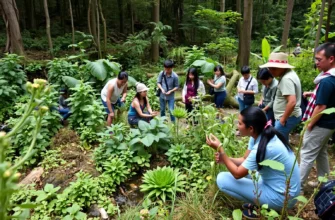
When neighbors collaborate to transform a weed-choked alley into a thriving pocket of native wildflowers, they aren’t just planting seeds; they are planting the seeds of mutual trust. This collaborative effort counters the pervasive social isolation found in modern cities, replacing digital scrolling with physical, outdoor labor that has a tangible, positive outcome.
Building Community Roots Through Shared Stewardship
Shared responsibility for local green spaces creates a sense of “commoning,” where land is seen as a collective resource rather than a private or state-owned commodity. Neighborhood nature projects foster a culture of care where people feel empowered to protect their immediate environment without needing a supervisor or a landlord’s oversight.
Connecting with neighbors over the shared goal of biodiversity restoration creates a resilient social network. In times of climate stress, such as extreme heatwaves, these community-stewarded spaces provide critical cooling zones and psychological relief, proving that ecological health and social well-being are inextricably linked.
The Intersection of Anarchism and Rewilding: Ecological Autonomy
The philosophical backbone of many rewilding movements is found in green anarchism, which advocates for decentralized, non-hierarchical methods of land management. This approach rejects the idea that nature must be “managed” by a central authority and instead promotes ecological autonomy and mutual aid between humans and the more-than-human world.
Ecological justice, in this context, means that every living being has a right to the city. By practicing unauthorized gardening, activists are essentially arguing that the survival of a local butterfly species is more important than the property rights of a developer who has left a lot to rot for a decade. This is a radical reclamation of the “commons.”
Decentralized Action: Why You Don’t Need a Leader to Plant
One of the most powerful aspects of guerilla rewilding is its leaderless nature. There is no central committee deciding which seeds to throw; instead, thousands of individuals act on their local knowledge of their own streets. This mutual aid extends to the ecosystem itself, as we provide the plants that pollinators need, and they, in turn, sustain the local food web.
Taking care of the land ourselves means rejecting the ownership of nature. When you plant a native oak on a neglected corner, you are not claiming that tree as your property; you are releasing that land back into the wild cycle. This freedom to plant is a fundamental expression of self-governance and ecological responsibility.
Practical Steps: How to Start Your First Guerilla Project
Success in radical restoration requires more than enthusiasm; it requires a strategic approach to ensure that your efforts actually benefit the local ecosystem. Follow these steps to maximize the survival rate of your plantings and avoid common pitfalls.
- Site Scouting and Analysis: Identify a neglected space that receives adequate sunlight and has access to natural rainwater. Avoid active construction sites or areas where heavy chemical spraying is evident.
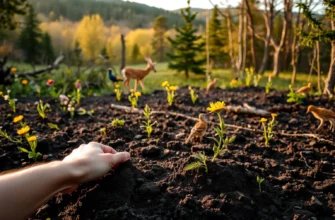
- Soil Quality Check: Urban soil is often compacted and contaminated. Use a hand trowel to check the depth. If the soil is too poor, consider using seed bombs (a mix of clay, compost, and seeds) which protect the seeds until they are ready to germinate.
- Seed Selection: Only use species that are indigenous to your specific ecoregion; Consult local native plant societies to find “workhorse” species that are hardy enough to survive urban stressors like salt and heat.
- Timing the “Attack”: The best time for guerilla planting is often late autumn for seed dispersal or early spring just before a heavy rain. Moisture is the most critical factor for establishment in a site where you won’t be providing regular irrigation.
- Stealth Maintenance: Once planted, keep a low profile. If you must water the plants during a drought, use a generic container like a reusable water bottle rather than a garden hose to avoid drawing unwanted attention to the site.
Navigating the Legal and Ecological Risks of Radical Action
While the intent behind guerilla rewilding is noble, it is not without risks. Legal repercussions for trespassing or “vandalism” (even when that vandalism is a flower) are possible. However, the greater risk is often ecological; well-intentioned but poorly researched planting can cause genuine harm to the very environments we wish to save.
Understanding the distinction between a “public easement” and “private property” is crucial for staying out of legal trouble. Many guerilla gardeners focus on the “hellstrip”—the area between the sidewalk and the street—which is often a legal gray zone that authorities are less likely to police aggressively.
Avoiding the Invasive Species Trap
The most common mistake beginners make is using “wildflower mixes” purchased from major retailers. These mixes often contain aggressive non-native species that can escape into nearby natural areas and outcompete local flora. Choosing the right native plants requires research into your specific county’s botanical history.
To preserve ecological integrity, always seek out local genetic stock. Seeds collected from nearby wild populations (with permission and ethical harvesting practices) are genetically adapted to your local climate and soil pathogens, making them far more likely to thrive than seeds grown in a different climate zone. Avoiding weeds is not just about aesthetics; it’s about protecting the genetic purity of your local landscape.
Dos and Don’ts for Urban Rewilders
Maintaining a successful guerilla garden requires a balance of ecological science and tactical awareness. Use this checklist to ensure your project remains a benefit to the community rather than a nuisance.
- Do: Focus on perennial species that will return year after year, providing a permanent habitat rather than a fleeting seasonal display.
- Do: Respect existing community use. If a vacant lot is currently being used by neighborhood kids as a soccer field, plant along the perimeter rather than in the middle of their play space.
- Do: Maintain anonymity by working during “low-light” hours—dawn or dusk—when you can blend in as a commuter or a dog walker.
- Don’t: Plant near traffic signs or intersections where your greenery might obstruct the sightlines of drivers, creating a safety hazard.
- Don’t: Use fertilizers or pesticides. The goal of rewilding is to create a self-sustaining system that mimics natural processes without human chemical intervention.
- Don’t: Give up if your first attempt fails. Urban environments are harsh; expect a 50% mortality rate for your first round of plantings and adjust your species selection accordingly.
Expert Perspective: Grassroots Ecology
In my professional experience as an urban ecologist, I have seen millions of dollars in municipal funding wasted on “ornamental” landscapes that provide zero caloric value to local pollinators. I always advise grassroots activists that ecological integrity is your greatest defense. If you can prove that your unauthorized garden is hosting rare native bees or sequestering more carbon than a mown lawn, you change the narrative from “trespassing” to “stewardship.” Always keep a small ID guide of the species you’ve planted; knowledge is your best tool when engaging with skeptical neighbors or officials. Remember, a radical act is only successful if it survives, so prioritize the biology of the plant over the politics of the placement.
Frequently Asked Questions
It exists in a legal gray area. While technically often considered trespassing or unauthorized use of land, prosecutions are extremely rare if the action is seen as improving a public easement or neglected space rather than damaging property.
How does social rewilding benefit mental health?
It triggers the “biophilia effect,” where interaction with diverse nature lowers cortisol levels and reduces symptoms of nature deficit disorder, while the community aspect reduces the debilitating effects of urban loneliness.
What is the best time of year for guerrilla rewilding?
Late autumn is ideal for seed dispersal, as many native seeds require a period of cold (stratification) to germinate. Early spring is best for transplanting hardy seedlings, provided there is consistent rainfall.
Does anarchism rewilding mean ignoring all rules?
No. It means prioritizing ecological laws and community needs over arbitrary bureaucratic hurdles. It is a disciplined commitment to the health of the land rather than a permit-seeking process.
What are the best plants for urban rewilding?
Look for hardy, native perennials like Milkweed, Goldenrod, or native grasses. These species are evolutionarily equipped to handle local weather extremes and provide essential food for specialized pollinators.
How can I rewild my neighborhood without getting in trouble?
Focus on low-profile methods like “seed bombing” or creating “micro-prairies” in neglected strips of land. Keeping the site tidy and free of trash helps the public view the project as a positive addition rather than neglect.