- What is Rewilding Landscape Architecture?
- The Shift from Manicured Lawns to Living Systems
- Rewilding the West: Restoring the Vast Prairie Landscape
- Lessons from Richard Manning on Grassland Recovery
- Traditional vs․ Rewilded Landscapes: A Direct Comparison
- Rewilding the Urban Frontier: Bringing Nature to the Concrete Jungle
- Micro-Rewilding in High-Density Areas
- Environmental Aesthetics and Rewilding: Finding Beauty in the Messy
- The New Definition of a Beautiful Garden
- Essential Steps for Your Rewilding Project
- Common Mistakes to Avoid in Ecological Restoration
- Expert Perspective: Dynamic Stewardship
- Frequently Asked Questions
What is Rewilding Landscape Architecture?
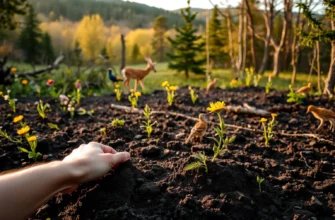
The profession of landscape architecture is currently undergoing a radical transformation, moving away from the era of “decoration” and into an era of “functional ecology․” For decades, the industry focused on static beauty—creating outdoor spaces that looked perfect on opening day but required massive chemical and mechanical inputs to remain unchanged․ Rewilding represents a fundamental pivot where designers no longer aim for total control; instead, they act as facilitators, setting biological processes in motion and then stepping back to let nature take the lead․
This approach acknowledges that a landscape is not a finished product but a living, breathing system that should evolve over time․ By prioritizing ecological function over purely ornamental traits, architects are creating spaces that can filter water, sequester carbon, and provide genuine refuge for local fauna․ It is a partnership between human intent and the inherent intelligence of natural succession, resulting in a landscape that is resilient, self-sustaining, and deeply connected to its specific regional identity․
The Shift from Manicured Lawns to Living Systems
The traditional American lawn, while culturally ingrained, is increasingly viewed by professionals as an ecological desert․ A standard mown lawn consumes vast amounts of water and fertilizer while offering virtually zero support for local pollinators or bird populations․ As we face a global decline in biodiversity, the “neat and green” aesthetic is being replaced by a preference for complexity and life․
In high-end residential and commercial design, biodiversity is becoming the new standard for luxury․ Clients are no longer asking for a static green carpet; they want to see the arrival of monarch butterflies, the seasonal change of native grasses, and the establishment of healthy ecosystems that require less maintenance over time․ This shift represents a move toward “natural garden design,” where the value of a property is measured by the health of its soil and the variety of its inhabitants rather than the frequency of its mowing schedule․
Rewilding the West: Restoring the Vast Prairie Landscape
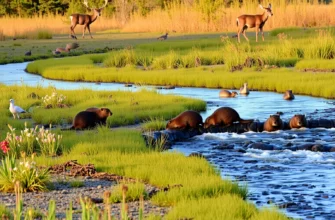
The American West presents a unique and urgent challenge for the rewilding movement․ What was once a vast “sea of grass” stretching from the Rockies to the Mississippi has been largely fragmented by industrial agriculture and urban sprawl․ Rewilding these spaces requires more than just planting flowers; it involves the large-scale restoration of native grasslands that once supported millions of bison and a complex web of life․ The scale of the West demands a landscape architecture that thinks in terms of watersheds and migratory corridors rather than property lines․
Restoring the prairie is a high-stakes endeavor because these grasslands are among the most efficient carbon-sequestration systems on the planet․ Unlike forests, which store much of their carbon in wood that can burn, prairies store carbon deep underground in their massive root systems․ By bringing back native grasses, we aren’t just restoring a view; we are rebuilding a massive, subterranean carbon sink that protects the soil from erosion and helps mitigate the effects of a changing climate․
Lessons from Richard Manning on Grassland Recovery
Richard Manning’s work serves as a foundational text for understanding the social and ecological necessity of prairie restoration․ He argues that the destruction of the prairie was not just a biological loss but a cultural one, as we replaced a diverse, perennial system with a fragile, annual monoculture of corn and soy․ Manning’s vision emphasizes that true recovery requires us to think beyond the fence line and consider how landscape architecture can reconnect fragmented public and private lands into a singular, functional Western corridor․
To achieve this, designers are looking at “prairie restoration techniques” that mimic the natural disturbances—such as fire and grazing—that once kept these ecosystems healthy․ By introducing “bringing back native grasses” like Big Bluestem and Indiangrass, architects are recreating the structural diversity needed for ground-nesting birds and specialist insects․ Manning’s philosophy reminds us that restoration is a political and social act, requiring a collective shift in how we value the “empty” spaces of the West․
Traditional vs․ Rewilded Landscapes: A Direct Comparison
To understand the practical implications of this shift, it is helpful to look at how different management styles impact both the environment and the property owner’s resources;
| Feature | Traditional Landscape | Rewilded Landscape |
|---|---|---|
| Maintenance Intensity | High: Weekly mowing, pruning, and leaf removal․ | Low: Annual or bi-annual targeted management; |
| Water Consumption | Significant: Heavily reliant on irrigation systems․ | Minimal: Plants are adapted to local rainfall patterns․ |
| Chemical Inputs | High: Regular use of herbicides and synthetic fertilizers; | Zero: Natural nutrient cycling through soil biology․ |
| Biodiversity Support | Low: Often supports only a few “generalist” species․ | High: Supports complex webs of local insects and birds․ |
| Climate Resilience | Fragile: Vulnerable to drought and heatwaves․ | Robust: Deep root systems and diversity ensure survival․ |
| Aesthetic Goal | Static: Always looks the same regardless of season․ | Dynamic: Evolves, decays, and regenerates through the year․ |
Rewilding the Urban Frontier: Bringing Nature to the Concrete Jungle
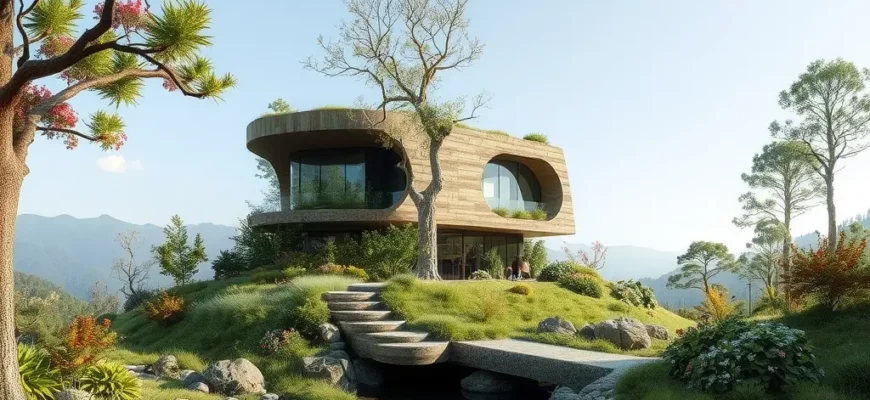
The “urban frontier” is perhaps the most exciting territory for rewilding because it is where nature is most needed․ Cities often suffer from the “urban heat island” effect, where concrete and asphalt trap heat, making metropolitan areas significantly hotter than their rural surroundings․ Rewilding urban spaces isn’t about creating massive national parks in the city center; it’s about the strategic insertion of “green city design” into the existing fabric of the streetscape․
Small, high-impact interventions can have a massive cumulative effect․ By daylighting buried streams, installing green roofs, and creating “pocket forests” using the Miyawaki method, landscape architects can create a “urban nature corridor” that allows wildlife to move safely through the city․ These spaces also provide a direct human benefit: studies consistently show that access to wilder, biodiverse green spaces reduces cortisol levels and improves overall mental health for city dwellers․
Micro-Rewilding in High-Density Areas
In high-density environments, every square inch of permeable surface is an opportunity․ Micro-rewilding focuses on utilizing vertical spaces, rooftops, and even median strips to create “stepping stones” for pollinators․ A single green roof planted with native stonecrop and wildflowers can serve as a vital refueling station for migrating butterflies, while a “vertical forest” on a building facade can help scrub particulate matter from the air․
The goal is to connect fragmented urban parks into a cohesive network․ By coordinating the plant palettes of individual backyards and public plazas, we can create a continuous habitat that supports far more life than any isolated garden could․ Connecting these fragments is the key to preventing “ecological traps,” where wildlife is lured into a space that cannot sustain them long-term․
Environmental Aesthetics and Rewilding: Finding Beauty in the Messy
One of the primary hurdles for rewilding is the deeply ingrained cultural idea that “neatness” equals “care․” For decades, we have been conditioned to see a brown flower head or a fallen log as a sign of neglect․ However, in an ecological context, that brown flower head is a vital winter food source for birds, and that decaying log is a nursery for beneficial fungi and beetles․ Rewilding requires us to develop a new “aesthetic of nature” that finds beauty in complexity and the cycles of life and death․
Landscape architects often use “cues to care” to bridge this gap․ This involves framing a wild, biodiverse meadow with a crisp, mown edge or a clean stone path․ By maintaining a visible human presence at the edges, the “messy” middle of the garden is perceived as intentional rather than abandoned․ This strategy allows homeowners to maintain neighborhood social standing while still providing high-quality habitat for wildlife․
The New Definition of a Beautiful Garden
A beautiful garden is no longer one that is frozen in time; it is one that is full of activity․ The “wildlife-friendly yard” offers a sensory richness that a manicured lawn cannot match: the sound of wind through tall grasses, the sight of goldfinches feeding on dried seed heads, and the intricate textures of a multi-layered planting scheme․
This new aesthetic values “seasonal decay” as much as it values spring blooms․ There is a profound beauty in the architectural structure of a dormant garden in winter, with its frost-covered stems and muted earth tones․ When we stop fighting the seasons and start embracing them, we find that the most resilient landscapes are also the most visually captivating․
Essential Steps for Your Rewilding Project
Starting a rewilding project requires a shift in mindset from “building” to “stewardship․” Whether you are a professional architect or a homeowner, the following steps will help ensure your project is ecologically sound and long-lasting․
- Conduct a Soil Health Audit: Before planting, understand your soil’s structure and microbial life․ Avoid synthetic fertilizers, which can disrupt the natural symbiotic relationship between plants and soil fungi․
- Identify and Remove Invasives: Rewilding is not about letting “anything” grow․ You must aggressively remove non-native invasive species that can outcompete local plants and create a monoculture․
- Map Your Local Ecoregion: Research the specific plant communities that historically existed on your site․ Use these as a template for your species selection to ensure high survival rates․
- Plant for the Full Life Cycle: Select species that provide food and shelter throughout the year․ Include host plants for caterpillars, nectar sources for bees, and dense shrubs for nesting birds․
- Implement “Soft Landings”: Plant native groundcovers under trees to provide a safe place for insects to overwinter in the leaf litter․
- Establish a Monitoring Routine: Instead of “set it and forget it,” practice “observational management․” Watch how the site evolves and make small adjustments as natural succession takes place․
Common Mistakes to Avoid in Ecological Restoration
Even with the best intentions, rewilding projects can fail if certain technical details are overlooked․ Avoiding these common pitfalls will save time, money, and ecological resources․
Critical Warning: Never assume that a “wildflower mix” from a big-box store is appropriate for your area․ These mixes often contain aggressive non-natives or species that do not support local insect populations․
- Planting “Near-Natives”: Avoid “nativars” (cultivated varieties of native plants) that have been bred for double flowers or unusual colors, as they often lack the pollen or nectar quality of the straight species․
- Skipping Site Preparation: If you don’t properly address the existing weed seed bank before seeding a meadow, the invasive species will likely overwhelm your native seedlings within the first two years․
- Ignoring the Hydrology: Don’t try to plant a dry-prairie species in a low-lying area that holds water․ Matching the plant to the specific moisture levels of your site is essential for long-term resilience․
- Over-Cleaning in the Fall: One of the biggest mistakes is “cleaning up” the garden in October․ Wait until spring to cut back stems and clear leaves to ensure that hibernating pollinators are not destroyed․
- Failing to Manage Expectations: A rewilded landscape often goes through an “ugly” phase in years one and two while roots are establishing․ Patience is a technical requirement for success․
Expert Perspective: Dynamic Stewardship
In my professional experience, the most successful rewilding projects are those where the designer moves from a position of control to one of facilitation․ I always advise my clients that rewilding is not “no-maintenance”; it is “different maintenance․” You aren’t just building a garden; you are setting a biological process in motion․ This requires a more observant form of management—knowing when to pull a specific weed and when to let a “spontaneous” native seedling grow․ The goal is to reach a state of dynamic equilibrium where the system manages itself, but getting there requires a deep understanding of ecological succession and a willingness to let the landscape surprise you․
Frequently Asked Questions
No․ Rewilding is a highly intentional design process that involves removing invasive species and carefully selecting native plant communities to restore ecological function․ It is a planned transition, not simple neglect․
How does rewilding the West differ from urban rewilding?
Rewilding the West focuses on large-scale grassland restoration and carbon sequestration, while urban rewilding addresses habitat fragmentation and the “heat island” effect through small, high-density interventions like green roofs and pocket forests․
Will a rewilded landscape attract pests like rats or snakes?
A balanced ecosystem actually manages pests more effectively․ By providing habitat for predators like owls, hawks, and beneficial snakes, a rewilded landscape keeps rodent populations in check naturally, unlike a lawn which offers no such balance․
What is Richard Manning’s core philosophy on prairie restoration?
Manning believes that restoring the prairie is a social and political necessity․ He views the restoration of perennial grasslands as a way to heal the cultural and biological damage caused by industrial monoculture farming․
Can I rewild a small backyard in the city?
Absolutely․ Micro-rewilding is incredibly effective․ Even a small patch of native plants can provide a vital “stepping stone” for local pollinators and significantly contribute to the biodiversity of your urban neighborhood․