- Why a Desert Cold Plunge is the Ultimate Contrast Therapy
- Managing Thermal Load in High-Temperature Climates
- Choosing Your Setup: From Solo Tubs to Two-Person Plunge Pools
- The Rise of the Backyard Cold Plunge Pool
- Reviewing the Best Gear: Coldture Xtreme vs. Wellis Iceland
- Eco-Friendly Cold Plunge Options for Sustainable Cooling
- Critical Safety News: What You Need to Know for 2026
- New Years Cold Plunge: Safety for Crowded Events
- Can I Do a Cold Plunge in My Pool?
- Converting Your Backyard Space for Winter Recovery
- The Business of Cold: Starting a Cold Plunge Venture
- Sourcing and Retail: Finding a Reputable Cold Plunge Store
- Expert Perspective: Desert Thermal Management
- Frequently Asked Questions
Why a Desert Cold Plunge is the Ultimate Contrast Therapy
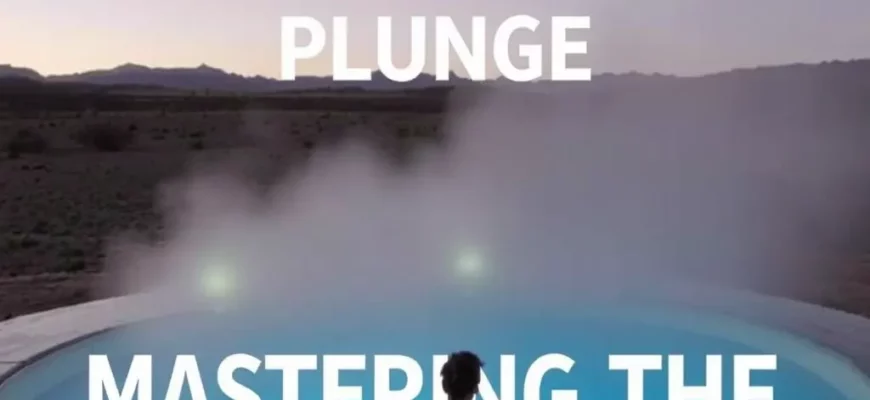
Living in an arid climate creates a unique physiological paradox where the body is constantly fighting external heat. Transitioning from 110-degree dry heat into a controlled, freezing environment triggers a massive biological reset. This practice, often called contrast therapy, is no longer just for professional athletes but has become a staple for desert dwellers seeking to manage systemic stress.
The immediate shift in temperature forces the vascular system to move from extreme vasodilation to rapid vasoconstriction. This “pumping” action helps flush metabolic waste from muscle tissue and resets the central nervous system. For those living in the Southwest or similar climates, the psychological relief of escaping the heat is often as significant as the physical recovery.
Managing Thermal Load in High-Temperature Climates
In a desert environment, your equipment faces a dual-threat: the ambient air temperature and the relentless UV radiation. Standard chillers often struggle when the thermometer climbs past triple digits, making high-output 1HP or 1.5HP cooling units a necessity rather than an upgrade. Without sufficient cooling power, a unit may run continuously, leading to premature motor failure and skyrocketing energy bills.
Insulation serves as your primary defense against the desert sun. While users in colder climates worry about water freezing, desert users must focus on preventing the “thermal creep” that happens through the tub walls. High-density spray foam or thick EPP (Expanded Polypropylene) panels are essential to ensure you can maintain a freezing cold plunge pool even when the backyard feels like an oven. Using an insulated, UV-resistant thermal cover can reduce the chiller’s workload by up to 40% during peak daylight hours.
Choosing Your Setup: From Solo Tubs to Two-Person Plunge Pools
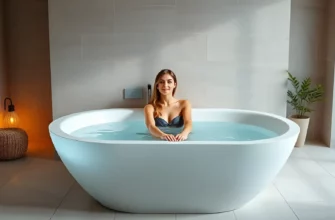
Selecting the right configuration depends largely on your recovery goals and available outdoor space. A 1 person cold plunge is ideal for those who view their recovery as a meditative, solo practice, requiring less water and smaller footprints. However, the social dynamics of recovery are shifting, leading many to invest in larger setups that accommodate more than one individual.
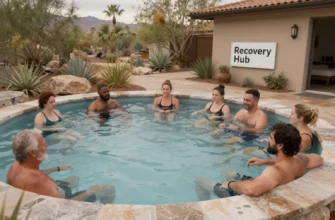
A two person cold plunge is becoming the standard for home gyms and wellness retreats because it allows for shared accountability. Stepping into 40-degree water is a mental battle, and having a partner to breathe through the initial shock with can significantly improve consistency. These larger units require more robust filtration systems to handle the increased biological load, so always verify the micron rating of the filter before purchasing a multi-user tub.
| Feature | Single-Person Tub | Two-Person / Dual Tub |
|---|---|---|
| Average Footprint | Approx. 5′ x 3′ | Approx. 7′ x 4′ or larger |
| Cooling Requirement | 1/2 HP to 3/4 HP Chiller | 1 HP to 1.5 HP Chiller |
| Best Use Case | Daily solo meditation & recovery | Couples, athletes, or social therapy |
| Maintenance Level | Low (Weekly filter rinse) | Moderate (Bi-weekly chemistry checks) |
The Rise of the Backyard Cold Plunge Pool
Integrating a dedicated plunge unit into desert landscaping requires a focus on both aesthetics and durability. Many homeowners are now opting for mountainside cold plunge designs that utilize natural stone or sunken installations to blend with the rocky terrain. These setups often look like natural springs but house sophisticated cooling technology hidden behind custom cabinetry or rock features.
When planning a backyard cold plunge pool, drainage is a critical but often overlooked factor. Desert soils like caliche do not absorb water quickly, so installing a dedicated French drain or greywater diversion system is vital for when you need to change the water. High-end hydro systems cold plunge technology can now be integrated into smart home platforms, allowing you to drop the temperature from your phone before you even leave the office.
Reviewing the Best Gear: Coldture Xtreme vs. Wellis Iceland
The market for premium recovery gear has narrowed down to a few heavy hitters that can actually survive extreme outdoor conditions. The Coldture Xtreme is frequently cited for its rugged, industrial-grade build, which is specifically designed to handle the high-ambient heat of the desert. Its chiller system is optimized for rapid pull-down times, which is essential if you keep the unit outdoors without a shaded structure.
In contrast, the Wellis Iceland cold plunge offers a more polished, spa-like aesthetic that fits perfectly into luxury patio designs. While it features excellent ergonomics, users in the hottest regions should ensure they have the upgraded insulation package. For those looking for extreme durability, the Alaskan cold plunge and Almost Heaven models provide alternative wood-fired or ultra-insulated options that cater to different aesthetic preferences, though they often require more hands-on maintenance than the “set and forget” digital models.
Eco-Friendly Cold Plunge Options for Sustainable Cooling
Sustainability is a major concern when running high-powered cooling equipment in the desert. Modern eco-friendly cold plunge units utilize variable-speed pumps that adjust their power consumption based on the actual cooling demand. This prevents the “all-or-nothing” energy spikes common in older, cheaper models, significantly lowering the total cost of ownership over several years.
Material choice also plays a role in the environmental impact. The thermafrost cold plunge utilizes recycled insulation materials and non-toxic liners that don’t off-gas when exposed to intense heat. To maximize efficiency, position your unit on the north side of your home or under a permanent pergola to minimize the direct solar load, which is the single most effective way to reduce your carbon footprint while maintaining sub-40 degree water.
Critical Safety News: What You Need to Know for 2026
As cold therapy reaches mainstream adoption, safety protocols have evolved to protect a wider range of users. The cold plunge safety news 2026 updates emphasize the importance of heart rate variability (HRV) monitoring and the dangers of the “afterdrop” effect. Afterdrop occurs when cold blood from the extremities rushes back to the core after you exit the water, potentially causing a further drop in core temperature.
To mitigate the risks of afterdrop, never take a hot shower immediately after plunging. Instead, pat yourself dry, put on warm layers, and allow your body to thermoregulate naturally through light movement or a warm beverage.
New Years Cold Plunge: Safety for Crowded Events
Large-scale events, particularly the popular New Years cold plunge, require strict oversight to prevent medical emergencies. Reports from October and November 2026 indicate a rise in “cold shock” incidents among beginners who attempt long durations without prior acclimation. For event organizers, maintaining a 1:5 ratio of safety monitors to participants is now the recommended gold standard for community plunges.
- Monitor Entry: Ensure all participants enter the water slowly to manage the initial gasping reflex.
- Time Limits: Beginners should never exceed 2-3 minutes in water below 50 degrees.
- Medical Screening: Participants with a history of cardiac issues or high blood pressure must consult a physician before attempting extreme cold immersion.
- Post-Plunge Observation: Watch for signs of excessive shivering or cognitive confusion, which indicate early-stage hypothermia.
Can I Do a Cold Plunge in My Pool?
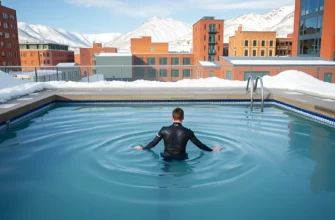
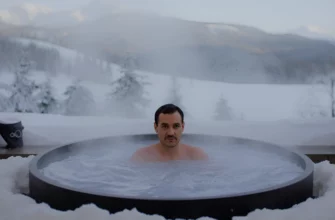
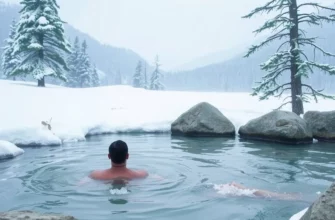
A common question for homeowners is: “can i do a cold plunge in my pool?” The answer depends on the season and your equipment. In many desert regions, an outdoor cold plunge in winter is naturally achievable as nighttime temperatures drop. However, during the rest of the year, a standard swimming pool is far too large to cool efficiently with a portable chiller, as the thermal mass of 15,000+ gallons is simply too great.
If you want to use your existing pool for recovery, you are essentially limited to the winter months unless you install a massive, industrial-scale heat pump. For most, it is more cost-effective to purchase a dedicated unit from an outdoor cold plunge factory that is designed to maintain 39 degrees regardless of the pool’s ambient temperature. These dedicated units use significantly less electricity and provide much more consistent therapeutic results.
- Assess Your Pool Volume: If your pool is over 5,000 gallons, cooling it to therapeutic levels (under 55°F) is financially impractical in the desert.
- Winterize for Natural Cooling: During December and January, turn off your pool heater and use a solar cover at night to trap the cold air.
- Install a Bypass Chiller: For smaller “spool” setups, a dedicated chiller can be plumbed into the existing filtration line.
- Maintain Sanitation: Cold water still requires chemistry management; ensure your ozone or UV system is operational to prevent algae growth even in cold temperatures.
Converting Your Backyard Space for Winter Recovery
For those who want a year-round solution without the footprint of a full pool, converting a small corner of the patio is the most efficient route. Using a dedicated chiller system allows you to maintain “ice bath” temperatures even in July. Many enthusiasts are now bypassing DIY chest freezers in favor of professional-grade units from an outdoor cold plunge factory, which offer integrated 20-micron filtration and ozone disinfection.
These factory units are built with UV-stabilized resins that won’t crack or fade in the desert sun. When setting up your recovery zone, ensure the surface is perfectly level and rated for the weight of the water (roughly 8.3 lbs per gallon). A standard 100-gallon plunge tub can weigh over 1,000 lbs when full and occupied, which can crack standard decorative pavers if not properly reinforced.
The Business of Cold: Starting a Cold Plunge Venture
The wellness industry is seeing a massive surge in recovery-focused businesses. Starting a cold plunge venture involves more than just buying a few tubs; it requires a deep understanding of commercial health codes and high-traffic filtration needs. Sourcing your equipment from a reputable as cold plunge store ensures that you have access to commercial warranties and replacement parts, which are vital for maintaining uptime in a business environment.
Branding is equally important. A high-converting as cold plunge website should focus on the specific benefits for your local demographic—such as “Desert Heat Recovery” or “High-Performance Hydration.” Successful studios often combine cold plunges with infrared saunas to offer a complete contrast therapy circuit, which increases the average ticket price per customer and improves overall retention rates.
Sourcing and Retail: Finding a Reputable Cold Plunge Store
When moving from enthusiast to entrepreneur, your sourcing strategy must change. Wholesale sourcing allows you to scale your facility while maintaining a consistent aesthetic. A professional as cold plunge store will provide spec sheets on chiller BTU ratings and flow rates, which are necessary for obtaining building permits and health department approvals.
Warning: Never use residential-grade chillers for a commercial business. They are not rated for the 12-15 hours of continuous daily use required in a studio setting and will likely void your insurance policy.
Your retail presence, whether physical or digital, must educate the consumer. A robust as cold plunge website should include a blog section covering maintenance tips, safety protocols, and the science of cold shock proteins. This establishes your brand as an authority, which is the most effective way to build trust in the burgeoning wellness market of 2026.
Expert Perspective: Desert Thermal Management
In my professional experience as a mechanical engineer working in extreme climates, the biggest mistake people make is underestimating the thermal conductivity of their plumbing. In 115-degree heat, even if your tub is perfectly insulated, the water sitting in the external hoses between the chiller and the tub acts as a radiator, absorbing heat back into the system. I always advise my clients to wrap all external water lines in 1-inch thick closed-cell pipe insulation and keep the chiller in a ventilated, shaded enclosure. Furthermore, if you are aiming for sub-40 degree water in the desert, you should look for a chiller with a titanium heat exchanger; they are more resistant to the hard water minerals common in desert municipal supplies and provide much better long-term cooling efficiency.
Frequently Asked Questions
You must use a 1HP+ chiller, high-density insulation, and a UV-resistant cover. Placing the unit in a shaded area and insulating the external hoses is mandatory for efficiency.
Is a two-person cold plunge worth the extra cost?
Yes, if you value social accountability or have the space. It requires a more powerful chiller but offers a much better experience for couples or athletic partners.
What are the latest safety updates for cold therapy in 2026?
The 2026 guidelines emphasize heart rate monitoring and avoiding hot showers immediately after a plunge to prevent afterdrop and fainting;
Can I use my existing swimming pool for cold plunging during winter?
In winter, yes, as temperatures naturally drop. However, for year-round use, a dedicated small tub is much more energy-efficient than trying to cool a full-sized pool.
What should I look for in an eco-friendly cold plunge?
Look for units with ozone or UV-C filtration to reduce chemical use and variable-speed chillers that lower energy consumption during idle periods.
How does the Wellis Iceland compare to the Coldture Xtreme?
The Wellis Iceland is a premium, spa-like aesthetic choice, while the Coldture Xtreme is built for industrial-level durability and faster cooling in extreme outdoor heat.