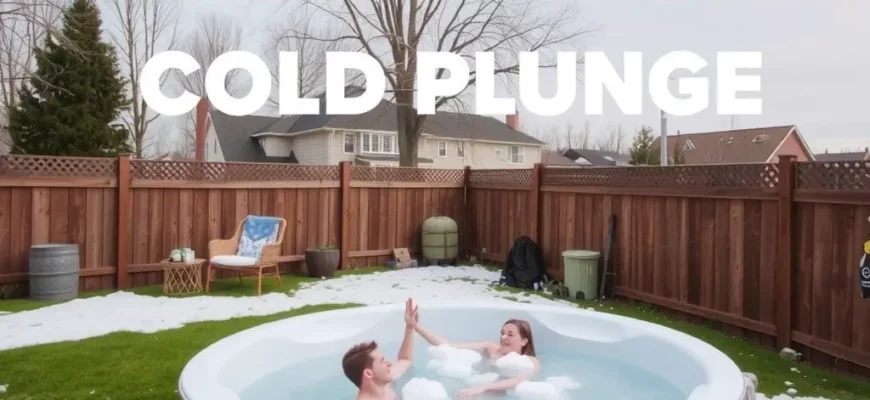
- Why Setting Up a Backyard Cold Plunge Changes Your Morning Routine
- Creating Your Own Cold Water Oasis
- How Long Should You Stay In? Decoding the 1-Minute to 20-Minute Protocol
- From 30 Seconds to 5 Minutes: The Sweet Spot for Beginners
- Pushing Boundaries: 10 to 20 Minutes and Beyond
- Preparing for a Cold Plunge: Mental and Physical Steps
- Mastering the Breath Before You Step In
- What to Expect During Your First Cold Plunge Experience
- The First 30 Seconds: Managing the Initial Shock
- Frequency and Safety: Can You Do Two Cold Plunges a Day?
- Avoiding the Afterdrop and Hypothermia
- The New Year’s Day Cold Plunge: A Tradition of Resilience
- Starting the Year with Mental Clarity
- Common Mistakes People Make When Starting Cold Therapy
- Why More Time Isnt Always Better
- Frequently Asked Questions
Why Setting Up a Backyard Cold Plunge Changes Your Morning Routine
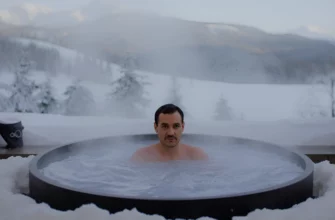
The transition from a warm bed to a tub of near-freezing water is perhaps the most drastic physiological shift you can experience in a domestic setting. Bringing the practice of cold water immersion into your own backyard removes the friction of commuting to a high-end spa or searching for a clean natural body of water. Having a dedicated space for ice baths allows for a level of consistency that is rarely achieved through gym memberships alone.
Beyond the convenience, a home setup fosters a psychological “anchor” for your day. When you step outside into the crisp morning air and submerge yourself, you are training your brain to handle stress with composure. This ritual transforms a simple backyard into a sanctuary for recovery, where the focus shifts from external noise to internal resilience and metabolic health.
Creating Your Own Cold Water Oasis
Selecting the right location for your backyard cold plunge is the first step in ensuring long-term success. You need a surface that is perfectly level, as a full 100-gallon tank can weigh over 800 pounds, which can cause significant damage to uneven decking or soft soil. Privacy is also a factor; while the plunge is a physical act, the mental focus required is easier to maintain when you aren’t worried about neighbors watching your initial “gasp” response.
Drainage is a technical detail that many beginners overlook until their first water change. You should position your setup near a floor drain or in an area where sloped ground allows for easy water redirection to avoid flooding your home’s foundation. Furthermore, if you are using a stock tank or a DIY chest freezer, insulation is your best friend. Wrapping your vessel in high-quality foam or reflective barriers will reduce the energy consumption of your chiller by up to 40% during peak summer months.
How Long Should You Stay In? Decoding the 1-Minute to 20-Minute Protocol
The most common question in the cold-therapy community is “how long?” The answer depends entirely on your goals: are you looking for a quick dopamine hit, or are you trying to maximize brown fat thermogenesis? Understanding the dose-response curve of cold stress is vital to prevent overtaxing your central nervous system or, worse, inducing hypothermia.
| Duration | Experience Level | Primary Physiological Benefit |
|---|---|---|
| 1–2 Minutes | Beginner | Immediate dopamine spike and nervous system regulation. |
| 3–5 Minutes | Intermediate | Optimized recovery and brown fat (BAT) activation. |
| 10 Minutes | Advanced | High-level mental toughness and circulatory system challenge. |
| 15–20 Minutes | Extreme/Professional | Endurance-specific training; requires strict professional supervision. |
From 30 Seconds to 5 Minutes: The Sweet Spot for Beginners
If you are just starting your cold plunge journey, a 1 minute cold plunge is often more than enough to trigger a significant catecholamine release. In these first sixty seconds, your body is in full “fight or flight” mode, flooding your system with norepinephrine. Staying in for a 2 minute cold plunge allows your heart rate to begin its descent, signaling to your brain that you are safe despite the extreme environment.
For those who have moved past the initial shock phase, a 5 minute cold plunge is frequently cited by researchers as the gold standard for post-exercise recovery. This duration is long enough to induce vasoconstriction and reduce systemic inflammation without pushing the body into a state of dangerous core temperature drop. It is the most efficient use of time for the average athlete looking for a physical edge.
Pushing Boundaries: 10 to 20 Minutes and Beyond
As you build a tolerance to the thermal stress, you might feel tempted to stay in longer. A 10 minute cold plunge is a serious undertaking that requires a deep understanding of your own limits. At this stage, the risk of “afterdrop”—where cold blood from your extremities rushes back to your core after you exit—becomes significantly higher. This can lead to shivering that lasts for hours and a dangerous dip in internal temperature.
Attempting a 15 minute cold plunge or a 20 minute cold plunge is generally unnecessary for health benefits and is often discouraged for solo practitioners. The “Soeberg Principle” suggests that a total of 11 minutes of cold exposure per week, spread across several sessions, is the optimal threshold for metabolic health. Pushing for 20 minutes in a single session offers diminishing returns and increases the risk of non-freezing cold injury to the skin and nerves.
Preparing for a Cold Plunge: Mental and Physical Steps
The plunge begins long before your skin touches the water. Preparation is about mitigating the “thermal shock response,” which is the involuntary gasp and hyperventilation that occurs upon sudden immersion. If you go into the water with a high heart rate and shallow breathing, you are much more likely to panic and exit early.
- Hydrate with electrolytes: Cold water causes diuresis (increased urination); being hydrated helps your body manage blood pressure shifts.
- Avoid heavy meals: Digestion requires significant blood flow; plunging on a full stomach can lead to nausea or cramping.
- Check the temperature: Always use a reliable thermometer; water at 45°F (7°C) is vastly more intense than water at 55°F (13°C).
- Prepare your “exit kit”: Have a thick towel, a wool hat, and warm layers within arm’s reach before you get in.
Mastering the Breath Before You Step In
The goal of your pre-plunge breathing is to down-regulate your nervous system. Many practitioners use “Box Breathing”—inhaling, holding, exhaling, and holding for equal counts of four. This technique helps stabilize the vagus nerve and prepares your mind for the upcoming discomfort. When starting your cold plunge, your body will want to take rapid, shallow breaths; your job is to override this reflex with long, slow exhalations.
I recommend focusing on a 6-second exhalation as you lower your body into the ice. This specific cadence helps prevent the gasp reflex from taking over. By controlling your breath, you are proving to your primitive brain that there is no immediate threat, which significantly reduces the mental friction of the experience.
What to Expect During Your First Cold Plunge Experience
Your first time will be a sensory overload. Unlike a first time cold plunge spa visit where a coach might be standing over you, a backyard session requires self-reliance. You will feel a stinging sensation on your skin that many describe as “thousands of tiny needles.” This is not damage; it is your thermoreceptors firing at maximum capacity as they transition to the extreme temperature change.
The mental narrative during those first few moments is usually one of immediate regret. You will hear a voice in your head telling you to get out immediately. Recognizing this as a biological survival mechanism rather than a logical command is the key to successfully completing your session. Once you pass the initial threshold, the stinging sensation often gives way to a strange, radiating warmth as your body attempts to insulate your core.
The First 30 Seconds: Managing the Initial Shock
The first 30 seconds are objectively the hardest part of the entire process. This is when the “cold shock” is at its peak. During a 30 second cold plunge, your blood pressure spikes and your heart rate accelerates. If you can remain still and keep your hands and feet submerged, the intensity will begin to level off around the 45-second mark.
In my first cold plunge, I made the mistake of moving around too much. Movement breaks the “thermal layer” of slightly warmer water that your body creates around your skin. To make the first 30 seconds manageable, remain as still as a statue. This allows the water immediately touching your body to warm up by a fraction of a degree, providing a small but vital buffer against the biting cold.
Frequency and Safety: Can You Do Two Cold Plunges a Day?
As the “high” from the dopamine spike becomes addictive, many users wonder if more is better. While doing two cold plunges a day is possible for elite athletes, it is rarely necessary for the average person; The primary risk is overtaxing the adrenal system. Each plunge is a stressor; if your body is already dealing with high cortisol from work or intense training, multiple plunges can lead to burnout rather than recovery.
- Do: Plunge in the morning to take advantage of the 250% increase in baseline dopamine levels.
- Don’t: Plunge immediately after a hypertrophy-focused weightlifting session; cold water can blunt the inflammatory response needed for muscle growth if done within 4 hours of lifting.
- Do: Listen to your “shiver response.” If you are still shivering an hour later, you have stayed in too long or are plunging too frequently.
- Don’t: Use the plunge as a way to “sober up” or recover from extreme sleep deprivation, as your body’s ability to thermoregulate is compromised in these states.
Avoiding the Afterdrop and Hypothermia
Safety after the plunge is just as important as safety during it. The “afterdrop” occurs when you step out of the water and your blood vessels begin to dilate (vasodilation). The cold blood from your arms and legs flows back to your heart, causing your core temperature to drop even further than it was while you were in the tank. This is why many people feel colder 10 minutes after exiting than they did while submerged.
To stay safe after a cold plunge, never take a hot shower immediately. This forces vasodilation too quickly and can lead to fainting or extreme dizziness. Instead, dry off, put on warm layers (especially a hat and socks), and move your body gently. The “horse stance” or light air squats are excellent ways to generate internal heat naturally without shocking the system.
The New Year’s Day Cold Plunge: A Tradition of Resilience
The new year cold plunge has evolved from a niche “Polar Bear Club” activity into a global phenomenon. For many, a new years day cold plunge represents a symbolic washing away of the previous year’s hardships. It is a physical manifestation of the “fresh start” effect, where the shock of the water clears the mental fog and sets a tone of discipline for the months to come.
Starting the Year with Mental Clarity
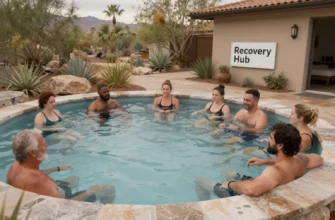
Participating in a community plunge offers a different energy than a solo backyard session. There is a collective “we are in this together” mentality that helps people stay in the water longer than they would alone. However, the backyard version of this tradition is equally powerful. It allows for a moment of quiet, stoic reflection before the chaos of the new year begins.
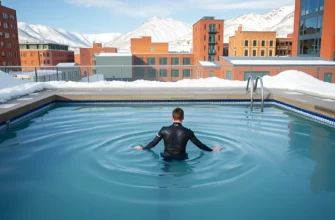
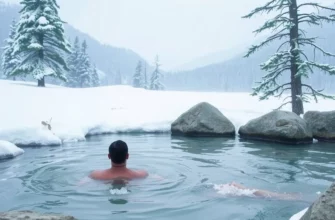
Whether you are jumping into a frozen lake or your insulated backyard pod, the goal is the same: to embrace discomfort. This practice builds “executive control,” the ability of the prefrontal cortex to override the impulsive, emotional parts of the brain. Starting your year by winning this internal battle makes every other challenge in January seem manageable by comparison.
Common Mistakes People Make When Starting Cold Therapy
The biggest mistake in backyard cold plunging is “ego-plunging.” This is when a beginner tries to match the times of seasoned veterans or social media influencers. Cold tolerance is a muscle that must be built over time. Jumping into a 30 minute cold plunge on your first week is not a sign of strength; it is a recipe for a medical emergency.
Warning: Never lock your cold plunge tank. If you are using a chest freezer conversion, always remove the locking mechanism to ensure you can never be trapped inside. Always have a “buddy” nearby or let someone in the house know when you are getting in.
Why More Time Isnt Always Better
There is a point of diminishing returns in cold therapy. For most people, a 6 minute cold plunge provides all the metabolic and anti-inflammatory benefits one could need. Staying in longer doesn’t “double” the benefits; it simply increases the stress on your heart and the likelihood of nerve damage.
If you find that your skin is staying red or numb for hours after a session, you are likely overdoing it. Your goal is hormesis—a beneficial stressor. If the stressor is so great that your body cannot recover from it within 30 to 60 minutes of exiting, you have crossed the line from therapy into trauma. Focus on the quality of your breath and the consistency of your practice rather than the minutes on the clock.
In my professional experience working with high-performance athletes, the most effective cold plunge is the one you can do consistently without dread. I always advise my clients to focus on the “minimum effective dose.” For 95% of the population, a 3-minute plunge at 50°F (10°C) is the sweet spot for recovery and mental clarity. The sobering reality of the afterdrop is that it can catch even the most fit individuals off guard. I have seen more injuries from people trying to break “duration records” than from the cold itself. Treat the ice as a tool, not a trophy. Your goal is to leave the water feeling energized and resilient, not depleted and shivering for the rest of the afternoon.
Frequently Asked Questions
For your first time, aim for 30 seconds to 2 minutes. This is long enough to experience the initial shock and begin regulating your breath without risking a significant drop in core temperature.
Is it safe to do a backyard cold plunge every day?
Daily plunging is generally safe for healthy individuals and is excellent for building discipline. However, listen for signs of central nervous system fatigue, such as persistent lethargy or a resting heart rate that is higher than usual.
What is the best temperature for a backyard cold plunge?
The ideal range for most health benefits is between 45°F and 55°F (7°C – 13°C). Going colder than 45°F increases the risk of cold injury without significantly boosting the metabolic benefits for most users.
Can I do a cold plunge after a workout?
Yes, it is excellent for reducing soreness. However, if your primary goal is maximum muscle hypertrophy (growth), wait at least 4 to 6 hours after your lifting session to ensure you don’t blunt the natural anabolic signaling process.
What should I wear for a New Years Day cold plunge?
Standard swimwear is fine, but the key is what you wear after the plunge. Have a thick robe, a wool beanie, and insulated boots ready to help your body rewarm effectively as soon as you exit the water.
Are two cold plunges a day better than one?
Rarely. The marginal benefits of a second plunge are slim, and one consistent daily session is usually sufficient to maintain high dopamine levels and metabolic health. Doing too much can actually lead to overtraining symptoms.