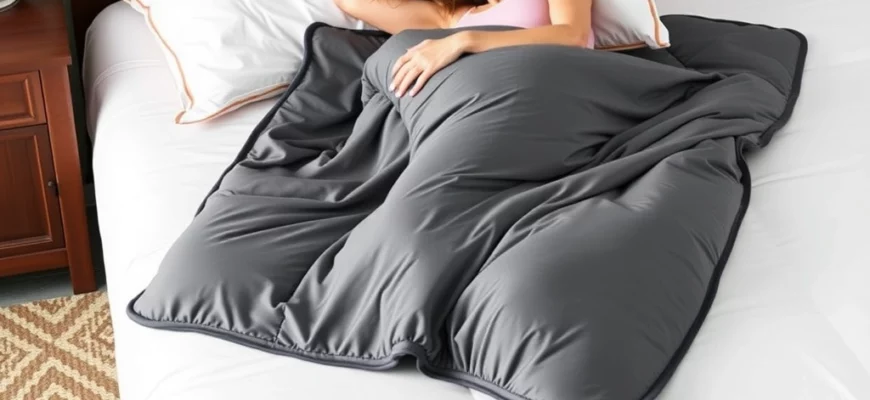
- Why Finding the Best Size Weighted Blanket is Different Than Choosing a Standard Comforter
- The Science of Pressure Distribution
- The Golden Ratio: Selecting the Best Size and Weight for Weighted Blanket Success
- The 10% Body Weight Rule Explained
- Adult Sizing Mastery: What is a Good Size Weighted Blanket for Your Height?
- Individual vs. Shared Blanket Dimensions
- Avoiding Common Sizing Pitfalls: What is the Right Size Weighted Blanket for You?
- The Overhang Trap and Why It Matters
- Final Checklist for Choosing Your Ideal Blanket
- Frequently Asked Questions
Why Finding the Best Size Weighted Blanket is Different Than Choosing a Standard Comforter
When you shop for a traditional duvet or comforter, you typically look for something that drapes elegantly over the sides of your bed. With a weighted blanket, this common habit is a mistake that can ruin your sleep quality and lead to a frustrating night of wrestling with your bedding.
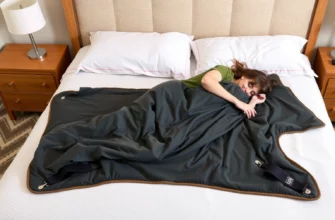
The best size weighted blanket is designed to cover your body specifically, rather than the mattress surface. If the material extends beyond the edges of the bed, the force of gravity will pull the heavy filling toward the floor, causing the blanket to slide off and leaving you cold and unsupported by midnight.
The Science of Pressure Distribution
Weighted blankets work through a mechanism known as Deep Touch Pressure (DTP), which provides a gentle, firm squeeze across the body. This sensory input triggers the release of serotonin and melatonin while reducing cortisol levels, creating a profound calming effect on the nervous system.
To achieve this, the blanket must contour to your unique body shape rather than laying flat across a mattress. If the dimensions are too large, the pressure distribution becomes uneven, as the weight is spread over a larger surface area than necessary, diluting the therapeutic benefits of the sensory input.
The Golden Ratio: Selecting the Best Size and Weight for Weighted Blanket Success
Choosing the right weight is just as critical as choosing the right dimensions. A blanket that is too light won’t provide the necessary grounding effect, while one that is too heavy can feel restrictive or make it difficult to change positions during the night.
| User Body Weight | Recommended Blanket Weight | Ideal Blanket Dimensions |
|---|---|---|
| 100 – 130 lbs | 10 – 12 lbs | 48″ x 72″ (Individual) |
| 130 – 170 lbs | 15 lbs | 48″ x 72″ or 60″ x 80″ |
| 170 – 210 lbs | 20 lbs | 60″ x 80″ (Queen Surface) |
| 210 – 250 lbs+ | 25 – 30 lbs | 60″ x 80″ or Larger |
The 10% Body Weight Rule Explained
The standard industry guideline for calculating the perfect weight is to aim for 10% of your total body weight, plus or minus one or two pounds. This formula ensures that the blanket provides enough resistance to stimulate deep pressure points without causing discomfort or restricting circulation.
When selecting a weighted blanket for adults, you should also consider your physical strength and mobility. If you have joint issues or find it difficult to move heavy objects, erring on the lighter side of the 10% rule is a safer choice to ensure you can easily adjust the blanket or kick it off if you become too warm.
Adult Sizing Mastery: What is a Good Size Weighted Blanket for Your Height?
Height is an often-overlooked factor when people ask what is a good size weighted blanket. For the pressure to be effective, the blanket needs to cover you from your shoulders down to past your feet, ensuring your entire musculoskeletal system is grounded.
| Bed Type | Standard Mattress Size | Best Weighted Blanket Size | Why This Size? |
|---|---|---|---|
| Twin / Twin XL | 38″ x 75/80″ | 48″ x 72″ | Provides full body coverage without any side overhang. |
| Full / Double | 54″ x 75″ | 48″ x 72″ or 60″ x 80″ | A 60×80 will cover the top surface perfectly. |
| Queen | 60″ x 80″ | 60″ x 80″ | Matches the top dimensions to keep weight centered. |
| King / Cal King | 76″ x 80″ | 80″ x 87″ (Dual) | Only recommended for couples sharing a single heavy blanket. |
Individual vs. Shared Blanket Dimensions
Many couples instinctively search for a queen size weighted blanket to share, but this often leads to a poor experience; Because people have different body weights and heat preferences, a single shared blanket may be too heavy for one partner and too light for the other, or create a “tug-of-war” that shifts the weight away from the person who needs it most.
For most adults, the 48×72 inch or 60×80 inch dimensions are the gold standard. If you share a bed, buying two separate individual-sized blankets allows each person to choose their ideal weight and prevents the blanket from sliding off the bed when one person moves.
Avoiding Common Sizing Pitfalls: What is the Right Size Weighted Blanket for You?
A common mistake is assuming that a larger blanket provides more comfort. In reality, a blanket that is too wide for your bed size comparison will suffer from a “gravity pull” effect, where the weight of the overhanging fabric pulls the entire blanket toward the floor.
- DO measure the flat top surface of your mattress before buying; your blanket should not exceed these numbers.
- DON’T buy a King-sized weighted blanket for a single sleeper, as the weight will be spread too thin to provide therapeutic pressure.
- DO choose glass beads over plastic pellets; glass is denser and takes up less space, allowing for a thinner, less bulky blanket.
- DON’T ignore your height; if you are over 6 feet tall, ensure the blanket is at least 80 inches long to prevent your feet from being uncovered.
The Overhang Trap and Why It Matters
When a weighted blanket hangs over the edge of the mattress, the weight distribution shifts significantly. Instead of the pressure being concentrated on your body, the overhanging portion acts as an anchor, creating a constant tension that can make the blanket feel much heavier and more restrictive than it actually is.
To ensure the blanket stays centered, look for models with reinforced ties or loops that can be attached to a duvet cover. This prevents the inner weighted layer from bunching up in the corners, which is one of the primary reasons users find their blankets uncomfortable after a few weeks of use.
Final Checklist for Choosing Your Ideal Blanket
Before you make your final purchase, go through this checklist to ensure you have found the best size weighted blanket for your specific needs. Taking these steps will prevent the hassle of returns and ensure you get the sleep benefits you are looking for.
- Confirm Your Weight: Divide your body weight by 10 and find the closest blanket weight available.
- Measure Your Bed: Ensure the blanket width is at least 2-4 inches narrower than your mattress width.
- Check Your Height: If you are tall, verify the blanket length is 80 inches to cover you from chin to toe.
- Identify Your Material: Opt for micro-glass beads for a cooler, more contoured feel compared to bulky plastic pellets.
- Decide on Sharing: Determine if you need two separate blankets or one large one, keeping in mind the 10% rule for each individual.
In my professional experience as a sleep consultant, I have found that clients almost always regret buying a blanket that is too large. While we are conditioned to want “more” bedding, a weighted blanket is a functional tool, not a decorative one. I always advise prioritizing the sleep surface area over the bed dimensions. If you are on the fence between two sizes, choose the smaller one; it keeps the weight concentrated where it matters—on your nervous system—and prevents the blanket from becoming a heavy heap on the floor by 3:00 AM. Also, consider your joint health; if you have knee or hip sensitivity, a blanket that is too wide can actually put lateral pressure on your joints if it begins to hang off the bed.
Frequently Asked Questions
Yes, but it is rarely ideal. You must calculate the weight based on the combined weight of both users, and if there is a significant weight difference, the lighter person may feel crushed while the heavier person feels nothing.
What happens if my weighted blanket is too big for my bed?
Gravity will pull the overhanging edges downward, causing the blanket to slide off the bed throughout the night. This also reduces the effective pressure on your body because the weight is no longer concentrated on the mattress surface.
Is a 15lb blanket too heavy for a 150lb adult?
No, a 15lb blanket is exactly 10% of a 150lb adult’s weight, making it the perfect starting point for most users seeking therapeutic benefits.
How do I choose a size if I am very tall?
Look specifically for “XL” or “Long” versions of weighted blankets, which typically measure 80 to 84 inches in length. This ensures the weight covers your shoulders and feet simultaneously, which is vital for full-body relaxation.
Should I get a different size for a child versus an adult?
Absolutely. Children require much lighter blankets (usually 5-7 lbs) and smaller dimensions (typically 36×48 inches) for safety. Never use an adult-weighted blanket on a child, as they may not have the strength to move it if it covers their face.