- Why Rewilding Lawns is the Most Impactful Change for Your Garden
- The Environmental Cost of the Perfect Green Carpet
- The Slow Transition: How to Rewild a Lawn Without Losing Control
- Reducing the Mowing Regime: The First Step to Rewilding Grass
- Cultivating Diversity: How to Rewild a Flower Meadow
- Selecting the Right Seeds for Your Soil Type
- Dispelling the Messy Yard Myth: Rewilding Lawns Before and After
- Creating Cues to Care: Making Rewilding Look Intentional
- Regional Inspiration: Lessons from Devon County Council Rewilding Projects
- Why Local Flora Matters for UK Wildlife
- Common Pitfalls When You Rewild Your Lawn
- The Danger of High Nutrient Soils
- Expert Perspective: Ecological Landscaping
- Frequently Asked Questions
Why Rewilding Lawns is the Most Impactful Change for Your Garden
The traditional obsession with a perfectly manicured, stripey green lawn has inadvertently created biological deserts across millions of acres. By choosing to rewild your lawn, you are not simply letting the grass grow; you are actively engaging in a restorative practice that invites lost species back into your immediate environment.
Replacing a chemical-dependent monoculture with a diverse tapestry of life fundamentally shifts your garden’s role from a resource-heavy burden to a self-sustaining ecosystem. This transition is one of the most effective ways an individual can combat the alarming rate of local biodiversity loss while creating a space that feels deeply connected to the natural world.
The Environmental Cost of the Perfect Green Carpet
Maintaining a pristine lawn often requires an invisible arsenal of synthetic fertilizers and herbicides that leach into the groundwater. These chemicals disrupt the delicate balance of soil microbes and can have devastating effects on local aquatic life when they wash into nearby streams and rivers during heavy rainfall.
Beyond the chemical impact, the “green carpet” offers virtually zero resources for our struggling insect populations. Bees and butterflies require a variety of nectar sources and nesting sites that a standard mown lawn cannot provide, leading to significant habitat loss in urban and suburban corridors. A single square meter of wild meadow can support up to 10 times more bird and insect species than a standard lawn, making every inch of rewilded space a lifeline for local wildlife.
The Slow Transition: How to Rewild a Lawn Without Losing Control
Successful rewilding is a deliberate management strategy, not a total abandonment of your outdoor space. It requires a shift in perspective where you move from being a “controller” of nature to a “facilitator,” guiding the land as it returns to a more natural state.
The transition phase is critical because it allows you to observe what is already present in your soil’s seed bank. By slowing down your maintenance routine, you give dormant native species the opportunity to emerge without the immediate pressure of a mower blade or heavy foot traffic.
- The Observation Phase (Months 1-2): Stop all chemical applications immediately. Observe which areas of your lawn are naturally damp, shaded, or prone to moss, as these will dictate which species will thrive there later.
- The “No Mow” Implementation (Months 3-5): Allow the grass to grow through the spring. This period is vital for identifying early-flowering plants like speedwell, clover, and self-heal that may have been suppressed for years.
- The Sculpting Phase (Months 6-12): Begin defining your meadow’s shape. Mow “cues to care” such as paths or borders to separate the wild areas from functional zones, ensuring the space looks intentional rather than neglected.
- The First Cut (Late Summer/Early Autumn): Perform the “hay cut” once flowers have dropped their seeds. Always remove the clippings to keep soil fertility low, which is the secret to a diverse wildflower population.
- Establishment (Year 2 and Beyond): Introduce specific native plugs or seeds to fill gaps and increase the complexity of the ecosystem restoration.
Reducing the Mowing Regime: The First Step to Rewilding Grass
Adopting a “No Mow May” philosophy is the easiest entry point into a new mowing schedule. By putting the mower away during the peak growing season, you allow the first wave of nectar-rich flowers to provide much-needed fuel for pollinators emerging from winter dormancy.
Identifying the existing dormant seeds in your soil is a fascinating exercise in natural history. You might find that your lawn already contains oxeye daisies or bird’s-foot trefoil just waiting for the chance to bloom. Reducing mowing frequency to once every four to six weeks (the “let it grow” approach) or even once a year (the “meadow” approach) will determine the type of habitat you create.
Cultivating Diversity: How to Rewild a Flower Meadow
While a wild lawn is a great start, a structured perennial meadow represents the pinnacle of garden rewilding. This approach involves more active intervention initially to ensure that aggressive grasses do not outcompete the delicate wildflowers you want to encourage.
The goal is to create a multi-layered habitat that provides food and shelter throughout the seasons. This requires a deeper understanding of soil preparation and the specific needs of native flora, moving beyond the “throw and grow” seed bombs that often contain non-native or annual species that won’t return the following year.
Selecting the Right Seeds for Your Soil Type
Before buying seeds, you must understand your soil’s pH and moisture levels. Planting a chalk-loving species in acidic, peaty soil is a recipe for failure and a waste of resources. Always prioritize native wildflowers sourced from local suppliers to ensure the plants are genetically adapted to your specific climate and will support local specialist insects.
One of the most effective tools in your arsenal is Yellow Rattle (Rhinanthus minor). This hemi-parasitic plant feeds on the roots of vigorous grasses, naturally suppressing their growth and creating “pockets” where wildflowers can gain a foothold. Sow Yellow Rattle in the autumn, as the seeds require a period of winter cold (vernalization) to germinate and begin their work of balancing the meadow’s ecology.
Dispelling the Messy Yard Myth: Rewilding Lawns Before and After
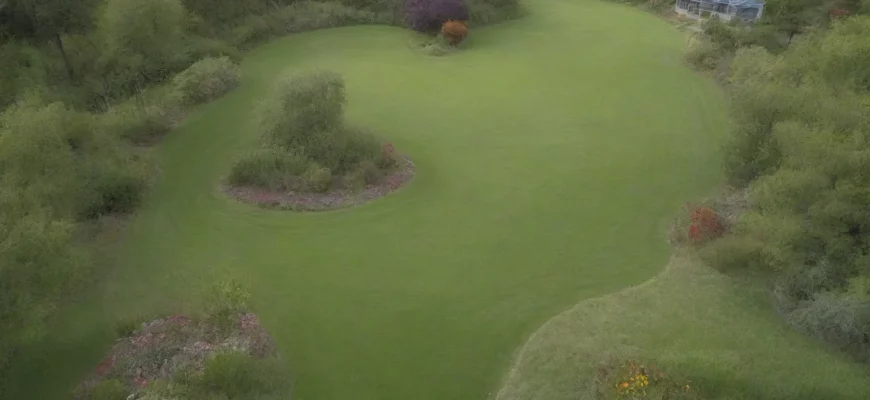
One of the biggest hurdles to rewilding is the fear of neighborly disapproval or the stigma of a “messy” yard. However, the visual evolution of a rewilded lawn is often stunning, transitioning from a flat, two-dimensional green plane to a three-dimensional landscape full of movement, color, and sound.
The “before and after” of a rewilding project isn’t just a change in height; it’s a change in the entire sensory experience of the garden. By using design tricks, you can show that your wild meadow is a deliberate choice, helping to gain neighborhood acceptance and even inspiring others to follow suit.
Myth: Rewilding attracts rats and other “vermin” to my back door.
Fact: While a wilder garden supports more small mammals like voles and mice, it also attracts their natural predators. A balanced ecosystem brings in owls, hawks, and hedgehogs, which keep rodent populations in check naturally.
Myth: A rewilded lawn is just a patch of weeds that will devalue my property.
Fact: Sustainable landscaping is increasingly seen as a premium feature. High-quality “cues to care” like mown edges and professional signage can actually increase curb appeal by showcasing a modern, eco-conscious aesthetic.
Creating Cues to Care: Making Rewilding Look Intentional
To prevent your rewilded lawn from looking like an abandoned lot, you must incorporate “cues to care.” A simple mown path through the middle of a tall meadow or a neatly trimmed one-meter border around the perimeter signals to neighbors that the long grass is a purposeful design choice. Mown paths provide accessibility and allow you to walk through the habitat without damaging the plants or disturbing nesting insects.
Adding small signs that explain the project—such as “Pollinator Cafe” or “Wildflower Meadow in Progress”—can turn a potential conflict into an educational opportunity. This transparency fosters community support and helps redefine the local standards for garden aesthetics from “neatness” to “vitality.”
Regional Inspiration: Lessons from Devon County Council Rewilding Projects
Regional context is everything when it comes to successful ecosystem restoration. The Devon County Council rewilding initiatives serve as a gold standard, demonstrating how large-scale changes to roadside verges and public parks can be translated into the private garden.
In the UK, the timing of the seasons and the specific types of pollinators vary significantly from the north to the south. Following a regional blueprint ensures that your garden acts as a “stepping stone” in a wider ecological corridor, allowing species to move across the landscape in response to climate change and habitat fragmentation.
Why Local Flora Matters for UK Wildlife
Many UK insects have evolved alongside specific local plant species. For instance, certain butterflies will only lay eggs on specific native grasses or wildflowers. By choosing regional plant species, you are providing the exact “host plants” needed for these species to complete their life cycles. Native plants are also better adapted to the UK’s damp winters and unpredictable springs, making them more resilient than exotic alternatives.
Supporting local biodiversity also means respecting the natural timing of your region. In Devon, the mild maritime climate might allow for an earlier flowering season than in the Scottish Highlands. Observing when local hedgerows bloom will give you the best indication of when to expect activity in your own rewilded space, helping you sync your gardening tasks with the rhythms of nature.
Common Pitfalls When You Rewild Your Lawn
The most common mistake people make when they decide to rewild is assuming that “nature will just take care of it” without any guidance. In reality, modern soils are often too fertile for wildflowers, and without a strategy, you may end up with a forest of nettles and brambles rather than a diverse meadow.
To rewild your lawn effectively, you must be proactive about managing soil conditions and preventing the encroachment of invasive species. Understanding the technical requirements of a meadow will save you years of frustration and ensure your garden becomes a thriving biodiversity hotspot rather than a tangled mess.
- Over-fertilizing: Never add fertilizer to a rewilding area. High nutrient levels favor coarse grasses like rye and cocksfoot, which will quickly smother smaller wildflowers.
- Using “Wildflower” Mixes from Supermarkets: Many cheap mixes contain non-native annuals that provide a quick flash of color but do nothing for local long-term biodiversity. Check the label for 100% native perennial content.
- Leaving Clippings on the Ground: If you leave mown grass to rot, it returns nitrogen to the soil. Always rake and remove every bit of thatch to gradually lower the soil fertility.
- Poor Timing: Mowing too early in the summer can destroy the seed heads of the very flowers you are trying to encourage. Wait until at least late July or August.
The Danger of High Nutrient Soils
Standard garden soil is often “too good” for a wildflower meadow. Decades of lawn feed have built up high levels of nitrogen and phosphorus, which acts as a steroid for common grasses. Wildflowers, by contrast, have evolved to thrive in nutrient-poor environments where they don’t have to compete with thick, fast-growing turf.
If your soil is exceptionally fertile, you may need to take more drastic measures, such as removing the top two inches of turf entirely or planting a “sacrificial” crop of heavy feeders like mustard for a season to draw out the nutrients. Avoiding the fertilizer trap is the single most important rule for anyone looking to establish a permanent, low-maintenance wildflower meadow.
Expert Perspective: Ecological Landscaping
In my professional experience, the most successful rewilding projects are those that embrace the concept of Dynamic Equilibrium. I always advise clients that rewilding is not a “set and forget” endeavor; it is a transition from a master-slave relationship with your land to a partnership. This means you must become a keen observer. Instead of following a rigid calendar, look at the plants. If you see an invasive species like Himalayan Balsam taking over, you must intervene strategically. Total abandonment often leads to a monoculture of the most aggressive species, which defeats the purpose of biodiversity. True rewilding requires minimal but highly strategic intervention to maintain a diverse balance of species.
Frequently Asked Questions
Rewilding is excellent for pets as it provides a sensory-rich environment for exploration. However, keep a dedicated mown area for exercise and check your pets for ticks regularly, as taller grass can harbor them. Avoid planting toxic species like foxgloves if your dog is prone to chewing plants.
Will rewilding my lawn attract rats or snakes?
While you may see an increase in small mammals, a healthy rewilded garden attracts predators like owls and foxes that keep populations stable. In the UK, you might attract harmless grass snakes, which are a sign of a high-functioning ecosystem and pose no threat to humans or pets.
How long does it take to see a before and after difference?
In Year 1, you will see a structural change and more “weeds.” By Year 2, early perennials and biennial flowers will appear. By Year 3, the soil fertility usually drops enough for a fully established wildflower ecosystem to take hold and bloom reliably.
Can I rewild a very small urban lawn?
Absolutely. Even a three-square-meter “mini-meadow” acts as a vital fuel station for bees moving through urban landscapes. Small patches are often easier to manage and can be highly productive per square inch if you choose the right native plugs.
Do I need to buy expensive seed mixes to rewild?
No. While native seed mixes can speed up the process, you can achieve significant results simply by adjusting your mowing schedule and removing clippings. This allows the latent seed bank already in your soil to emerge naturally over time without any financial investment.