- David Attenborough and Rewilding: The Core of Our Survival
- The Shift from Conservation to Restoration
- The Global Imperative: Why David Attenborough Says We Need to Rewild the World Now
- Healing the Planet by Stepping Back
- Rewilding vs. Traditional Conservation: A New Approach
- George Monbiot’s For More Wonder: A Philosophical Foundation
- Trophic Cascades and the Logic of the Wild
- Practical Steps: How We Can Rewild the World Together
- From Gardens to Global Policies
- Expert Perspective: Ecological Resilience
- Frequently Asked Questions
David Attenborough and Rewilding: The Core of Our Survival
For over seven decades, David Attenborough has served as the eyes and ears of the natural world, documenting its wonders and, more recently, its steady decline. His recent shift from observer to advocate marks a turning point in environmental discourse, moving away from simple conservation toward the radical necessity of rewilding.
Rewilding represents a fundamental departure from how we have historically managed the earth, suggesting that nature is most effective when humans step out of the driver’s seat. It is not an attempt to freeze the world in a specific historical moment but rather a commitment to letting natural processes dictate the future of our landscapes.
The Shift from Conservation to Restoration
Traditional conservation has long focused on “holding the line,” attempting to protect the tiny fragments of wilderness that remain through intensive human management. While these efforts are noble, Attenborough argues in his witness statement, A Life on Our Planet, that merely slowing the rate of destruction is no longer sufficient to prevent a total ecological collapse.
The transition toward restoration involves a proactive mindset where we look at degraded land and ask how to restore biodiversity from the ground up. This requires moving beyond the protection of individual species to the restoration of entire functional ecosystems that can sustain themselves without constant human intervention or “gardening.”
When we focus on bringing back wild spaces, we are essentially repairing the biological machinery of the planet. Attenborough emphasizes that a wilder world is not just a luxury for nature lovers; it is a functional requirement for a stable climate and a predictable water cycle, both of which are currently under threat.
The Global Imperative: Why David Attenborough Says We Need to Rewild the World Now
The “rewild the world” movement is rooted in the understanding that the earth’s systems are interconnected and that our current agricultural and industrial footprints are simply too heavy. Attenborough’s vision calls for a massive reduction in the land we use for farming, allowing millions of hectares to return to their natural state.
By allowing nature to reclaim large swaths of territory, we create massive carbon sinks that are far more effective than any mechanical carbon capture technology currently in existence. This strategy offers a multi-pronged solution to the dual crises of climate change and mass extinction by providing habitat and cooling the planet simultaneously.
- Climate Stability: Restored forests and peatlands act as massive sponges for atmospheric CO2, locking it away in soil and biomass.
- Flood Mitigation: Wild landscapes with complex vegetation and beaver-engineered wetlands naturally slow the flow of water, preventing downstream disasters.
- Food Security: Rewilding edges of farmland boosts pollinator populations and improves soil health, which are the foundations of our global food supply.
- Genetic Resilience: Larger, connected wild spaces allow species to migrate and adapt to changing temperatures, preventing localized extinctions.
Healing the Planet by Stepping Back
One of the most provocative aspects of Attenborough’s message is the call for “stepping back,” particularly in how we utilize our oceans and agricultural land. He suggests that if we designate one-third of our coastal waters as no-fish zones, the resulting explosion in fish populations would actually increase the yields in the remaining two-thirds of the ocean.
The ocean rewilding impact is particularly profound because marine ecosystems can recover with remarkable speed once the pressure of industrial extraction is removed. Restoring kelp forests and seagrass meadows doesn’t just help fish; it creates some of the most efficient carbon sequestration sites on the planet, outperforming terrestrial forests in terms of carbon stored per square meter.
On land, the focus shifts to the benefits of letting nature heal through the abandonment of marginal, unproductive farmland. When we stop fighting against the natural succession of plants, we allow for the return of “scrub”—a messy, biodiverse habitat that is often the most productive stage of an ecosystem’s recovery.
Rewilding vs. Traditional Conservation: A New Approach
Understanding the difference between these two schools of thought is essential for anyone looking to support environmental stewardship. While traditional conservation often relies on fences and specific targets for individual species, rewilding is about the unpredictability and autonomy of the natural world.
| Feature | Traditional Conservation | Rewilding Strategy |
|---|---|---|
| Primary Goal | Preventing extinction of specific species; | Restoring self-sustaining ecosystems. |
| Human Role | Active management (weeding, culling, planting). | Passive observation after initial species reintroduction. |
| Landscape State | Static (maintaining a specific habitat type). | Dynamic (allowing the land to change over time). |
| Scale | Often small, isolated nature reserves. | Large-scale, connected wildlife corridors. |
| Success Metric | Population counts of a target species. | The return of natural processes (e.g., flooding). |
By choosing rewilding, we accept that we do not have all the answers and that nature’s “self-willed” state is the most resilient configuration. This shift in power from human managers to ecological processes is what allows for the recovery of complex food webs and the eventual stability of the entire biosphere.
George Monbiot’s For More Wonder: A Philosophical Foundation
While Attenborough provides the scientific and ecological “why,” George Monbiot provides the emotional and philosophical “how.” In his influential work and his “For More Wonder” philosophy, Monbiot argues that human beings have a biological need for the wild, and that our current “sanitized” world is leading to a profound sense of ecological boredom;
Monbiot’s vision of rewilding is about more than just carbon; it is about the “enchantment” of the world. He suggests that by bringing back missing keystone species, we don’t just fix the environment—we fix our relationship with it, replacing a sense of despair with a sense of awe and discovery.
Trophic Cascades and the Logic of the Wild
Central to Monbiot’s argument is the concept of trophic cascades—a process where the reintroduction of a top predator sends a “cascade” of positive effects down through the entire food chain. The most famous example is the reintroduction of wolves to Yellowstone National Park, which fundamentally altered the physical geography of the region.
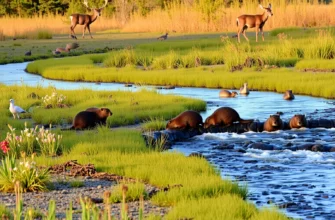
When wolves returned, they changed the behavior of the elk, which had been overgrazing the riverbanks. This allowed willow and aspen trees to return, which brought back songbirds and beavers. The beavers built dams, which created habitats for otters, muskrats, and fish. Most shockingly, the regrowth of vegetation stabilized the riverbanks, causing the rivers to meander less and change their physical course.
This illustrates the importance of wonder in nature; it shows that ecosystems are not just collections of plants and animals, but living, breathing systems where the presence of a single species can transform the landscape. Rewilding is the only strategy that recognizes and harnesses this inherent logic of the wild to repair our broken world.
Practical Steps: How We Can Rewild the World Together
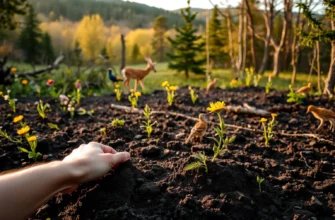
Rewilding can often feel like a task reserved for governments and billionaire landowners, but the movement actually gains its greatest strength from local, grassroots action. To rewild the world, we must reimagine our relationship with the land starting in our own backyards and communities.
The goal is to move from a culture of “tidiness” to a culture of “wildness.” This means embracing the messy, the overgrown, and the complex. Whether you are managing a small urban garden or advocating for regional policy changes, the principles of rewilding remain the same: create space, remove barriers, and let nature take the lead.
- Stop the War on “Weeds”: Allow native wildflowers and “scrub” to grow, providing vital nectar for insects.
- Remove Physical Barriers: Replace solid fences with hedges or “hedgehog highways” to allow wildlife to move freely.
- Advocate for Connectivity: Support the creation of wildlife corridors that link isolated patches of forest or meadow.
- Reduce Meat Consumption: Lowering the demand for grazing land is the single most effective way to free up land for large-scale rewilding.
- Support Regenerative Finance: Invest in or donate to organizations that buy degraded land specifically for ecological recovery.
From Gardens to Global Policies
Small scale rewilding ideas are powerful because they act as “stepping stones” for wildlife in an otherwise hostile urban landscape. A single garden that replaces a lawn with a pond and native shrubs can become a vital sanctuary for amphibians and migratory birds, contributing to the broader mosaic of a wilder region.
At the policy level, we must advocate for the integration of nature-based solutions into all aspects of urban planning and infrastructure. This includes “green bridges” over motorways, the daylighting of buried urban rivers, and the protection of large, core wilderness areas that are free from human development. Environmental stewardship is no longer about managing a park; it is about reweaving the wild back into the fabric of our everyday lives.
Expert Perspective: Ecological Resilience
In my professional experience, the biggest hurdle to rewilding is the “shifting baseline syndrome”—the tendency of each generation to accept the degraded state of nature they were born into as the “normal” standard. I always advise practitioners to stop looking backward at what we’ve lost and instead look forward to what we can create. Rewilding is not a nostalgic dream of returning to the Pleistocene; it is a proactive, 21st-century strategy for building ecosystems that are resilient enough to survive the climate shocks we have already locked in; We aren’t just saving the planet; we are designing a future where nature has the autonomy to save us.
Frequently Asked Questions
It refers to a global strategy of restoring stability to the Earth by increasing biodiversity and allowing large-scale natural processes to resume without human interference.
How does George Monbiot’s For More Wonder relate to rewilding?
Monbiot views rewilding as a philosophical necessity to bring excitement and “wonder” back to human life by restoring missing ecological links and top predators.
Is rewilding the same as planting trees?
No, while tree planting can help, rewilding is broader, focusing on restoring entire food webs and natural processes like grazing, flooding, and predator-prey dynamics.
Can rewilding help stop climate change?
Yes, wild ecosystems are superior at capturing carbon and protecting against extreme weather events like floods and droughts compared to managed landscapes.
What are some examples of successful rewilding projects?
Key examples include the reintroduction of wolves to Yellowstone, the transformation of the Knepp Estate in the UK, and the return of beavers to European river systems.