- The Big Question: Does Cold Plunge Lower Blood Pressure Over Time?
- How Cold Water Exposure Influences Your Heart Health
- Why You Might See a Spike: Does Cold Plunge Increase Blood Pressure Initially?
- The Physics of the Cold Shock Response
- Understanding the Myths: Cold Therapy vs. Hypertension
- Separating Heart Health Facts from Viral Trends
- How to Reduce Inflammation and Support Your Arteries
- The Link Between Stress Hormones and Blood Pressure
- Staying Safe: Dos and Don’ts for Plunging with High Blood Pressure
- Safety Protocols for Those with Cardiovascular Concerns
- Frequently Asked Questions
The Big Question: Does Cold Plunge Lower Blood Pressure Over Time?
The relationship between ice-cold water and cardiovascular health is a paradox of modern wellness. While the initial shock of the water sends your vitals into a frenzy, the long-term adaptations suggest a powerful restorative effect on the heart and arteries. To understand if cold plunging can actually lower blood pressure, we have to look past the immediate shivering and focus on the concept of hormetic stress.
Hormesis is the biological phenomenon where a brief, controlled dose of stress triggers a protective response that makes the body stronger. Just as lifting weights creates micro-tears in muscle to build strength, exposing your body to extreme cold forces your vascular system to become more resilient. Over months of consistent practice, this process can lead to a more efficient heart and a lower resting blood pressure baseline.
How Cold Water Exposure Influences Your Heart Health
The primary driver of blood pressure regulation during a cold plunge is the autonomic nervous system. When you submerge, your body toggles between the sympathetic (fight or flight) and parasympathetic (rest and digest) branches. Regular exposure trains the parasympathetic nervous system to “take the wheel” more quickly after a stressful event. This improved vagal tone is a hallmark of cardiovascular health, allowing your heart to return to a calm state with lower pressure more efficiently than an untrained individual.
Beyond the nervous system, the physical structure of your blood vessels undergoes a workout. The rapid contraction and subsequent expansion of the arteries—often called vascular gymnastics—helps maintain arterial elasticity. Flexible arteries are essential for managing blood pressure because they can easily accommodate changes in blood flow volume. If your arteries are stiff, your heart has to pump harder, which is the very definition of hypertension. By keeping the “pipes” flexible, cold plunging supports a more fluid, low-pressure circulatory system.
Many people ask if cold plunging is good for high blood pressure, and the answer depends entirely on your starting point. For those with mild hypertension or those looking to prevent it, the strengthening of the cardiac muscle and the reduction of systemic resistance are significant benefits. However, this is a long-term play; it is not an overnight fix, but rather a structural improvement to how your body handles internal and external pressure.
Why You Might See a Spike: Does Cold Plunge Increase Blood Pressure Initially?
It is a biological certainty that your blood pressure will skyrocket the moment your skin hits freezing water. This is not a malfunction; it is a primal survival mechanism known as the cold shock response. For anyone with pre-existing heart conditions, understanding this immediate spike is the difference between a health-boosting habit and a dangerous medical emergency.
When the skin’s cold receptors are suddenly activated, they send a massive electrical impulse to the brain. This triggers an immediate release of norepinephrine and adrenaline, which causes the heart rate to jump and the blood vessels to constrict. This sudden narrowing of the vascular “pipes” means the same amount of blood is now being forced through a much smaller space, leading to an instantaneous rise in blood pressure readings.
The Physics of the Cold Shock Response
The physics of vasoconstriction is straightforward: as the blood vessels in your arms, legs, and skin tighten to preserve core heat, blood is shunted toward your vital organs. This centralization of blood volume puts an immense, sudden load on the heart. For a healthy person with a strong heart, this is a productive stressor. For someone with a weakened heart or advanced plaque buildup, this sudden surge in pressure can be enough to dislodge a blockage or cause an arrhythmia.
This spike happens in everyone, regardless of fitness level. Even elite athletes will see their systolic and diastolic numbers climb significantly during the first 60 seconds of a plunge. The key difference is how quickly those numbers stabilize. As you become “cold adapted,” your brain learns that the cold is not a mortal threat, and it dampens the adrenaline surge, allowing the blood pressure to level off much faster than it would for a beginner. This is why the first 30 seconds are always the most critical for safety.
Understanding the Myths: Cold Therapy vs. Hypertension
The internet is full of “biohackers” claiming that ice baths can cure every ailment known to man, but we must separate viral trends from physiological reality. Cold therapy is a potent tool, but it is not a magic wand for chronic disease. It is a supportive practice that works best when integrated into a lifestyle of movement, proper nutrition, and medical oversight.
Separating Heart Health Facts from Viral Trends
One of the most dangerous myths is the idea that cold plunging can replace hypertension medication. This is categorically false. While plunging can improve your body’s baseline, it does not address the underlying genetic or lifestyle factors that might require pharmaceutical intervention. Using a plunge as a supplement to, not a replacement for, medical care is the only responsible way to approach the practice.
Myth: Cold plunging immediately clears out clogged arteries.
Fact: While cold therapy improves vascular flexibility and reduces inflammation, it cannot physically “scrub” plaque from arterial walls. It is a preventative measure, not a surgical one.
Myth: You should stay in the ice until you stop shivering to get the blood pressure benefits.
Fact: Shivering is a sign your body is struggling to maintain its core temperature. The most significant cardiovascular adaptations occur in the first 3 minutes; staying in longer increases the risk of afterdrop and hypothermia without significantly improving blood pressure outcomes.
Another common misconception is that the “is it bad for me” question has a universal answer. The reality is that cold therapy is highly individualized. What lowers blood pressure for a 30-year-old athlete might cause a hypertensive crisis for a 65-year-old with Stage 2 hypertension. The activation of brown adipose tissue (BAT) during a plunge can help improve metabolic health, which indirectly helps blood pressure, but this is a secondary benefit that takes weeks or months to manifest.
How to Reduce Inflammation and Support Your Arteries
High blood pressure is often a symptom of a deeper issue: systemic inflammation. When your body is in a state of chronic inflammation, your blood vessels become “sticky” and less responsive. Cold water immersion is one of the most effective non-pharmacological ways to blunt the inflammatory response and protect the delicate endothelial lining of your arteries.
The cold works by suppressing pro-inflammatory cytokines and increasing the production of anti-inflammatory proteins. By lowering your systemic “fire,” you reduce the friction within your circulatory system. When inflammation is low, blood flows more smoothly, and the heart doesn’t have to work as hard to move oxygen to your cells. This is a primary reason why regular plungers often see a steady decline in their resting heart rate over time.
The Link Between Stress Hormones and Blood Pressure
Cortisol, the body’s primary stress hormone, is a known contributor to high blood pressure. Chronic stress keeps cortisol levels elevated, which causes the body to retain salt and constrict blood vessels. Cold plunging acts as a “hard reset” for the endocrine system. The intense but brief spike in norepinephrine followed by a prolonged period of low cortisol creates a hormonal environment that is conducive to lower blood pressure.
Furthermore, the impact on sleep quality is a massive factor in heart health. Deep, restorative sleep is when your body repairs vascular damage and regulates blood pressure. Because cold plunging increases the production of melatonin and helps regulate the circadian rhythm, users often experience higher quality REM sleep. Consistently getting 7-9 hours of high-quality sleep is one of the most effective ways to keep blood pressure steady and prevent the “spikes” associated with sleep deprivation and fatigue.
Staying Safe: Dos and Don’ts for Plunging with High Blood Pressure
If you are managing hypertension and want to explore cold therapy, you must move with intention. This is not the time for a “no pain, no gain” mentality. The goal is to gently nudge your cardiovascular system into a state of better health without overwhelming it.
Safety Protocols for Those with Cardiovascular Concerns
The most important rule for high-risk individuals is gradual acclimation. Jumping into 40°F water on day one is a recipe for disaster. Instead, start with “cool” showers or water around 60°F. This allows your heart to learn how to handle the pressure spike without being pushed to its absolute limit.
- DO consult your doctor and potentially undergo a cardiac stress test before starting a cold plunge routine if you have a history of heart disease.
- DON’T hold your breath when entering the water. Holding your breath increases internal thoracic pressure, which further spikes blood pressure. Instead, focus on long, slow exhalations to trigger the parasympathetic nervous system.
- DO limit your sessions to 2-3 minutes initially. The goal is the “minimum effective dose,” not an endurance test.
- DON’T plunge alone if you have diagnosed hypertension. Always have someone nearby who can assist you if you feel lightheaded or dizzy.
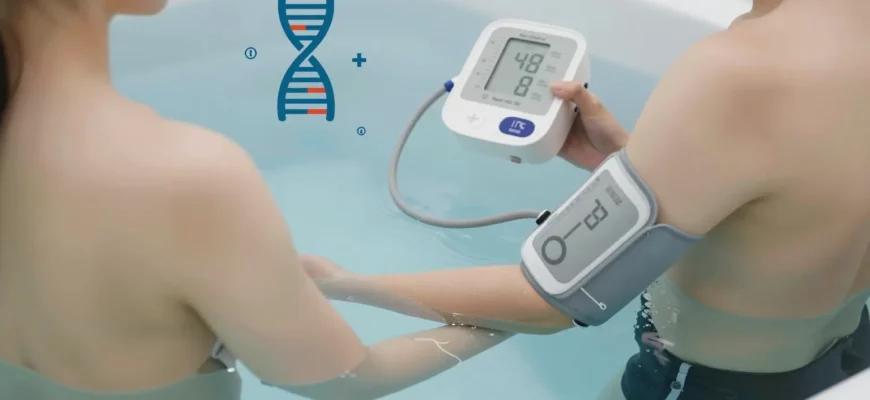
- DO monitor your numbers. Use a home blood pressure cuff to track your resting levels over several weeks to see how your body is actually responding to the therapy.
- DON’T use a sauna immediately before a plunge if you have heart issues. The rapid transition from extreme heat (vasodilation) to extreme cold (vasoconstriction) is the most stressful thing you can do to your heart.
In my professional experience working with high-performance clients and those in cardiac recovery, I have found that cold water immersion is a double-edged sword. I always advise my clients to view the ice bath as a “stress trainer” rather than a cure. If your blood pressure is consistently above 140/90, I recommend starting with 30-second cold finishes at the end of a warm shower rather than a full plunge; This builds the “musculature” of your blood vessels without the dangerous central pressure surge of a full immersion. I have seen clients significantly lower their resting heart rate and improve their heart rate variability (HRV) through consistency, but the key is never to rush the process. The heart is a muscle that needs to be trained, not traumatized.
Frequently Asked Questions
No, your blood pressure will likely remain elevated for 15-30 minutes after exiting as your body works to rewarm. The blood pressure-lowering effects are a long-term adaptive result, not an immediate post-plunge drop.
Can I cold plunge if I am on blood pressure medication?
You must speak with your physician first. Some medications, like beta-blockers, can prevent your heart rate from rising appropriately during the cold shock, which can lead to fainting or a dangerous drop in core temperature.
How long should I stay in the cold water to see heart benefits?
Consistency is more important than duration. Aim for 11 minutes of total exposure per week, broken into 2-5 minute sessions. Staying in longer than 5 minutes increases the risk of hypothermia without providing additional cardiovascular benefits.
Does the temperature of the water change the effect on blood pressure?
Absolutely. Colder water (below 50°F) causes a much more violent blood pressure spike. Beginners or those with heart concerns should start at 60°F to allow the vascular system to adapt before moving to colder temperatures.
Are there any warning signs that my blood pressure is too high during a plunge?
Yes. If you experience extreme dizziness, a crushing headache, chest pain, or blurred vision, you must exit the water immediately. These are signs that the cold shock has pushed your blood pressure into a dangerous range.