- The Vision of Samantha Jo: Leading the Rewild Long Island Movement
- Why Native Landscapes Matter for the Island’s Future
- The Power of Partnership: Jude, Matt, and the Team Effort
- Coordinating Conservation: The Roles of Jude and Matt
- Actionable Steps for Local Restoration: Your Rewilding Checklist
- Transforming Your Backyard into a Native Sanctuary
- Common Misconceptions: Debunking Rewilding Myths
- Clearing the Air on Natural Landscaping
- The Long-Term Impact: Scaling Rewild Long Island Beyond the Shoreline
- Building Climate Resilience through Local Action
- Expert Perspective: Community-Led Restoration
- Frequently Asked Questions
The Vision of Samantha Jo: Leading the Rewild Long Island Movement
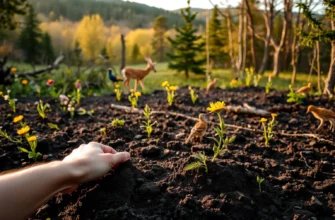
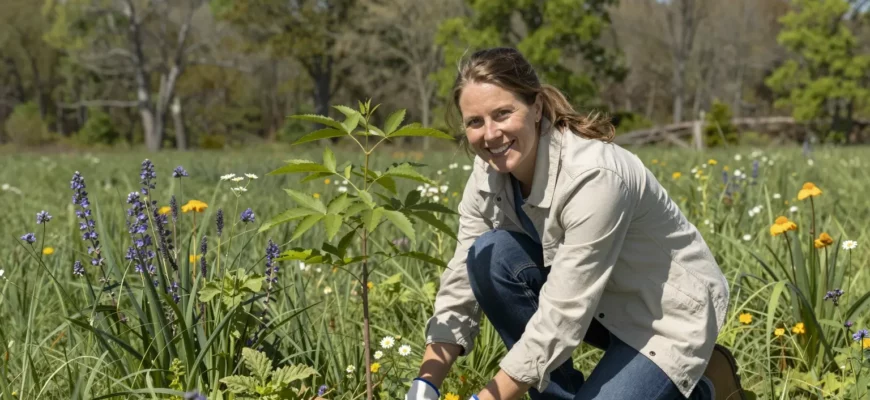
The ecological landscape of Long Island is undergoing a quiet but profound transformation, driven by a philosophy that prioritizes biological function over purely aesthetic lawn culture. At the heart of this shift is Samantha Jo, whose work with Rewild Long Island represents a departure from traditional, resource-heavy landscaping toward a model that invites nature back into the suburban fabric.
Her motivation stems from a clear-eyed observation of the “green deserts” that dominate local residential zones—vast expanses of non-native turf grass that offer zero nutritional value to local fauna. By reframing the backyard as a critical link in a larger environmental chain, the lead organizer has catalyzed a movement that treats every square foot of soil as an opportunity for systemic repair.
Why Native Landscapes Matter for the Island’s Future
The decline of local biodiversity is not an abstract global phenomenon; it is a measurable reality in our own backyards, where the loss of keystone species directly impacts the resilience of our food systems and water quality. Traditional gardening often relies on “ornamental” plants from distant continents that local insects cannot recognize as food, effectively breaking the bottom link of the food chain.
Rewilding differs from conventional horticulture by focusing on ecological services rather than static visual appeal. While a standard garden might prioritize a bloom that lasts two weeks, a habitat restoration project selects species like Asclepias (milkweed) or Symphyotrichum (asters) because they provide essential nectar and host sites for specialized pollinators. This approach ensures that native plant species are not just decorations, but active participants in a living, breathing ecosystem that supports birds, beneficial predatory insects, and soil microbes.
The Power of Partnership: Jude, Matt, and the Team Effort
No large-scale ecological shift happens in a vacuum, and the success of Rewild Long Island is anchored in the collaborative synergy between Samantha Jo and her key partners, Jude and Matt. Their combined expertise allows the organization to move beyond theoretical advocacy into the realm of tangible, boots-on-the-ground implementation across diverse communities.
This partnership functions as a multi-disciplinary hub where strategic planning meets technical execution. While the overarching mission remains focused on restoration, the day-to-day operations require a blend of horticultural science, community organizing, and logistical management to ensure that native plantings actually survive and thrive in the face of local climate pressures.
Coordinating Conservation: The Roles of Jude and Matt
Jude and Matt provide the operational backbone that translates the rewilding vision into scalable projects. Their contributions often involve the complex task of navigating local land-use expectations while introducing rigorous ecological standards. Collaborative conservation is the engine here; Jude’s focus on community outreach ensures that neighbors understand the “why” behind a changing landscape, while Matt’s technical oversight ensures the “how” is rooted in sound biology.
The community impact of this team effort is visible in the growing network of “rewilded” patches that act as stepping stones for wildlife. By working as a unified front, they demonstrate that environmental work is most effective when it bridges the gap between scientific necessity and local social acceptance. This multi-disciplinary approach is the only way to achieve permanent land-use changes in densely populated suburban environments.
Actionable Steps for Local Restoration: Your Rewilding Checklist
Transitioning a standard yard into a functional habitat can feel overwhelming, but the process is more about subtraction and substitution than complex construction. The goal is to move away from high-maintenance chemicals and toward a self-sustaining cycle that mimics the natural oak-hickory forests or maritime grasslands native to the region.
By following a structured approach, homeowners can significantly reduce their carbon footprint while creating a sanctuary for local species. Use the following checklist to guide your transition from a sterile lawn to a vibrant, living landscape.
- Audit Your Existing Vegetation: Identify and prioritize the removal of “ecological traps” such as English Ivy, Japanese Barberry, and Burning Bush, which escape into local woods and outcompete native flora.
- Analyze Your Soil and Sunlight: Long Island soil varies from heavy clay to sandy loam; always match the plant to the site conditions rather than trying to amend the soil to fit a specific plant.
- The 70% Rule: Aim for at least 70% native biomass in your plantings to support a stable population of breeding birds that rely on insects for their young.
- Reduce Turf Grass: Start small by expanding existing garden beds or creating “soft landings” under mature trees using native groundcovers like Pennsylvania Sedge or Wild Ginger.
- Embrace Structural Complexity: Layer your landscape with a mix of canopy trees, understory shrubs, and herbaceous perennials to provide multi-level nesting and foraging sites.
- Practice Sustainable Maintenance: Stop the “fall cleanup” ritual; leaving the leaves provides critical overwintering habitat for queen bumblebees and butterfly larvae.
Transforming Your Backyard into a Native Sanctuary
When considering how to start rewilding, the first step is often the most psychological: redefining what a “clean” yard looks like. A sustainable yard care routine eliminates the use of broad-spectrum pesticides and synthetic fertilizers, which often leach into the Long Island aquifer—our sole source of drinking water.
Selecting native alternatives is the most rewarding part of the process. Instead of planting a non-native Butterfly Bush, which provides nectar but no host value, consider Pycnanthemum muticum (Mountain Mint), which is a magnet for a massive diversity of beneficial wasps and bees. By choosing plants that evolved in our specific maritime climate, you ensure your garden is resilient against both summer droughts and nor’easters without the need for supplemental irrigation.
Common Misconceptions: Debunking Rewilding Myths
As native landscaping gains traction, several myths often persist, fueled by a misunderstanding of what ecological restoration actually looks like. Many homeowners fear that moving away from a manicured lawn will lead to chaos or decreased property values, but the data suggests quite the opposite.
Addressing these concerns is vital for building broader community support. It is important to distinguish between “neglect” and “intentional natural landscaping,” as the latter involves careful design and management to ensure the space remains an asset to the neighborhood.
Myth: Rewilding attracts dangerous pests like ticks and rodents to my doorstep.
Fact: Ticks thrive in the humid microclimate of invasive Japanese Barberry; removing invasives and encouraging natural predators like birds and spiders creates a more balanced, safer environment.
Myth: A native garden looks “messy” and will lower my home’s resale value.
Fact: High-quality native landscapes with defined borders and “cues to care” (like mowed edges or paths) are increasingly viewed as premium, low-maintenance upgrades by eco-conscious buyers.
Clearing the Air on Natural Landscaping
The rewilding misconceptions often stem from the “all or nothing” fallacy. You do not have to turn your entire property into an impassable thicket to see ecological benefits. Even a small “pollinator pocket” in a sunny corner can provide a 100-mile boost for migrating Monarch butterflies.
Regarding aesthetics, the use of “human-scale” design elements—such as bird baths, split-rail fences, or intentional groupings of plants—signals to neighbors that the landscape is a deliberate choice. This intentionality helps bridge the gap between traditional expectations and the urgent need for habitat restoration, proving that beauty and biological function are not mutually exclusive.
The Long-Term Impact: Scaling Rewild Long Island Beyond the Shoreline
The work led by Samantha Jo, Jude, and Matt is not just about individual gardens; it is about creating a blueprint for regional climate resilience. As a coastal community, Long Island faces unique threats from rising sea levels and intensified storm events. Native plants, with their deep and complex root systems, offer a natural defense mechanism that turf grass simply cannot provide.
Scaling this mission involves moving beyond residential backyards and into the realm of municipal parks, school grounds, and corporate campuses. By connecting these disparate patches of native habitat, the organization is helping to stitch together a wildlife corridor that allows species to move and adapt as the climate changes.
Building Climate Resilience through Local Action
Native plants are the unsung heroes of coastal resilience. Species like Schizachyrium scoparium (Little Bluestem) have roots that can reach several feet into the earth, significantly increasing the soil’s ability to absorb rainwater. This reduces the “runoff” that carries pollutants into our bays and harbors, helping to mitigate the nitrogen loading that causes harmful algal blooms.
Ultimately, environmental stewardship at the local level is the most effective tool we have against global ecological collapse. By focusing on hyper-local ecology, Rewild Long Island is demonstrating that restoring the roots of our landscape is the most direct way to secure a sustainable future for the entire island community.
Expert Perspective: Community-Led Restoration
In my professional experience, the most common mistake people make in conservation is thinking too big while ignoring the dirt beneath their feet. I have found that environmental restoration is most successful when it combines local scientific knowledge with community enthusiasm, as demonstrated by Samantha Jo’s team. I always advise practitioners to focus on Hyper-local Ecology—using plants sourced from local genotypes whenever possible. This is the gold standard for conservation because these plants are genetically tuned to our specific humidity, soil pathogens, and frost dates, ensuring the highest possible survival rate for your restoration project.
Frequently Asked Questions
Samantha Jo is a lead organizer and ecological advocate dedicated to native plant education and habitat restoration across Long Island’s suburban and coastal landscapes.
What is the main goal of Rewild Long Island?
The mission is to increase regional biodiversity by replacing non-native lawns with native plantings that support local pollinators, birds, and healthy soil ecosystems.
How do Jude and Matt contribute to the rewilding mission?
Jude and Matt serve as key partners who manage the operational, technical, and community outreach aspects, ensuring that restoration projects are scientifically sound and socially supported.
Is rewilding my yard legal in Long Island neighborhoods?
Yes, but you must comply with local height ordinances; using “cues to care” like mowed borders or signage helps keep your eco-friendly garden within community standards.
How can I get involved with Samantha Jo’s projects?
You can participate by volunteering for community planting events, attending educational workshops, or purchasing native species during the organization’s seasonal plant sales.
Does rewilding attract unwanted pests like ticks?
Actually, a diverse native garden attracts natural predators like dragonflies and birds that help control pest populations, often resulting in a more balanced ecosystem than a monoculture lawn.