- Rewilding Scotland: A Vision for a Living Landscape
- From Deforestation to a Rewilding Journey
- Mapping the Movement: Major Scotland Rewilding Projects
- Highland Icons: Alladale, Glenfeshie, and the Cairngorms
- Rewilding the Isle of Skye and the Inner Hebrides
- The Return of Keystone Species: Wolves, Lynx, and Beavers
- The Wolf Debate: Can Predators Return to the Highlands?
- Beavers and Lynx: The Quiet Architects of the Forest
- Becoming the World’s First Rewilding Nation
- Policy, Grants, and the Future of Scottish Land
- Education and Immersion: Books, Courses, and Centres
- The Dundreggan Experience: Scotland’s First Rewilding Centre
- Essential Reading: A Rewilding Journey and Beyond
- Common Mistakes to Avoid in Landscape Restoration
- Frequently Asked Questions
Rewilding Scotland: A Vision for a Living Landscape
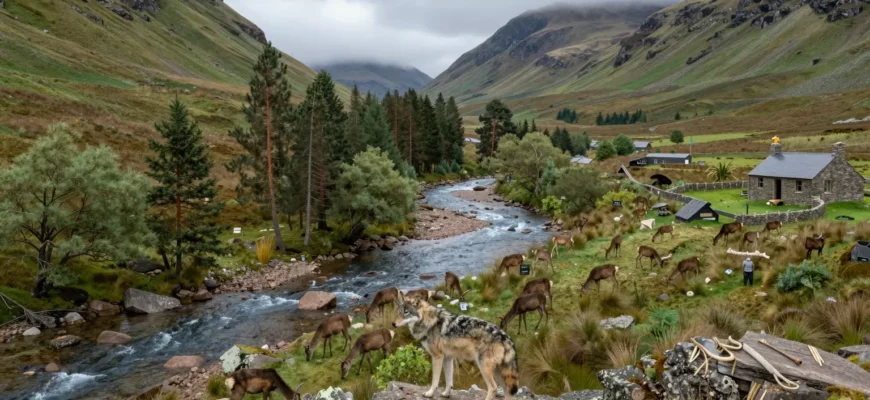
Scotland stands at a pivotal ecological crossroads․ For centuries, the iconic image of the “purple moor” and the “bare glen” has been celebrated as a natural wilderness, yet this landscape is largely a product of human intervention and ecological depletion․
To rewild Scotland is to move beyond the aesthetic of the Highland clearances․ It is a systematic approach to ecological repair that seeks to restore the complex, self-sustaining webs of life that once defined this northern territory․
From Deforestation to a Rewilding Journey
The historical loss of the Caledonian forest is a central theme in the story of Scotland’s environmental decline․ Once covering over 1․5 million hectares, this vast temperate rainforest was reduced to a mere 1% of its original range due to timber extraction and the introduction of intensive sheep farming and deer stalking․
This transition was not just physical; it was cultural․ For generations, the land was viewed solely as a resource for extraction․ Today, we are witnessing a profound shift as communities and landowners begin to rewild Scotland by prioritizing biodiversity over monoculture․ This journey involves moving away from “tidied” landscapes and embracing the messy, productive chaos of a healthy ecosystem․
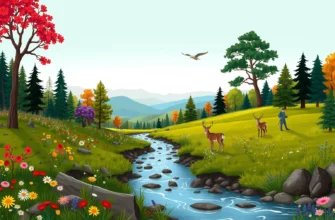
Modern nature recovery in the Highlands is no longer a fringe movement․ It has evolved into a sophisticated strategy for climate resilience․ By allowing native trees like the Scots pine, rowan, and birch to return, the land can once again function as a massive carbon sink, helping to mitigate the effects of global warming while providing a home for rare species․
Mapping the Movement: Major Scotland Rewilding Projects
The scale of rewilding in Scotland is unmatched elsewhere in the United Kingdom․ From the vast plateaus of the Cairngorms to the rugged coastline of the Atlantic west, specific projects are demonstrating how land management can be flipped on its head to favor nature․
To understand the geographical spread and diversity of these initiatives, it is helpful to compare the leading projects currently shaping the Highland interior and the coastal regions․
| Project Name | Location | Key Focus Area | Primary Strategy |
|---|---|---|---|
| Cairngorms Connect | Cairngorms National Park | 60,000+ Hectares | Restoring forest bogs and high-altitude woodland through natural regeneration․ |
| Alladale Wilderness Reserve | Sutherland | 9,300 Hectares | Planting nearly one million native trees and restoring peatlands to support wildlife․ |
| Glenfeshie Estate | Cairngorms | 17,000 Hectares | Aggressive deer management to allow the Caledonian forest to regenerate without fencing․ |
| Trees for Life | Glen Affric / Dundreggan | 4,000+ Hectares | Establishing a world-class rewilding center and planting millions of native saplings․ |
Highland Icons: Alladale, Glenfeshie, and the Cairngorms
The Cairngorms Connect partnership represents one of the most ambitious landscape-scale restoration projects in Europe․ By bringing together private landowners, government agencies, and NGOs, the project aims to restore 600 square kilometers of contiguous habitat․ This scale is vital because nature recovery requires vast, unbroken corridors where species can migrate and adapt to changing conditions․
On private estates like Glenfeshie, the approach is often more direct․ By significantly reducing the density of red deer—which had reached unnaturally high levels due to a lack of natural predators—the forest has begun to “plant itself․” This method of natural regeneration is often preferred over manual planting because it ensures the trees that survive are those best adapted to the specific local microclimate․
The Alladale Wilderness Reserve has become a lightning rod for the rewilding conversation․ Under the vision of Paul Lister, the estate has shifted from a traditional sporting lodge to a sanctuary for biodiversity․ Beyond tree planting, Alladale has participated in the captive breeding of Scottish wildcats, a species currently on the brink of extinction, showing that private capital can drive significant conservation gains․
Rewilding the Isle of Skye and the Inner Hebrides
Island rewilding presents a unique set of challenges and opportunities․ On the Isle of Skye, the focus often shifts toward coastal restoration and the protection of rare “machair” habitats—fertile low-lying grassy plains that are unique to the northwest of Scotland and Ireland․
Community-led initiatives on Skye are proving that rewilding can coexist with traditional crofting․ By integrating native woodland planting with sustainable grazing practices, residents are creating a mosaic of habitats that support everything from golden eagles to rare orchids․ These projects emphasize that rewilding is not an exclusion of people, but an invitation for human communities to become part of a healthier ecosystem․
In the Inner Hebrides, the restoration of seagrass meadows and kelp forests is gaining momentum․ These underwater “forests” are incredibly efficient at sequestering carbon and serve as vital nurseries for the fish stocks that local fishing communities depend on․ This “blue rewilding” is a critical component of the broader movement to restore Scotland’s natural heritage․
The Return of Keystone Species: Wolves, Lynx, and Beavers
No topic within the rewilding movement sparks as much heated debate as the reintroduction of apex predators․ While the ecological benefits of these species are well-documented, the social and economic concerns of farmers and rural workers cannot be ignored․
Keystone species are those that have a disproportionately large effect on their environment relative to their abundance․ Their presence or absence can fundamentally change the structure of an entire ecosystem, often leading to what ecologists call a “trophic cascade․”
Myth: Introducing wolves to Scotland would pose a direct danger to hikers and tourists․
Fact: Wolves are notoriously shy and avoid human contact․ In countries like Italy and France, where wolves have returned naturally, there have been zero documented attacks on humans in the modern era․
Myth: Beavers cause widespread flooding that destroys productive agricultural land․
Fact: While beavers do change water levels, their dams act as natural filters and flood mitigators․ In most cases, strategic management and “beaver deceivers” (specialized piping) can prevent unwanted flooding while retaining the massive biodiversity benefits․
The Wolf Debate: Can Predators Return to the Highlands?
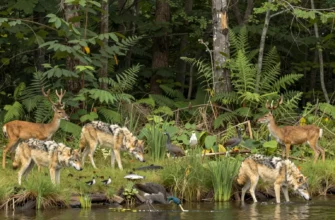
The gray wolf was hunted to extinction in Scotland in the 1700s․ Since then, the absence of an apex predator has allowed deer populations to explode, leading to the overgrazing of young saplings and the stagnation of forest growth․ The rewilding Scotland wolves conversation often centers on the “fear factor,” but the ecological argument is strong․
The documentary The Big Picture has played a significant role in visualizing how a predator-prey balance could transform the Highlands․ By keeping deer on the move, wolves prevent them from lingering in one spot and stripping it bare․ This “ecology of fear” allows the forest to thrive, which in turn provides habitat for hundreds of other species․ However, for this to work, a robust compensation and management framework for livestock owners must be the first priority․
Beavers and Lynx: The Quiet Architects of the Forest
The beaver has already made its triumphant return․ After successful trials in Knapdale and Tayside, the Eurasian beaver is now a protected species in Scotland․ These “ecosystem engineers” create complex wetlands that store water during droughts and slow the flow during floods․ They are proof that reintroducing a single species can have cascading benefits for hundreds of other organisms, from dragonflies to salmon․
The Eurasian lynx is the next logical candidate for reintroduction․ Unlike wolves, lynx are solitary forest dwellers that hunt primarily in deep cover․ Their presence in the Scottish Borders or the Highlands would help control roe deer populations in dense woodlands where human stalking is difficult․ Because they do not hunt in the open, the risk to sheep is significantly lower than that of other predators, making them a more socially palatable option for many conservationists․
Becoming the World’s First Rewilding Nation
The Scottish Rewilding Alliance has launched a bold campaign to have Scotland officially recognized as the world’s first “Rewilding Nation․” This isn’t just a title; it is a commitment to nature recovery on a scale that could transform the country’s economy and international standing․
Achieving this status requires a shift in government policy, moving away from subsidizing land degradation and toward rewarding “public goods” like carbon storage, water purification, and biodiversity․ It is a vision of a country where at least 30% of the land and sea is managed for nature’s recovery․
- Policy Integration: Aligning agricultural subsidies with environmental outcomes to ensure farmers are paid for nature restoration․
- Community Empowerment: Providing legislative support and funding for community buy-outs of land for rewilding purposes․
- Marine Protection: Establishing “no-take zones” in Scottish waters to allow fish stocks and marine habitats to recover․
- Economic Diversification: Investing in nature-based tourism infrastructure to create high-quality jobs in rural areas․
- Educational Outreach: Embedding ecological literacy into the national curriculum to inspire the next generation of land stewards․
Policy, Grants, and the Future of Scottish Land
The financial landscape for land management is changing․ The availability of rewilding grants in Scotland, such as the Nature Restoration Fund, is encouraging landowners to take the leap․ These funds support everything from peatland drain-blocking to the removal of invasive non-native species like Rhododendron ponticum․
Beyond grants, the “green laird” phenomenon—where wealthy individuals or corporations buy land for carbon offsetting—is a double-edged sword․ While it brings much-needed capital to restoration, it can also drive up land prices and exclude local communities․ The challenge for the future is ensuring that rewilding supports rural livelihoods rather than displacing them․ Nature-based tourism already contributes significantly to the Highland economy, often outperforming traditional stalking and farming in terms of job creation per hectare․
Education and Immersion: Books, Courses, and Centres
Rewilding is as much about changing minds as it is about changing landscapes․ For the movement to succeed, it must be accessible to the public, providing opportunities for people to see, touch, and understand the benefits of a wilder world․
Educational resources range from high-tech visitor centers to immersive field courses that teach the practical skills of habitat restoration, from tree nursery management to track and sign identification․
The Dundreggan Experience: Scotland’s First Rewilding Centre
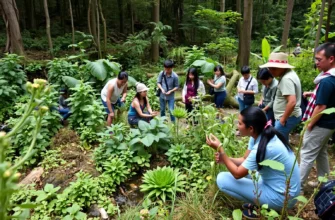
Located near the shores of Loch Ness, the Dundreggan Rewilding Centre is a flagship project by the charity Trees for Life․ It serves as a gateway for the public to experience the restoration of the Caledonian forest firsthand․ The center provides specialized rewilding courses that train volunteers and professionals in the nuances of montane scrub restoration and native seed collection․
Dundreggan is unique because it combines high-level ecological research with grassroots engagement․ Visitors can see “tree-line” species like the dwarf birch and mountain willow, which have been almost entirely lost from the Scottish landscape․ This “hands-on” approach demystifies the process, showing that rewilding is a science-based, practical endeavor that anyone can contribute to․
Essential Reading: A Rewilding Journey and Beyond
To truly understand the movement, one must look at the literature that has shaped its philosophy․ George Monbiot’s Feral was a watershed moment, challenging the “shifting baseline syndrome” that leads us to accept a degraded environment as normal․ Monbiot’s work emphasizes that rewilding is about the restoration of hope and the thrill of the wild․
For a more specific Scottish context, Scotland: A Rewilding Journey by Peter Cairns and others is the definitive guide․ This book combines stunning photography with deep reporting on the social and ecological realities of the movement․ It moves beyond the idealistic and tackles the difficult questions of land ownership and cultural identity․ Reading these works is essential for anyone looking to understand why the rewilding estate Scotland model is being watched so closely by the rest of the world․
Common Mistakes to Avoid in Landscape Restoration
Rewilding is not a “one-size-fits-all” solution, and well-intentioned projects can sometimes do more harm than good if they lack a technical understanding of the land․
Successful restoration requires a nuanced approach that respects the specific geology and hydrology of each site․ Rushing into a project without a long-term plan is a recipe for ecological failure and wasted resources․
| Common Mistake | Why It Is Harmful | The Better Approach |
|---|---|---|
| Planting trees on peatlands | Drying out peat releases massive amounts of CO2, negating the carbon benefits of the trees․ | Restore the hydrology first․ Block drainage ditches and allow the peat to remain wet․ |
| Using non-local seed sources | Trees may not be adapted to local conditions, leading to high failure rates and genetic dilution․ | Source seeds from local remnants or allow natural regeneration to take place․ |
| Ignoring “social rewilding” | Alienating local communities leads to conflict and lack of long-term project security․ | Engage stakeholders early․ Ensure the project provides local jobs and recreational access․ |
| Over-fencing | Fences can be death traps for woodland birds like capercaillie and disrupt wildlife corridors․ | Control deer numbers through stalking to a level where fences are no longer necessary․ |
In my professional experience as a consultant in landscape restoration, I have found that the biggest hurdle to rewilding isn’t the ecology—it’s the psychology․ I always advise landowners that rewilding must be a “triple bottom line” endeavor: it must be ecologically sound, socially equitable, and economically viable․
If a project doesn’t provide a way for people to live and work on the land, it will ultimately fail․ We need to stop viewing “wild nature” and “human culture” as opposites․ The most successful Highland projects I’ve seen are those where the return of the forest also means the return of young families to the glens, fueled by new opportunities in eco-tourism, carbon management, and sustainable forestry․ True rewilding is the restoration of the relationship between people and the land․
Frequently Asked Questions
The Dundreggan Rewilding Centre near Loch Ness is the best starting point for visitors․ Other notable sites include the RSPB Abernethy Forest and the various estates within the Cairngorms Connect partnership․
Are there actually wolves in Scotland now?
No, there are currently no wild wolves in Scotland․ While there is significant debate and several proposals for their reintroduction, no official government plans are currently in place to bring them back;
How does rewilding affect Scottish farmers?
Rewilding can be challenging for traditional sheep and beef farmers․ However, many are now transitioning to “nature-friendly farming,” utilizing new government grants that pay for carbon sequestration and biodiversity instead of just food production․
What is the Rewilding Nation campaign?
It is a movement led by the Scottish Rewilding Alliance calling for Scotland to commit 30% of its land and sea to nature recovery by 2030, aiming to make Scotland a global leader in ecological restoration․
Can I volunteer for rewilding projects in the Highlands?
Yes, organizations like Trees for Life, the Scottish Wildlife Trust, and the RSPB offer numerous volunteering opportunities ranging from tree planting to species monitoring and trail maintenance․
What is the best book to read about Scottish rewilding?
Scotland: A Rewilding Journey by Peter Cairns is widely considered the best visual and narrative guide to the movement’s goals, challenges, and successes․