- Can You Cold Plunge Twice a Day? Understanding the Limits of Cold Exposure
- The Science of Twice-Daily Cold Stress
- Morning vs. Night: Is It Better to Cold Plunge at Night or Morning?
- Should You Cold Plunge in the Morning or Evening?
- Transforming Your Home: Can You Use Your Bathtub for a Cold Plunge?
- How to Turn Your Bathtub into a Cold Plunge
- The Hot-Cold Cycle: Can You Use a Hot Tub as a Cold Plunge?
- Going From Cold Plunge to Hot Tub: The Right Order
- Is It Safe to Cold Plunge Every Day?
- Finding Your Personal Cold Threshold
- Practical Logistics: HSA, Gyms, and Salt Additives
- Financial and Maintenance Tips for Cold Plungers
- Frequently Asked Questions
Can You Cold Plunge Twice a Day? Understanding the Limits of Cold Exposure
Stepping into a tub of freezing water twice in a single day might seem like the ultimate test of discipline, but more is not always better when it comes to biological stressors. While elite athletes often use multiple sessions to manage extreme physical loads, the average practitioner must balance the benefits of hormesis against the risk of systemic exhaustion.
The Science of Twice-Daily Cold Stress
Cold water immersion operates on the principle of hormesis, a biological phenomenon where a low-dose stressor triggers cellular repair and resilience. When you plunge, your body releases a massive surge of norepinephrine—up to 200-300% above baseline—which sharpens focus and suppresses systemic inflammation. However, hitting the body with this “cold shock” twice in 24 hours can tax the central nervous system (CNS) more than most realize.
If you plunge a second time before your CNS has fully recovered from the first session, you risk moving from a state of healthy adaptation into a state of chronic stress. To stay safe after a cold plunge, you must monitor your heart rate variability (HRV); a significant drop in HRV usually indicates that your body is still processing the previous stressor. For those focused on how to reduce inflammation, a single, well-timed session of 3 to 5 minutes is often superior to two shorter, rushed sessions that keep the body in a perpetual state of “fight or flight.”
Managing cold stress requires understanding the “Minimum Effective Dose.” Research, particularly from the Soberg Institute, suggests that 11 total minutes of cold exposure per week is the threshold for significant metabolic and brown fat activation. Splitting this into two daily sessions might be unnecessary unless you are using the second dip specifically for acute muscle recovery after a high-intensity evening workout. Even then, the second plunge should likely be warmer or shorter to avoid spiking cortisol levels right before sleep.
Morning vs. Night: Is It Better to Cold Plunge at Night or Morning?
The timing of your immersion dictates whether you are “winding up” your biology for peak performance or potentially sabotaging your internal clock. Because cold water forces a rapid change in core temperature, it acts as a powerful lever for your circadian rhythm, influencing everything from hormone secretion to sleep architecture.
| Factor | Morning Cold Plunge | Evening Cold Plunge |
|---|---|---|
| Hormonal Impact | Spikes cortisol and dopamine for 4-6 hours of sustained focus. | May interfere with the natural evening cortisol taper. |
| Body Temperature | Triggers metabolic heating, helping you wake up faster. | Post-plunge “thermogenesis” can raise core temp, making sleep difficult. |
| Best For | Metabolic boost, mental clarity, and fat oxidation. | Acute muscle soreness after late-day training sessions. |
| Risk Level | Low; aligns with natural circadian spikes. | High; can cause late-night alertness or insomnia. |
Should You Cold Plunge in the Morning or Evening?
For the vast majority of people, the best time for cold water therapy is immediately upon waking or shortly after a morning workout. This is because cold water immersion triggers an immediate rise in core body temperature as your system fights to stay warm. Since a rising core temperature is a primary biological signal for alertness, a morning plunge works in harmony with your natural rhythm, providing a metabolic boost that can last throughout the afternoon.
Conversely, many wonder if it is bad to cold plunge at night. While it can help “reset” the nervous system after a stressful day, the subsequent metabolic heat production is counterproductive for sleep. Your body needs its core temperature to drop by about 2 to 3 degrees to enter deep sleep stages. If you choose a cold plunge in the morning or night, be aware that an evening dip might leave you wide awake at 2:00 AM as your body continues to churn out heat to recover from the “afterdrop” effect.
Individual variation plays a massive role here. Some practitioners find that a very quick, 1-minute dip at night helps “quiet” a racing mind by stimulating the vagus nerve. However, if you are sensitive to adrenaline, keep your evening sessions at least 4 hours before bed and follow them with a lukewarm shower to signal to your brain that the “thermal emergency” is over.
Transforming Your Home: Can You Use Your Bathtub for a Cold Plunge?
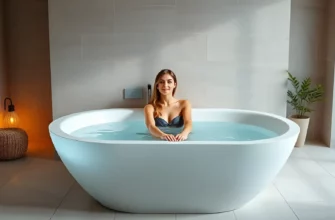
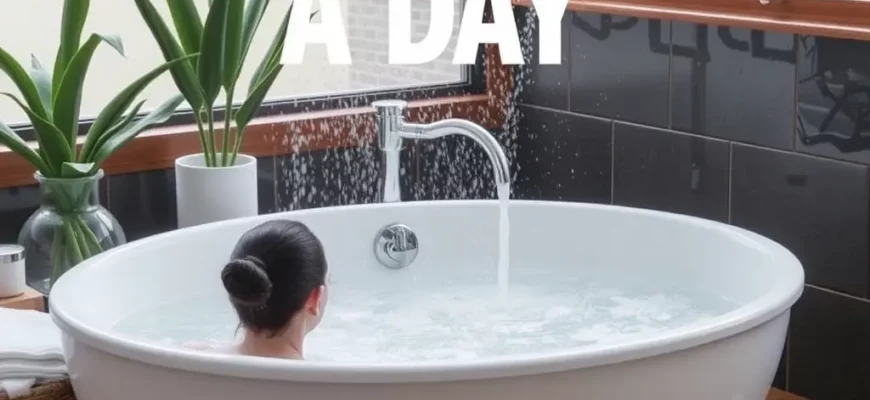
You don’t need a $5,000 dedicated chiller unit to start reaping the rewards of cold therapy. Your standard household bathtub is a functional, albeit less efficient, vessel for cold immersion if you understand the logistics of thermal mass and insulation.
- Measure Your Baseline: Run your tap water at its coldest setting and measure the temperature with a digital thermometer. Most residential taps floor out at 55-65°F (12-18°C).
- Calculate Ice Requirements: To drop a standard tub of water from 60°F to a therapeutic 45°F, you will typically need at least 20 to 40 pounds of ice.
- Pre-Cool the Vessel: Fill the tub halfway with cold water before adding ice. Let the ice sit for 10 minutes to ensure the water, not just the ice cubes, reaches the target temperature.
- Manage the Displacement: Remember that your body will displace a significant amount of water. Fill the tub only 60% full to avoid a flood when you submerge.
- Enhance the Recovery: If you want to turn your bathtub into a cold plunge for muscle recovery, add 2 cups of Epsom salt to the water; The magnesium will absorb through the skin even in cold water, aiding in muscle relaxation.
How to Turn Your Bathtub into a Cold Plunge
When asking “can I use my bathtub for cold plunge,” the answer is yes, but with caveats regarding insulation. Standard acrylic or porcelain tubs lose heat rapidly. To improve efficiency, place a foam exercise mat on the floor of the tub and use a cover (even a heavy blanket) while the water is cooling to prevent the “thermal bridge” effect from the surrounding air.
Safety is the most critical factor when plunging at home. Because bathtubs are often in cramped spaces, never lock the bathroom door and ensure someone else is in the house during your first few sessions. The “gasp reflex” is real, and while rare, fainting can occur. Additionally, avoid using electronics like space heaters near the tub while you are wet, as the risk of electrocution is significantly higher in DIY setups.
If you find that the ice cost is becoming prohibitive, consider freezing large 1-gallon plastic water jugs instead of buying bags of loose ice. These “giant ice cubes” can be reused indefinitely and are much easier to clean up. Just be sure to rinse the outside of the jugs before dropping them in to keep your bathwater clean.
The Hot-Cold Cycle: Can You Use a Hot Tub as a Cold Plunge?
The practice of moving between extreme heat and extreme cold, known as contrast therapy, is one of the most effective ways to flush the lymphatic system. This “vascular shunting” acts like a pump, forcing blood into the core during the cold phase and out to the extremities during the hot phase.
Going From Cold Plunge to Hot Tub: The Right Order
One of the most debated topics is whether you can hot tub after cold plunge or if the order should be reversed. To maximize the metabolic benefits, you should follow the Soberg Principle: always end on cold. By ending with the cold plunge, you force your body to perform “active reheating,” which burns calories and keeps the brown adipose tissue (BAT) active for hours afterward.
If your goal is purely relaxation or social, going from a cold plunge straight into a hot tub is safe for most healthy adults. However, it blunts the metabolic “afterburn” because the hot water does the reheating work for you. If you are training for endurance, be cautious: some evidence suggests that immediate heat after cold exposure might slightly reduce the muscle hypertrophy signals triggered by your workout.
Is it ok to take hot shower after cold plunge? Technically, yes, but waiting 10 to 15 minutes before showering allows your body to stabilize its own temperature. If you jump into a steaming shower immediately, you might experience “vasovagal syncope” (fainting) because your blood vessels dilate too quickly, causing a sudden drop in blood pressure. Always enter the heat gradually to allow your vascular system to adapt.
Is It Safe to Cold Plunge Every Day?
Consistency is the bedrock of any health protocol, but daily cold plunging requires a nuanced approach. While many high-performers dip every morning, there is a point of diminishing returns where your body becomes so “cold-adapted” that the hormetic stress response begins to fade.
- Monitor for Adaptation: If you no longer shiver or feel a “bite” at 45°F, your body has likely adapted. Lower the temperature or reduce frequency to regain the benefits.
- Watch for “Cold Burnout”: Signs include persistent fatigue, a constant feeling of being chilled, and a drop in workout performance.
- Manage the Afterdrop: Always dry off and dress in layers immediately. The “afterdrop” occurs when cold blood from your limbs returns to your core, potentially dropping your internal temperature further after you’ve exited the water.
- Prioritize the “Shiver”: For metabolic health, do not dry off immediately. Let the air hit your skin and allow the natural shiver response to take place, as this is where succinate is released to fuel brown fat thermogenesis.
Finding Your Personal Cold Threshold
When deciding “should I cold plunge everyday,” listen to your resting heart rate. If your morning heart rate is 5-10 beats higher than usual, it’s a sign your body is overtaxed. It is perfectly okay to cold plunge daily if the sessions are short (2 minutes), but longer sessions of 5-10 minutes should probably be capped at 3 or 4 times per week to allow for full systemic recovery.
The goal is to remain “cold-hardened” without becoming chronically inflamed. If you find yourself needing more and more coffee to warm up after a session, you are likely pushing too hard. Remember, the cold is a tool, not a destination. Use it to enhance your life, not to add another layer of exhaustion to an already busy schedule.
Practical Logistics: HSA, Gyms, and Salt Additives
As cold therapy moves from niche biohacking into the mainstream, the logistics of maintaining a practice have become more accessible. From financial hacks to water chemistry, the “business” of staying cold requires some basic knowledge to avoid wasting money.
Financial and Maintenance Tips for Cold Plungers
Many people are surprised to learn that you can use HSA or FSA funds for a cold plunge tub in certain circumstances. To do this, you typically need a “Letter of Medical Necessity” (LMN) from a licensed physician. If you suffer from a condition like rheumatoid arthritis, chronic systemic inflammation, or clinical depression, your doctor may prescribe cold therapy as a treatment, allowing you to use pre-tax dollars for the equipment.
If a home setup isn’t feasible, many modern gyms now have cold plunges. Look for CrossFit boxes, high-end wellness clubs (like Equinox or Lifetime), and recovery-specific studios. When using public plunges, always shower before entering to keep the filtration system from clogging with body oils and sweat.
For those with home units, maintenance is key. Adding Epsom salt in cold water is a great way to improve the “feel” of the water and aid recovery, but be careful. If you have a dedicated chiller with a pump, excessive salt can corrode the internal components over time. Always check your manufacturer’s warranty. A better alternative for filtered units is often a non-chlorine oxidizer or a specialized UV-C light filter to keep the water sterile without damaging the machinery.
In my professional experience, I have seen more people stall their progress by over-plunging than by under-plunging. While the “twice-a-day” trend looks great on social media, I always advise my clients to focus on the Minimum Effective Dose. If you are constantly shivering and your baseline cortisol is elevated, you aren’t building resilience—you’re digging a hole. I’ve found that three 4-minute sessions per week at a temperature that makes you want to get out immediately is the “sweet spot” for 90% of practitioners. Save the twice-daily sessions for 48-hour windows of extreme athletic competition or acute injury management.
Frequently Asked Questions
Yes, you can use a standard bathtub by filling it with the coldest tap water available and adding 20-40 lbs of ice. It is a cost-effective way to start, though it lacks the insulation of dedicated units.
Is it better to cold plunge in the morning or at night?
Morning is generally superior because it aligns with the body’s natural cortisol spike and provides a metabolic boost. Night plunges can disrupt sleep due to the body’s natural reheating process.
Should I do a cold plunge before or after a shower?
It is best to cold plunge first and then wait 10-15 minutes before taking a lukewarm shower. This allows your body to reheat naturally, maximizing the metabolic and brown fat benefits.
Can you use HSA funds for a cold plunge tub?
Yes, but you usually require a Letter of Medical Necessity (LMN) from a doctor stating the equipment is needed to treat a specific medical condition like chronic inflammation or fibromyalgia.
Can I put Epsom salt in my cold plunge?
You can add Epsom salt to a manual tub (like a bathtub) without issue. However, if you have a mechanical chiller and pump, check the manufacturer’s guidelines first to prevent pump corrosion.
Is it okay to go from a cold plunge straight into a hot tub?
This is safe for most people and is known as contrast therapy. However, to maximize metabolic benefits and fat burning, the “Soberg Principle” suggests you should always end on cold.