- Finding a Weighted Blanket Alternative That Actually Works
- Why a Standard Weighted Blanket Isnt for Everyone
- Quick Weighted Blanket Substitute Ideas You Can Use Tonight
- Using Household Items as Sensory Suggestions
- Tailoring Sensory Solutions for Cerebral Palsy and Chronic Fatigue Syndrome
- Gentle Pressure for Chronic Fatigue Syndrome
- Adaptive Support for Cerebral Palsy
- How to Calm Your Central Nervous System Without Heavy Bedding
- The Role of Compression in Nervous System Regulation
- Top-Rated Alternatives: From Compression Sheets to Body Pillows
- Sensory Bed Swings and Lycra Tunnels
- Safe Usage: Dos and Don’ts for Sensory Substitutes
- Frequently Asked Questions
Finding a Weighted Blanket Alternative That Actually Works
Deep Pressure Stimulation (DPS) has moved from a niche occupational therapy tool to a mainstream wellness staple. While the weighted blanket is the most recognizable delivery system for this therapy, it is far from the only option available for those seeking sensory regulation. Many individuals find that the traditional 15-to-25-pound blanket presents more hurdles than helps, ranging from physical exhaustion to sensory overstimulation from heat.
Finding an alternative isn’t just about replacing “heavy” with “light”; it is about replicating the proprioceptive input that signals the brain to lower cortisol levels and increase serotonin. Whether you are managing sensory processing differences or simply looking for a more portable way to ground your nervous system, understanding the mechanics of pressure is the first step toward better sleep and reduced anxiety.
Why a Standard Weighted Blanket Isnt for Everyone
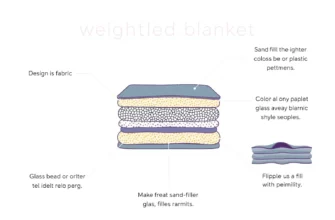
The most common complaint regarding weighted blankets is thermal regulation. Most weighted options utilize glass or plastic beads sandwiched between layers of polyester batting, which acts as a powerful insulator. For “hot sleepers,” this leads to night sweats that interrupt the REM cycle, effectively neutralizing the calming benefits of the weight itself. If your body is fighting to cool down, your sympathetic nervous system remains engaged, preventing the deep rest you are chasing.
Physical limitations also play a significant role in why someone might seek a substitute; For individuals with low muscle tone or certain physical disabilities, a heavy blanket can be restrictive or even dangerous. If a user cannot easily remove the blanket without assistance, it transitions from a comfort tool to a safety hazard. Furthermore, the sheer bulk of these items makes them nearly impossible to use during travel, leaving many without their primary coping mechanism when they are in high-stress, unfamiliar environments.
Finally, there is the issue of “tactile defensiveness;” Some people find the specific texture of shifting beads or the uneven distribution of weight to be distracting rather than soothing. In these cases, consistent, circumferential pressure—like that found in compression garments or specialized sheets—provides a much cleaner sensory signal to the brain than the shifting mass of a traditional weighted duvet.
Quick Weighted Blanket Substitute Ideas You Can Use Tonight
You do not always need to purchase a high-end medical device to achieve the benefits of deep pressure. Many common household items can be repurposed to provide the tactile feedback required to soothe a restless mind. The goal is to find items that provide a “hugging” sensation without creating a restrictive or suffocating environment.
| Substitute Method | Effectiveness | Estimated Cost | Heat Retention |
|---|---|---|---|
| Layered Knit Blankets | Moderate | $0 (Existing) | High |
| The Sleeping Bag “Burrito” | High | $0 ౼ $40 | Very High |
| Compression Sports Gear | High | $20 ‒ $50 | Low |
| Quilted Winter Coats | Moderate | $0 (Existing) | Moderate |
Using Household Items as Sensory Suggestions
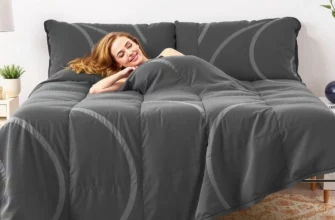
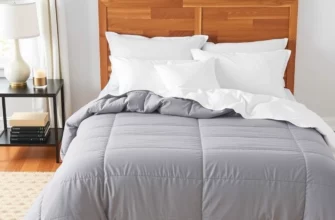
One of the easiest ways to DIY a sensory experience is through the strategic layering of standard blankets. Rather than one heavy mass, layering three or four medium-weight cotton or wool blankets creates a distributed pressure that feels more “enveloping” than a single weighted item. The natural fibers in wool or cotton also allow for better airflow than the synthetic shells often found on weighted blankets, making this a superior choice for those prone to overheating.
For those who need an enclosed, secure feeling, a standard sleeping bag can be a game-changer. By zipping yourself into a sleeping bag, you receive 360-degree pressure that mimics the feeling of being swaddled. To avoid overheating, look for a “summer weight” sleeping bag or one with a flannel lining, which provides texture and weight without the extreme insulation of a sub-zero technical bag.
If you need localized pressure during the day—perhaps while working at a desk or sitting on the couch—a heavy winter parka can serve as an excellent lap pad or shoulder wrap. The weight of the down or synthetic fill, combined with the structured fabric of the coat, provides grounding tactile feedback to the thighs or shoulders, which are primary areas for sensory processing. This is a highly portable way to manage “sensory dumps” throughout the day without needing specialized equipment.
Tailoring Sensory Solutions for Cerebral Palsy and Chronic Fatigue Syndrome
When dealing with specific medical conditions like Chronic Fatigue Syndrome (CFS) or Cerebral Palsy (CP), the “one size fits all” approach to weighted products can be counterproductive. In these instances, the priority shifts from sheer mass to targeted, manageable input that respects the user’s energy envelope and physical safety.
Gentle Pressure for Chronic Fatigue Syndrome
For those living with Myalgic Encephalomyelitis/Chronic Fatigue Syndrome (ME/CFS), energy conservation is the primary goal. A 20-pound blanket requires significant physical exertion to adjust, pull up, or move off the body. This seemingly minor effort can trigger post-exertional malaise (PEM), leading to a “crash” where the patient experiences a massive spike in fatigue and flu-like symptoms. In this context, the weighted blanket becomes a source of physical stress rather than relief.
Instead of heavy mass, individuals with CFS often respond better to light compression or soft, high-pile textures. A Lycra “sensory sock” or a lightweight compression sheet provides the feeling of being held without the heavy physical load. These materials offer resistance, allowing the user to push against the fabric to get proprioceptive feedback without having to lift a heavy weight. Reducing sensory overload by focusing on ultra-soft bamboo or silk textures can also help calm a hyper-sensitized nervous system without adding physical weight.
Adaptive Support for Cerebral Palsy
In the case of Cerebral Palsy, safety and motor function are the most critical considerations. Many individuals with CP deal with varying muscle tone (hypertonia or hypotonia), which can make moving under a heavy blanket difficult or impossible. Always ensure the user has the motor skills to independently remove any sensory tool to prevent the risk of entrapment or restricted breathing. If full-body weight is too risky, targeted tools are a much safer alternative.
Weighted lap pads or shoulder wraps are often preferred by Occupational Therapists for CP patients. These tools provide localized deep pressure to the large muscle groups without covering the chest or restricting the limbs. A weighted vest can also be used during seated activities to improve core stability and provide grounding. Consulting with an Occupational Therapist is essential here to determine the exact weight-to-body-ratio needed, as the standard “10% of body weight” rule may not apply to those with specific orthopedic or neurological needs.
How to Calm Your Central Nervous System Without Heavy Bedding
The science behind sensory relief isn’t actually about the weight itself; it is about how our mechanoreceptors interpret that weight. When we apply pressure to the skin, we activate the parasympathetic nervous system (PSNS). This is the “rest and digest” mode that counteracts the “fight or flight” response. You can trigger this biological shift using tension and resistance rather than just gravity-based weight.
Key Takeaway: The brain often prioritizes “snugness” and “resistance” over sheer mass. This is why a tight hug or a compression garment can be more effective for nervous system regulation than a heavy, loose-fitting blanket.
The Role of Compression in Nervous System Regulation
Compression sheets, sometimes called sensory bed sheets, are essentially large elastic bands that wrap around the mattress. When you slide under the sheet, the tensile strength of the fabric provides 360-degree pressure. Unlike a weighted blanket, which pushes down on you, a compression sheet pulls in toward you. This provides a more consistent “swaddle” effect that many find more effective for calming the Vagus nerve—the main component of the parasympathetic nervous system.
This type of input is known as proprioceptive feedback. It tells your brain exactly where your body is in space, which is incredibly grounding for those with Sensory Processing Disorder (SPD) or ADHD. By using Lycra or spandex blends, you can achieve this effect with almost zero heat retention. This makes compression sheets a superior choice for anyone who finds that “heavy” bedding leads to a claustrophobic or overheated sensation. The increase in dopamine and serotonin triggered by this snugness helps stabilize your mood and prepares the brain for the transition into sleep.
Top-Rated Alternatives: From Compression Sheets to Body Pillows
If DIY methods aren’t providing enough relief, there are several engineered products designed specifically to provide deep pressure without the drawbacks of a traditional weighted blanket. Each category serves a different sensory profile, from those who need “cocooning” to those who need localized grounding.
| Product Type | Pros | Cons |
|---|---|---|
| Compression Bed Sheets | Breathable, provides 360-degree pressure, budget-friendly. | Can feel restrictive for those who move a lot in sleep. |
| U-Shaped Body Pillows | Provides “nesting” sensation, supports joints, highly versatile. | Takes up significant space in the bed; can be bulky. |
| Weighted Vests/Capes | Portable, allows for movement, great for daytime focus. | Weight is concentrated on the spine/shoulders; not for sleep. |
| Sensory Lycra Tunnels | High resistance, excellent for kids, very durable. | Difficult for adults to use; strictly for active sensory play. |
Sensory Bed Swings and Lycra Tunnels
For children—and some adventurous adults—sensory bed swings and Lycra tunnels offer a more dynamic form of deep pressure. These tools utilize gravity and the user’s own body weight to create resistance. In a Lycra tunnel, every movement the user makes is met with an equal and opposite force from the fabric. This provides intense proprioceptive input that is far more “active” than lying under a blanket.
These alternatives are particularly effective for individuals who are “sensory seekers.” If you find that a weighted blanket doesn’t feel heavy enough, it may be because your brain is looking for resistance rather than just static weight. A sensory swing allows for vestibular input (movement) combined with deep pressure, which is a powerful combination for resetting the central nervous system after a long day of school or work. Look for “heavy-duty Lycra” with a high GSM (grams per square meter) to ensure the fabric provides enough tension to be effective.
Safe Usage: Dos and Don’ts for Sensory Substitutes
Safety is the most important factor when experimenting with sensory tools. What works for a neurotypical adult could be dangerous for a small child or someone with limited mobility. Always prioritize respiratory freedom and the ability to exit the equipment over the desire for more pressure.
- Do: Ensure that any DIY weight is distributed evenly. Avoid using loose items like stones or heavy metal pieces that could shift and cause bruising.
- Do: Monitor children at all times when using compression sheets or sensory tunnels to ensure they do not pull the fabric over their face.
- Don’t: Use any weighted or compression item that exceeds 10% of the user’s body weight unless specifically directed by a medical professional.
- Don’t: Apply deep pressure to anyone who is currently in a state of high respiratory distress or has a history of asthma, as chest compression can exacerbate breathing difficulties.
- Do: Test a new substitute for 10-15 minutes during the day before attempting to sleep under it for a full night.
In my professional experience as an Occupational Therapist, I have found that the “more is better” approach to weight is one of the most common misconceptions in sensory integration. The central nervous system does not always require heavy, crushing mass to reach a state of equilibrium; often, it simply needs consistent and meaningful tactile feedback. I frequently recommend compression sheets or even “weightless” techniques like wall pushes and self-hugging. These methods provide the same proprioceptive “check-in” for the brain without the risk of overheating or physical fatigue. I always advise my clients to focus on graded input—starting with the lightest possible intervention that yields a calming effect—rather than jumping straight to the heaviest blanket they can find.
Frequently Asked Questions
Yes, layering several heavy comforters can mimic the feel of a weighted blanket. This is an excellent way to “test run” the sensation before buying a specialized product, though be mindful that multiple layers will trap significant body heat.
Why are weighted blankets sometimes avoided for Chronic Fatigue Syndrome?
For many CFS patients, the physical effort required to reposition a heavy blanket can trigger post-exertional malaise (PEM). Lighter compression alternatives provide the same neurological benefits without the energy-draining physical load.
Are compression sheets better than weighted blankets for the central nervous system?
It is subjective, but many prefer compression sheets because they provide 360-degree resistance and a “snug” feeling without the bulk. They are often more effective for those who need a consistent sensory “hug” rather than downward pressure.
What is a safe weighted blanket alternative for someone with Cerebral Palsy?
Targeted items like weighted lap pads, vests, or shoulder wraps are generally safer. These provide calming input to specific muscle groups without the risk of the user becoming trapped or having their breathing restricted by a full-body blanket.
How can I get proprioceptive input without any equipment?
You can stimulate your proprioceptive system through “heavy work” like wall pushes, deep self-hugs, or slow, controlled breathing exercises. These actions send the same “grounding” signals to the brain as a weighted tool.
Is it possible to DIY a weighted blanket substitute safely?
Yes, you can use a sleeping bag for compression or securely sew bean bags into a duvet cover. However, ensure the weight is evenly distributed and never exceeds 10% of the user’s total body weight for safety.