- Why a Commercial Cold Plunge is the Anchor of Modern Wellness Facilities
- The Shift from Recovery Trend to Revenue Driver
- Choosing Between Fixed Industrial Cold Plunges and Flexible Business Models
- What Defines an Industrial Grade System?
- Launching a Mobile Cold Plunge Service: Logistics and Opportunities
- Equipment Mobility and Rapid Setup
- Designing the Ultimate Commercial Cold Plunge Pool Environment
- Sanitation Standards for High-Traffic Use
- Critical Mistakes to Avoid When Buying a Commercial Cold Plunge in Canada
- Weather-Proofing and Energy Efficiency
- Expert Perspective: The ROI of Industrial Durability
- Frequently Asked Questions
Why a Commercial Cold Plunge is the Anchor of Modern Wellness Facilities
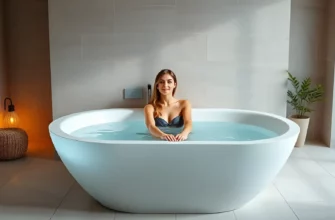
The wellness industry is witnessing a massive pivot from simple recovery trends to integrated, high-performance biological optimization. While residential units are perfect for occasional use, professional environments require equipment that can withstand the rigors of back-to-back sessions without compromising water quality or temperature stability.
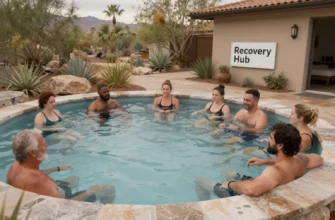
Integrating a professional-grade cold therapy system transforms a standard gym or spa into a high-performance recovery hub. This shift is driven by a consumer base that is increasingly educated on the physiological benefits of deliberate cold exposure, ranging from inflammation reduction to dopamine regulation.
The Shift from Recovery Trend to Revenue Driver
Facility owners are finding that cold therapy is no longer just a “perk” but a primary reason for membership sign-ups. By offering structured contrast therapy—alternating between a sauna and a cold plunge—businesses can significantly increase member retention by creating a high-value habit loop that members cannot easily replicate at home.
Attracting high-performance athletes and the growing demographic of “biohackers” requires more than just a tub of ice. These users look for precise thermal regulation and medical-grade sanitation, viewing professional recovery tools as a non-negotiable part of their training regimen. Providing this level of service allows facilities to command premium membership rates or offer lucrative per-session “recovery passes.”
Choosing Between Fixed Industrial Cold Plunges and Flexible Business Models
Deciding between a permanent installation and a mobile setup depends entirely on your primary revenue goals and the physical constraints of your space. Fixed industrial units are the workhorses of the industry, designed for 24/7 operation in high-traffic health clubs.
Mobile business models are exploding in popularity, allowing entrepreneurs to bring recovery services to CrossFit competitions, corporate retreats, and private luxury events. The hardware requirements differ vastly; a mobile unit needs to be lightweight yet structurally reinforced to handle the vibrations of road travel, whereas a fixed unit prioritizes absolute thermal mass and aesthetic integration.
| Feature | Industrial Fixed Unit | Mobile Business Unit |
|---|---|---|
| Chiller Power | 1.5 HP to 2.0 HP for rapid cooling | 0.5 HP to 1.0 HP for energy efficiency |
| Shell Material | 316 Stainless Steel or Reinforced Stone | High-impact Acrylic or Insulated Drop-stitch |
| Filtration | High-flow 24/7 Ozone & UV-C | Rapid-cycle cartridge filters |
| Plumbing | Hard-piped with floor drainage | Quick-connect flexible hoses |
| Weight | 800+ lbs (empty) | 150 ⏤ 300 lbs (empty) |
What Defines an Industrial Grade System?
A true industrial system is defined by its ability to maintain a consistent 39°F (4°C) even when thirty different people use it in a single afternoon. This requires heavy-duty cooling units with titanium heat exchangers that resist corrosion from salt or chlorine.
Durability extends to the exterior as well; industrial-grade stainless steel is the gold standard because it does not porous or harbor bacteria like some cheaper plastics. These systems are built to last for a decade of constant use, featuring redundant pumps and commercial-grade gaskets that prevent the catastrophic leaks often seen in converted chest freezers or low-end residential tubs.
Launching a Mobile Cold Plunge Service: Logistics and Opportunities
The mobile cold plunge business is one of the fastest-growing niches in the wellness sector. It bypasses the high overhead of a brick-and-mortar lease while meeting customers exactly where they are—whether that is a marathon finish line or a luxury backyard party.
Successfully launching this service requires more than just a truck and a tub. You must consider the logistics of water sourcing, rapid temperature pull-down, and the legalities of public water disposal.
- Custom Trailer Selection: Ensure the trailer is rated for the “wet weight” of the plunge, which can easily exceed 2,000 lbs when full.
- Power Management: Invest in a quiet, high-output inverter generator if you plan to operate in remote locations without 110v/220v access.
- Sanitation Kits: Carry a mobile testing lab to verify water safety every two hours during high-traffic events.
- Water Disposal Plan: Always have 50+ feet of drainage hose and a submersible pump to empty the unit safely into approved gray-water drains.
- Liability Insurance: Secure a policy that specifically covers “mobile hydrotherapy” to protect your business from accidental slips or health-related claims.
Equipment Mobility and Rapid Setup
When operating a mobile service, every minute spent setting up is a minute of lost revenue. Portable cold therapy units must feature quick-connect plumbing that allows you to fill and chill the water in under two hours.
Weight is your biggest enemy in the mobile space. Choosing a unit with high-density foam insulation rather than heavy stone cladding allows for easier transport and lower fuel costs. Marketing your service effectively involves partnering with local event organizers and offering “VIP Recovery Zones” where athletes can pay a premium for a 5-minute plunge and a dry towel, creating a high-volume, high-margin revenue stream.
Designing the Ultimate Commercial Cold Plunge Pool Environment
The environment surrounding the plunge is just as important as the water temperature. If the area is cramped, slippery, or poorly ventilated, users will find the experience stressful rather than therapeutic.
For a commercial cold plunge pool, you must consider the “user flow.” This includes where they leave their towels, how they enter the water safely, and where they stand to warm up afterward. Proper non-slip flooring with a high Coefficient of Friction (COF) is mandatory to prevent injuries in the splash zone.
Sanitation Standards for High-Traffic Use
In a public setting, water quality is the most significant liability. Standard residential filters are insufficient for a facility seeing 50 users a day; You must implement a multi-stage approach including Ozone disinfection and UV-C light sterilization to neutralize pathogens that chlorine alone might miss.
Warning: Never rely on manual chemical dosing alone. For commercial compliance, install an automated chemical controller that monitors pH and ORP levels in real-time, adjusting the water chemistry every few minutes to ensure public pool safety standards are strictly met.
Daily maintenance routines should be documented in a logbook. This includes scrubbing the waterline daily to prevent biofilm buildup and backwashing the sand or pleated filters to maintain high flow rates. Clean water is the foundation of your brand’s reputation; a single “cloudy water” review can take months to recover from.
Critical Mistakes to Avoid When Buying a Commercial Cold Plunge in Canada
The Canadian market presents unique challenges, particularly regarding climate and regulatory compliance. Many entrepreneurs make the mistake of importing units that are not rated for the local electrical grid or cannot handle the extreme temperature swings of the Canadian seasons.
Safety is paramount, and all commercial electrical equipment must carry CSA or ULc certification. Without these, you may find it impossible to secure commercial insurance, and a local building inspector could shut down your operation during a routine check.
- Ignoring Insulation R-Values: In Canada, an uninsulated tub will bleed energy, leading to exorbitant monthly electricity bills.
- Overlooking Shipping and Duties: Importing from overseas often involves hidden brokerage fees and massive freight costs that can add 30% to the sticker price.
- Buying Proprietary Parts: Ensure your unit uses standard plumbing and electrical components that a local Canadian technician can fix without waiting weeks for an international shipment.
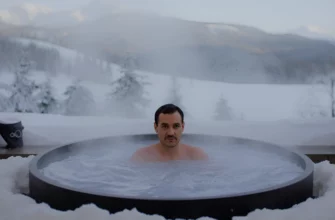
- Neglecting Winterization: If the unit is outdoors or in an unheated garage, it must have an “auto-defrost” or “freeze protection” mode to prevent the heat exchanger from cracking in sub-zero temperatures.
Weather-Proofing and Energy Efficiency
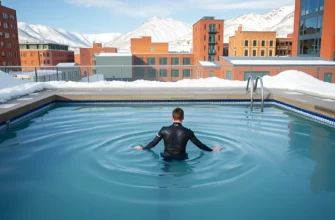
Operating a cold plunge in a climate like Toronto or Calgary requires energy-efficient cooling systems with 4-season capability. Look for units that feature marine-grade insulated covers with locking straps; this not only keeps the cold in but also acts as a safety barrier.
Finding local Canadian service technicians who understand high-output chillers is vital for minimizing downtime. Investing in a locally manufactured unit often pays for itself through reduced shipping costs and the peace of mind that comes with a domestic warranty. Proper weather-proofing ensures your ROI remains positive even when the outside temperature drops below freezing.
Expert Perspective: The ROI of Industrial Durability
In my professional experience managing high-traffic wellness centers, the single most expensive mistake a business owner can make is trying to “save” $3,000 by purchasing a high-end residential unit for a commercial floor. I have seen residential pumps fail within the first 60 days because they weren’t designed for 18 hours of continuous filtration. Furthermore, most manufacturers will immediately void your warranty the moment they see a commercial address on the shipping label. By investing in industrial specs from day one, you avoid the “double cost” of replacing a cheap unit and the reputational damage of having an “Out of Order” sign on your most popular amenity. True ROI is found in uptime, not the initial purchase price.
Frequently Asked Questions
Industrial units equipped with 1.5 HP+ chillers and high-flow filtration can easily accommodate 20 to 50+ users per day while maintaining a steady target temperature and crystal-clear water.
What are the legal requirements for a mobile cold plunge business?
You typically need a general business license, specialized liability insurance, and a permit from your local health department. You must also follow strict regulations regarding the disposal of treated water into municipal systems.
Is it cheaper to build a custom commercial cold plunge pool or buy a pre-made unit?
While custom masonry might look high-end, the engineering required for proper waterproofing, filtration, and cooling often makes it 40% more expensive than buying a pre-made, plug-and-play industrial unit.
Do commercial units in Canada require specific electrical certifications?
Yes, any unit used in a business setting must have CSA or ULc certification. This is mandatory for passing electrical inspections and is a prerequisite for most commercial insurance policies in Canada.
How often does the water need to be changed in a high-traffic industrial plunge?
With advanced UV-C, Ozone, and micron-level filtration, water can remain safe and clear for 2 to 4 months. However, the total dissolved solids (TDS) should be monitored, and a partial water change may be needed sooner if usage is exceptionally high.
What is the average ROI for adding a cold plunge to a gym?
Most facilities see a full return on investment within 6 to 12 months. This is achieved through a combination of increased membership retention rates and charging $25-$45 for standalone 15-minute recovery sessions.