- Weighted Blanket Washing Instructions: Why One Size Doesnt Fit All
- The Golden Rule: Check Your Machines Weight Limit
- Step-by-Step Cleaning Directions for Most Weighted Blankets
- Preparation and Cycle Selection
- Brand-Specific Care: From LAgraty to Serta
- Popular Brands and Their Specific Quirks
- Niche Manufacturers: Magic, Mahli, and Montauk
- Weighted Blanket Drying Instructions: Heat Is the Enemy
- Tumble Dry Low vs. Air Drying
- Understanding Fiber Content and Filler Type
- Glass Beads vs. Plastic Poly-Pellets
- Common Mistakes: How to Avoid Ruining Your Investment
- The Problem with Fabric Softeners
- Frequently Asked Questions
Weighted Blanket Washing Instructions: Why One Size Doesnt Fit All
Cleaning a weighted blanket is not as simple as tossing your standard bedsheets into the laundry. These items are precision-engineered sleep tools that rely on a delicate balance of heavy filler materials and specialized fabric pockets to provide deep pressure stimulation. Because of their unique construction, a “one-size-fits-all” approach to maintenance often leads to catastrophic results, such as ruined internal baffles or a broken washing machine motor.
The primary factor that dictates your cleaning strategy is the combination of the outer textile and the internal weighted medium. Whether your blanket utilizes micro-glass beads or plastic poly-pellets, the way it interacts with water and centrifugal force varies significantly. Before you begin, always locate and read the manufacturer’s care tag, as many high-end brands use proprietary construction methods that require specific temperature settings to maintain their structural integrity.
The Golden Rule: Check Your Machines Weight Limit
Most standard residential washing machines are designed to handle loads between 12 and 18 pounds. While a 20-pound blanket might fit inside the drum while dry, its weight increases exponentially once it absorbs water, placing immense stress on the appliance’s suspension system. If you attempt to wash a heavy blanket in a machine with a low capacity, you risk snapping the drive belt or damaging the drum bearings during the high-speed spin cycle.
If your blanket weighs more than 15 pounds, or if your home machine is a compact model, the safest course of action is to visit a commercial laundromat. Commercial front-load washers are built to handle massive, unbalanced loads and provide a much more stable environment for heavy items. Furthermore, avoid top-loading machines with a central agitator when cleaning weighted items, as the mechanical arm can catch on the fabric and cause the internal beads to leak out through torn seams.
Step-by-Step Cleaning Directions for Most Weighted Blankets
Achieving a deep clean without compromising the longevity of your blanket requires a methodical process. This universal workflow is designed to protect the internal stitching while ensuring that sweat, oils, and allergens are effectively removed from the deepest fibers of the material.
- Inspect the Seams: Before the blanket touches water, check every inch of the perimeter and the internal grid stitching. If you find even a tiny hole, sew it shut immediately to prevent thousands of micro-beads from escaping and destroying your plumbing.
- Pre-Treat Surface Stains: Use a mixture of lukewarm water and a drop of clear dish soap to spot-clean any visible spills. Gently rub the area with a soft-bristled toothbrush to lift the stain without pilling the fabric.
- Balance the Load: When placing the blanket in a front-load washer, try to spread it out evenly around the drum. Do not add other heavy items like towels, as this can create an uneven distribution of weight that causes the machine to “walk” across the floor.
- Select the Correct Cycle: Set your machine to the “Gentle” or “Delicate” cycle. This ensures the agitation is minimal, which prevents the filler material from shifting too aggressively and straining the internal pockets.
- Temperature Control: Use cold or lukewarm water (no higher than 30°C or 86°F). High temperatures can break down the adhesive bonds in some fabrics and cause synthetic fillers to clump together.
- Rinse and Spin: Opt for an extra rinse cycle to ensure all detergent is removed. Set the spin speed to “Medium” or “Low” to extract water without putting excessive G-force pressure on the blanket’s seams.
Preparation and Cycle Selection
Choosing the right detergent is just as critical as the machine settings. You should always reach for a mild, liquid detergent that is free of bleach, dyes, and fragrances. Powder detergents are generally discouraged because they may not dissolve completely in the cool water temperatures required for weighted blankets, potentially leaving a gritty residue inside the fabric weave.
For high-quality multi-layer systems, such as Degrees of Comfort weighted blankets, the washing process is often simplified by the inclusion of a removable duvet cover. In these cases, you should wash the outer cover weekly while only cleaning the weighted inner core once or twice a year. This strategy significantly extends the life of the product by reducing the mechanical wear and tear on the heavy internal components.
Brand-Specific Care: From LAgraty to Serta
Not all weighted blankets are created equal, and many popular brands utilize specialized materials that require a tailored approach. Understanding the nuances of your specific brand’s construction will prevent common mistakes like “melting” a plush cover or shrinking a cotton shell.
Popular Brands and Their Specific Quirks
Brands like LAgraty and Amy Garden are well-regarded for their durable cotton construction and reinforced stitching. When handling these, the primary concern is the shrinkage of the cotton shell. To prevent your blanket from becoming misshapen, never use hot water and always ensure the blanket is reshaped while damp. These brands often use high-density glass beads which are very stable but can become extremely heavy, so ensure your machine can handle the specific poundage of these models.
When dealing with “comfort-first” brands like Ugg and Oodie, the challenge lies in the faux-fur, fleece, or “minky” fabrics. These synthetic materials are prone to “fabric burn” if they get too hot. To keep an Ugg weighted blanket soft, you must avoid all fabric softeners, which coat the fibers and cause them to mat together. Instead, use a tiny amount of vinegar in the rinse cycle to maintain the fluffiness of the plush pile.
Specialized cooling blankets, such as those from Layla or Chilla, often incorporate copper infusions or phase-change materials (PCM) within the fabric. These high-tech textiles are sensitive to harsh chemicals. To preserve the cooling properties, avoid oxygen-based bleaches and stick to pH-neutral detergents that won’t degrade the specialized finish of the fibers.
Niche Manufacturers: Magic, Mahli, and Montauk
The Magic Weighted Blanket is unique because it often features a one-piece design where the cover is not removable. Because the entire unit must be washed together, the drying time is significantly longer. For Yescool and Ella Jayne blankets, which frequently use polyester fiberfill alongside the beads for extra loft, you must be careful not to over-agitate the blanket, as the fiberfill can “bunch” in the corners of the pockets, leading to an uneven feel.
For owners of Pine and River blankets, the focus should be on their specific weight distribution. These blankets are designed for maximum breathability, meaning the fabric weave is often looser. This makes them more susceptible to snagging, so washing them inside a large mesh laundry bag is a highly recommended pro-tip to protect the delicate outer surface from the metal drum of the washer.
Weighted Blanket Drying Instructions: Heat Is the Enemy
The drying phase is where most weighted blankets are accidentally destroyed. Whether you are using a machine or air-drying, the goal is to remove moisture without exposing the internal filler to temperatures that could cause permanent deformation.
- Do: Use the “Low Heat” or “Air Fluff” setting on your dryer. This uses room-temperature air to gently whisk away moisture.
- Do: Add two or three clean tennis balls or wool dryer balls. These will beat the blanket during the cycle, preventing the filler from clumping and helping the fabric stay lofted.
- Don’t: Use high heat settings. If your blanket contains plastic poly-pellets, high heat can melt the filler into a solid, uncomfortable mass.
- Don’t: Hang a wet weighted blanket over a traditional clothesline. The concentrated weight of the water will pull on the fabric, causing it to stretch and potentially snapping the internal threads that keep the weights in place.
- Do: If air-drying, lay the blanket flat on a clean, dry surface (like a large rack or a series of towels) and flip it every few hours to ensure even drying.
Tumble Dry Low vs. Air Drying
While tumble drying on low is faster, air drying is the gold standard for preserving the life of the blanket. If you choose to air dry, ensure the area has excellent ventilation. A weighted blanket can hold a surprising amount of moisture in its center, and if it stays damp for more than 24 hours, you run the risk of mold or mildew developing inside the bead pockets. Always check the very center of the blanket for coolness—if it feels cold to the touch, it is still damp and needs more time.
Understanding Fiber Content and Filler Type
The “guts” of your blanket dictate how it behaves when wet. Glass beads and plastic pellets have different thermal mass and react differently to the mechanical action of a washing machine.
| Material Type | Best Wash Method | Drying Preference | Key Vulnerability |
|---|---|---|---|
| Cotton / Glass Beads | Cool Water / Gentle | Tumble Dry Low | Fabric Shrinkage |
| Minky / Plastic Pellets | Cold Water / Delicate | Air Dry Flat | Heat Melting Pellets |
| Bamboo (Cooling) | Cold Water / No Spin | Air Dry Only | Fiber Pilling |
| Fleece / Microfiber | Lukewarm / Gentle | Air Fluff | Static & Matting |
Glass Beads vs. Plastic Poly-Pellets
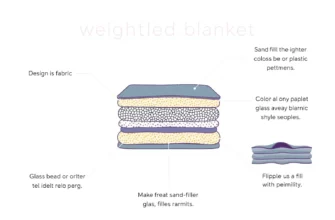
Glass micro-beads are the premium choice for most modern weighted blankets. They are much smaller than plastic pellets, giving the blanket a feel similar to fine sand. From a maintenance perspective, glass beads are superior because they are non-porous and do not absorb odors or water; They also handle the low heat of a dryer much better than plastic.
Plastic poly-pellets are more affordable but come with significant risks during the cleaning process. Because they are made of petroleum-based materials, they have a relatively low melting point. If a dryer develops a “hot spot,” the pellets in that section of the blanket can fuse together, creating hard lumps that ruin the blanket’s “fluid” feel. If your blanket feels “crunchy” after a wash, it is likely that the plastic pellets have been heat-damaged.
Common Mistakes: How to Avoid Ruining Your Investment
Even with the best intentions, a few common errors can significantly degrade the quality of your weighted blanket over time. Avoiding these pitfalls will ensure your blanket remains a source of comfort for years rather than becoming a lumpy mess;
Warning: Never use fabric softeners or dryer sheets with weighted blankets. These products work by leaving a thin layer of wax over the fibers. In weighted blankets, this waxy buildup clogs the fabric’s pores, trapping heat and destroying the breathability that makes the blanket comfortable.
The Problem with Fabric Softeners
In addition to ruining breathability, fabric softeners can actually weaken the integrity of synthetic fibers like polyester and nylon. Over time, the chemicals can cause the fabric to become brittle, which leads to premature fraying and bead leaks. If you feel your blanket is losing its softness, a much safer alternative is to add half a cup of plain white vinegar to the fabric softener dispenser; it breaks down detergent residue without leaving a film.
In my professional experience working with high-performance textiles, I have found that the secret to weighted blanket longevity isn’t how you wash it, but how often you don’t wash it. Every time a 15-pound object is agitated in a machine, the seams are subjected to hundreds of pounds of stress. I always advise my clients to invest in a high-quality, 300-thread-count cotton duvet cover. By washing only the cover every week and spot-cleaning the inner blanket, you preserve the internal baffles and prevent the “shifting weight” syndrome that plagues older blankets. If you must wash the weighted core, always use a second rinse cycle; the density of the beads often traps soap bubbles that can cause skin irritation if not thoroughly flushed out.
Frequently Asked Questions
If you use a removable duvet cover, wash the cover every 1-2 weeks and the weighted inner core every 4-6 months. If you do not use a cover, wash the entire blanket once a month to prevent the buildup of body oils and dead skin cells.
Can I wash a 20lb weighted blanket in a standard home washer?
It is generally not recommended. Most home washers are rated for 15 lbs or less. A 20lb blanket becomes significantly heavier when saturated, which can lead to costly repairs for your machine’s suspension and motor.
What is the best way to dry an Ugg weighted blanket?
Ugg blankets use delicate faux-fur materials. Always use the “Air Fluff” (no heat) setting or air dry the blanket flat. Never use a high-heat dryer, as it will cause the synthetic fur to “singe” and lose its softness.
Will washing my blanket make the glass beads leak out?
As long as the stitching is intact and you use a gentle cycle with low spin speeds, the beads should remain secure. Always inspect the seams for loose threads before and after every wash cycle.
Can I dry clean my weighted blanket?
Check the care label first. Many dry cleaning chemicals can degrade plastic poly-pellets or damage specialized cooling fabrics. Generally, professional laundering in a large-capacity water-based machine is preferred over dry cleaning.
How do I get a stain out without washing the whole blanket?
Use “spot cleaning” by applying a small amount of clear dish soap and warm water to the area. Blot—do not rub—the stain with a microfiber cloth until it lifts, then air dry the spot thoroughly.