- Understanding if Weighted Blankets are Good for Arthritis Pain
- How Deep Pressure Helps Manage Joint Inflammation
- Soothing the Spine: Do Weighted Blankets Help with Back Pain and Sciatica?
- Relieving Sciatic Nerve Pressure and Lower Back Tension
- Beyond Joints: Do Weighted Blankets Help Sore Muscles and Aching Bodies?
- Recovery for Sore Muscles and Post-Activity Aches
- Targeting Specific Conditions: Rheumatoid Arthritis vs. Osteoarthritis
- Managing Flares in Rheumatoid Arthritis
- How to Choose the Best Weighted Blanket for Chronic Pain
- Weight and Material Safety for Fragile Joints
- Common Mistakes: When a Weighted Blanket Might Not Be Right
- Frequently Asked Questions
Understanding if Weighted Blankets are Good for Arthritis Pain
Living with chronic joint pain often feels like an endless search for a moment of genuine stillness. Weighted blankets have emerged as a compelling‚ non-invasive intervention that offers more than just warmth; they provide a physical sensation known as grounding.
For individuals navigating the daily grind of joint stiffness‚ these blankets act as a form of “passive therapy.” By mimicking the gentle pressure of a firm hug‚ they help transition the body from a state of high-alert stress to one of restorative rest.
The primary appeal lies in how this external weight interacts with our internal sensory processing. It is not about the blanket “fixing” the joint itself‚ but rather about calming the overactive nervous system that often amplifies the perception of pain during a flare-up.
How Deep Pressure Helps Manage Joint Inflammation
The science behind these blankets centers on Deep Pressure Stimulation (DPS). When the weight is evenly distributed across the body‚ it stimulates the production of serotonin‚ a neurotransmitter that naturally stabilizes mood and promotes a sense of well-being.
When asking if a weighted blanket helps with arthritis‚ it is helpful to look at how it influences the endocrine system. High levels of cortisol‚ the body’s primary stress hormone‚ are frequently linked to increased systemic inflammation; consistent deep pressure has been shown to lower cortisol levels‚ potentially creating a more favorable environment for your body to manage joint swelling.
Furthermore‚ the weight provides significant proprioceptive input. This helps the brain better understand where the body is in space‚ which can reduce the “guarding” reflex—that subconscious tensing of muscles around an inflamed joint. By encouraging these muscles to relax‚ the blanket can indirectly lessen the mechanical strain on sensitive knuckles‚ knees‚ and hips.
Soothing the Spine: Do Weighted Blankets Help with Back Pain and Sciatica?
Back pain is rarely a singular issue; it is usually a complex interplay of structural alignment‚ nerve sensitivity‚ and muscular compensation. While a blanket cannot realign a slipped disc‚ it can be a powerful tool for managing the secondary symptoms that keep you awake at night.
For those dealing with chronic lumbar issues‚ the gentle downward force of a weighted blanket encourages the body to remain in a more stable‚ neutral position. This prevents the sudden‚ jerky movements during sleep that often trigger sharp‚ radiating pain in the lower back and legs.
The psychological benefit is equally important. Chronic back pain often leads to “painsomnia‚” where the fear of moving the wrong way keeps the brain in a state of hyper-vigilance. The “cocooning” effect of the blanket provides a sense of security that allows the mind to let go of this defensive posture.
| Pain Type | How the Blanket Helps | Key Limitation |
|---|---|---|
| Sciatica (Nerve Pain) | Reduces tossing and turning that can pinch the nerve further. | Does not remove the physical compression on the nerve root. |
| Muscular Lower Back Pain | Promotes myofascial release through consistent‚ gentle pressure; | Requires proper pillow support for full spinal alignment. |
| Herniated Disc Tension | Eases the “muscle guarding” surrounding the injured disc. | Will not “shrink” or move the disc back into place. |
Relieving Sciatic Nerve Pressure and Lower Back Tension
Sciatica is notoriously difficult to manage because the pain often radiates from the lower spine down through the legs. If you find yourself constantly shifting to find a comfortable angle‚ a weighted blanket can help by anchoring your hips and pelvis into a fixed‚ supportive position.
When considering if weighted blankets are good for sciatica‚ the focus should be on sleep hygiene. By reducing the urge to move‚ you minimize the risk of the sciatic nerve being compressed by an awkward leg position. For many‚ pairing a 15-pound blanket with a knee pillow creates a “neutral zone” that significantly reduces morning stiffness.
Does a weighted blanket help with leg and back pain specifically? Yes‚ primarily by addressing the “referred pain” caused by tight hamstrings and glutes. The distributed weight acts like a very light‚ full-body massage‚ encouraging blood flow to oxygen-starved muscles that have been tensing up to protect the spine.
Beyond Joints: Do Weighted Blankets Help Sore Muscles and Aching Bodies?
Muscle soreness isn’t just for athletes; it is a reality for anyone dealing with fibromyalgia‚ chronic fatigue‚ or even the general aches of a high-stress lifestyle. The sensation of being “held” by a blanket triggers the parasympathetic nervous system‚ which is responsible for “rest and digest” functions.
This shift is critical for recovery. When the parasympathetic system takes the lead‚ the heart rate slows and breathing becomes deeper. This physiological state is where the most efficient cellular repair occurs‚ allowing the body to flush out metabolic waste products like lactic acid more effectively.
The “cocoon effect” also provides a unique sensory boundary. For those whose bodies feel “raw” or overstimulated‚ the blanket provides a consistent‚ predictable tactile input that mutes the noise of minor aches and pains‚ making them feel much more manageable.
Recovery for Sore Muscles and Post-Activity Aches
Post-exercise soreness‚ or DOMS (Delayed Onset Muscle Soreness)‚ involves microscopic tears in the muscle fibers. While the blanket doesn’t heal the tears directly‚ it improves the quality of deep-stage sleep. Growth hormone is primarily released during deep sleep‚ and this hormone is the main driver of muscle tissue repair.
If you are wondering do weighted blankets help sore muscles‚ the answer lies in the reduction of muscle spasms. The weight provides a form of “compression therapy” that can dampen the involuntary twitches and restless leg sensations that often accompany physical exhaustion.
Are weighted blankets good for your back when it feels like one giant knot? Many users find that the weight helps “iron out” the fascia‚ the connective tissue surrounding the muscles. By providing a broad area of pressure‚ the blanket prevents the fascia from tightening up overnight‚ leading to a much more mobile feeling upon waking.
Targeting Specific Conditions: Rheumatoid Arthritis vs. Osteoarthritis
It is vital to distinguish between different types of arthritis‚ as the “ideal” blanket experience varies significantly between them. Rheumatoid Arthritis (RA) is an autoimmune condition characterized by active inflammation‚ while Osteoarthritis (OA) is largely a degenerative “wear and tear” issue.
For OA patients‚ the warmth and grounding of the blanket are usually the primary benefits. The weight helps stabilize the joint‚ reducing the micro-movements that cause bone-on-bone friction. However‚ for RA patients‚ the weight must be carefully calibrated to ensure it doesn’t put too much pressure on joints that are currently red‚ hot‚ or swollen.
| Condition | Pros of Weighted Blankets | Cons / Risks |
|---|---|---|
| Osteoarthritis | Provides soothing warmth; stabilizes “loose” joints. | Can be difficult to lift for those with weak grip strength. |
| Rheumatoid Arthritis | Lowers stress-related flare triggers; improves sleep. | Excessive weight can aggravate active‚ tender inflammation. |
| Bursitis | Reduces friction by limiting movement in the affected area. | Direct pressure on the bursa sac can be painful if too heavy. |
Managing Flares in Rheumatoid Arthritis
During an RA flare‚ the body is in a state of systemic inflammation. This is why finding the best weighted blanket for rheumatoid arthritis requires a focus on breathability and weight distribution. You want the therapeutic benefits of DPS without the risk of overheating‚ which can make inflammation feel worse.
Can a weighted blanket help bursitis or specific shoulder issues like a strained teres minor? In these cases‚ the blanket acts as a stabilizer. By limiting the range of motion during the night‚ it prevents you from rolling onto a sensitive shoulder or hip‚ allowing the inflamed bursa or muscle to rest without constant re-irritation.
For RA users‚ choosing a blanket with a “cooling” bamboo or cotton cover is essential. These materials wick away moisture and prevent the “heat trap” effect that can exacerbate joint throbbing. It is also wise to start with a lighter weight—perhaps 7% of body weight—to test your tolerance during an active flare.
How to Choose the Best Weighted Blanket for Chronic Pain
Selecting the right blanket is not a “one size fits all” process‚ especially when chronic pain is involved. The standard recommendation is 10% of your total body weight‚ but this rule needs adjustment if you have limited mobility or fragile skin.
If you are struggling with hand arthritis‚ for example‚ a 20-pound blanket might be nearly impossible to pull up or adjust during the night. In such cases‚ opting for two smaller‚ lighter blankets or a blanket specifically designed with a lower weight-to-surface-area ratio may be more practical.
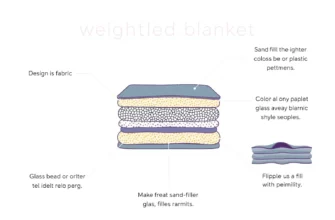
- Filler Material: Always look for glass beads rather than plastic pellets. Glass beads are smaller‚ denser‚ and much quieter. They also distribute weight more evenly‚ preventing the “clumping” that can put uneven pressure on a painful joint.
- Stitch Pattern: Choose a blanket with small quilted squares (4-5 inches). This ensures the beads stay in place and don’t slide to the edges‚ which would negate the deep pressure benefits.
- Outer Cover: For those with chronic pain‚ a removable‚ machine-washable cover is non-negotiable. Struggling to wash a heavy‚ one-piece blanket is a recipe for a back injury.
- Temperature Regulation: If you suffer from inflammation‚ avoid “minky” or synthetic fleece fabrics. Stick to natural fibers like Tencel or linen to keep the joints cool.
Weight and Material Safety for Fragile Joints
When searching for the best weighted blanket for chronic pain‚ consider your “exit strategy.” You must be able to independently remove the blanket in an emergency or simply to get out of bed. If the weight makes you feel “trapped‚” it will increase your cortisol levels‚ defeating the entire purpose of the therapy.
Do weighted blankets help joint pain if they are too light? Generally‚ no. If the weight is under 5% of your body weight‚ it may feel like a standard comforter and fail to trigger the necessary neurological response. The goal is “comfortable resistance” rather than “heavy restriction.”
Common Mistakes: When a Weighted Blanket Might Not Be Right
While weighted therapy is a breakthrough for many‚ it is not a universal cure. There are specific scenarios where using one could be counterproductive or even dangerous. It is vital to recognize these “red flags” before making an investment.
Warning: Never use a weighted blanket as a replacement for prescribed medical treatments‚ physical therapy‚ or surgery. It is a supplemental tool‚ not a primary cure.
- Respiratory Issues: People with asthma‚ COPD‚ or sleep apnea should consult a doctor first‚ as excessive chest pressure can impede deep breathing.
- Circulatory Problems: If you have advanced diabetes or peripheral neuropathy‚ you may not be able to feel if the blanket is restricting blood flow to your extremities.
- Post-Surgery Recovery: Do not use a weighted blanket over fresh incisions or healing bone fractures unless specifically cleared by your surgeon.
- Weight Overload: A common mistake is buying the heaviest blanket available. Too much weight can actually crush sensitive joints‚ leading to more inflammation the next morning.
In my professional experience as a specialist in musculoskeletal recovery‚ I often point patients toward the “Gate Control Theory.” Essentially‚ your brain can only process a certain amount of sensory information at once. By introducing the consistent‚ “non-painful” stimulus of deep pressure‚ you effectively “close the gate” on the smaller‚ sharper pain signals coming from your joints or nerves. While I always advise a multi-modal approach—meaning you shouldn’t skip your mobility exercises or ergonomic adjustments—a weighted blanket is one of the few tools that helps patients manage the psychological “ceiling” of chronic pain. It changes the conversation between your body and your brain‚ moving it from a state of emergency to a state of safety.
Frequently Asked Questions
While it won’t fix the disc‚ a weighted blanket reduces muscle guarding and prevents the sudden shifts in sleeping position that often cause acute “zaps” of nerve pain.
Is a weighted blanket good for osteoarthritis in the knees?
Yes‚ it can stabilize the joint and provide soothing pressure‚ provided you choose a weight that doesn’t feel restrictive or painful on the kneecap itself.
Do weighted blankets help with sciatica leg pain?
They help by keeping the body in a neutral alignment and reducing the urge to toss and turn‚ which is a common trigger for sciatic nerve irritation.
Will a weighted blanket make my rheumatoid arthritis inflammation worse?
Only if it is too heavy or traps too much heat. Choose a light-to-medium weight with cooling fabrics to ensure you get the calming benefits without the physical strain.
Are weighted blankets safe for elderly people with chronic pain?
They are safe as long as the user can independently remove the blanket and the weight stays within the 10% body weight guideline to protect fragile skin and joints;