- What’s So Good About Weighted Blankets? Understanding the Science of Deep Pressure
- How Weighted Pressure Calms Your Nervous System
- Why Were Weighted Blankets Invented? The Clinical History You Didnt Know
- From Occupational Therapy Tools to Mainstream Bedroom Staples
- Separating Reality from Hype: What Is the Big Deal About Weighted Blankets?
- Debunking Common Misconceptions About Heavy Bedding
- What Do I Need to Know Before Buying a Weighted Blanket?
- Choosing the Right Weight‚ Fabric‚ and Filler for Your Needs
- Essential Safety: Who Should Avoid Using a Weighted Blanket?
- Safety Guidelines for Children and Adults
- Final Verdict: Is the Appeal of a Weighted Blanket Worth the Investment?
- Who Benefits Most from This Sensory Tool?
- Frequently Asked Questions
What’s So Good About Weighted Blankets? Understanding the Science of Deep Pressure
The sensation of a weighted blanket is often described as a “physical hug” that doesn’t let go‚ but the benefits extend far beyond mere comfort. At the heart of this experience is a physiological mechanism known as Deep Pressure Stimulation (DPS)‚ a form of tactile input that signals the brain to move from a state of high alert to one of profound relaxation.
When you drape a heavy blanket over your body‚ the weight applies firm‚ consistent pressure to your skin’s mechanoreceptors. These receptors send signals to the central nervous system‚ effectively telling the brain that the body is safe and grounded‚ which is why these blankets have transitioned from clinical tools to essential household items for those seeking better rest.
How Weighted Pressure Calms Your Nervous System
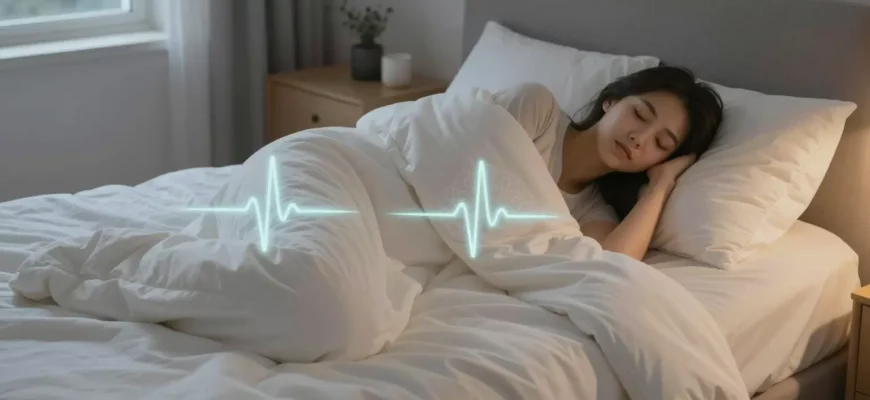
The human body operates through two primary branches of the autonomic nervous system: the sympathetic and the parasympathetic. When we are stressed or anxious‚ the sympathetic nervous system takes over‚ triggering a “fight or flight” response that increases heart rate and cortisol levels. Weighted blankets act as a mechanical switch that flips the body back into the parasympathetic “rest and digest” mode‚ lowering the heart rate and promoting a sense of calm.
This shift is supported by the release of neurochemicals that govern our mood and sleep cycles. The gentle pressure of the blanket encourages the brain to produce a serotonin boost‚ a neurotransmitter often called the “happy hormone” because it stabilizes mood and promotes feelings of well-being. Furthermore‚ serotonin is a precursor to melatonin‚ the hormone responsible for regulating your internal clock and ensuring you fall asleep faster and stay asleep longer.
By calming the nervous system through physical weight‚ these blankets also help in reducing the production of cortisol‚ the body’s primary stress hormone. High levels of cortisol at night can lead to fragmented sleep and “tired but wired” feelings; therefore‚ using a weighted blanket can help reset your hormonal balance before you drift off‚ making the transition to deep sleep much smoother for those with overactive minds.
Why Were Weighted Blankets Invented? The Clinical History You Didnt Know
While weighted blankets are currently marketed as a luxury wellness product‚ their origins are deeply rooted in the rigorous world of pediatric clinical therapy. Decades ago‚ occupational therapists realized that children with sensory processing challenges often struggled to understand where their bodies ended and the environment began‚ leading to significant distress and emotional meltdowns.
The history of these blankets is inextricably linked to the work of Dr. Temple Grandin‚ a renowned researcher and advocate for individuals with autism. Grandin observed that cattle became noticeably calmer when placed in a “squeeze chute” for vaccinations‚ leading her to develop a “hug machine” for her own sensory regulation. This discovery paved the way for the portable‚ soft-surface weighted blankets we use today.
From Occupational Therapy Tools to Mainstream Bedroom Staples
In the 1990s and early 2000s‚ weighted blankets were primarily used in occupational therapy origins to help individuals with sensory processing disorder (SPD)‚ autism‚ and ADHD. The goal was to provide proprioceptive input—a fancy way of saying “body awareness”—which helped these individuals feel more grounded and less overwhelmed by external stimuli like loud noises or bright lights. The clinical roots of these blankets prove they were never a fad; they were developed as a legitimate therapeutic intervention for neurological regulation.
The transition to the mainstream occurred as researchers began to study the “hug effect” on the general population. Data suggested that the same grounding effect used for clinical sensory needs could help adults suffering from generalized anxiety‚ insomnia‚ and even restless leg syndrome. By the mid-2010s‚ the “weighted blanket” had moved from the clinic to the bedroom‚ as people realized that most humans benefit from the security provided by gentle‚ distributed weight during times of high stress.
Separating Reality from Hype: What Is the Big Deal About Weighted Blankets?
With the explosion of social media marketing‚ it is easy to believe that a weighted blanket is a magical cure-all for every ailment from chronic pain to clinical depression. However‚ it is vital to distinguish between the evidence-based benefits of deep pressure and the hyperbolic claims often found in advertisements to ensure you have realistic expectations.
The “big deal” about these blankets isn’t that they solve medical conditions‚ but rather that they provide a non-pharmacological way to manage the physical symptoms of those conditions. They are a tool in a larger toolkit for mental health and sleep hygiene‚ providing a tactile anchor that helps the brain focus on the present moment rather than spiraling into anxious thoughts.
Myth: Weighted blankets are a permanent cure for chronic insomnia.
Fact: While they significantly improve sleep quality by reducing tossing and turning‚ they do not address the underlying medical causes of insomnia. They should be viewed as a relaxation tool to help you fall asleep easier.
Debunking Common Misconceptions About Heavy Bedding
One of the most persistent myths is that “the heavier the blanket‚ the better the results.” In reality‚ a blanket that is too heavy can cause physical discomfort‚ joint pain‚ or even feelings of claustrophobia‚ which completely defeats the purpose of the tool. The ideal weight is usually around 10% of your total body weight‚ as this provides enough pressure to trigger DPS without placing undue strain on your skeletal system.
Another misconception is that these blankets are exclusively for people with diagnosed sensory issues. The truth is that anyone with a nervous system can benefit from the grounding effect of deep pressure. Whether you are dealing with a high-pressure job or simply have a hard time “shutting down” at night‚ the physiological response remains the same: the weight signals safety to the brain‚ allowing for a deeper state of relaxation.
Myth: You will overheat and sweat all night under a heavy blanket.
Fact: Heat retention depends entirely on the fabric and filler. Modern blankets using glass beads and bamboo covers are designed to be highly breathable and actually sleep cooler than traditional down comforters.
What Do I Need to Know Before Buying a Weighted Blanket?
Purchasing a weighted blanket is a significant investment in your sleep hygiene‚ and choosing the wrong one can lead to a restless night. Because the market is flooded with various materials‚ it is important to look past the price tag and evaluate the construction‚ the fill type‚ and the breathability of the outer shell.
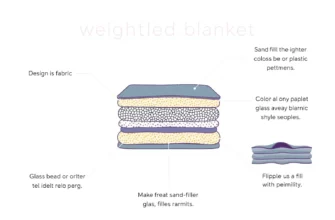
A high-quality blanket should have even weight distribution. If the weight shifts to the edges or bunches up in the middle‚ you lose the consistent pressure required for deep pressure stimulation. Look for blankets with small stitched “pockets” (usually 4 to 6 inches square) that keep the weighted material locked in place across your entire body.
Choosing the Right Weight‚ Fabric‚ and Filler for Your Needs
The filler material is perhaps the most critical component of the blanket’s feel and performance. Most modern blankets use either glass beads or plastic poly-pellets. Glass beads are superior for most users because they are much smaller and denser than plastic‚ giving the blanket a “liquid” feel that contours better to the body. They are also quieter; plastic pellets can make a “shuffling” noise when you move‚ which can be distracting for light sleepers.
- The 10% Rule: Aim for a blanket that is roughly 10% of your body weight. If you weigh 150 lbs‚ a 15-lb blanket is your target. Never exceed 12% of your body weight unless specifically directed by a therapist.
- Breathable Fabrics: If you are a “hot sleeper‚” avoid polyester or fleece covers. Instead‚ opt for 100% cotton‚ linen‚ or bamboo (rayon) covers‚ which allow for better airflow and moisture-wicking.
- Weight Distribution: Check the size of the quilted squares. Smaller squares (4 inches) prevent the beads from pooling at one end‚ ensuring consistent pressure on your limbs and torso throughout the night.
Essential Safety: Who Should Avoid Using a Weighted Blanket?
While weighted blankets are generally safe for the average healthy adult‚ they are not a “one size fits all” product. Because they apply significant pressure to the chest and limbs‚ they can pose serious risks to individuals with certain medical conditions or physical limitations. Safety must always take precedence over the desire for better sleep.
The most important rule of weighted blanket safety is that the user must be able to remove the blanket themselves without assistance. If a person lacks the physical strength or cognitive ability to push the blanket off in an emergency‚ it becomes a suffocation hazard. This is why these tools require extreme caution when used with children‚ the elderly‚ or those with mobility impairments.
| Group | Recommendation | Safety Insight |
|---|---|---|
| Infants & Toddlers | DO NOT USE | Children under the age of 2 (or under 30 lbs) are at high risk for SIDS or suffocation. Never place a weighted blanket in a crib. |
| Respiratory Issues | CONSULT DOCTOR | Individuals with asthma‚ COPD‚ or sleep apnea may find the pressure on the chest restricts breathing. |
| Circulatory Problems | USE CAUTION | People with Type 2 diabetes or low circulation should ensure the blanket doesn’t restrict blood flow to the extremities. |
| Post-Surgery | WAIT | Avoid using a weighted blanket over fresh incisions or healing bones until cleared by a surgeon. |
Safety Guidelines for Children and Adults
For older children (typically age 4 and up)‚ a weighted blanket can be a game-changer for bedtime anxiety‚ but it must be weight-appropriate. A 15-lb adult blanket is dangerous for a 50-lb child. Always follow the 10% rule strictly for children and ensure they understand how to pull the blanket down if they feel too hot or restricted. It is often recommended to use the blanket only for the initial falling-asleep period rather than the entire night for younger users.
Adults with underlying health conditions like obstructive sleep apnea (OSA) should be particularly careful. The extra weight on the chest wall can increase the effort required to breathe during the night‚ potentially worsening apnea episodes. If you have a history of respiratory health issues‚ test the blanket while awake for 20 minutes to ensure you do not feel any shortness of breath before attempting to sleep with it through the night.
Final Verdict: Is the Appeal of a Weighted Blanket Worth the Investment?
After examining the science and the history‚ it is clear that weighted blankets are far more than a trendy bedroom accessory. They are a functional sensory tool that leverages the body’s own neurological pathways to induce calm. For many‚ the cost of a high-quality blanket is a small price to pay for a non-chemical aid that reduces the physical manifestations of stress and anxiety.
While they won’t replace therapy or medical treatment for serious conditions‚ they provide a reliable‚ physical grounding effect that is hard to replicate with traditional bedding. In an era where our nervous systems are constantly bombarded with digital stimuli‚ the simplicity of a “weighted hug” offers a much-needed sanctuary for the mind and body alike.
Who Benefits Most from This Sensory Tool?
The ideal candidate for a weighted blanket is someone who struggles with “nighttime ruminations”—the tendency for the mind to race as soon as the lights go out. By providing a constant tactile stimulus‚ the blanket gives the brain something “neutral” to focus on‚ which can break the cycle of anxious thoughts. Individuals with Restless Leg Syndrome (RLS) also report significant relief‚ as the weight provides the sensory input their legs are “seeking‚” often reducing the urge to move.
Ultimately‚ the value of a weighted blanket lies in its ability to facilitate stress management in a completely passive way. You don’t have to “do” anything other than lie down and let the physics of deep pressure do the work. If you find yourself constantly seeking comfort through heavy quilts or find that a firm hug instantly calms you down‚ a weighted blanket is likely a worthwhile addition to your sleep sanctuary.
In my professional experience working with sensory integration‚ I have seen firsthand how proprioceptive input—the information our muscles and joints send to the brain—functions as an anchor for a disorganized nervous system. While these blankets have become popular consumer items‚ I always advise users to remember their clinical purpose: they are designed to help the brain organize sensory information more efficiently. When the brain is certain of where the body is in space‚ it can finally stop scanning for “threats” and allow the autonomic nervous system to downregulate. I always tell my clients that the goal of a weighted blanket isn’t just to make you sleep‚ but to make you feel safe enough to let go. If you feel any sense of “trapped” or “heavy” anxiety‚ the weight is likely too high; the sensation should always feel like a gentle‚ supportive embrace‚ never a restriction.
Frequently Asked Questions
You should follow the 10% rule: choose a blanket that is approximately 10% of your total body weight. Most adults find their “sweet spot” between 15 and 20 pounds for optimal comfort.
Can you sleep with a weighted blanket every night?
Yes‚ it is perfectly safe for healthy adults to use a weighted blanket every night. Many users find that consistent nightly use leads to better long-term sleep patterns and reduced baseline anxiety.
Why were weighted blankets originally made for children with autism?
They were designed to provide “sensory grounding.” Children with autism often experience sensory overstimulation‚ and the deep pressure helps calm their nervous system and reduce sensory-seeking behaviors like rocking or spinning.
Do weighted blankets help with anxiety and panic attacks?
Yes‚ by triggering Deep Pressure Stimulation (DPS)‚ they help lower the heart rate and reduce cortisol levels. This acts as a physical grounding mechanism that can help “short-circuit” a rising panic response.
Are weighted blankets too hot for summer use?
Not necessarily. If you choose a blanket with glass bead filler and a breathable cover like bamboo or cotton‚ it will dissipate heat much more effectively than a standard thick comforter.
What is the age limit for using a weighted blanket?
Weighted blankets should never be used for children under 2 years old. For older children and the elderly‚ the user must be physically capable of removing the blanket on their own to ensure safety.