- Finding the Perfect Weighted Blanket Pattern for Your Needs
- Sewing vs. Knitting: Choosing Your Crafting Path
- Essential Materials: From Pony Beads to Poly Pellets
- The Pros and Cons of Common Weighted Fillers
- The Master Sewing Blueprint: Step-by-Step Quilted Patterns
- Creating an Easy Weighted Blanket Pattern for Beginners
- Specialized Designs: Lap Blankets and Pet Comfort
- The Knitter’s Guide: Using DK, Aran, and Sport Weight Yarns
- Working with Different Yarn Weights for Therapeutic Density
- Sizing and Dimensions: From Twin to Queen Size Layouts
- Calculating the Grid for a 48×72 Weighted Insert
- Protection and Maintenance: Duvet Covers and Repairs
- Pattern for a Removable 48×72 Duvet Cover
- Fixing Clumping and Shifting Weights
- Safety Protocols and Therapeutic Best Practices
- Designing for Autism and Sensory Needs
- Expert Perspective: Sensory Crafting and Durability
- Frequently Asked Questions
Finding the Perfect Weighted Blanket Pattern for Your Needs
Creating your own sensory bedding is more than just a weekend craft project; it is an investment in personalized wellness. While store-bought options are readily available, a custom weighted blanket pattern allows you to control the exact weight distribution, fabric breathability, and aesthetic to match your specific needs.
The primary advantage of the DIY approach is the ability to adhere strictly to the 10% of body weight plus one pound rule, which is the standard recommendation for therapeutic pressure. By crafting your own calming wrap, you ensure the weight is perfectly tailored to provide the proprioceptive input required for better sleep and reduced anxiety.
Sewing vs. Knitting: Choosing Your Crafting Path
Deciding between a weighted blanket sewing pattern and a weighted blanket knitting pattern depends largely on your comfort level with different textile mediums and your desired end result. A sewn blanket typically uses a quilted grid filled with glass beads or poly pellets, offering a streamlined, professional look that is easy to keep clean. These blankets are often more durable for heavy daily use because the fabric layers are reinforced with multiple lines of stitching.
In contrast, knitted versions rely on the physical mass of the yarn itself, such as thick unspun wool or multiple strands of cotton held together. While these are incredibly cozy and aesthetically pleasing, they require more maintenance to prevent stretching over time. Knitted blankets often lack the precise weight isolation found in quilted pockets, meaning the weight may shift slightly as the knit expands under its own gravity.
Essential Materials: From Pony Beads to Poly Pellets
The soul of any weighted project lies in its filler, as this determines the blanket’s tactile feel, sound level, and heat retention. Selecting the right material is a balance between budget, sensory preferences, and how often you plan to wash the finished piece.
While glass beads are the gold standard for high-end blankets due to their high density and low profile, a pony bead weighted blanket pattern is a fantastic alternative for those seeking a more textured, audible sensory experience. Pony beads are larger and more rugged, making them ideal for lap pads used in high-traffic environments like classrooms or therapy centers.
| Filler Type | Density Level | Noise Factor | Best Use Case |
|---|---|---|---|
| Glass Micro-Beads | High | Silent | Adult sleep blankets, high-density inserts |
| Poly Pellets | Medium | Low Rustle | General DIY patterns, durable for washing |
| Pony Beads | Low | Moderate Click | Children’s sensory tools, budget-friendly crafts |
| Steel Shot | Very High | Minimal | Professional occupational therapy tools |
The Pros and Cons of Common Weighted Fillers
When searching for a pony bead weighted blanket pattern free of cost, consider that the bulk of these beads will result in a much thicker blanket compared to one filled with glass. Glass beads are roughly the size of grains of sand, allowing the blanket to drape more naturally over the body, whereas plastic pellets or pony beads create a more “bumpy” texture that some individuals with sensory processing disorder find grounding.
Washability is another critical factor; always choose non-toxic, BPA-free plastic pellets or high-quality glass if you intend to use a standard washing machine. Natural fillers like rice or beans should be avoided in homemade patterns weighted blankets because they cannot be laundered and are susceptible to mold and pests over time.
The Master Sewing Blueprint: Step-by-Step Quilted Patterns
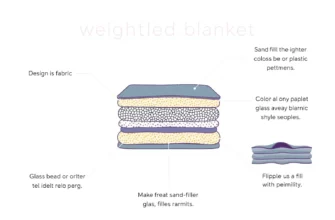
The most effective way to ensure even weight distribution is through channel quilting, a process that locks the weighted material into small, individual squares. This prevents the “pooling” effect where all the weight slides to the corners of the blanket, which can negate the therapeutic benefits of deep pressure stimulation.
For those following weighted blanket pattern instructions for beginners, the key is to work in small increments. You are essentially building a grid of tiny beanbags, sewing one row at a time and filling it before moving to the next. This method ensures that every pocket contains the exact same weight down to the gram.
- Cut two equal pieces of breathable cotton or durable minky fabric to your desired dimensions, adding a 2-inch seam allowance on all sides.
- Place the right sides together and sew around three sides, then flip the fabric right-side out and press the edges flat.
- Using a fabric marker, draw a grid of squares (typically 4×4 or 5×5 inches) across the entire surface of the blanket.
- Sew vertical channels along the grid lines, leaving the top of the blanket open.
- Calculate the weight per pocket by dividing the total desired weight by the number of squares in your grid.
- Pour the measured weight into each vertical channel using a long-neck funnel to ensure it reaches the bottom.
- Pin the fabric horizontally across the first row of squares and sew a straight line to seal the beads into their pockets.
- Repeat the filling and horizontal sewing process until the entire grid is completed and the top edge is sealed.
Creating an Easy Weighted Blanket Pattern for Beginners
If you are new to sewing, start with an easy weighted blanket pattern that utilizes a lower number of larger squares. While 4-inch squares provide the most even pressure, 6-inch squares are much faster to sew and still provide significant comfort for household use. Always use a heavy-duty needle (90/14 or 100/16) when sewing through multiple layers of fabric and beads to prevent breakage.
A common mistake is trying to sew through the beads themselves. To avoid this, always shake the pellets to the bottom of the pockets and use a zipper foot on your sewing machine to get as close to the fill line as possible without striking the hard material. This technique results in a cleaner weighted blanket quilt pattern that looks professional and feels balanced.
Specialized Designs: Lap Blankets and Pet Comfort
Not every project needs to be a full-sized bed covering. A weighted lap blanket pattern is perfect for students who need help focusing at a desk or office workers managing stress throughout the day. These smaller versions usually weigh between 2 and 5 pounds and are small enough to fit in a backpack, making them essential occupational therapy tools for mobile sensory support.
Similarly, a weighted blanket dog pattern can help pets with separation anxiety or noise phobias during thunderstorms. When making these, ensure the weight does not exceed 5% of the animal’s body weight and always use non-toxic fillers, as curious chewers might attempt to reach the pellets inside. Use reinforced topstitching on the outer seams to withstand claws and movement.
The Knitter’s Guide: Using DK, Aran, and Sport Weight Yarns
Knitting a weighted blanket offers a different kind of luxury, focusing on the inherent weight of the fibers rather than external fillers. This approach is often safer for those who worry about leaks or for individuals who prefer a highly breathable, “holey” texture that allows for airflow while still providing significant heft.
When working with a dk weight blanket pattern or an aran weight blanket pattern, the weight is achieved through density. By using multiple strands of yarn or choosing a tight stitch pattern like the seed stitch or garter stitch, you can create a fabric that is naturally heavy. Cotton yarn is the preferred choice for knitters because it is significantly denser and heavier than acrylic or wool of the same thickness.
Working with Different Yarn Weights for Therapeutic Density
To achieve the necessary therapeutic weight without fillers, you must calculate your yarn yardage carefully. For a standard adult-sized throw, you may need upwards of 15 to 20 skeins of aran weight yarn. If you prefer a lighter feel, a sport weight baby blanket pattern corner two corner (C2C) can be adapted by holding three or four strands together, which creates a thick, “squishy” texture that mimics the feeling of a hug.
The C2C method is particularly useful because it allows you to grow the blanket diagonally, making it easy to weigh the project as you go. Stop increasing when you have reached half of your target weight, then begin the decrease rows to finish the square. This ensures you don’t run out of yarn before the project reaches its desired therapeutic density.
Sizing and Dimensions: From Twin to Queen Size Layouts
Getting the dimensions right is vital for comfort; a blanket that is too large for the bed will slide off under its own weight, while one that is too small won’t provide full-body coverage. For individual use, the blanket should cover the person from the chin to the feet but should not hang over the edges of the mattress.
If you are drafting a queen size weighted blanket pattern, consider making it in two separate pieces or as a weighted blanket insert pattern that fits inside a standard duvet. A single 20-pound queen-sized blanket is extremely difficult to launder in a home machine, so modular designs are often the more practical choice for long-term maintenance.
| Bed Size | Recommended Dimensions | Ideal Grid Size | Average Weight Range |
|---|---|---|---|
| Weighted Lap Pad | 12″ x 18″ | 3″ x 3″ | 2 ౼ 5 lbs |
| Child / Twin | 38″ x 75″ | 4″ x 4″ | 5 ー 10 lbs |
| Adult Throw (48×72) | 48″ x 72″ | 5″ x 5″ | 12 ౼ 20 lbs |
| Queen / Full | 60″ x 80″ | 6″ x 6″ | 15 ー 25 lbs |
Calculating the Grid for a 48×72 Weighted Insert
The 48×72 inch size is the most popular choice for adults because it fits perfectly on a twin bed or works as a personal throw on a larger mattress. To create a twin size weighted blanket pattern with this layout, you will typically use a grid of 10 squares by 15 squares. This results in 150 individual pockets.
If your target weight is 15 pounds (240 ounces), you would divide 240 by 150 to get 1.6 ounces of filler per pocket. Precision is key here; use a digital kitchen scale to measure every single scoop. Even a small discrepancy of 0.2 ounces per pocket can lead to a blanket that feels lopsided or unbalanced once completed.
Protection and Maintenance: Duvet Covers and Repairs
A weighted blanket is a labor-intensive project, and protecting that hard work is essential. Because the inner weighted layer is heavy and difficult to wash, using a removable cover is the best way to keep the bedding fresh. A custom cover also allows you to swap fabrics based on the season—using cooling cotton in the summer and warm fleece or minky in the winter;
When designing a pattern for duvet cover for weighted blanket 48 x 72, the most important feature is the attachment system. Because of the weight, the inner blanket will bunch up inside the cover unless it is securely tied down. Add at least 8 ribbon ties (corners and mid-points) to both the insert and the cover to keep everything aligned.
Pattern for a Removable 48×72 Duvet Cover
To create a weighted blanket cover pattern, use a simple “envelope” closure or a heavy-duty zipper along the bottom edge. Fabric choice is paramount for sensory needs; individuals who overheat easily should stick to 100% cotton or bamboo. For those who crave tactile input, a fleece weighted blanket pattern provides a soft, “fuzzy” exterior that enhances the calming effect of the weight.
Ensure the cover is slightly larger (about 1 inch) than the insert to account for the thickness of the weighted pockets. If the cover is too tight, the blanket will feel stiff and won’t drape comfortably over the body. Pre-wash all fabrics before sewing to prevent the cover from shrinking and becoming unusable after the first laundry cycle.
Fixing Clumping and Shifting Weights
Over time, even the best-constructed blankets may face issues. If you notice a weighted blanket uneven fix is needed, it is usually due to a popped stitch in the internal grid. To repair this, you must first locate the leak by feeling for areas where the beads have migrated into adjacent pockets. Use a seam ripper to carefully open the outer edge and a long dowel or knitting needle to push the beads back into their correct square before re-sewing the internal line.
If the pellets are shifting because the fabric has stretched, adding a layer of batting during the initial construction can help. Batting acts as a stabilizer, gripping the pellets and muffling the sound. For existing blankets, adding a few lines of topstitching through the middle of the shifting pockets can help lock the remaining filler in place without needing to take the entire piece apart.
Safety Protocols and Therapeutic Best Practices
While weighted blankets are incredible tools for relaxation, they must be used responsibly. Safety is the highest priority, especially when working with a child weighted blanket pattern. A blanket that is too heavy or used incorrectly can pose a physical risk, particularly to those with respiratory or circulatory issues.
It is a non-negotiable rule in the textile and therapy community: weighted blankets should never be used for infants or toddlers. The risk of SIDS or accidental suffocation is too high because young children may not have the strength to move the blanket if it covers their face. Always ensure the user can independently remove the blanket at any time.
- Consult a professional: Always speak with an Occupational Therapist before introducing a weighted autism blanket pattern to a child’s routine.
- Weight limits: Never exceed 10-12% of the user’s body weight. More is not necessarily better and can lead to joint strain.
- Vital signs: Do not use weighted bedding for individuals with asthma, sleep apnea, or type 2 diabetes unless cleared by a doctor.
- Temperature check: Monitor for signs of overheating, as the dense fillers and multiple fabric layers trap significant body heat.
- Material integrity: Regularly inspect the blanket for leaks; small glass beads or poly pellets can be a choking hazard if they escape the pockets.
Designing for Autism and Sensory Needs
When tailoring a weighted autism blanket pattern, the texture of the fabric is often just as important as the weight; Many individuals with sensory sensitivities prefer “dry” textures like high-thread-count cotton over “wet” or “sticky” textures like certain microfibers. Include the end-user in the fabric selection process to ensure the blanket is something they feel comfortable touching.
For therapeutic use, the pressure should be firm but gentle, mimicking the sensation of “Deep Pressure Touch.” This stimulus triggers the release of serotonin and dopamine in the brain, helping to regulate the nervous system. By using smaller 4-inch squares in your grid, you create a more fluid, liquid-like pressure that contours to the body’s shape, providing the most effective sensory input possible.
Expert Perspective: Sensory Crafting and Durability
In my professional experience as a textile specialist, the most common failure point in DIY weighted blankets isn’t the fabric choice, but the thread strength. I always advise makers to use bonded nylon or high-quality polyester upholstery thread rather than standard all-purpose cotton thread. The constant friction of glass beads or poly pellets against the internal seams creates significant wear every time the blanket moves. Furthermore, I recommend a “double-bagging” technique for fillers if you are using a loose-weave fabric; sew the beads into small muslin pouches before placing them in the quilted pockets to ensure that no beads ever migrate through the weave of the fashion fabric.
Frequently Asked Questions
The best fabric for the inner insert is 100% breathable cotton because it is durable and prevents overheating. For the outer cover, minky, fleece, or flannel are excellent for sensory warmth.
How do I calculate the weight for each pocket in a quilted pattern?
Divide the total desired weight of the beads (in ounces) by the total number of squares in your grid. For example, 160 oz of beads / 80 squares = 2 oz per pocket.
Can I use pony beads instead of glass beads?
Yes, pony beads are a durable and cost-effective alternative. However, they are bulkier and will make a “clicking” sound, which some find soothing and others find distracting.
Is a weighted blanket safe for a toddler?
Generally, no. You must consult a pediatrician first. Weighted blankets are strictly prohibited for infants and should only be used by children who can easily remove the blanket themselves.
How do I stop the weight from shifting to one side?
The most effective method is to use a smaller grid (4×4 inches) and ensure each pocket is securely sealed with reinforced topstitching to prevent beads from leaking into other channels.
What yarn is best for a knitted weighted blanket?
Heavy cotton yarn is the best choice because of its natural density. You can use bulky Aran weight yarn or hold three strands of DK weight yarn together to achieve the necessary heft.