- Why Cold Plunge Showers Are More Than Just a Social Media Trend
- Cold Water Plunge Bath vs. The Cold Shower: Which Is Better?
- Maximizing Recovery: Using a Cold Plunge After Massage
- The Science of Lymphatic Drainage and Muscle Soreness
- Dermatological Benefits: Cold Plunge Skin Health Explained
- Managing Sensitive Skin and New Tattoos
- Temperature Transitions: Cold Plunge Followed by Hot Shower
- The Right Order for Maximum Energy and Focus
- Mastering Technique: Head Under and Hand Sensitivity
- Is It Safe to Put Your Head Under Water?
- Step-by-Step: Your First 30 Days of Cold Water Plunges
- Common Mistakes to Avoid for Beginners
- Expert Perspective: Hydrotherapy and Recovery
- Frequently Asked Questions
Why Cold Plunge Showers Are More Than Just a Social Media Trend
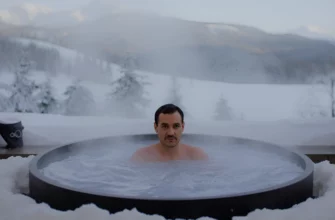
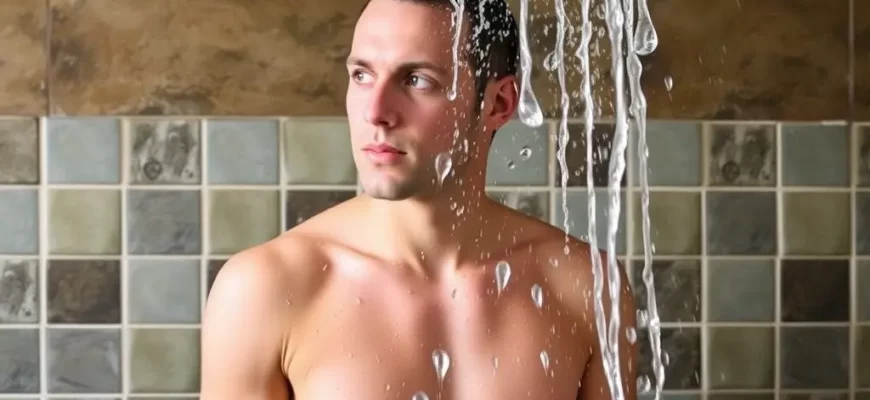
The sudden surge in cold water exposure isn’t just a byproduct of viral challenges; it represents a shift toward accessible, high-performance wellness. While dedicated immersion tubs are a luxury for many, the cold plunge shower offers a pragmatic entry point into the world of thermal conditioning. By simply turning the handle to the coldest setting, you initiate a profound physiological shift that impacts everything from your nervous system to your cellular health.
Adopting this mainstream wellness practice requires more than just grit; it requires an understanding of how your body responds to thermal stress. When the cold water hits your skin, your brain triggers an immediate survival response, releasing a surge of norepinephrine and endorphins. This chemical cascade is what provides that signature “post-shower glow” and mental clarity that practitioners swear by, proving that you don’t need a five-figure ice tub to reap the rewards of hydrotherapy.
Cold Water Plunge Bath vs. The Cold Shower: Which Is Better?
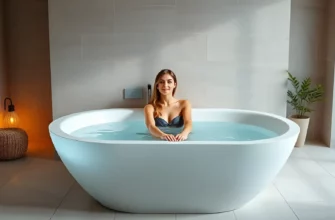
When comparing a cold water plunge bath to a standard cold shower, the primary difference lies in hydrostatic pressure. In a bath or tub, the water surrounds the body entirely, exerting pressure that aids in compressing tissues and moving fluids. This can be more effective for those looking specifically at how to reduce inflammation after an intense athletic event. However, the shower holds a distinct advantage in terms of convenience and the ability to target specific muscle groups with moving water.
Showers also allow for a more controlled transition into the cold. You can start with your limbs and gradually move to your torso, which is often less taxing on the central nervous system than a full-body drop into a 45-degree tank. For the average person looking to improve their metabolic health and skin tone, the accessibility of a daily shower far outweighs the logistical hurdles of maintaining a dedicated plunge tub. Consistency is the most important metric for long-term adaptation, and it is much easier to commit to a sixty-second cold blast in your existing bathroom routine than to prep an ice bath every morning.
Maximizing Recovery: Using a Cold Plunge After Massage
The synergy between professional bodywork and cold water therapy is a secret weapon for elite recovery protocols. After a deep tissue session, your muscles are often in a state of “good” inflammation, as the therapist has worked to break up adhesions and stimulate blood flow. Introducing a cold plunge after massage helps to stabilize the tissue and accelerate the removal of metabolic byproducts that can lead to delayed onset muscle soreness (DOMS).
- The Immediate Flush: Use cold water for 2-3 minutes to constrict blood vessels, which pushes blood away from the surface and toward your internal organs.
- Targeted Cooling: Direct the shower head toward the specific areas where the massage therapist focused their deepest work to prevent localized swelling.
- Hydration First: Always drink a full glass of water before your cold exposure to ensure your lymphatic system has the fluid it needs to transport waste.
- The Re-Warm: Allow your body to warm up naturally after the shower rather than jumping into a sauna, as this forces your heart to work harder, further boosting circulation.
The Science of Lymphatic Drainage and Muscle Soreness
The lymphatic system lacks a central pump like the heart, meaning it relies on muscle contraction and vessel constriction to move fluid. This is where cold plunge lymphatic drainage becomes incredibly effective. The rapid vasoconstriction caused by the cold water acts as a manual pump for the lymph nodes, helping to clear the “sludge” that can accumulate after a heavy workout or a deep tissue massage. By alternating the temperature, you create a physiological “milking” action of the vessels.
When you utilize a cold plunge after deep tissue massage, you are essentially closing the “gates” of inflammation. The massage releases toxins and metabolic waste into the interstitial fluid; the cold water then forces those fluids into the circulatory system to be filtered by the kidneys and liver. This process significantly reduces the “massage hangover”—that feeling of lethargy and soreness that often follows a high-intensity bodywork session. Practitioners find that they can return to training up to 24 hours sooner when they combine these two modalities.
Dermatological Benefits: Cold Plunge Skin Health Explained
Cold water is often referred to as nature’s cheapest beauty treatment, but the science behind it is quite sophisticated. Unlike hot water, which strips the skin of its natural sebum and can weaken the skin barrier, cold water helps to “lock in” moisture by causing the pores to appear smaller and the blood vessels to constrict. This doesn’t just improve the look of your skin; it enhances its resilience against environmental stressors and pollutants.
Myth: Cold water can permanently shrink your pores.
Fact: Pores do not have muscles to open and close; however, cold water prevents them from becoming clogged with excess oil and reduces the inflammation that makes them look larger.Myth: Cold plunges will cure chronic eczema overnight.
Fact: While it can significantly soothe the “itch-scratch” cycle, it is a supportive therapy rather than a primary cure.Myth: Cold water is bad for new tattoos because it “shocks” the ink.
Fact: The danger isn’t the cold itself, but the potential for bacteria in standing water or the mechanical force of a high-pressure shower head on healing skin.
Managing Sensitive Skin and New Tattoos
For those struggling with cold plunge eczema, the cooling sensation can be a godsend. Hot showers are a primary trigger for eczema flare-ups because they dehydrate the epidermis. Cold water, conversely, provides an anesthetic effect on the nerve endings, which can break the cycle of itching. However, it is vital to apply a high-quality emollient immediately after the shower to trap the hydration, as the air-drying process can still lead to moisture loss if the skin is left unprotected.
When it comes to a cold plunge after tattoo work, caution is the priority. A fresh tattoo is essentially an open wound. While cold water can help reduce the initial swelling, you should avoid high-pressure shower streams directly on the ink for the first 10 to 14 days. Furthermore, if you are using a cold plunge to help sunburn, ensure the water is “cool” rather than “ice-cold.” Extreme thermal shock on a burn can actually cause further tissue damage. The goal is to gently draw the heat out of the skin, not to induce a secondary thermal injury.
Temperature Transitions: Cold Plunge Followed by Hot Shower
The practice of “contrast therapy” involves moving between hot and cold environments to create a vascular pump. Think of your blood vessels like a sponge: hot water makes them expand (vasodilation), while cold water makes them shrink (vasoconstriction). By cycling through these states, you are essentially giving your circulatory system a workout, which can improve overall cardiovascular efficiency and speed up the delivery of oxygenated blood to recovering tissues.
| Method | Primary Benefit | Best Time of Day |
|---|---|---|
| Cold-to-Hot | Deep muscle relaxation and joint relief | Evening / Post-Workout |
| Hot-to-Cold | Mental alertness and metabolic spike | Morning / Pre-Work |
| The 3:1 Cycle | Maximum lymphatic drainage | After Massage or Heavy Lifting |
The Right Order for Maximum Energy and Focus
The sequence you choose depends entirely on your goals for the day. If you are looking for a massive boost in productivity, a cold plunge followed by hot shower might actually be counterproductive. Ending on cold is the gold standard for mental focus. This is because the body has to work to re-warm itself, a process known as cold-induced thermogenesis, which keeps your metabolic rate elevated for hours. If you end on hot, you signal to your parasympathetic nervous system that it is time to relax, which is great for sleep but bad for a 9 AM meeting.
For those who find a pure cold plunge hot shower transition too jarring, try the “fading” technique. Start your shower at a comfortable warm temperature, and every 30 seconds, nudge the handle toward the cold side. This gradual shift allows your thermoreceptors to adjust without triggering a full-blown panic response. Never stay in a hot shower for more than 5 minutes if you intend to finish with cold, as extreme vasodilation followed by immediate constriction can occasionally lead to lightheadedness in sensitive individuals.
Mastering Technique: Head Under and Hand Sensitivity
One of the most challenging aspects of a cold shower is managing the extremities and the head. Your hands and feet have a high density of nociceptors—nerve endings that signal pain. When they hit cold water, they often feel a “burning” sensation that can be more uncomfortable than the cold on your back or chest. Similarly, submerging the head introduces the mammalian dive reflex, a fascinating biological survival mechanism that slows the heart rate and redirects blood to the brain and heart.
To manage cold plunge hands, many veterans of the practice recommend keeping the hands out of the direct stream for the first 30 seconds. Once the body has moved past the initial “gasp” phase, you can gradually introduce your hands and feet. This prevents the brain from being overwhelmed by too many “pain” signals at once, allowing you to stay in the water longer and achieve a deeper state of calm through controlled breathing.
Is It Safe to Put Your Head Under Water?
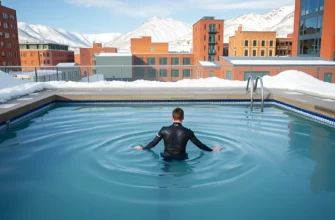
Submerging your head during a cold plunge head under water session is one of the fastest ways to stimulate the vagus nerve. This nerve is a primary component of the parasympathetic nervous system, responsible for regulating your “rest and digest” state. By exposing the face and forehead to cold water, you trigger a decrease in heart rate and a shift in your heart rate variability (HRV), which is a key marker of stress resilience. Beginners should limit head exposure to 5-10 seconds to avoid the “brain freeze” sensation caused by rapid vasoconstriction in the scalp.
Safety is paramount when the head is involved. The initial shock can cause an involuntary gasp; if your face is directly under a heavy stream, you risk inhaling water. Always ensure your breathing is rhythmic and under control before you let the cold water hit your face. Once you have mastered the breath, the mental clarity provided by a full-head plunge is unparalleled, often described as a “hard reset” for the brain’s cognitive functions.
Step-by-Step: Your First 30 Days of Cold Water Plunges
Starting a cold water routine is a marathon, not a sprint. The goal is to build metabolic flexibility, which is the body’s ability to adapt to different stressors. In the first week, you aren’t training your body as much as you are training your mind to override the “quit” reflex. Consistency is the only way to see the long-term dermatological and physiological benefits associated with hydrotherapy.
- Days 1-7: The 30-Second Finish. Take your normal warm shower and finish with 30 seconds of cold water on just your limbs and shoulders.
- Days 8-14: The Torso Transition. Increase the cold time to 60 seconds and ensure the water hits your chest and upper back, where “brown fat” (thermogenic fat) is most concentrated.
- Days 15-21: The Full Immersion. Move to 2 minutes of cold. This is the “sweet spot” where many of the anti-inflammatory benefits begin to peak.
- Days 22-30: Temperature Mastery. Try starting the shower cold from the very beginning. This builds incredible mental discipline and maximizes the norepinephrine response.
Common Mistakes to Avoid for Beginners
Many people fail at cold therapy because they treat it like a battle; If you tense your muscles and hold your breath, you are triggering a massive cortisol spike that negates many of the recovery benefits. Instead, you must lean into the cold. Practice box breathing—inhale for four seconds, hold for four, exhale for four, hold for four—to signal to your brain that you are safe despite the external temperature.
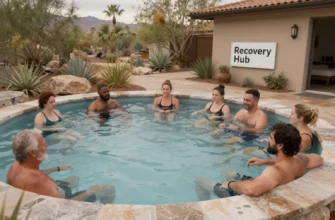
Another mistake is the assumption that cold water plunges are trendy and therefore must be extreme to work. You do not need to sit in ice for 10 minutes to see results. In fact, research suggests that just 11 minutes of total cold exposure per week, spread across several days, is enough to trigger significant metabolic and immune system improvements. Learn how to stay safe in cold water by listening to your body; if your skin becomes unnaturally pale or you start shivering uncontrollably (the “afterdrop”), it is time to get out and warm up gradually.
Expert Perspective: Hydrotherapy and Recovery
In my professional experience, the most overlooked aspect of cold therapy is the “Afterdrop.” This occurs when the cold blood from your extremities begins to flow back to your core once you’ve stepped out of the water, causing your internal temperature to continue falling even after you’re in a warm room. I always advise practitioners to dry off immediately and move their bodies—do some air squats or jumping jacks—to generate internal heat rather than relying solely on a hot towel. While it’s true that these practices are currently very popular, the biological foundations are rooted in centuries of thermal therapy. To see real skin health and muscle recovery, you must prioritize gradual acclimatization over ego-driven intensity. If you feel dizzy or excessively lethargic after a session, you’ve likely over-taxed your system and should reduce your duration by 50% for the next session.
Frequently Asked Questions
It is best to wait 2 to 4 weeks until the tattoo is fully peeled and healed. Extreme temperature shifts can disrupt the skin’s healing process, and public plunge pools carry a high risk of infection for open wounds.
Should I put my head under water during a cold plunge?
Yes, but only once you are comfortable with the body immersion. Submerging the head stimulates the vagus nerve and the mammalian dive reflex, but beginners should start with the neck down to avoid over-taxing the nervous system.
How does a cold plunge help with eczema?
Cold water reduces the inflammatory response and numbs the itching sensation common in eczema. However, you must apply a moisturizer immediately afterward to prevent the cold water from drying out the skin barrier.
Is a cold plunge after a massage beneficial?
Absolutely. It helps the lymphatic system process the metabolic waste released during the massage and significantly reduces post-massage muscle soreness and inflammation.
Can cold showers help with loose skin?
While cold water won’t fix significant skin laxity from weight loss, it does improve local circulation and temporarily increases skin “snap-back” or tone by stimulating the underlying tissue.
Should I take a hot shower after a cold plunge?
You can use a hot shower for contrast therapy to boost circulation, but if your goal is mental focus or metabolic health, it is better to end on cold and let your body warm up naturally.