- Evaluating the Cold Life Plunge Cost: What Are You Really Paying For?
- The Three Tiers of Cold Immersion Pricing
- Budget-Friendly Basics: Galvanized Tubs and Retail Finds
- Is a Cold Plunge Tub from Target or Costco Worth It?
- Shark Tank Brands vs. Luxury Custom Builds
- The Premium Advantage: Ozone Sanitation and Integrated Chillers
- Installation and Logistics: Shipping, Financing, and Space
- Sizing Your Space: Dimensions for Home and University Gyms
- Maintenance Costs: Keeping Your Water Crystal Clear
- The Cold Plunge Tub Cleaning Routine
- The Hybrid Debate: Cold Plunge vs. Hot Tub vs. Sauna
- Contrast Therapy Systems: Is a Hybrid Worth the Investment?
- How to Score the Best Price on a Cold Plunge
- Smart Shopping: Comparison and Reviews
- Frequently Asked Questions
Evaluating the Cold Life Plunge Cost: What Are You Really Paying For?
The financial barrier to entry for cold water immersion has shifted dramatically over the last few years. While a simple plastic bin might cost you less than a week’s worth of groceries, a professional-grade system can easily rival the price of a used sedan.
Understanding the cold life plunge cost requires looking beyond the tub itself and evaluating the ecosystem required to keep water at a consistent 39°F. The primary drivers of price are thermal efficiency, the cooling capacity of the chiller (measured in horsepower), and the sophistication of the filtration system.
High-end units command a premium because they eliminate the logistical nightmare of buying hundreds of pounds of ice. When you invest in a luxury setup, you are essentially paying for the convenience of “set and forget” temperature management and hospital-grade water clarity.
The Three Tiers of Cold Immersion Pricing
The market is currently divided into three distinct price brackets, each serving a different type of user. At the entry level, you will find DIY setups and basic stock tanks that usually stay under the $500 mark. These require manual labor—specifically, hauling ice—and offer zero built-in filtration.
The mid-range, typically priced between $800 and $3,000, consists of high-quality inflatable tubs or basic acrylic shells paired with external chillers. These are popular for those doing a cold plunge tub online price comparison because they offer the best balance of performance and portability. You get active cooling without the $10,000 price tag of a permanent fixture.
The high-end tier starts at $5,000 and can exceed $15,000 for custom builds. These systems feature integrated cooling units, ozone sanitation, and smartphone connectivity. When you finalize a cold plunge tub purchase at this level, you are buying a piece of heavy machinery designed for daily, multi-user sessions with minimal maintenance.
Budget-Friendly Basics: Galvanized Tubs and Retail Finds
For many, the journey begins with a galvanized steel stock tank, often found at agricultural supply stores. These “dumb tubs” are indestructible and offer a raw, aesthetic appeal, but they come with a hidden “ice tax” that can cost a heavy user over $200 a month in frozen bags.
Retail giants like Target and Costco have recently entered the space, offering seasonal inflatable models or entry-level portable pods. These are excellent for testing your physiological commitment before investing in durable recovery gear like a permanent insulated system.
| Tub Type | Estimated Upfront Cost | Best Use Case | Primary Drawback |
|---|---|---|---|
| Galvanized Stock Tank | $150 ― $300 | Outdoor DIY setups | Zero insulation; high ice consumption |
| Inflatable Portable Pod | $100 ― $600 | Travel or small apartments | Prone to punctures and heat gain |
| Retail Brand (Costco/Target) | $400 ౼ $1,200 | Casual home users | Limited chiller compatibility |
Is a Cold Plunge Tub from Target or Costco Worth It?
When looking at a cold plunge tub Target model, you are usually seeing a white-labeled inflatable pod. These are great for beginners, but they often lack the cold plunge tub dimensions necessary for taller individuals to achieve full submerged depth. If you cannot submerge your collarbones, you are missing out on the full vagus nerve stimulation benefits.
The cold plunge tub Costco Canada offerings frequently bundle a portable tub with a basic 1/4 HP chiller. This represents significant value, but it is important to check the warranty. Retail-grade chillers often struggle in high ambient temperatures, meaning if you live in a hot climate, a budget chiller may run 24/7 and still fail to reach 40°F.
If you are considering cold plunge tub alternatives, such as converted chest freezers, be aware of the safety risks. These require meticulous sealing with marine-grade sealant and the use of a GFCI outlet to prevent electrical shock. While cheaper upfront, the labor and risk often make a purpose-built retail tub a more logical choice for the average person.
Shark Tank Brands vs. Luxury Custom Builds
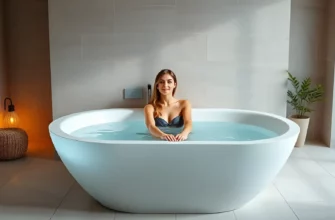
The “Shark Tank effect” has standardized the $5,000 price point for premium home units. Brands featured on the show brought aesthetic design to what was once a clunky industrial process. These units are built to look like furniture, making them ideal for home wellness setups where the tub is located in a master bathroom or a visible patio area.
Luxury custom builds, particularly those utilizing cold plunge canadian made cedar saunas as a design inspiration, focus on thermal mass. A thick cedar or insulated acrylic walls will hold the temperature much longer than a thin-walled tub, significantly reducing the energy consumption for chillers during the summer months.
The Premium Advantage: Ozone Sanitation and Integrated Chillers
One of the most significant upgrades in premium cold plunge tub brands is the inclusion of ozone sanitation. Ozone (O3) is a powerful oxidizer that destroys bacteria, viruses, and oils on contact. By choosing cold plunge tubs with ozone sanitation, you reduce your reliance on chemicals like chlorine or bromine, which can be harsh on the skin during daily immersion.
Furthermore, a cold plunge tub outdoor factory warranty is a major factor in the high price. These units are engineered to withstand UV exposure and freezing temperatures. If a component fails in a luxury system, the manufacturer typically provides localized support or easy-to-swap modular parts, ensuring your recovery tub investment doesn’t become a very expensive planter after one season of use.
Installation and Logistics: Shipping, Financing, and Space
The price you see on a website is rarely the final “all-in” cost. Logistics play a massive role in the total expenditure. A fully integrated tub can weigh over 300 pounds empty, requiring LTL (Less Than Truckload) freight shipping. Always budget an additional $300 to $600 for shipping and lift-gate delivery unless the manufacturer offers a promotional “free shipping” window.
For those who want professional-grade equipment but cannot justify the $6,000 hit to their bank account, cold plunge tub financing options online have become the industry standard. Most major brands partner with services like Affirm or Klarna, allowing users to pay roughly $150 to $250 a month—essentially the cost of a high-end gym membership.
- Standard Footprint: Most tubs require a 5′ x 3′ flat surface.
- Electrical Needs: Ensure you have a dedicated 110-120V outlet with GFCI protection.
- Floor Loading: A filled tub can weigh 800-1,200 lbs; verify your deck or floor can support this weight.
- Drainage: You will need to drain 50-100 gallons of water every 3-6 months; plan for proximity to a floor drain or garden.
Sizing Your Space: Dimensions for Home and University Gyms
When evaluating cold plunge tub dimensions, consider the “internal vs. external” footprint. An integrated unit with a built-in chiller will have a larger footprint than a standalone tub with a remote chiller tucked in a corner. For a garage setup, a longer 70-inch tub is preferable to allow for a reclined position, which helps in managing the cold shock response.
In high-traffic environments, such as cold plunge tubs for university gyms, the requirements change drastically. These units must have commercial-grade 1 HP chillers to handle the “heat load” of 20 different athletes jumping in and out. The cost for these commercial systems often starts at $10,000 due to the biological water filtration needs and the heavy-duty pump cycles required to keep the water safe for multiple users;
Maintenance Costs: Keeping Your Water Crystal Clear
Maintenance is a non-negotiable recurring cost that many buyers overlook. If you don’t maintain the water, you’ll be forced to change it every few days, which is a massive waste of time and resources. Expect to spend $15 to $40 per month on maintenance supplies like replacement filter cartridges and sanitation agents.
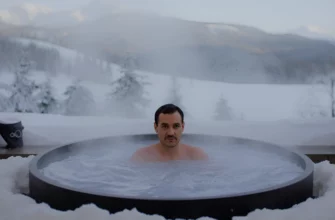
Winter maintenance is another critical consideration. If you keep your tub outdoors in a climate where temperatures drop below freezing, you must ensure the water continues to circulate. Many modern chillers have a “bypass” mode or a built-in heater to prevent the internal plumbing from bursting when the ambient air hits 20°F.
Critical Warning: Never use standard pool chlorine tablets in a cold plunge. The high concentration can damage the stainless steel heat exchanger in your chiller, leading to a catastrophic equipment failure that is rarely covered by warranty.
The Cold Plunge Tub Cleaning Routine
A consistent cold plunge tub cleaning schedule will extend the life of your pump and chiller. On a weekly basis, you should rinse the pleated sediment filter. These filters trap skin cells and hair, which can otherwise clog the small fins of the chiller’s heat exchanger. Replace the filter entirely every 4 to 8 weeks depending on your usage frequency.
Monthly maintenance should include a water chemistry check. Even with ozone or UV-C systems, a small dose of food-grade hydrogen peroxide (35% concentration) is often recommended to maintain high-level sanitation without the “spa smell” of traditional chemicals. This ensures that your sessions contribute to your health rather than exposing you to waterborne bacteria;
The Hybrid Debate: Cold Plunge vs. Hot Tub vs. Sauna
The “fire and ice” protocol—moving from a sauna to a cold plunge—is the gold standard for recovery. This has led to a surge in cold plunge hot tub hybrid units. While expensive, these units use a heat pump to either chill or heat the water, allowing you to switch modes depending on your training block. However, the switching process can take several hours, so they aren’t always ideal for immediate contrast therapy.
Alternatively, many users are opting for separate systems. Buying a cold plunge tub purchase alongside a Canadian cedar sauna provides the ultimate home spa experience. When bought as a bundle, many manufacturers offer significant cold plunge tub deals, sometimes shaving $1,000 or more off the total price of the individual units.
Contrast Therapy Systems: Is a Hybrid Worth the Investment?
Investing in a hybrid unit typically costs between $8,000 and $12,000. For most people, the cold plunge tub vs hot tub debate ends in favor of separate units. A dedicated hot tub is designed for relaxation and seating, while a cold plunge is designed for efficiency and rapid cooling. Hybrids often compromise on both, providing a tub that is too deep for comfortable hot tub lounging and too slow to chill for hardcore plunging.
If you are looking to reduce inflammation and improve circulation, the best ROI is often found in a dedicated cold unit paired with a traditional infrared or barrel sauna. This setup allows for “rounds” of therapy—15 minutes of heat followed by 3 minutes of cold—without waiting for a single machine to change temperatures.
How to Score the Best Price on a Cold Plunge
If you are patient, you can avoid paying the full MSRP for a high-end system. The industry follows a seasonal sales cycle. Cold plunge tub black friday sales are notoriously deep, with discounts often reaching 20% or more. Additionally, look for “V1” models when a brand releases a “V2” version; these cold plunge tub clearance sale items are often mechanically identical with only minor aesthetic differences.
Before you buy, I highly recommend browsing cold plunge tub reddit communities. Real-world users often share discount codes and, more importantly, honest feedback about which chillers are too loud for indoor use. This peer-to-peer cold plunge tub price comparison is invaluable for spotting “marketing fluff” vs. actual performance.
- Verify the Chiller HP: Do not settle for 1/4 HP if you live in a warm climate; 1/2 HP is the sweet spot.
- Check the Filter Type: Standard 20-micron filters are the easiest and cheapest to replace.
- Look for “Open Box” Deals: Manufacturers often sell returned units at a 30% discount after a full factory refurbish.
- Read the Warranty Fine Print: Ensure the warranty covers the chiller’s compressor for at least 1-2 years.
Smart Shopping: Comparison and Reviews
Using a cold plunge tub price comparison tool or spreadsheet can help you visualize the “cost per gallon” of different models. Don’t just look at the price; look at what’s included. A $4,000 tub that includes a cover, a starter kit of chemicals, and free shipping is often a better deal than a $3,500 tub that charges for those extras.
Finally, read cold plunge home tub reviews with a critical eye. Look for reviews from users who have owned the tub for more than six months. This is the timeframe when cheap components begin to fail. A durable recovery gear investment should last at least five years of daily use; if reviews mention leaking pumps or failing displays early on, keep looking.
In my professional experience as a recovery specialist, I always advise clients to look at the “cost per plunge” metric rather than the sticker price. If you buy a $5,000 high-end system and use it daily for a 10-year lifespan, your cost is roughly $1.37 per session. Contrast this with a $200 galvanized tub that requires $15 worth of ice every time you use it. Within just one year, the “cheap” DIY setup becomes more expensive than the luxury integrated system. Furthermore, the biggest barrier to cold therapy is friction. If you have to go to the store for ice, you will stop plunging within three weeks. If the water is always at 40°F and crystal clear, you will maintain the habit for years. Invest in the system that removes the most excuses.
Frequently Asked Questions
A standard home setup ranges from $150 for a DIY stock tank to $5,000 for a professional-grade integrated system. The chiller is the most expensive component, typically accounting for 60% of the total cost.
Are galvanized tubs safe for long-term cold plunging?
Yes, but they require a liner or marine-grade sealant to prevent rust. They also lack insulation, meaning you will spend significantly more on ice or electricity to keep the water cold.
Does Costco or Target sell cold plunge tubs?
They occasionally stock inflatable brands or seasonal recovery pods. These are excellent entry-level options due to their generous return policies, though they lack professional-grade cooling power.
How much does it cost to run a cold plunge chiller monthly?
For a standard 1/2 HP chiller, expect to pay between $15 and $30 per month in electricity, depending on your local rates and how well-insulated your tub is.
Is a cold plunge/hot tub hybrid better than separate units?
Hybrids save space but are generally less efficient. They take a long time to change temperatures, making them less ideal for immediate contrast therapy compared to having two separate units.
Can I leave my cold plunge tub outside in the winter?
Yes, provided you have a system with a circulation pump. You must keep the water moving or use a dedicated heater to prevent the pipes from freezing and bursting in sub-zero temperatures.