- Decoding Weighted Blanket Science: How Deep Pressure Stimulation Works
- The Proprioceptive System and Sensory Input
- What Weighted Blanket Sleep Research Says About Insomnia
- Statistical Findings on Falling Asleep Faster
- Understanding the Weighted Blanket Oxytocin Study and Hormonal Shifts
- Cortisol Reduction and Stress Management
- Analyzing Weighted Blanket Evidence for Chronic Pain in Adults
- The Gate Control Theory of Pain
- Neurological Safety: Weighted Blanket Epilepsy Protocols
- Safety Standards for Neurological Conditions
- Clinical Trial Methodology: Placebos and Alpha-Stim Comparisons
- The Challenge of Double-Blind Blanket Studies
- Key Takeaways: What the Scientific Evidence Concludes
- Expert Perspective: Occupational Therapy and Sensory Integration
- Frequently Asked Questions
Decoding Weighted Blanket Science: How Deep Pressure Stimulation Works
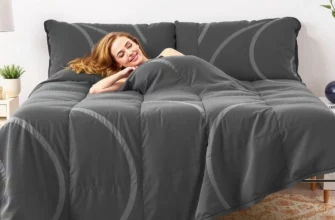
The physiological impact of a weighted blanket is rooted in a clinical mechanism known as Deep Pressure Stimulation (DPS). Rather than being a simple comfort item, these blankets act as a mechanical form of therapy that shifts the body’s internal state. When the weight is distributed evenly across the torso and limbs, it triggers a transition from the sympathetic nervous system—often called the fight-or-flight response—to the parasympathetic nervous system, which governs rest and digestion.
This shift is not merely psychological; it is a measurable biological response. Clinical observations show that consistent, distributed pressure slows the heart rate and reduces the presence of stress markers in the blood. By mimicking the sensation of being held or cocooned, the blanket provides a steady stream of tactile information that tells the brain the environment is secure. This is one of the most effective ways for individuals to learn how to calm the nervous system without relying solely on pharmaceutical interventions.
The Proprioceptive System and Sensory Input
The human body relies on the proprioceptive system to understand its position in space. This “sixth sense” is fueled by sensory input benefits derived from receptors in our muscles, joints, and skin. When you use a weighted blanket, the heavy textile provides intense tactile and pressure input, which helps the brain create a clearer map of the body’s physical boundaries. This grounding effect is particularly useful for those who experience sensory seeking behaviors or high levels of physical restlessness.
For many, the brain’s interpretation of steady physical boundaries serves as an anchor. When the proprioceptive system is under-stimulated, an individual may feel “scattered” or physically anxious. The blanket provides a constant, unchanging signal that allows the brain to stop scanning the environment for threats. This neurological feedback loop is why many therapists recommend weighted products for children and adults who struggle with body awareness or sensory processing challenges.
What Weighted Blanket Sleep Research Says About Insomnia
Recent advancements in sleep medicine have brought weighted blanket insomnia research into the mainstream, moving it from anecdotal evidence to peer-reviewed validation. A landmark 2020 study published in the Journal of Clinical Sleep Medicine highlighted how patients with clinical insomnia, depression, and anxiety showed significant improvements after just four weeks of use. The research indicates that the blankets do more than just make a bed feel “cozy”; they actively alter sleep architecture by reducing the frequency of nighttime awakenings.
The data suggests that the mechanical pressure helps stabilize the body during the transition between sleep stages. For many chronic insomniacs, the primary hurdle is sleep maintenance—the ability to stay asleep once the initial onset has occurred. By providing a “micro-environment” of stability, the blanket limits the physical tossing and turning that often leads to full arousal and the subsequent difficulty of returning to sleep.
| Study Metric | Standard Bedding Results | Weighted Blanket (10% Body Weight) |
|---|---|---|
| Insomnia Severity Index (ISI) Reduction | Minimal change (approx. 5%) | Significant reduction (approx. 50% or more) |
| Sleep Maintenance Efficiency | Frequent interruptions/fragmentation | Increased duration of uninterrupted sleep stages |
| Daytime Symptoms (Fatigue/Anxiety) | Persistent high levels | Measurable decrease in daytime lethargy |
| Patient Retention Rate | Variable | 90% of participants continued use post-study |
Statistical Findings on Falling Asleep Faster
When examining weighted blanket and falling asleep statistics, researchers often look at sleep latency—the time it takes to transition from full wakefulness to light sleep. Data from various .edu research institutions suggests that the calming effect of the pressure reduces the cognitive “racing thoughts” that often delay sleep onset. In controlled trials, participants using weighted blankets reported falling asleep up to 20 minutes faster than those using standard quilts.
Improving sleep quality is not just about the hours spent unconscious; it is about the depth of that rest. The clinical evidence points toward an increase in the time spent in stage 3 (Deep Sleep) and REM cycles. Because the body is physically anchored and the nervous system is in a parasympathetic state, the brain can commit more resources to the restorative functions of sleep, such as cellular repair and memory consolidation, rather than maintaining a state of high alert.
Understanding the Weighted Blanket Oxytocin Study and Hormonal Shifts
The endocrinological impact of deep pressure is perhaps the most fascinating aspect of weighted blanket science. When the skin’s pressure receptors are activated, they send signals to the brain to alter the chemical composition of the bloodstream. One of the primary outcomes is the stimulation of the cuddle hormone, oxytocin. This neuropeptide is typically associated with social bonding and physical touch, but it also plays a critical role in down-regulating the body’s stress response.
By increasing oxytocin levels, the body naturally counters the effects of cortisol, the hormone responsible for the “high-alert” state of stress. This chemical trade-off is why many users report an immediate sense of “melting” into the mattress. The scientific evidence regarding chemical changes suggests that the blanket acts as a surrogate for human touch, providing the same hormonal benefits as a long hug or a professional massage, which is vital for those living in isolation or struggling with social anxiety.
Cortisol Reduction and Stress Management
High cortisol levels are a primary driver of modern chronic illness, contributing to everything from weight gain to cardiovascular strain. Reducing stress hormones through physical intervention is a cornerstone of occupational therapy. The link between physical pressure and lower stress markers is well-documented; as the blanket applies consistent pressure to the large muscle groups, the adrenal glands receive a signal to throttle back cortisol production.
This process is often compared to the “hug effect.” Just as a firm hug can stop a child from crying, the weighted blanket provides a constant, non-threatening stimulus that the brain interprets as protection. For adults, this natural anxiety relief is a powerful tool for decompressing after a high-stress workday. Instead of the brain remaining in a state of hyper-vigilance, the physical weight forces a state of “forced relaxation” that the mind eventually follows.
Analyzing Weighted Blanket Evidence for Chronic Pain in Adults
For adults living with chronic pain conditions like fibromyalgia, arthritis, or complex regional pain syndrome, weighted blankets offer a non-pharmacological method of symptom management. The application of weight works on the principle of sensory integration, where the brain is given a “louder” and more pleasant signal to focus on than the chronic pain signals being sent from the nerves. This doesn’t necessarily heal the underlying injury, but it fundamentally changes how the brain perceives the pain.
Clinical trials have explored how the distribution of weight can reduce the “guarding” reflex—the tendency for muscles to tense up around a painful area. When the muscles are forced to relax under the weight of a blanket, blood flow to those areas can improve, which may aid in reducing localized inflammation and stiffness. This makes the blankets a valuable adjunct therapy for those who have exhausted traditional pain management options.
Myth: Weighted blankets can cure the underlying cause of chronic pain like arthritis.
Fact: While blankets cannot repair joint damage, they utilize the Gate Control Theory to distract the brain from pain signals, significantly reducing the perceived intensity of discomfort.Myth: Any heavy blanket will work for pain relief.
Fact: For pain management, even weight distribution is critical; unevenly weighted blankets can actually cause joint strain or localized pressure points that worsen pain.
The Gate Control Theory of Pain
The Gate Control Theory of Pain is a fundamental concept in neurology which suggests that the spinal cord contains a neurological “gate” that either blocks pain signals or allows them to pass through to the brain. Tactile stimulation, such as the pressure from a weighted blanket, travels along faster nerve fibers than pain signals. By flooding the nervous system with “safe” pressure signals, the blanket effectively closes the gate, preventing the “pain” signals from reaching the brain’s conscious processing centers.
Managing chronic pain naturally through this method is particularly effective for nighttime pain flare-ups. Long-term use cases for chronic sufferers show that using the blanket during rest periods can prevent the “wind-up” phenomenon, where pain becomes more intense due to the nervous system becoming over-sensitized. For many, this leads to a reduction in the need for rescue pain medications during the night, as the tactile input provides a continuous “buffer” against nerve sensitivity.
Neurological Safety: Weighted Blanket Epilepsy Protocols
Safety is the most important consideration when using weighted blankets for individuals with neurological conditions like epilepsy. While the grounding effect can be beneficial for post-ictal (post-seizure) recovery, there are specific risks that must be managed. The primary concern is respiratory restriction; if a person experiences a seizure while under a heavy blanket, they may end up in a physical position that compromises their airway.
Medical professionals emphasize that weighted blankets should never be used as a restraint. For those with epilepsy, the blanket must be easily removable by the user, and the weight must be carefully calibrated to ensure it does not impede chest expansion during heavy breathing. Consulting with a neurologist before introducing a weighted blanket into a seizure management plan is a non-negotiable step for patient safety.
- Do: Ensure the user can independently remove the blanket in case of an emergency or seizure onset.
- Do: Opt for high-breathability fabrics like cotton or bamboo to prevent overheating during or after a seizure.
- Don’t: Use a weighted blanket for anyone with pre-existing respiratory issues or nocturnal breathing disorders without a doctor’s clearance.
- Don’t: Use a blanket that exceeds 10% of the user’s total body weight, as excessive weight can lead to physical exhaustion during a seizure.
- Do: Ensure the weight is distributed in small, quilted pockets to prevent all the weight from shifting to the neck or face.
Safety Standards for Neurological Conditions
When selecting a blanket for clinical use, breathability and weight distribution are the two most critical factors. Medical weight limits are generally set at 10% of the user’s body weight, plus or minus a few pounds. However, for those with neurological vulnerabilities, staying on the lighter side of this formula is often safer. The goal is to provide enough pressure to trigger the parasympathetic system without creating a physical hazard.
There are specific instances when to avoid weighted products entirely. This includes individuals with severe claustrophobia, certain types of scoliosis, or those prone to status epilepticus (prolonged seizures). For these populations, the psychological or physical stress of being “trapped” under a heavy textile can trigger the very autonomic arousal the blanket is intended to prevent. Always prioritize the user’s ability to move freely over the potential benefits of the pressure.
Clinical Trial Methodology: Placebos and Alpha-Stim Comparisons
One of the greatest challenges in weighted blanket research is the difficulty of conducting double-blind studies. In a traditional drug trial, a placebo pill looks and tastes like the real thing. However, it is nearly impossible to create a “sham” weighted blanket that doesn’t feel heavy. This means that clinical trial challenges often involve the role of user expectation; if a participant knows they are using a weighted blanket, the placebo effect may influence their reported levels of relaxation.
To combat this, modern researchers are increasingly comparing weighted blankets to other medical devices like Alpha-Stim, which uses cranial electrotherapy stimulation (CES) to treat anxiety and insomnia. While Alpha-Stim uses low-level electrical currents to “reset” the brain’s electrical patterns, a weighted blanket provides a passive, mechanical intervention. Evaluating these two approaches helps clinicians understand whether a patient needs neurological “re-tuning” or simple physiological grounding.
| Feature | Weighted Blanket (Mechanical) | Alpha-Stim (Electrical) |
|---|---|---|
| Primary Mechanism | Deep Pressure Stimulation (DPS) | Cranial Electrotherapy Stimulation (CES) |
| Ease of Use | Passive; just lie under it | Active; requires earclip electrodes | Physical heat, potential heaviness | Mild headaches, dizziness (rare) |
| Portability | Low; typically heavy and bulky | High; handheld battery-operated device |
| Scientific Consensus | Strong evidence for sensory processing | FDA-cleared for anxiety and insomnia |
The Challenge of Double-Blind Blanket Studies
The scientific study limitations in this field often stem from small sample sizes and the inability to mask the intervention. When a participant joins a study, they can immediately tell if their blanket is weighted or not. This has led some critics to argue that the benefits of weighted blankets are largely driven by the “comfort factor” rather than a specific clinical mechanism. However, the measurable changes in heart rate and cortisol levels suggest that the body is responding to the pressure regardless of the user’s conscious expectations.
To improve the rigor of these studies, researchers are now using “control” blankets that are slightly heavier than a standard quilt but not heavy enough to trigger DPS. This helps to isolate the specific impact of the 10% weight rule. As the field matures, we are seeing more sophisticated data that accounts for individual sensory thresholds, recognizing that what feels “therapeutic” for one person might feel “constricting” for another.
Key Takeaways: What the Scientific Evidence Concludes
The current body of scientific evidence suggests that weighted blankets are a safe, effective, and non-invasive tool for managing a variety of sensory and neurological conditions. While they are most famous for their role in treating insomnia, their applications in chronic pain management and hormonal regulation are backed by significant physiological data. The shift from sympathetic to parasympathetic dominance remains the core “magic” behind the technology.
However, it is important to maintain a balanced perspective. While many studies show positive results, we still need more large-scale randomized controlled trials to establish definitive medical protocols for every condition. A weighted blanket should be viewed as a powerful supportive therapy—a way to enhance a broader wellness or treatment plan—rather than a standalone cure-all.
- Deep Pressure Stimulation is the core mechanism that triggers the nervous system’s “rest and digest” mode.
- Insomnia patients often see a 50% reduction in severity when using a blanket calibrated to 10% of their body weight.
- Oxytocin release and cortisol reduction are the primary hormonal benefits that drive anxiety relief.
- Safety is paramount for epilepsy and respiratory conditions; always ensure the user has full physical autonomy;
- The Gate Control Theory explains pain relief, as tactile input overrides chronic pain signals in the spinal cord.
Expert Perspective: Occupational Therapy and Sensory Integration
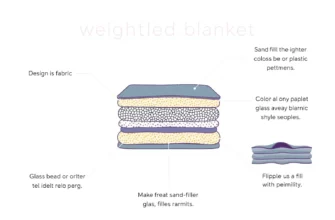
In my professional experience working with sensory integration, I have found that the “10% of body weight” rule is a helpful starting point, but it is far from a universal law. I always advise my clients to focus on their individual sensory threshold. Some individuals with high tactile defensiveness may find even 5% of their body weight to be overwhelming, while others with significant sensory-seeking needs may require slightly more to feel “grounded.” The science suggests that the most effective weight is the one that allows the user to feel secure without triggering a feeling of being trapped. I recommend testing different weights in a clinical setting before committing to a high-end medical-grade textile, as the “feel” of the weight—whether it is glass beads, plastic poly-pellets, or heavy knitted yarn—can change the brain’s reception of the pressure.
Frequently Asked Questions
The 2020 study in the Journal of Clinical Sleep Medicine found that participants using weighted blankets for four weeks reported significantly reduced insomnia severity, better sleep maintenance, and reduced daytime symptoms of anxiety and depression compared to a control group.
Is there a specific weighted blanket protocol for epilepsy?
There is no universal protocol, but safety is the priority. Users must have the physical strength to remove the blanket themselves, and it must be highly breathable to prevent suffocation or overheating during a seizure. Doctor approval is required before use.
How does the weighted blanket oxytocin study explain anxiety reduction?
Deep pressure stimulation triggers the release of oxytocin, the “cuddle hormone,” which naturally lowers cortisol levels. This biochemical shift reduces the body’s physiological stress response, leading to a calmer mental state.
Are weighted blankets effective for chronic pain in adults?
Yes, they utilize the gate control theory of pain, where the brain prioritizes the “safe” tactile pressure signals from the blanket over chronic pain signals, effectively “closing the gate” on the perception of discomfort.
What are the limitations of weighted blanket research on Google Scholar?
Many studies suffer from small sample sizes and the “placebo problem,” as it is difficult to conduct a double-blind trial where the participant doesn’t know the blanket is weighted. More large-scale, independent trials are needed.
How does a weighted blanket compare to an Alpha-Stim device?
A weighted blanket provides passive, mechanical deep pressure stimulation, whereas an Alpha-Stim device uses active cranial electrotherapy stimulation (CES) to alter brain wave patterns. They are often used together but target different neurological pathways.