- Understanding the Cons of a Weighted Blanket for Different Sleepers
- Physical Limitations and Health Precautions
- A Balanced View: Weighted Blanket Advantages and Disadvantages
- How Deep Pressure Stimulation Works vs. Feeling Trapped
- Why Heat Retention is a Major Negative for Hot Sleepers
- Choosing Breathable Fabrics to Offset Warmth
- Critical Safety: The Benefits and Risks of a Weighted Blanket for Toddlers
- The Weight Rule: How to Keep Children Safe
- Practical Reasons to Choose a Weighted Blanket (or Skip It)
- Maintenance and Portability: The Hidden Cons
- From Lap Pads to Full Bedding: Best Uses for Weighted Blankets
- Targeted Pressure: When a Lap Blanket is Better
- Common Pitfalls: Mistakes to Avoid When Buying Your First Blanket
- Frequently Asked Questions
Understanding the Cons of a Weighted Blanket for Different Sleepers
While the rise of weighted blankets has been hailed as a revolution for anxiety management and insomnia, they are far from a one-size-fits-all remedy. Understanding the negatives of weighted blankets is essential because the very pressure that soothes one person can become a physical or psychological burden for another.
Individual physiology, existing health conditions, and even sleeping positions play a massive role in whether the extra weight provides comfort or causes distress. Before investing in a heavy duvet, it is vital to evaluate how your body reacts to sustained external pressure throughout the night.
Physical Limitations and Health Precautions
For individuals with certain respiratory conditions, the mechanical load of a heavy blanket can be more than just uncomfortable; it can be dangerous. Those suffering from obstructive sleep apnea or chronic obstructive pulmonary disease (COPD) may find that the weight restricts chest expansion, making it harder to maintain deep, consistent breathing during sleep.
Circulatory issues also represent significant medical contraindications that many consumers overlook. If you have peripheral neuropathy or type 2 diabetes, the pressure from a heavy blanket can potentially restrict blood flow to the extremities, leading to numbness or skin irritation. Furthermore, those with severe osteoarthritis or rheumatoid arthritis often report that the weight aggravates tender joints, particularly in the knees and hips, rather than providing the intended relief.
A Balanced View: Weighted Blanket Advantages and Disadvantages
Navigating the pros and cons of using a weighted blanket requires a look at both the clinical benefits and the practical drawbacks. The following table provides a quick reference to help you decide if the trade-offs are acceptable for your lifestyle.
| Feature Category | Potential Perks (Pros) | Common Drawbacks (Cons) |
|---|---|---|
| Sensory Experience |
|
|
| Physical Comfort |
|
|
| Practicality |
|
|
How Deep Pressure Stimulation Works vs. Feeling Trapped
The core science behind these blankets is Deep Pressure Stimulation (DPS), a therapeutic technique often used in occupational therapy to help individuals with sensory processing disorders. By applying gentle, firm pressure across the body, the nervous system shifts from a “fight or flight” state to a “rest and digest” state, which is why many find them essential for anxiety management.
However, the psychological closeness that one person perceives as a hug can be interpreted by another’s brain as being trapped or pinned down. If you have a history of claustrophobia or panic attacks, the inability to quickly kick off a heavy blanket can lead to a spike in heart rate and an increase in cortisol, completely negating the sensory benefits of the product.
Why Heat Retention is a Major Negative for Hot Sleepers
One of the most cited bad things about weighted blankets is their tendency to act as a thermal insulator. Because these blankets require multiple layers of fabric to hold the weighted fill in place, they naturally trap more body heat than a standard comforter or quilt.
The type of fill used inside the blanket is the primary factor in temperature regulation. Plastic poly-pellets are notorious for heat retention because they are essentially small pieces of plastic that absorb and hold warmth. In contrast, high-quality glass beads are denser and allow for better airflow, but even they can become uncomfortably warm if wrapped in the wrong exterior fabric.
Choosing Breathable Fabrics to Offset Warmth
To mitigate the risk of night sweats, sleepers must look beyond the weight and focus on moisture-wicking materials. A “minky” or polyester fleece cover might feel soft in the store, but it acts as a thermal trap that can lead to disrupted sleep cycles due to overheating.
If staying cool at night is a priority, bamboo-derived viscose or 100% long-staple cotton are the gold standards for breathability. Another innovative alternative is the open-weave knit weighted blanket, which uses heavy yarn rather than beads to provide weight, allowing air to flow freely through the gaps in the fabric to keep the body temperature stable.
Critical Safety: The Benefits and Risks of a Weighted Blanket for Toddlers
While the therapeutic benefits of a weighted blanket for toddlers—especially those with ADHD or autism—are well-documented, the safety risks are severe and must be respected. A blanket that is too heavy or used incorrectly presents a genuine risk of suffocation or positional asphyxiation for young children.
It is non-negotiable that infants and babies should never use weighted products of any kind. Their musculoskeletal systems and respiratory muscles are not developed enough to move a heavy object if it happens to cover their face or compress their chest during the night.
The Weight Rule: How to Keep Children Safe
The industry standard for pediatric safety is the 10% body weight rule plus one or two pounds. For example, a child weighing 40 pounds should never use a blanket exceeding 5 or 6 pounds. Adhering to these safety guidelines for kids ensures the pressure is therapeutic rather than restrictive.
Before introducing a weighted blanket into a child’s sleep routine, always consult with a pediatrician or an occupational therapist. Crucially, the child must have the physical strength and cognitive ability to remove the blanket independently without any assistance; if they cannot “escape” the blanket, they are not ready to use one.
Practical Reasons to Choose a Weighted Blanket (or Skip It)
Deciding to purchase a weighted blanket should be based on a realistic assessment of your daily needs and physical capabilities. While they are excellent for specific sensory issues, the practical downsides can sometimes outweigh the benefits for the average user.
- Signs You Should Get a Weighted Blanket:
- You struggle with Restless Leg Syndrome (RLS) and need help keeping your limbs still.
- You experience high levels of daily anxiety or sensory overload.
- You prefer the feeling of heavy bedding even in the summer months.
- You are looking for a non-pharmacological way to improve sleep latency (falling asleep faster).
- Signs You Should Skip the Weighted Blanket:
- You have chronic lower back pain that is worsened by restricted movement.
- You live in a climate with extreme humidity and lack air conditioning.
- You have limited physical strength in your hands or arms, making it hard to adjust the bedding.
- You are a frequent traveler who wants to bring your own bedding (the bulk makes this nearly impossible).
Maintenance and Portability: The Hidden Cons
Laundry challenges are perhaps the most underestimated drawback of owning a heavy blanket. Most standard residential washing machines have a weight limit; placing a 20-pound blanket into a home washer can burn out the motor or throw the drum out of alignment. This often necessitates expensive trips to the laundromat or specialized dry cleaning services.
Furthermore, the portability of these items is practically non-existent. If you become reliant on the blanket for sleep, you may find it difficult to sleep in hotels or while visiting family, as packing a 20-pound leaden mass into a suitcase is neither easy nor cost-effective due to airline weight restrictions.
From Lap Pads to Full Bedding: Best Uses for Weighted Blankets
Not every weighted product needs to cover your entire bed. For many, a full-sized blanket is overkill and contributes to the negatives mentioned earlier. Smaller formats, such as weighted lap pads, offer a middle ground for managing focus and anxiety without the risk of overheating or total-body restriction.
Using a lap blanket is a popular choice for occupational therapy at home or in the office. It provides concentrated pressure on the thighs, which can help ground the user during high-stress meetings or study sessions. This targeted approach is much easier to manage and doesn’t interfere with your core body temperature as much as a full-sized duvet.
Targeted Pressure: When a Lap Blanket is Better
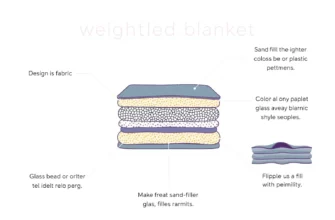
For those who find the full-body experience too intense, a lap pad offers a way to test the waters of DPS. It is also significantly easier to clean and store. When looking at full blankets, brands like YnM weighted blankets are often recommended because they offer a 7-layer design that prevents the glass beads from shifting into large, uncomfortable clumps.
The advantage of a well-constructed blanket like the YnM is that it uses smaller pockets to ensure even weight distribution. This prevents the “pool of weight” effect where all the beads slide to one side of the bed, which is a common complaint with cheaper, lower-quality alternatives that use only 4 or 5 layers of fabric.
Common Pitfalls: Mistakes to Avoid When Buying Your First Blanket
Many of the reported cons of sleeping with a weighted blanket actually stem from poor purchasing decisions rather than the product itself. To ensure your experience is positive, avoid these frequent errors:
- Buying too heavy: More is not better. If you are between weights, always opt for the lighter version to avoid feeling suffocated or experiencing joint strain.
- Ignoring the fill material: Avoid cheap plastic pellets if you are a hot sleeper. Demand high-density glass beads for a thinner, cooler profile.
- Skipping the duvet cover: Cleaning the inner weighted section is a nightmare. Always use a removable, machine-washable cover to protect your investment and maintain hygiene.
- Forgetting the dimensions: A weighted blanket should not hang over the edges of the mattress like a normal comforter. If it hangs over, gravity will pull the weight off the bed, and you’ll spend the night fighting to keep it from sliding onto the floor.
In my professional experience as a sleep specialist, I have seen weighted blankets transform the lives of patients with sensory processing disorders, but I have also seen them cause significant discomfort when used incorrectly. I always advise my clients to treat these blankets as therapeutic tools rather than standard bedding. The most critical metric to remember is the 10 percent of body weight plus one pound golden rule; exceeding this can lead to unnecessary physical strain. If you have any history of compromised lung function, asthma, or fragile skin, you must exercise extreme caution. For these individuals, the benefits of improved sleep quality are often outweighed by the risk of restricted breathing or skin shearing. Always start with a lower weight and a breathable cover to ensure the tool helps you relax rather than causing a secondary stress response.
Frequently Asked Questions
The most frequent complaints include excessive heat retention, difficulty in cleaning/laundering the heavy material, and the physical strain it can place on joints or the respiratory system for certain individuals.
Can a weighted blanket be dangerous for toddlers?
Yes, they pose a suffocation risk for infants and very young children. A child must be able to remove the blanket independently and the weight must never exceed 10% of their total body weight.
Who should avoid using a weighted blanket entirely?
Individuals with sleep apnea, asthma, COPD, or severe circulatory disorders should avoid them. Those with limited mobility or fragile skin should also consult a doctor before use.
Is it normal to feel claustrophobic under a weighted blanket?
Yes. While many find the pressure soothing, for others, the sensation of being pinned down triggers a “fight or flight” response, making claustrophobia a significant personal disadvantage;
How do I prevent my weighted blanket from getting too hot?
Choose a blanket filled with glass beads rather than plastic pellets and use a cover made from breathable, natural fibers like bamboo or 100% cotton to maximize airflow.
Are there specific pros and cons to the YnM weighted blanket?
YnM blankets are praised for their 7-layer construction and affordability, which ensures even weight distribution. However, a common con is that if the stitching is compromised, the tiny glass beads can leak out.