- Why Your Next Recovery Tool Should Be a Metal Cold Plunge Tub
- The Longevity of Stainless Steel vs. Traditional Plastics
- Choosing Your Aesthetic: Wooden Cold Plunge Tubs vs. Modern Metal
- Red Cedar and Stainless Steel: The Best of Both Worlds
- The Tech Behind the Chill: 2HP Chillers and Electric Modules
- Safety First: Why a Grounded Cold Plunge Tub Matters
- Powerful Cooling for Large Volume Tubs
- Spatial Solutions: From Bathrooms to Urban Balconies
- Fitting a Cold Plunge into a Standard Bathroom
- Building vs. Buying: Is a DIY Cold Plunge Tub Right for You?
- The Blueprint for a Budget-Friendly Outdoor Setup
- Maintaining Purity: Antimicrobial Surfaces and Insulation
- Keeping Your Water Crystal Clear with Minimal Effort
- Frequently Asked Questions
Why Your Next Recovery Tool Should Be a Metal Cold Plunge Tub
Choosing the right vessel for cold water immersion is a decision that impacts your recovery efficiency for years. While plastic stock tanks and inflatable pods have flooded the market, serious practitioners are increasingly turning to metal for its uncompromising durability and thermal characteristics. Metal, specifically high-grade stainless steel, offers a level of structural integrity that simply cannot be matched by polymer-based alternatives.
The primary advantage of a metal setup lies in its thermal conductivity and “cold-soak” potential. Unlike plastic, which acts as a mild insulator but can become brittle over time, metal provides a dense, non-porous surface that maintains a consistent temperature across the entire internal area. This ensures that the water remains at your target temperature with less strain on your cooling unit, providing a professional-grade experience in a residential setting.
Beyond the physics of cooling, the aesthetic of a sleek metal tub transforms a recovery area into a dedicated wellness sanctuary. Whether you are aiming for an industrial look or a high-end spa vibe, metal provides a clean, modern foundation. It doesn’t stain, it doesn’t hold odors, and it reflects a commitment to long-term health rather than a temporary fitness trend.
The Longevity of Stainless Steel vs. Traditional Plastics
When you invest in a heavy duty cold plunge tub, you are essentially buying a lifetime piece of equipment. Plastic tubs, even those made from high-density polyethylene, are susceptible to UV degradation when placed outdoors. Over several seasons, the sun’s rays break down the chemical bonds in the plastic, leading to micro-cracks and eventual structural failure. Stainless steel, however, is virtually immune to UV damage, making it the superior choice for outdoor installations.
Hygiene is another critical factor where metal outperforms porous materials. Bacteria and biofilm find it difficult to adhere to the smooth, electropolished surface of a 2075mm stainless cold plunge tub. This means you spend less time scrubbing and more time recovering. In a moist environment, the ability to quickly wipe down a surface and achieve near-surgical levels of cleanliness is a massive advantage for any home user concerned about skin health and water purity.
From a mechanical perspective, metal tubs handle the weight of water more reliably. A large tub can hold over 100 gallons, weighing upwards of 800 pounds. Metal walls won’t “bow” or lose their shape under this pressure over time. By choosing metal, you eliminate the risk of the catastrophic leaks that often plague cheaper, flexible alternatives, ensuring your flooring and surrounding equipment remain protected from water damage.
Choosing Your Aesthetic: Wooden Cold Plunge Tubs vs. Modern Metal
The debate between the rustic charm of wood and the sterile efficiency of metal often comes down to the environment where the tub will live. If your recovery room features organic textures and earth tones, a wooden exterior provides a warmth that metal lacks. However, if you are building a high-tech biohacking lab in your garage or basement, the industrial sheen of stainless steel or a matte black finish is often more appropriate.
It is important to recognize that “wood” in the context of cold plunges usually refers to the exterior cladding. The best systems on the market utilize a hybrid approach, combining the visual appeal of timber with the functional superiority of a metal liner. This prevents the wood from being constantly saturated, which can lead to rot, mold, and the eventual warping of the frame, especially in humid indoor environments.
| Feature | Stainless Steel / Metal | Red Cedar / Solid Wood |
|---|---|---|
| Durability | Virtually indestructible; resists all weather. | Requires oiling; prone to weathering if neglected. |
| Hygiene | Non-porous; naturally antimicrobial. | Porous; can harbor bacteria if not lined. |
| Insulation | High conductivity; requires external foam. | Natural insulation properties; stays cool longer. |
| Maintenance | Low; simple wipe-down required. | High; needs seasonal sealing and cleaning. |
| Aesthetic | Modern, Industrial, Professional. | Rustic, Traditional, Spa-like. |
Red Cedar and Stainless Steel: The Best of Both Worlds
For those who refuse to compromise, the hybrid 2hp red cedar cold plunge tub represents the pinnacle of home recovery design. These units feature a high-grade stainless steel interior tank encased in a beautiful Western Red Cedar frame. This combination allows you to enjoy the natural aromatic benefits of cedar while benefiting from the hygienic and leak-proof nature of a metal core. It is the ultimate solution for a luxury backyard setup.
Even for those starting with an entry-level solid wood cold plunge tub, the focus should remain on the internal seal. If you are going for a full-wood build, ensure the wood is tight-grained and high in natural oils to resist decay. However, most experts agree that for long-term peace of mind, a metal-lined wooden tub is the most sustainable investment. It offers the structural rigidity required for high-volume use while maintaining a soft, inviting exterior that complements home landscapes.
The choice between white, black, or natural metal finishes also plays a role in heat absorption. If your tub is placed in direct sunlight, a brushed stainless or white finish will stay cooler to the touch than a black powder-coated unit. While the chiller does the heavy lifting, reducing the heat load on the exterior surface can improve the overall efficiency of your system and extend the life of the cooling motor.
The Tech Behind the Chill: 2HP Chillers and Electric Modules
To achieve a true therapeutic temperature—typically between 39°F and 45°F—a powerful chiller is non-negotiable. While some entry-level units use 0.5hp or 1hp motors, a 2hp chiller is the gold standard for large-volume tubs or those located in warmer climates. These powerful machines move heat out of the water at an incredible rate, allowing for back-to-back sessions among multiple family members or athletes without a significant rise in water temperature.
Electric modules are the brains of the operation, managing filtration, ozone generation, and temperature regulation. A high-quality module will feature a digital interface that allows you to set your schedule, ensuring the water is “ice-cold” the moment you wake up. This automation is what separates a professional home setup from a “DIY bucket of ice” approach. It removes the friction from your daily routine, making it much easier to stay consistent with your cold therapy practice.
Safety First: Why a Grounded Cold Plunge Tub Matters
Water and electricity are a dangerous combination, which is why the electrical integration of your grounded cold plunge tub is the most important safety consideration. Every electric component must be connected to a Class A Ground Fault Circuit Interrupter (GFCI). This device is designed to shut off power in as little as 1/25th of a second if it detects a leak of current, preventing accidental electrocution.
When installing a cold plunge tub electric system, ensure that the chiller and pump are properly bonded to the tub frame if it is made of metal. This creates an equipotential plane, meaning all metal parts have the same electrical potential, further reducing risk. Never use a standard extension cord for a 2hp chiller; these units draw significant amperage and require a dedicated, heavy-gauge outdoor-rated circuit to operate safely and efficiently without overheating the wires.
Powerful Cooling for Large Volume Tubs
The volume of water in your tub dictates the cooling power required. A 2075mm stainless tank holds significantly more water than a compact 840mm unit, meaning a 2hp cold plunge tub motor is often necessary to pull the temperature down within a reasonable timeframe. For a large tub, a 2hp motor can drop the temperature by 10 to 12 degrees Fahrenheit per hour, whereas a smaller motor might struggle to keep up with the ambient heat load on a summer day.
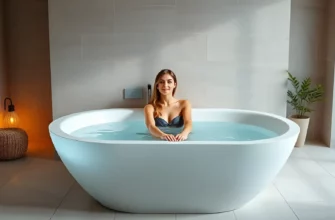
If you are looking for a cold plunge machine for bathtub use, be aware that standard indoor tubs lack the insulation of dedicated units. An external chiller can be plumbed into a standard tub using a bypass kit, but you will find the motor runs much more frequently to combat the heat transfer through the thin acrylic walls. For the best performance, insulating the underside of the bathtub with spray foam can drastically reduce the workload on your chiller and lower your monthly electricity bill.
Spatial Solutions: From Bathrooms to Urban Balconies
One of the biggest hurdles for home cold therapy is finding the physical space for a tub. While a dedicated recovery room is the dream, many users have to get creative with bathroom corners or urban balconies. Metal tubs are particularly well-suited for these tight spaces because they can be manufactured in “upright” or “barrel” styles that minimize the footprint while still allowing for full submersions of the torso.
When planning your space, you must account for more than just the dimensions of the tub. You need clearance for the chiller unit, which requires at least 12 to 18 inches of open space on all sides for proper airflow and heat dissipation. Placing a chiller in a cramped closet without ventilation will cause it to overheat and fail prematurely. Additionally, you must consider the drainage path; a 100-gallon tub needs a clear route to a floor drain or an outdoor area when it’s time for a water change.
- Do: Verify the load-bearing capacity of your balcony. Water weighs approximately 8.34 lbs per gallon.
- Do: Use a thick rubber stall mat under the tub to dampen vibration and protect the floor.
- Don’t: Place a chiller directly against a wall; it needs to “breathe” to move heat effectively.
- Don’t: Forget to measure the width of your doorways. A 2075mm tub will not fit through a standard 30-inch door.
- Do: Ensure there is a dedicated 20-amp outlet within reach of the chiller cord.
- Don’t: Install the tub on a surface that can be damaged by occasional splashing or condensation.
Fitting a Cold Plunge into a Standard Bathroom
For apartment dwellers, a compact home cold plunge tub with a diameter of roughly 840mm is often the only viable option. These vertical designs allow you to sit in a crouched position, which is actually preferred by some for its ability to compress the “brown fat” areas around the shoulders and neck. When installing a cold plunge tub for bathroom use, always check the floor joist direction if you are not on a concrete slab, as the concentrated weight can be significant.
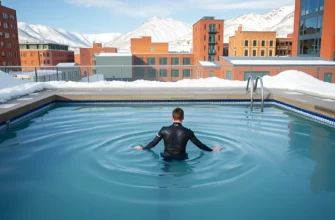
A home cold plunge tub for balcony use requires even more scrutiny. Most modern balconies are rated for a “live load” of 40-60 pounds per square foot. A full cold plunge can easily exceed 150 pounds per square foot. To mitigate this, position the tub as close to the structural supports or building wall as possible, rather than in the center of the balcony span. Always consult with a structural engineer if you are unsure about the weight limits of your specific building.
Building vs. Buying: Is a DIY Cold Plunge Tub Right for You?
The DIY route is tempting for those who are handy with a wrench and looking to save money. A custom cold plunge tub can be built for a fraction of the cost of a high-end Kohler or specialized metal unit. However, the “hidden costs” of DIY often include leaks, poor insulation, and the lack of integrated filtration. A prefab unit comes with a warranty and a plug-and-play design that ensures you spend your time plunging rather than troubleshooting plumbing leaks.
If you choose to build cold plunge tub systems yourself, the most common starting point is a galvanized steel stock tank. While these are affordable, they are not designed for long-term water storage at near-freezing temperatures. You will need to seal the interior with a pond liner or food-grade epoxy to prevent the zinc coating from leaching into the water. In contrast, a professional stainless steel unit is inherently corrosion-resistant and requires no secondary liners.
- Select your vessel: Choose a 100-150 gallon stock tank or a custom-welded stainless basin.
- Insulate the exterior: Wrap the tank in 2-inch thick closed-cell foam to prevent sweat and maintain temperature.
- Install bulkhead fittings: Drill holes for the inlet and outlet, ensuring you use high-quality marine sealant on all gaskets.
- Connect the chiller: Use reinforced PVC tubing to connect the tub to a 0.5hp or 1hp chiller unit.
- Add filtration: Integrate an inline sediment filter and a small circulation pump to keep water moving.
- Seal the lid: Construct a heavy-duty insulated lid to prevent the “chimney effect” where cold air escapes the top.
The Blueprint for a Budget-Friendly Outdoor Setup
For those on a strict budget, a cheap cold plunge tub diy project usually involves a “chest freezer conversion.” While popular, this method carries significant electrical risks and often lacks proper filtration. A better budget approach is to find a used stainless steel vat and pair it with a specialized aquarium chiller. This allows for better hygiene and a safer electrical footprint than a repurposed kitchen appliance.
When building an outdoor setup, the environment is your biggest enemy. Ensure your chiller engine is protected by a weather-proof housing that still allows for airflow. If the chiller is exposed to direct rain or snow, the internal electronics will corrode within a single season. Elevating the chiller on a small platform can prevent it from sitting in standing water during heavy storms, significantly extending the lifespan of the cooling fans and compressor.
Maintaining Purity: Antimicrobial Surfaces and Insulation
Water maintenance is the most overlooked aspect of home cold plunging. Without proper care, your tub can quickly become a breeding ground for bacteria. This is where the choice of material becomes a functional advantage. An antimicrobial cold plunge tub made of stainless steel or copper naturally inhibits the growth of biofilm. While you still need a filtration system, the surface of the metal works with you to keep the water clear and safe.
Thermal insulation for cold plunge tub setups is equally vital for purity. When a tub is poorly insulated, it “sweats,” creating condensation on the exterior. This moisture can lead to mold growth in the surrounding area, especially if the tub is located indoors. Proper R-value insulation on the tank walls not only saves electricity but also keeps the surrounding environment dry and healthy, reducing the overall maintenance burden of the system.
- Weekly: Test water chemistry and adjust pH if necessary to prevent skin irritation.
- Monthly: Clean the sediment filter to ensure the chiller maintains maximum flow rate.
- Quarterly: Drain the tub and wipe down the metal interior with a mild citric acid solution to remove mineral buildup.
- Every 6 Months: Inspect all GFCI plugs and electrical connections for signs of wear or heat damage.
- Always: Keep the thermal cover on when the tub is not in use to block UV rays and debris.
Keeping Your Water Crystal Clear with Minimal Effort
The most efficient way to maintain a low maintenance home cold plunge tub is to combine mechanical filtration with ozone or UV-C sterilization. Ozone is a powerful oxidizer that kills viruses and bacteria on contact without the need for heavy chlorine or bromine. This is particularly important for cold plunges, as traditional pool chemicals can be harsh on the skin when used in such a small, concentrated volume of water.
A high-quality thermal cover is your first line of defense against contamination. By blocking out light, you prevent the growth of algae, which requires photosynthesis to thrive. Furthermore, a well-fitted, insulated cover can reduce energy consumption by up to 40% by preventing “thermal creep” from the ambient air. In the world of cold therapy, an ounce of prevention in the form of a good lid is worth a gallon of water treatment chemicals later on.
In my professional experience designing recovery rooms for high-performance athletes, I have found that the transition to stainless steel is the single most important upgrade a facility can make. Many high-end spas use metal because it doesn’t harbor bacteria like porous materials such as acrylic or wood liners. From a technical standpoint, the thermal stability of a metal tank is vastly superior; it acts as a “cold battery” that holds its temperature during back-to-back sessions. I always advise my clients to prioritize the gauge of the steel and the quality of the TIG welds over flashy digital features. A well-built metal tub is a legacy purchase that will still be functional twenty years from now, whereas plastic units are almost always destined for a landfill within five.
Frequently Asked Questions
Metal tubs offer superior durability, are naturally antimicrobial, and do not degrade under UV light. They also provide better thermal conductivity, which helps maintain a consistent temperature throughout the water column.
Can I install a cold plunge machine on my existing bathtub?
Yes, you can use an external chiller with a standard bathtub using a bypass kit, but it is less efficient. Standard tubs lack insulation, meaning the chiller will have to work significantly harder to maintain temperatures below 50°F.
How much does it cost to build a DIY cold plunge tub?
A basic DIY setup using a stock tank and a small chiller can cost between $800 and $1,500. This is significantly cheaper than premium prefab units like Kohler, which can exceed $10,000, but requires more maintenance and assembly.
Is a 2hp chiller necessary for a home cold plunge?
A 2hp chiller is high-powered and ideal for large tubs or outdoor settings in hot climates. For a small indoor tub, a 0.5hp or 1hp unit is usually sufficient, but 2hp provides much faster initial cooling and better recovery between users.
How do I ensure my outdoor cold plunge tub is safe from electrical issues?
Always use a dedicated GFCI-protected outlet and ensure the tub and chiller are properly grounded. Never use unrated extension cords, and keep the chiller in a ventilated, weather-proof enclosure to prevent water ingress into the electronics.
What is the best size for a compact home cold plunge?
An 840mm diameter vertical tub is the best choice for compact spaces. It allows for full immersion in a seated position while occupying a minimal footprint, making it ideal for balconies and small bathrooms.