- Why the Weighted Blanket UK Market is Leading the Sleep Revolution
- Understanding Deep Pressure Stimulation for Anxiety
- The Comprehensive Weighted Blanket Buying Guide: Sizing and Weight
- Calculating the Correct Weight for Maximum Comfort
- What’s Inside? Glass Beads vs. Poly Pellets and Other Fillers
- Sourcing Quality Materials for DIY Weighted Blankets
- Global Availability: Navigating Retailers in the USA, Canada, and Australia
- Top Retailers for Weighted Blankets in North America and Oceania
- Therapeutic Applications: Aged Care, Veterans, and Medical Use
- Improving Quality of Life for Seniors and Veterans
- Crucial Safety Guidelines: Babies and Small Children
- Age Limits and Suffocation Risks to Avoid
- Expert Perspective: The Science of Choosing the Right Load
- Frequently Asked Questions
Why the Weighted Blanket UK Market is Leading the Sleep Revolution
The British sleep landscape has shifted dramatically over the last five years, moving away from traditional high-tog duvets toward scientifically-backed therapeutic bedding. This surge in interest correlates directly with a growing national conversation around mental health, anxiety management, and the physiological requirements for restorative rest. Many UK households now view these heavy blankets not just as luxury items, but as essential tools for self-care and sensory regulation.
While the market in the United Kingdom is robust, it often mirrors and adapts innovations seen in the USA and Canada. British consumers are increasingly demanding high-quality materials, such as organic cotton and high-density fillers, to match the standards set by global pioneers. This evolution has turned a niche occupational therapy tool into a mainstream household staple found in bedrooms from London to Edinburgh.
Understanding Deep Pressure Stimulation for Anxiety
The core mechanism behind a weighted anxiety blanket is a therapeutic technique known as deep pressure stimulation (DPS). This process involves applying firm, gentle pressure across the body, which encourages the nervous system to switch from a “fight or flight” state to a “rest and digest” state. When the body feels this distributed weight, it triggers the brain to release neurotransmitters like serotonin and dopamine, which are naturally calming chemicals.
This biological response mimics the sensation of a firm hug or swaddling, which provides a profound sense of security for those experiencing sensory overload. Beyond just feeling “snug,” the pressure helps to lower cortisol levels—the hormone responsible for stress—while simultaneously boosting melatonin production. For individuals with sensory processing disorder or general insomnia, this tactile input serves as a grounding mechanism that reduces physical restlessness and racing thoughts before sleep;
The Comprehensive Weighted Blanket Buying Guide: Sizing and Weight
Choosing the wrong weight is the most common reason users find weighted blankets uncomfortable or ineffective. A blanket that is too light fails to trigger the necessary physiological response, while one that is too heavy can feel restrictive or even cause joint discomfort. It is vital to view this purchase as a personalized medical-grade tool rather than a standard piece of bedding where “bigger is better” usually applies.
Standard retail options typically range from 2kg for children to 12kg for large adults, but the sweet spot for most users lies in the middle of this spectrum. When shopping for a double weighted blanket, remember that the weight is distributed over a larger surface area; therefore, you may need a slightly heavier model than you would for a single bed to achieve the same pressure density on your body.
| User Body Weight | Recommended Blanket Weight | Best Use Case |
|---|---|---|
| 20kg ⎯ 35kg | 2.2kg ― 3kg | School-aged children with sensory needs |
| 50kg ⎯ 70kg | 5kg ― 7kg | Average-sized adults or teenagers |
| 75kg ― 95kg | 8kg ⎯ 10kg | Larger adults or those seeking intense pressure |
| 100kg+ | 11kg ⎯ 13kg | Specialized therapeutic use or shared double blankets |
Calculating the Correct Weight for Maximum Comfort
The industry standard for selecting the weighted blanket correct weight is approximately 10% of your total body weight plus one or two pounds. This formula ensures that the pressure is significant enough to be therapeutic without being cumbersome. If you fall between two sizes, most occupational therapists recommend opting for the lighter version first, especially if you have respiratory issues or physical mobility constraints.
For children size weighted blankets, strict adherence to the weight ratio is even more critical for safety. Never purchase an adult-sized blanket for a child, as they may lack the physical strength to move the blanket off their face or chest in the middle of the night. Individual preference also plays a role; some users prefer a “gentle hug” (7-8% of body weight), while others require a “firm hold” (12-15% of body weight) to achieve the desired calming effect.
What’s Inside? Glass Beads vs. Poly Pellets and Other Fillers
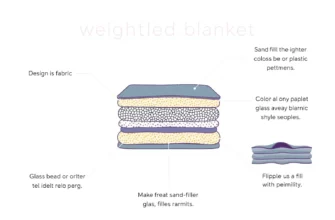
The internal filling determines how the blanket drapes over your body, how much noise it makes, and how well it regulates temperature. Early models often used plastic poly pellets, which are affordable but can be bulky and hold significant heat. Modern high-end blankets have transitioned toward micro-glass beads, which offer a much smoother texture and better thermal conductivity for a cooler night’s sleep.
Sourcing the right materials is also a major concern for the DIY community. Whether you are in the UK or Australia, finding high-quality weighted blanket filler options cheap requires looking at specialized craft suppliers rather than general textile shops. The choice of cover material—such as breathable bamboo, cooling cotton, or plush minky fabric—further dictates the sensory experience and ease of maintenance.
| Feature | Glass Micro-Beads | Plastic Poly Pellets |
|---|---|---|
| Texture | Smooth, like fine sand | Pebble-like and slightly bumpy |
| Noise Level | Virtually silent during movement | Noticeable rustling sound |
| Heat Retention | Low; stays cool through the night | Higher; can lead to night sweats |
| Eco-Friendliness | Sustainable and hypoallergenic | Synthetic and non-biodegradable |
Sourcing Quality Materials for DIY Weighted Blankets
If you are looking to create a custom solution, finding poly pellets for weighted blankets in the UK or specialized outlets in Melbourne is the first step. DIY enthusiasts often prefer pellets because they are easier to sew into individual pockets without leaking. However, for a professional-grade finish, using high-density glass beads is superior because they take up less volume, allowing for a thinner, more discreet blanket that looks like a standard duvet.
Temperature regulation is the second most important factor in material selection. Glass beads are naturally better at dispersing body heat, making them the preferred choice for those who “run hot” at night. If you choose plastic pellets, ensure they are BPA-free and non-toxic, as the heat from your body can sometimes cause lower-quality plastics to emit a faint chemical odor over time.
Global Availability: Navigating Retailers in the USA, Canada, and Australia
The availability of these products varies significantly by region, with North America currently offering the widest variety of specialized brands. In the USA, major retailers like Target and Costco have made weighted blankets highly accessible, often stocking them in the bedding aisle alongside standard comforters. In Canada, the market is dominated by innovative brands like Hush and Gravid, which focus on “iced” technology for summer use.
The Oceania market is catching up quickly. A weighted blanket at Target Australia or Big W is now a common sight, though the weight ranges might be more limited than those found in specialty online stores. Understanding regional naming variations is key; for instance, what is called a “gravity blanket” in the US might be marketed as a “calming cover” in New Zealand, despite using the same internal technology.
Top Retailers for Weighted Blankets in North America and Oceania
When shopping for a weighted blanket in Canada, consumers often look for heavy-duty construction that can withstand both harsh winters and humid summers. Brands like Hush have gained a massive following by offering dual-sided covers—one side for warmth and the other for cooling. Meanwhile, in the Australian market, the focus is heavily on breathability due to the warmer climate, leading to a rise in “knitted” weighted blankets that don’t use fillers at all, relying instead on heavy layers of cotton yarn.
Retailers like Target Australia offer a reliable weighted blanket range for entry-level users, but for those with specific medical needs, specialized Australian brands often provide better weight distribution. In the United States, CVS and other pharmacies have started carrying smaller “lap pads,” which are weighted versions designed for use while working at a desk or traveling, proving that the demand for deep pressure extends far beyond the bedroom.
Therapeutic Applications: Aged Care, Veterans, and Medical Use
Weighted blankets are increasingly recognized as legitimate therapeutic interventions in clinical settings. In aged care facilities, these blankets are used to reduce “sundowning” symptoms in patients with dementia, providing a non-pharmacological way to soothe agitation and restlessness. The gentle pressure helps seniors feel grounded, reducing the tendency to wander or become distressed during evening hours.
For veterans living with PTSD, the benefits are equally profound. The sensation of being “held” can mitigate the hyper-arousal and night terrors often associated with post-traumatic stress. By providing a physical boundary, the blanket helps the user feel protected, which can drastically improve sleep latency—the time it takes to fall asleep—and reduce the frequency of mid-night awakenings.
- Aged Care Benefits: Reduces evening agitation and improves sleep duration for dementia patients.
- Veteran Support: Assists in managing PTSD-related hyper-vigilance and night terrors.
- Medical Supply Access: Many therapeutic blankets can be sourced through NDIS in Australia or specialized medical insurers.
- Anxiety Management: Provides a “grounding” effect that lowers heart rate during panic attacks.
Improving Quality of Life for Seniors and Veterans
In my research into specialized care, I have seen how a weighted blanket in aged care environments can act as a substitute for sedative medications in some mild cases of insomnia. It is important to ensure the senior has enough upper-body strength to adjust the blanket independently to prevent any feelings of entrapment. For veterans, the psychological benefit of a “safe space” created by the weight cannot be overstated; it provides a tactile reminder of safety when the brain is stuck in a loop of past trauma.
When looking for a weighted blanket through medical supply channels, it is often possible to have the cost covered if it is prescribed by an occupational therapist. This is particularly common in the UK and Australia, where government-funded schemes recognize sensory bedding as a valid tool for disability support. Always check if the product is classified as a Grade 1 Medical Device to ensure it meets the highest safety and construction standards.
Crucial Safety Guidelines: Babies and Small Children
While weighted blankets are transformative for many, they pose a significant risk if used incorrectly. Weighted blankets are strictly prohibited for infants and babies. There have been documented cases where the weight of the blanket prevented a baby from breathing or rolling over, leading to fatal consequences. Safety must always take precedence over the desire for better sleep.
For older children, supervision and appropriate sizing are mandatory. A child must be able to remove the blanket by themselves without any assistance. If a child is physically unable to push the blanket off their chest, it is too heavy and potentially dangerous. Always consult with a pediatrician or occupational therapist before introducing weighted bedding to a child’s sleep routine.
- Never use on infants: Risk of SIDS and suffocation is extremely high.
- Check for mobility: The user must be able to move the blanket independently.
- Avoid neck coverage: The blanket should never be pulled up over the head or neck.
- Monitor condition: Regularly check for leaking beads, as these are a choking hazard.
Age Limits and Suffocation Risks to Avoid
The general consensus among safety experts is that weighted blankets should not be used for children under the age of four or those weighing less than 20kg. At these ages, the risk of suffocation is not just about the weight on the chest; it is about the child’s ability to clear their airway if the blanket bunches up near their face. For school-aged children, a children size weighted blanket should be specifically engineered with smaller pockets to prevent the beads from shifting and creating a “dead weight” effect.
When selecting a blanket for a child, prioritize safety first by choosing a model with a removable, washable cover. Children are prone to spills and accidents, and keeping the inner weighted section clean can be difficult. Ensure the zippers are tucked away in fabric “garages” to prevent scratching or accidental ingestion of small parts. If your child has underlying respiratory or cardiac issues, a weighted blanket may be contraindicated entirely.
Expert Perspective: The Science of Choosing the Right Load
In my professional experience as a sleep consultant, I have found that consumers often make the mistake of assuming more weight equals more relaxation. This is a fallacy; once you surpass the 12% body weight threshold, the benefits of deep pressure stimulation plateau, and the risks of localized pressure points increase. I always advise my clients to look for high-density glass beads rather than cheaper fillers. These beads are much smaller, which allows the blanket to contour to the unique curves of your body. This contouring is what prevents “bunching”—a common issue where the weight slides to the edges of the blanket, leaving the center empty and ineffective. A well-distributed load is far more important than the total number of kilograms on the scale.
Frequently Asked Questions
The standard UK guideline for adults is 10% of your total body weight. For example, an adult weighing 70kg should opt for a 7kg blanket to achieve optimal therapeutic results.
Can I use a weighted blanket for a baby to help them sleep?
No, you should never use a weighted blanket for a baby. They pose a severe suffocation and SIDS risk as infants lack the strength to move the weight if it covers their face.
Are glass beads better than poly pellets for anxiety?
Generally, yes. Glass beads are smaller, quieter, and thinner than poly pellets. They provide a more “fluid” feel and don’t trap as much heat, making them better for sensory sensitivity;
Where can I buy a weighted blanket in Australia or New Zealand?
Shoppers can find reliable options at Target Australia, Big W, and Adairs. For specialized needs, New Zealand brands like Therapy Blanket offer premium shipping across the region.
How do I wash a weighted blanket with glass beads?
Most home washing machines have a weight limit; always check your machine’s capacity before washing a 7kg+ blanket. Using a removable duvet cover is highly recommended to minimize the need for washing the weighted inner.
Are weighted blankets covered by medical insurance or veteran benefits?
In many regions, including the UK and Australia, weighted blankets can be funded through schemes like the NDIS or veteran support programs if prescribed by a healthcare professional as a medical necessity.