- Expert Weighted Blanket Recommendations for Better Sleep
- Why Precision Matters in Weighted Blanket Selection
- Calculating the Ideal Heaviness: The 10% Rule of Thumb and Beyond
- At What Point Is a Weighted Blanket Too Heavy?
- Mastering the Adjustment Period: A Wearing Schedule for New Users
- Which Side Up? Proper Placement and Use Instructions
- Glass Beads vs. Plastic Pellets: Choosing the Right Fill
- Material Requirements for Sensory Sensitivity
- Specific Use Cases: Bed Wetting‚ Anxiety‚ and Exercises
- The Dependency Debate: Can You Use It Too Much?
- Navigating International Standards: UK and Australia Guidelines
- Retail vs. Therapeutic: Evaluating the Threshold Weighted Blanket
- Frequently Asked Questions
Expert Weighted Blanket Recommendations for Better Sleep
Deep pressure stimulation is the physiological foundation of weighted bedding. By applying gentle‚ even pressure across the body‚ these blankets mimic the sensation of being hugged or swaddled‚ which signals the nervous system to shift from a state of high alert to one of recovery. While many people view them as a luxury item‚ the therapeutic application of weight is a precise science that requires careful selection to avoid physical strain.
The goal is to find a weight that provides enough resistance to trigger a calming response without restricting your natural movement during the night. Achieving this balance involves more than just picking a heavy blanket; it requires understanding how your unique body composition and sensory needs interact with different filling materials. When used correctly‚ a weighted blanket becomes a powerful tool in your sleep hygiene kit‚ helping to quiet the mind and settle the body for restorative rest.
Why Precision Matters in Weighted Blanket Selection
The science of Deep Pressure Touch (DPT) relies on the activation of tactile and pressure receptors located throughout the skin and muscles. When these receptors are stimulated‚ they send signals to the brain to decrease cortisol—the primary stress hormone—while simultaneously boosting the production of serotonin. This chemical shift is what creates the “calming effect” often reported by users with anxiety or sensory processing disorders.
Precision is vital because the human nervous system has a specific threshold for sensory input. If the blanket is too light‚ the proprioceptive input—the body’s ability to sense its position in space—will not be sufficient to trigger the parasympathetic nervous system. Conversely‚ if the weight is excessive‚ the body may perceive the pressure as a threat or a physical burden‚ leading to an increase in heart rate rather than the intended relaxation. This is why weighted blanket statistics often show a wide range of satisfaction; the outcomes are tied directly to how well the weight matches the individual’s physiology.
Individualized needs must always override a one-size-fits-all approach; For instance‚ a person with high muscle density may require a slightly heavier blanket than someone with a smaller frame‚ even if they share the same total body weight. Furthermore‚ those using the blanket for specific therapeutic reasons‚ such as managing a sensory processing disorder‚ may have a higher tolerance for pressure than a casual user looking for better sleep. Understanding these nuances ensures that your weighted blanket usage remains a benefit rather than a source of discomfort.
Calculating the Ideal Heaviness: The 10% Rule of Thumb and Beyond
The most widely accepted starting point for choosing a blanket is the 10% rule. This guideline suggests that the blanket should weigh approximately 10% of your total body weight‚ plus an additional one or two pounds depending on personal preference. This formula provides a safe baseline that suits the majority of healthy adults‚ ensuring the pressure is therapeutic but not restrictive.
| User Body Weight (lbs) | Recommended Blanket Weight (lbs) | Optimal Weight Range (10% + 1-2 lbs) |
|---|---|---|
| 100 ⏤ 130 lbs | 10 ⏤ 12 lbs | 10 lbs is the standard minimum for adults in this range. |
| 130 ౼ 170 lbs | 15 lbs | 15 lbs is the most popular weight for average-sized adults. |
| 170 ⏤ 210 lbs | 20 lbs | 20 lbs provides deeper pressure for larger frames. |
| 210 ⏤ 250 lbs | 25 lbs | 25 lbs is the typical upper limit for retail blankets. |
While the 10% rule is effective‚ it is not a rigid law. Body type‚ age‚ and physical strength play significant roles in how that weight is perceived. A person who is 6 feet tall and weighs 180 lbs will experience a 20lb blanket differently than someone who is 5 feet tall and weighs 180 lbs. The taller individual has a larger surface area‚ meaning the weight is distributed more thinly across the body‚ which may result in a lighter feel.
At What Point Is a Weighted Blanket Too Heavy?
Determining the upper limits of weighted blanket heaviness is critical for physical safety. A blanket is officially too heavy if it restricts your ability to breathe deeply or makes it difficult for you to change positions independently. If you wake up feeling “trapped” or notice that your limbs feel numb or tingly‚ the pressure is likely compressing your nerves or blood vessels. Always ensure you can remove the blanket without assistance‚ as this is the primary safety check for any user.
The physical limits of the user are often dictated by joint health and respiratory capacity. People with underlying conditions like sleep apnea‚ asthma‚ or chronic obstructive pulmonary disease (COPD) must be extremely cautious. In these cases‚ even a blanket that fits the 10% rule might be too heavy for the chest to expand fully during sleep. It is a common misconception that more weight always equals more calm; in reality‚ exceeding the weighted blanket percentage that your body can comfortably handle can trigger a claustrophobic response‚ which is the exact opposite of the intended therapeutic goal.
Furthermore‚ consider the long-term impact on your joints. If you are a side sleeper‚ a blanket that is too heavy can put excessive pressure on your hips and shoulders‚ leading to soreness the next morning. If you find yourself waking up with joint pain that wasn’t there before‚ it is a clear sign that you need to scale back the weight. The goal is a gentle “hug” sensation‚ not the feeling of being pinned to the mattress.
Mastering the Adjustment Period: A Wearing Schedule for New Users
Introducing a weighted blanket to your sleep routine is not always an immediate success. Your nervous system needs time to acclimate to the constant proprioceptive input. Some users may initially feel overwhelmed by the sensation‚ which is why a gradual weighted blanket adjustment period is highly recommended to ensure long-term success and comfort.
- Day 1-3: Use the blanket for 15 to 30 minutes while relaxing on the couch or bed during the day.
- Day 4-6: Increase usage to 1-2 hours in the evening‚ perhaps while reading or watching television.
- Day 7-10: Use the blanket for the first half of the night‚ switching back to a standard duvet if you wake up feeling restless.
- Day 11-14: Transition to full-night use as your body becomes accustomed to the weight.
Following this schedule prevents the “sensory shock” that some people experience when jumping straight into an 8-hour sleep cycle with a heavy blanket. By slowly introducing the pressure‚ you allow your brain to map the new sensation as “safe” rather than “restrictive‚” which significantly improves the quality of the calming effect over time.
Which Side Up? Proper Placement and Use Instructions
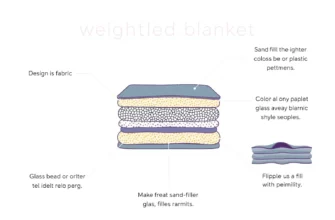
Proper orientation is essential for even weight distribution. Most modern weighted blankets feature a two-part design: an inner weighted layer and an outer decorative cover. When considering which side up to place the blanket‚ look at the construction. If the blanket has one side made of a textured fabric (like minky dots) and the other side is smooth cotton‚ the textured side is usually intended to face the body to provide additional sensory feedback‚ while the smooth side faces up.
Specific weighted blanket use instructions often emphasize that the blanket should only cover the body from the neck down. Never cover your head or face with a weighted blanket‚ as this poses a severe risk of suffocation and CO2 rebreathing. The weight should be centered over your torso and legs. If you find the weight is sliding off the bed‚ it may be because the blanket is too large for the mattress. Ideally‚ a weighted blanket should be smaller than your bed so that the weight remains entirely on top of you rather than hanging over the edges and pulling the blanket onto the floor.
Maintaining structural integrity is also a factor in how you use it. Avoid folding the blanket in half to “double the weight.” This concentrates the pressure into a small area‚ which can damage the internal stitching and lead to bead leakage. It also places an unsafe amount of pressure on your internal organs. Use the blanket flat and unfolded to ensure the weighted blanket amount is distributed exactly as the manufacturer intended.
Glass Beads vs. Plastic Pellets: Choosing the Right Fill
The material inside your blanket determines its profile‚ noise level‚ and heat retention. When shoppers ask whether it is better to have glass beads or not‚ the answer usually depends on their sensitivity to sound and temperature. Glass micro-beads have become the industry gold standard for high-quality blankets because they are much denser than plastic‚ allowing the blanket to be thinner and less bulky while maintaining the same weight.
| Feature | Glass Micro-Beads | Plastic Poly-Pellets |
|---|---|---|
| Weight Density | High; blanket is thin and sleek. | Low; blanket feels bulkier/thicker. |
| Noise Level | Silent; feels like heavy sand. | Noticeable; makes a “rustling” sound. |
| Temperature | Stays cool; glass doesn’t hold heat. | Tends to trap body heat. |
| Eco-Friendliness | Generally more sustainable. | Synthetic plastic-based. |
Plastic pellets are often used in more affordable or DIY blankets. While they are durable and washable‚ they tend to be noisier when you shift positions. For a light sleeper‚ the sound of plastic beads rubbing together can be enough to disrupt a sleep cycle. Glass beads‚ on the other hand‚ are so small they feel almost like a fluid inside the quilted pockets‚ providing a much smoother and more premium experience.
Material Requirements for Sensory Sensitivity
For individuals with heightened sensory sensitivity‚ the outer fabric is just as important as the inner fill. Hypoallergenic options are a must for those with allergies or skin sensitivities. Look for blankets that use Oeko-Tex certified fabrics‚ which ensure no harmful chemicals were used in the production process. Cotton is a classic choice for breathability‚ but many users prefer bamboo-derived fabrics for their moisture-wicking properties‚ especially if they are “hot sleepers.”
Breathability and cooling fabrics are essential because the added weight of the blanket naturally increases the insulation around your body. If the blanket isn’t made from breathable materials‚ the calming effect of the weight can be ruined by the discomfort of overheating. One of the most important weighted blanket tips is to match your cover material to the season: use a plush‚ minky cover for winter and a crisp‚ 300-thread-count cotton or bamboo cover for the summer months. This versatility ensures you can maintain your weighted blanket requirements for sleep all year round.
Specific Use Cases: Bed Wetting‚ Anxiety‚ and Exercises
The relationship between weighted blankets and bed wetting is a topic of increasing interest among parents of children with sensory needs. While a blanket is not a direct cure for enuresis‚ it can play a secondary role. For many children‚ bed wetting is exacerbated by poor sleep quality or high levels of nighttime anxiety. By promoting a deeper‚ more stable sleep‚ a weighted blanket may help the child transition through sleep stages more smoothly‚ potentially improving their ability to wake up when they have a full bladder.
However‚ there is a catch. If the blanket is too heavy‚ a child may find it difficult to move quickly to get to the bathroom. This is why weight selection for children must be extremely conservative‚ often strictly adhering to 10% of their body weight with no added pounds. For adults‚ weighted blankets are frequently used during the day for grounding. Weighted blanket exercises‚ such as draping the blanket over the lap while working or wrapping it around the shoulders during a stressful task‚ can provide immediate sensory feedback that lowers the heart rate and improves focus.
The Dependency Debate: Can You Use It Too Much?
A common concern is whether a weighted blanket creates dependency. From a physiological standpoint‚ the body does not become “addicted” to the weight in the way it might to a chemical sleep aid. However‚ the brain can certainly become habituated to the sensory input. If you find that you absolutely cannot sleep without the blanket‚ you have developed a psychological reliance on that specific sensory cue to trigger your sleep cycle.
To avoid this‚ it is healthy to balance the use of the blanket with other coping mechanisms. Some experts suggest using the blanket for the first few hours of sleep and then pushing it aside‚ or using it only on nights when your anxiety levels are particularly high. This prevents the “yes or no” dilemma of whether you can sleep naturally. The goal is for the blanket to be a tool in your shed‚ not the entire foundation of your ability to rest. If you notice the effectiveness of the blanket wearing off‚ try taking a “sensory break” for 3-4 days to reset your body’s sensitivity to the pressure.
Navigating International Standards: UK and Australia Guidelines
Safety standards for weighted bedding vary significantly across the globe. In the UK‚ health authorities and occupational therapists often emphasize that weighted blankets should never be used for infants or very young children. The weighted blanket guidelines UK professionals provide generally specify that children must be at least three years old and have the physical strength to manipulate the blanket. They also advise against using these blankets for anyone with muscle weakness who cannot move the weight off themselves in an emergency.
Similarly‚ the weighted blanket guidelines Australia follows are focused heavily on preventing accidental suffocation. The Australian Competition and Consumer Commission (ACCC) has issued warnings regarding the use of weighted products for toddlers. They stress that the blanket must be sized specifically to the user’s body‚ not the bed‚ to prevent the child from becoming entangled in excess fabric. Following these international safety standards is non-negotiable for ensuring a risk-free experience.
- Do: Consult an occupational therapist if the user has physical or developmental disabilities.
- Do: Ensure the blanket is small enough that it doesn’t hang over the sides of a child’s bed.
- Don’t: Use a weighted blanket for anyone who cannot remove it independently.
- Don’t: Ever use a weighted blanket for an infant or a child under the age of three.
- Don’t: Use a weighted blanket in combination with other heavy bedding or restrictive sleepwear.
Retail vs. Therapeutic: Evaluating the Threshold Weighted Blanket
As weighted blankets have moved into the mainstream‚ brands like the Threshold weighted blanket have made them accessible at a lower price point. While these retail options are excellent for the general public‚ there are differences between mass-market and medical-grade therapeutic blankets. Retail blankets often come in standard weights (like 12lb‚ 15lb‚ or 20lb)‚ which might not perfectly match the 10% rule for everyone. They also typically use larger quilted squares‚ which can lead to the beads shifting to one side—a phenomenon known as “pooling.”
Medical-grade or therapeutic blankets often feature smaller quilted pockets (usually 4×4 inches or smaller) to ensure the weight never shifts. When reading a weighted blanket claim on a retail label‚ check the construction details. If you have a specific medical condition‚ such as severe autism or chronic pain‚ it may be worth the investment to purchase a therapeutic-grade blanket or consult an occupational therapist who can recommend a specific weight and material tailored to your clinical needs. For the average person looking to improve their sleep‚ a high-quality retail blanket is usually more than sufficient‚ provided you pay attention to the fill material and safety limits.
In my professional experience‚ the most common mistake people make is choosing a blanket that is too heavy because they think “more is better.” I always advise my clients to focus on the quality of the pressure rather than the total poundage. If the weight is not evenly distributed‚ it creates “pressure points” that can actually trigger a fight or flight response. Your body senses the uneven load as a potential pinch or trap‚ which keeps the brain alert instead of allowing it to enter a rest and digest state. I recommend checking for respiratory ease by lying under the blanket for 10 minutes; if you feel you have to work harder to breathe‚ even slightly‚ the blanket is too heavy for your current physical state. Proper distribution should feel like being submerged in a warm bath—total‚ even‚ and effortless support.
Frequently Asked Questions
The standard formula is 10% of your total body weight plus 1-2 pounds. For most adults‚ this results in a blanket weighing between 12 and 20 pounds.
Can a weighted blanket help with bed wetting in children?
While not a direct cure‚ it can help by reducing nighttime anxiety and promoting deeper sleep. However‚ it must be light enough for the child to remove easily to reach the bathroom.
Is it better to have glass beads or plastic pellets in a weighted blanket?
Glass beads are generally superior because they are denser‚ quieter‚ and do not trap as much heat as plastic pellets‚ leading to a more comfortable sleep experience.
How do I know if my weighted blanket is too heavy?
Signs include difficulty moving or rolling over‚ a feeling of being trapped‚ shortness of breath‚ or waking up with unexplained joint pain or numbness.
What is the recommended adjustment period for a new blanket?
It is best to acclimate over 7 to 14 days‚ starting with short periods during the day and gradually increasing to full-night use as your nervous system adapts.
Are there specific guidelines for weighted blankets in Australia or the UK?
Yes‚ health authorities in both regions strictly advise against use for children under 3 years old and emphasize that the user must be able to remove the blanket independently.