- Are cold showers as effective as cold plunges for your recovery?
- The role of surface area and consistent temperature
- The science of immersion: Why a cold plunge is better than a cold shower
- Understanding hydrostatic pressure in recovery
- Cryotherapy vs. cold plunge: Which is better for peak performance?
- Is cryotherapy as good as cold plunge for inflammation?
- Myth vs. Fact: Debunking common cold therapy misconceptions
- Is a cold shower as beneficial as a cold plunge for beginners?
- Building your cold tolerance safely
- How to choose: When to plunge, when to shower, and when to cryo
- Expert Perspective: The Hierarchy of Thermal Stress
- Frequently Asked Questions
Are cold showers as effective as cold plunges for your recovery?
The rise of deliberate cold exposure has transformed morning routines from simple hygiene into a high-stakes pursuit of biological optimization. While the initial shock of a freezing stream of water feels intense, the physiological reality is that a cold shower and a cold plunge are not created equal. To understand the gap between the two, we must look at thermal conductivity—the rate at which your body loses heat to its environment.
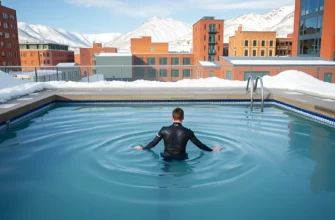
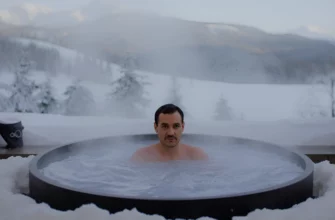
Water conducts heat away from the body roughly 25 times faster than air, but the delivery mechanism matters just as much as the medium. In a shower, the water moves over your skin and down the drain, often leaving “warm spots” or allowing a thin layer of air to provide a buffer. In contrast, immersion creates a total thermal envelope that forces a systemic response. If your goal is maximizing cold exposure for long-term health, you need to recognize that a shower is a gateway, while the plunge is the destination.
The role of surface area and consistent temperature
When you stand under a showerhead, the water hits specific zones—your shoulders, back, or chest—leaving other areas relatively dry or exposed to the ambient air of the bathroom. This lack of uniformity means your core temperature remains relatively stable compared to full immersion. To effectively reduce inflammation, the stimulus needs to be systemic and sustained, which is difficult to achieve when you are constantly rotating under a showerhead to catch the stream.
Furthermore, running water creates what is known as a thermal boundary layer. As the water touches your skin, your body heat warms that microscopic layer of water. In a shower, this layer is constantly being stripped away, which sounds effective, but it lacks the hydrostatic pressure required to drive blood flow deep into the muscle tissue. A cold plunge provides a uniform, 360-degree stimulus that ensures no part of your surface area is spared from the cold shock response, leading to a more profound release of norepinephrine.
The science of immersion: Why a cold plunge is better than a cold shower
The primary differentiator between these two methods is a physical principle often overlooked: hydrostatic pressure. When you submerge your body in a tub, the weight of the water exerts a gentle but significant pressure on your limbs. This pressure assists in lymphatic drainage and helps move metabolic waste products out of the muscle tissue more efficiently than standing in a shower ever could. This is why professional athletes prioritize the tub over the shower for reducing muscle soreness after high-intensity training.
Immersion also triggers a more robust vagus nerve stimulation. The immersion of the face or the chest in cold water activates the mammalian dive reflex, which slows the heart rate and shifts the nervous system from a sympathetic (fight-or-flight) state to a parasympathetic (rest-and-digest) state. While a shower can provide a quick jolt of energy, the plunge offers a deep recalibration of the nervous system that lasts for hours.
| Feature | Cold Shower | Cold Plunge (Immersion) | Cryotherapy (Air) |
|---|---|---|---|
| Typical Temperature | 50°F ౼ 60°F | 38°F ౼ 50°F | -110°F to -250°F |
| Thermal Conductivity | Medium | High (Maximum) | Low |
| Hydrostatic Pressure | None | High | None |
| Primary Benefit | Mental Resilience | Systemic Recovery | Surface Inflammation |
Understanding hydrostatic pressure in recovery
The physical weight of the water in a plunge tub acts like a whole-body compression sleeve. This circulatory benefit is vital for clearing edema and reducing the swelling associated with micro-tears in muscle fibers. Because the water is pressing against your skin from all angles, it forces blood toward the heart and lungs, oxygenating it more rapidly and improving overall systemic circulation once you exit the water.
A cold plunge is perceived as significantly colder than a shower at the same temperature because of the “thermal mass” of the water. In a tub, there is no escape; your body cannot create a warm pocket of air or water to hide in. This total contact cooling ensures that the cold penetrates beyond the skin and into the subcutaneous fat layers, which is necessary to stimulate brown adipose tissue (BAT) for thermogenesis.
Cryotherapy vs. cold plunge: Which is better for peak performance?
The debate between cryotherapy vs cold plunge often comes down to “dry cold” versus “wet cold.” Cryotherapy chambers use liquid nitrogen or electricity to chill the air to extreme sub-zero temperatures. Because air is an insulator, you can withstand -200°F for three minutes, whereas 34°F water would become dangerous in that same timeframe. The dry cold of cryotherapy primarily targets the skin’s cold receptors, triggering a rapid but superficial vasoconstriction.
However, for deep tissue recovery and core temperature manipulation, the cold plunge remains the gold standard. Water’s superior thermal conductivity means it “sucks” the heat out of your muscles much more effectively than air. If you are looking for a quick, convenient boost before a meeting, cryotherapy is excellent. But if you are trying to maximize the recovery window after a marathon or heavy lifting session, the wet cold of a plunge is far more effective at lowering the temperature of the actual muscle tissue.
Is cryotherapy as good as cold plunge for inflammation?
Research suggests that while cryotherapy is excellent for immediate pain relief and skin-level inflammation, it may not reach the deep core cooling required for metabolic changes. The dry cold vs wet cold distinction is critical here: water is a more “aggressive” cooling agent. A 10-minute soak in 50°F water will lower your core temperature more significantly than a 3-minute session in a cryo-chamber.
For those focused on systemic inflammation, the plunge offers a longer duration of exposure. Most people can safely stay in a cold plunge for 5 to 10 minutes (at moderate temperatures), allowing the cold to penetrate the joints and tendons. Cryotherapy is limited by its extreme temperatures; you must exit quickly to avoid frostbite, which limits the total “cold load” your body can process during the session.
Myth vs. Fact: Debunking common cold therapy misconceptions
The world of cold exposure is filled with “bro-science” and exaggerations. To get the most out of your routine, it is essential to separate the physiological reality from the marketing hype. Consistency will always beat intensity when it comes to long-term adaptation.
Myth: You need to sit in 33°F ice water for 20 minutes to see results.
Fact: Research from Dr. Susanna Søberg suggests that just 11 total minutes of cold exposure per week, spread across 2-3 sessions, is enough to trigger significant metabolic and hormonal benefits. Over-exposure can actually lead to “afterdrop,” where your core temperature continues to plummet dangerously after you exit the water.
Myth: Cold showers are a waste of time compared to plunges.
Fact: While the plunge is more “powerful,” a cold shower is an elite tool for mental grit and dopamine regulation. The “cold shock” of the showerhead hitting your skin still triggers a massive release of norepinephrine, which improves focus and mood for the rest of the day.
Is a cold shower as beneficial as a cold plunge for beginners?
If you have never intentionally exposed yourself to freezing temperatures, jumping straight into a 34°F ice bath is a recipe for a panic attack—or worse. The cold shower serves as the perfect training ground. It allows you to practice cold shock management by focusing on your breath while the water hits your skin. This “gateway” method builds the mental infrastructure required to handle the more intense stimulus of a full plunge later on.
For beginner cold exposure, the goal is not to stay in as long as possible, but to remain calm. When you feel that initial gasp reflex, your job is to override it with slow, nasal breathing. This process trains your autonomic nervous system to stay resilient under stress, a skill that translates directly to high-pressure environments in your daily life. Staying safe in cold water means listening to your body; if your skin turns bright white or you start shivering uncontrollably, it is time to get out.
Building your cold tolerance safely
The most effective way to transition is the “30-second finisher.” At the end of your normal warm shower, turn the dial to the coldest setting and stand under the stream for 30 seconds. Focus on keeping your hands and feet in the water, as these areas have high concentrations of arteriovenous anastomoses, which help regulate body temperature. Each week, add 15 seconds until you can comfortably handle three minutes of cold water.
Once you have mastered the shower, the move to a plunge tub will feel less like a shock and more like an evolution. Always enter the plunge tub slowly and avoid diving in headfirst, as the sudden immersion of the face can trigger a dramatic drop in heart rate. By gradually increasing your “cold load,” you ensure that your body adapts by producing more mitochondria and increasing the density of your brown adipose tissue.
How to choose: When to plunge, when to shower, and when to cryo
Choosing the right method depends entirely on your current goals, your budget, and your recovery needs. There is no one-size-fits-all answer, but there is a “best” tool for specific outcomes. Use the following checklist to determine which method fits your lifestyle today.
- Choose a Cold Shower if: You want a low-cost way to boost dopamine, improve mental focus, and build daily discipline with zero setup time.
- Choose a Cold Plunge if: You are an athlete recovering from intense training, looking to maximize metabolic health, or need deep tissue inflammation relief.
- Choose Cryotherapy if: You have a high budget, prefer to stay dry, or need a very quick recovery session without the “heavy” feeling of being wet.
- The Golden Rule: Prioritize the method you can actually stick to. A daily 2-minute cold shower is infinitely better than a once-a-month ice bath.
- Safety Warning: Never perform breathwork (like Wim Hof Method) while inside a plunge tub; always do your breathing exercises on dry land to avoid the risk of passing out in the water.
Expert Perspective: The Hierarchy of Thermal Stress
In my professional experience working with high-performance athletes, I have found that the “best” method is almost always the one the user can perform consistently. While the cold plunge offers superior physiological benefits for inflammation and metabolic health due to immersion and pressure, the cold shower is a highly effective tool for mental resilience and daily nervous system regulation; I always advise my clients to use the shower for mental maintenance and the plunge for physical restoration. If you are just starting, do not feel pressured to buy an expensive tub. The norepinephrine spike you get from a 55°F shower is still significantly higher than your baseline, and it’s more than enough to change your neurochemistry for the better.
Frequently Asked Questions
Yes, cold plunges are generally more effective for weight loss because full immersion causes a faster drop in core temperature, which forces the body to activate brown adipose tissue (BAT) to generate heat through non-shivering thermogenesis.
How long do I need to stay in a cold shower to see benefits?
Aim for 2 to 3 minutes of cold water at the end of your regular shower. This duration is sufficient to trigger a significant release of mood-boosting chemicals like dopamine and norepinephrine.
Is cryotherapy the same as cold plunge in terms of results?
No. Cryotherapy is a “dry” treatment that primarily cools the skin surface, while a cold plunge is a “wet” treatment that cools deep muscle tissue and provides hydrostatic pressure for better lymphatic drainage.
Can I get the same results by putting ice in my bathtub?
Absolutely. An ice bath in your home tub functions exactly like a professional cold plunge. The key factors are the water temperature and the fact that your entire body is submerged.
Is it safe to do a cold plunge every day?
For most healthy individuals, daily exposure is safe and beneficial. However, limit sessions to 10-15 minutes to avoid the risk of hypothermia, and always consult a doctor if you have underlying cardiovascular conditions.