- Why Rewild Renewables is the Missing Link in the Global Energy Transition
- Moving Beyond Carbon: The Push for Nature-Positive Power
- Understanding the Role: A Comprehensive Rewilder Job Description
- Core Responsibilities of Modern Rewilding Professionals
- Rewilding vs. Traditional Site Maintenance: A Strategic Comparison
- The Economic and Ecological Benefits of the Rewild Approach
- Launching Your Career: How to Secure Rewilder Jobs in Todays Market
- Essential Skills for the Aspiring Rewilding Specialist
- Your Roadmap to Becoming a Professional Rewilder
- Common Pitfalls in Renewable Land Management
- Expert Perspective: The Intersection of Watts and Wildflowers
- Frequently Asked Questions
Why Rewild Renewables is the Missing Link in the Global Energy Transition
The global shift toward clean power has long focused on a singular metric: carbon reduction. While cutting emissions is vital, the physical footprint of solar arrays and wind farms often overlooks the biological health of the ground beneath them.
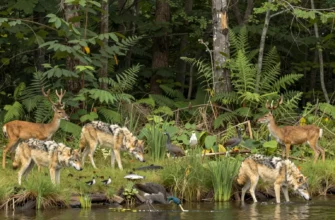
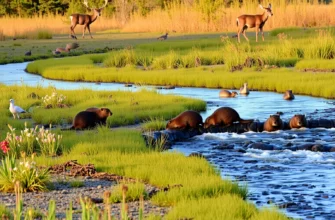
Rewilding renewable energy sites transforms industrial landscapes into functional ecosystems that support local wildlife while generating zero-carbon electricity. By integrating nature-positive strategies, energy developers can mitigate the habitat fragmentation often associated with large-scale infrastructure projects.
Moving Beyond Carbon: The Push for Nature-Positive Power
For decades, the standard operating procedure for solar farms involved clearing land, leveling the terrain, and maintaining short-cropped turf grass through constant mowing or herbicides. This “sterile” approach prevents the land from providing any ecological benefit beyond energy production.
Modern developers are now pivoting toward restoring local ecosystems directly within the boundaries of energy projects. By selecting native grasses and wildflowers instead of generic turf, these sites become protected sanctuaries for pollinators, ground-nesting birds, and small mammals that are often displaced by intensive agriculture or urban sprawl.
The strategic use of renewable energy land use permits a unique opportunity for conservation. Because these sites are fenced and have minimal human foot traffic for 25 to 40 years, they offer a stable, long-term environment for sensitive species to thrive without the threat of further development or pesticide exposure.
Understanding the Role: A Comprehensive Rewilder Job Description
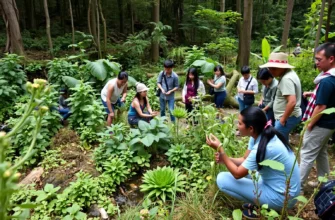
As the energy sector embraces ecological restoration, a new professional class has emerged to bridge the gap between engineering and biology. This role requires a sophisticated understanding of how industrial equipment interacts with living systems.
A modern rewilder is responsible for designing and implementing land management plans that satisfy both energy yield requirements and biodiversity targets. This is not traditional landscaping; it is a technical discipline that requires balancing equipment access with habitat connectivity.
Core Responsibilities of Modern Rewilding Professionals
The daily tasks of a rewilding specialist involve a heavy emphasis on ecological monitoring. They must assess soil health to ensure that native planting strategies are tailored to the specific nutrient profile and hydrology of the site.
Wildlife tracking is another critical component of the role. Professionals use remote cameras and acoustic monitoring to document how species utilize the site, ensuring that wildlife corridors remain open and functional beneath wind turbines or between solar rows.
Collaboration is the hallmark of this career. A rewilding specialist must liaise with electrical engineers to ensure that tall-growing vegetation does not shade solar panels or create fire hazards, proving that nature and technology can coexist through precise management.
Rewilding vs. Traditional Site Maintenance: A Strategic Comparison
The transition from industrial maintenance to ecological rewilding is often driven by the bottom line as much as environmental stewardship. While traditional methods rely on fossil-fuel-intensive machinery and chemicals, rewilding leverages natural processes.
| Feature | Traditional Site Maintenance | Rewilding & Ecological Management |
|---|---|---|
| Vegetation Control | Frequent mechanical mowing and broad-spectrum herbicides. | Managed conservation grazing (sheep) and native meadow growth. |
| Soil Health | Compaction from heavy machinery and nutrient runoff. | Deep-rooted native plants that improve water infiltration and carbon storage. |
| Biodiversity | Ecological “dead zones” with minimal species variety. | High-functioning habitats that support pollinators and local food webs. |
| Long-Term Cost | Rising costs due to fuel, labor, and chemical inputs. | Reduced intervention frequency leads to significant operational savings over 20+ years. |
The Economic and Ecological Benefits of the Rewild Approach
Energy companies are discovering that nature-positive sites often face fewer hurdles during the permitting process. Local communities and planning boards are far more likely to approve a project that promises to enhance the local environment rather than just occupying space.
Furthermore, the cooling effect of diverse vegetation can actually increase the efficiency of solar photovoltaic panels. Unlike gravel or bare earth, which radiate heat and can cause panels to underperform, a lush understory of native plants keeps the ambient temperature lower, optimizing energy output.
Launching Your Career: How to Secure Rewilder Jobs in Todays Market
The demand for ecological expertise within the energy sector is outstripping the supply of qualified professionals. To secure a position at a leading rewild company, candidates must demonstrate a hybrid skillset that blends field biology with project management.
Aspiring professionals should focus on building a portfolio that highlights their ability to translate complex ecological data into actionable land management plans. This is a high-growth green career path that rewards those who can speak the languages of both conservation and commerce.
Essential Skills for the Aspiring Rewilding Specialist
Success in this field begins with a firm grasp of botanical identification and soil science. You must be able to distinguish between aggressive invasive species and the native pioneers that are essential for early-stage habitat restoration.
Technical proficiency in Geographic Information Systems (GIS) is no longer optional. Professionals use these tools to map biodiversity net gain and report on carbon sequestration metrics, providing the “hard data” that investors and regulators demand.
A degree in environmental science or ecology provides the foundation, but specialized certifications in carbon accounting or wetland restoration can set a candidate apart. Understanding how renewable energy infrastructure—like underground cabling and inverter pads—affects the land is what separates a rewilding expert from a generalist ecologist.
Your Roadmap to Becoming a Professional Rewilder
- Obtain a Relevant Degree: Focus on ecology, conservation biology, or environmental engineering to build your scientific foundation.
- Master Spatial Data Tools: Take advanced courses in GIS and remote sensing to learn how to monitor large-scale land changes from satellite imagery.
- Gain Field Experience: Volunteer or intern with land trusts or ecological consultancies to learn hands-on restoration techniques like seed collection and invasive species removal.
- Learn Energy Fundamentals: Familiarize yourself with how solar and wind farms operate so you can propose ecological solutions that don’t compromise energy production.
- Network Within the Industry: Attend “Renewables and Biodiversity” conferences to connect with the sustainability leads at major energy developers.
- Target Specialized Employers: Apply directly to environmental consultancies and rewilding firms that specialize in post-industrial or energy-sector land management.
Common Pitfalls in Renewable Land Management
Warning: The “Green-Washing” Trap. One of the most frequent mistakes is planting high-maintenance, non-native “ornamental” wildflowers that offer zero nutritional value to local insects; Always prioritize local genotypes of seeds to ensure the ecosystem is resilient and functional.
- Ignoring Invasive Species: Failing to have a robust plan for managing aggressive weeds in the first three years can lead to the total failure of a rewilding project.
- Over-Seeding: Planting too many seeds at once can lead to nutrient competition that prevents any single species from establishing a healthy root system.
- Neglecting Soil Compaction: If the soil is too compacted from construction, native seeds will fail to germinate, resulting in a patchy and ineffective habitat.
- Poor Timing: Attempting to plant during a drought or outside of the natural growth cycle wastes expensive seed mixes and labor costs.
Expert Perspective: The Intersection of Watts and Wildflowers
In my professional experience managing large-scale ecological transitions, I have found that the most successful projects are those where the ecologist is in the room during the initial site design phase. Rewilding is not an “add-on” or a cosmetic treatment to be applied after the turbines are spinning; it is a technical discipline that requires integrating biological needs into the mechanical layout of the site. I always advise developers that the energy-water-land nexus is the most critical frontier of the next decade. We are moving toward a reality where a power plant’s value is measured by both the megawatt-hours it produces and the tons of topsoil it regenerates. If you want to succeed in this field, stop thinking like a gardener and start thinking like a systems engineer who uses biology as their primary tool.
Frequently Asked Questions
These companies specialize in managing the land surrounding energy assets to maximize biodiversity, using techniques like native seeding and conservation grazing to turn industrial sites into functional ecosystems.
What qualifications do I need for rewilder jobs?
Most roles require a degree in ecology or environmental science, technical proficiency in GIS software, and a deep understanding of local flora and fauna.
Are rewild careers limited to field work?
No. Many professionals work in data analysis, policy compliance, and remote sensing, using technology to track ecological progress from an office setting.
How do rewilding projects impact the efficiency of solar farms?
Rewilding can actually improve performance; native vegetation creates a cooling micro-climate that prevents solar panels from overheating, which maintains higher energy conversion rates.
Where can I find a rewilder job description for an entry-level position?
Check niche green job boards and the career pages of environmental consultancies; typical entry-level duties include soil sampling, vegetation surveys, and invasive species monitoring.
Is rewilding renewables more expensive than traditional maintenance?
While the initial setup for native planting is higher, long-term costs are significantly lower because the need for mowing, fertilizers, and chemical pesticides is nearly eliminated.