- The Nightmare of a Weighted Blanket with Holes and Leaking Beads
- Glass Beads vs․ Plastic Pellets: Why Your Blanket is Leaking Sand
- Why Weighted Blanket Beads Shift and Clump Over Time
- The Structural Failure of Cheap Baffling
- How to Fix a Weighted Blanket Ripped Seam Before It Empties
- Emergency Triage for Leaking Glass Beads
- The Beadless Revolution: Why Reddit Prefers Weighted Blankets Without Beads
- Analyzing the Open-Knit Design (The Hole Advantage)
- Filled vs․ Knitted: Choosing the Right Weight for Your Sleep Style
- Maintenance and Longevity Comparison
- Expert Perspective: Weighted Bedding Longevity
- Frequently Asked Questions
The Nightmare of a Weighted Blanket with Holes and Leaking Beads
Waking up to a gritty sensation in your sheets is a uniquely frustrating experience for any weighted blanket owner․ You invested in better sleep, but instead, you are met with what feels like a beach worth of sand scattered across your mattress․ This occurs when a structural failure transforms your premium bedding into a source of sensory irritation․
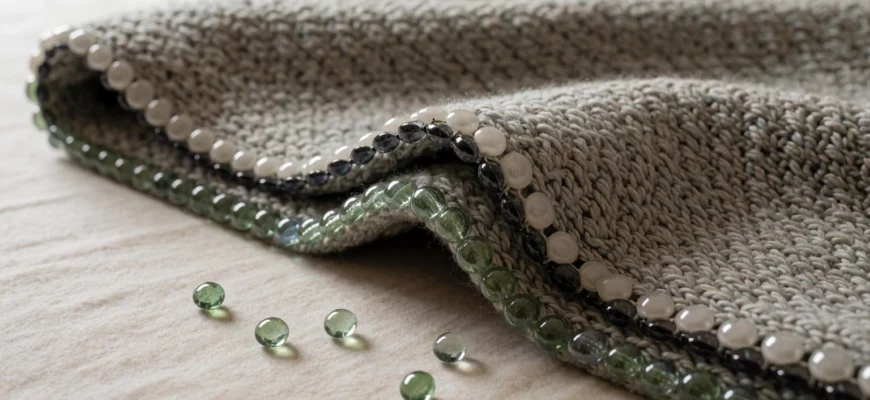
There are two very different ways to interpret the phrase “weighted blanket with holes․” For some, it describes a catastrophic failure where glass beads escape through a torn seam, ruining the bedding and the sleep environment․ For others, it represents a revolutionary design choice—the open-knit weighted blanket—that solves the leaking problem entirely by removing the beads from the equation․
Understanding why your current blanket is failing requires a look at the physics of fillers․ When a traditional blanket develops a hole, the weight distribution is compromised, leading to a loss of the therapeutic deep touch pressure you paid for․ Identifying the source of the leak is the first step toward reclaiming your sleep hygiene․
Glass Beads vs․ Plastic Pellets: Why Your Blanket is Leaking Sand
The material inside your blanket dictates how it behaves when a seam fails․ Most modern high-end blankets use micro-glass beads because they are denser and quieter than plastic pellets․ However, these beads are roughly the size of grains of salt, meaning even a microscopic gap in the stitching can lead to a total loss of filler material over a single night of tossing and turning․
Plastic poly-pellets are larger and more resilient but often feel “lumpy” and hold more heat․ If your blanket feels like it is leaking sand, you are dealing with glass beads․ Because these beads are so small, they possess a fluid-like quality that allows them to flow toward the lowest point of the blanket, putting extreme pressure on the bottom-most seams until they eventually burst under the strain․
Why Weighted Blanket Beads Shift and Clump Over Time
Even if your blanket hasn’t developed a visible hole yet, you may notice it feels “off․” This is usually the result of internal baffling failure․ Traditional weighted blankets rely on a grid of sewn pockets to keep beads in place, but gravity is constantly working against the thread used to create these internal walls․
When beads shift and clump, the blanket loses its ability to provide even pressure․ Instead of a gentle hug, you end up with heavy “sausages” of filler on the sides of your body and nothing but thin fabric over your chest․ This “pooling” effect is the primary reason users eventually abandon bead-filled blankets in favor of more durable, beadless alternatives․
| Mistake to Avoid | Why It Damages Your Blanket | The Better Alternative |
|---|---|---|
| Hanging the blanket over the bed edge | Gravity pulls the beads downward, stretching the internal pocket seams until they snap․ | Keep the blanket folded flat on top of the mattress surface․ |
| Using a high-heat dryer setting | Heat makes the polyester thread brittle, leading to spontaneous seam bursting during use․ | Always air dry or use the lowest heat setting possible․ |
| Lifting the blanket by one corner | This concentrates 15-20 lbs of force on a single square inch of fabric․ | Gather the blanket in a bundle before moving it to distribute the load․ |
The Structural Failure of Cheap Baffling
Cheaply manufactured blankets often use a single-stitch method for their internal pockets; Over time, the friction of the glass beads rubbing against the thread acts like sandpaper, slowly eroding the integrity of the stitch․ Once one internal wall fails, the beads from that pocket migrate to the next, creating a chain reaction of weight displacement․
In many cases, users find that their glass beads won’t shift back to their original positions once they have pooled․ This happens because the beads become trapped in the folds of the inner lining․ If your blanket has reached this state, the therapeutic benefits are effectively neutralized, and the risk of an external leak increases as the concentrated weight puts excessive stress on the outer perimeter seams․
How to Fix a Weighted Blanket Ripped Seam Before It Empties
If you catch a leak early, you can save your investment․ However, a standard needle and thread from a travel sewing kit will not suffice․ Because the fabric is under constant tension from the weight, you need to use heavy-duty upholstery thread or bonded nylon to ensure the repair holds during movement․
Never attempt to fix a leak while the blanket is on your bed․ Move it to a hard, flat surface where you can see the extent of the damage․ If you see multiple “thin” spots in the fabric where beads are beginning to peek through, it may be time to consider a cover or a complete replacement, as the fabric itself may be reaching its fatigue limit․
- Immediate Containment: Use a piece of painter’s tape or a binder clip to seal the hole the moment you find it to prevent further bead loss․
- Clear the Area: Shake the blanket to move as many beads as possible away from the damaged pocket so you have a flat sewing surface․
- The Ladder Stitch: Use a ladder stitch (also known as an invisible stitch) to pull the two sides of the fabric together․ Double-thread your needle for extra security․
- Reinforce the Perimeter: Once the hole is closed, sew a secondary line of stitching a quarter-inch outside the first line to act as a fail-safe․
- Check for “Sand”: Vacuum the area thoroughly; glass beads can be slippery and dangerous on hard floors․
Emergency Triage for Leaking Glass Beads
Some users consider more drastic measures, like the idea of a weighted blanket cut in half to make two smaller ones or to remove a damaged section․ This is almost always a mistake․ Unless you have an industrial serger and the ability to vacuum-seal the edges, cutting into a bead-filled blanket will result in a “bead-pocalypse” that is nearly impossible to clean up․
If the leak is extensive, the most effective “emergency” fix is to place the entire weighted blanket inside a high-quality duvet cover with a zipper closure․ This won’t stop the beads from shifting internally, but it will keep the glass beads from entering your bed and your lungs while you wait for a more permanent solution․
The Beadless Revolution: Why Reddit Prefers Weighted Blankets Without Beads
If you browse communities like r/sleep or r/Autism, you will notice a significant shift in recommendations․ Experienced users are increasingly moving away from “filled” blankets toward hand-knitted weighted blankets with holes․ This design uses the physical weight of the fabric itself—usually thick loops of cotton or jersey—to provide pressure․
The “holes” in these blankets are intentional․ They are the gaps between the knitted loops․ This design solves the two biggest complaints in the industry: leaking beads and overheating․ By removing the filler, manufacturers have created a product that is functionally indestructible compared to its quilted counterparts․
Analyzing the Open-Knit Design (The Hole Advantage)
An open-knit weighted blanket provides pressure through the density of the yarn rather than the volume of a filler․ This means the weight is perfectly distributed across every square inch of the blanket․ You will never encounter a “bald spot” or a clump of beads․ The weight is woven into the DNA of the fabric, ensuring it remains consistent for the life of the product․
Furthermore, the “holes” allow for massive airflow․ Traditional weighted blankets act as insulators, trapping body heat and leading to night sweats․ An open-knit design allows heat to escape through the gaps while the heavy yarn provides the grounding sensation needed for sensory processing․ This makes it the gold standard for hot sleepers who still require deep touch pressure to fall asleep․
Filled vs․ Knitted: Choosing the Right Weight for Your Sleep Style
Choosing between a traditional glass-bead blanket and a knitted one depends on your sensory preferences and how much maintenance you are willing to perform․ While bead-filled blankets are often cheaper upfront, they have a significantly shorter lifespan due to the mechanical stress on the seams․
Knitted blankets are often more expensive because they require more raw material and labor to produce․ However, they are generally machine washable and much more durable․ When you buy a beadless blanket, you are buying a piece of hardware that won’t “expire” when a single thread snaps․
| Feature | Glass-Bead Filled | Open-Knit (Beadless) |
|---|---|---|
| Risk of Leaks | High (Seam failure leads to bead loss) | Zero (No fillers used) |
| Breathability | Low (Traps heat between layers) | High (Natural ventilation via knit gaps) |
| Washability | Difficult (Can damage machines) | Easy (Most are fully machine washable) |
| Weight Distribution | Prone to shifting and clumping | Perfectly even across the fabric |
Maintenance and Longevity Comparison
One often overlooked issue with bead-filled blankets is the “dust mite” factor․ The small pockets that hold beads can also trap skin cells and moisture, creating an environment where allergens thrive․ Because these blankets are so difficult to wash without risking a leak, they often become less hygienic over time․
In contrast, a knitted weighted blanket with holes is essentially just a very heavy sweater․ It can be tossed in a standard washing machine (provided the machine can handle the weight) without any fear of it “exploding․” For those with allergies or sensory sensitivities, the ability to deep-clean the bedding regularly is a major advantage that outweighs the higher initial cost․
Expert Perspective: Weighted Bedding Longevity
In my professional experience as a sleep environment consultant, I have seen hundreds of weighted blankets fail within the first six months of use․ The primary culprit is always the same: mechanical stress on synthetic thread․ Most manufacturers use a high-speed quilting process that prioritizes speed over seam density․ When you combine that with the abrasive nature of glass beads, failure is almost inevitable․ I always advise my clients to look for “beadless” options or hand-knitted designs․ By moving the weight into the textile itself, you eliminate the single point of failure․ If you must use a bead-filled blanket, ensure it has a minimum of 300 thread-count cotton outer shell; anything thinner is simply a countdown to a leak․
Frequently Asked Questions
Immediately seal the hole with tape or a clip․ Move the blanket to a flat surface and use a double-threaded ladder stitch to repair the seam․ Place it in a duvet cover to contain any future leaks․
Are weighted blankets with holes (knit) as heavy as bead-filled ones?
Yes․ The weight comes from the mass of the yarn itself, typically made from layered cotton or polyester․ You can find knit versions in standard 15, 20, and 25-pound options․
Can I wash a weighted blanket that has a small rip?
Absolutely not․ The agitation of the washing machine will force the beads out of the rip, potentially destroying both the blanket and your washing machine’s drainage pump․
Why do the beads in my weighted blanket all move to one side?
This is usually due to baffle-box failure, where the internal stitching between pockets has snapped, allowing the beads to migrate freely across the entire blanket․
Is a beadless weighted blanket better for hot sleepers?
Yes, because the “holes” in the knit design act as natural ventilation channels, allowing body heat to dissipate while still providing the necessary pressure for sleep․