- The Power of Rewilding Beavers as Nature’s Ultimate Engineers
- How Beaver Dams Create Resilient Wetlands
- Common Myths vs. Facts About Beaver Reintroduction
- Beyond the River: Rewilding Animals to Restore Global Biodiversity
- Why We Need Large Herbivores Like Moose and Sheep
- From Elephants to Woolly Mammoths: Bringing Back the Great Grazers
- Can Rewilding Woolly Mammoths Stop Permafrost Melt?
- The Ecological Role of Rewilding Elephants
- Restoring the Blue: Why Rewilding the Sea and Sharks Matters
- Rewilding Sharks: The Oceans Immune System
- Comparing Rewilding Strategies: Land vs. Sea
- Bringing Back the Hunters: The Vital Role of Rewilding Predators
- Rewilding Lions and the Balance of the Savannah
- The Smallest Heroes: Rewilding Honeybees and Songbirds in Our Gardens
- How to Support Rewilding Honeybees in Your Area
- Rewilding Garden Birds: From Blue Tits to Finches
- Actionable Steps: How You Can Support Rewilding Today
- Expert Perspective: Ecosystem Resilience
- Frequently Asked Questions
The Power of Rewilding Beavers as Nature’s Ultimate Engineers
Nature has a remarkable ability to heal itself when given the right tools, and few tools are as effective as the North American and Eurasian beaver. These industrious rodents are not just residents of the river; they are the architects of entire ecosystems, capable of transforming a simple stream into a thriving, multi-dimensional wetland.
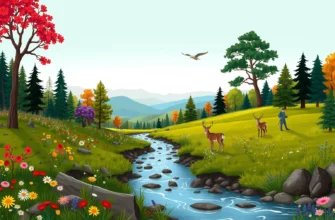
By reintroducing beavers into degraded landscapes, we initiate a process of river restoration that no amount of human engineering can replicate. Their presence triggers a shift from fast-moving, erosive water channels to complex wetland mosaics that act as natural sponges, soaking up excess water during storms and releasing it slowly during droughts.
How Beaver Dams Create Resilient Wetlands
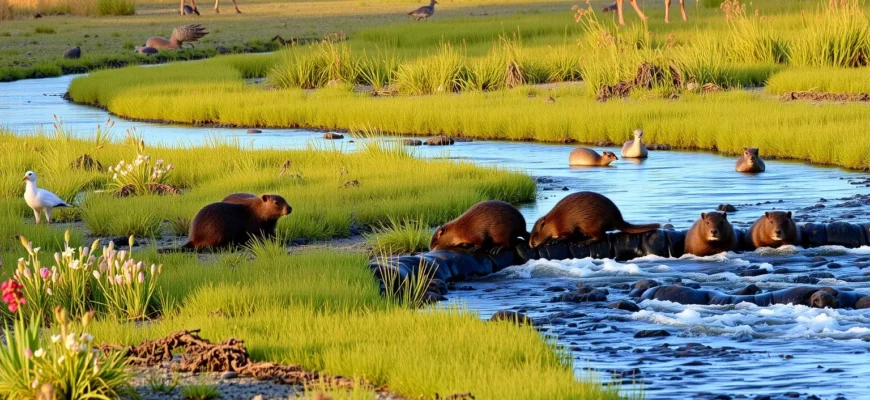
The primary mechanism of beaver-led restoration is the construction of dams. When a beaver builds a dam using sticks, mud, and stones, it slows the flow of the river, creating deep pools and side channels. This structural complexity is the foundation of wetland biodiversity, providing a sanctuary for species that struggle in canalized, high-velocity rivers.
These ponds serve as vital natural flood defense systems. By holding back millions of gallons of water in the headwaters, beavers reduce the peak flow of rivers during heavy rainfall, which protects downstream communities from devastating flood events. This is a cost-effective alternative to concrete flood walls and expensive dredging operations.
Beyond water quantity, beavers significantly improve water quality. The ponds act as massive settling tanks where sediment and agricultural runoff, such as nitrates and phosphates, are trapped. This natural filtration process means that the water leaving a beaver-managed site is often cleaner and cooler than the water entering it, benefiting sensitive fish species like salmon and trout.
The resulting habitat is a magnet for life. Insects thrive in the standing water, which in turn attracts bats and songbirds. Amphibians find the perfect breeding grounds in the still, shallow edges of the ponds. By simply existing, beavers create a landscape recovery ripple effect that supports hundreds of other species simultaneously.
Common Myths vs. Facts About Beaver Reintroduction
Myth: Beavers eat fish and will destroy local trout and salmon populations.
Fact: Beavers are strict herbivores, eating bark, aquatic plants, and grasses. Their ponds actually act as essential nurseries for young fish, providing them with food and protection from predators and fast currents.
Myth: Beaver dams prevent fish from migrating upstream to spawn.
Fact: Fish and beavers have co-evolved for millions of years. Most dams are “leaky” and allow fish to pass during high water levels, and fish are remarkably adept at leaping over or swimming through these natural structures.
Myth: Beavers will flood valuable farmland and destroy commercial timber.
Fact: While beavers do change the water table, modern management techniques like “beaver deceivers” (flow devices) can control the water level of a pond, allowing beavers to stay while preventing flooding of critical infrastructure or crops.
Beyond the River: Rewilding Animals to Restore Global Biodiversity
While beavers are the poster children for river systems, the philosophy of rewilding extends far beyond the water’s edge. It is a holistic approach to conservation that seeks to restore trophic cascades—the powerful indirect interactions that can control entire ecosystems. When we reintroduce a missing species, we aren’t just adding one animal; we are restarting the biological engines that drive landscape-scale health.
This movement acknowledges that humans have spent centuries “tidying up” nature, removing the messy, chaotic elements that actually keep ecosystems stable. By stepping back and allowing natural grazing cycles and predation to resume, we create a more resilient world capable of buffering the impacts of climate change.
Why We Need Large Herbivores Like Moose and Sheep
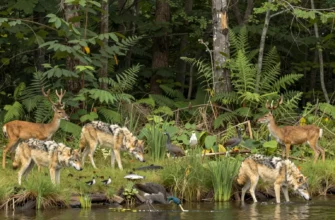
In many parts of the world, forests have become overly dense and monocultural because the large animals that once thinned them out are gone. Rewilding moose is a prime example of how a large herbivore can manage forest health. By browsing on young saplings and stripping bark, moose create light gaps in the canopy, allowing sunlight to reach the forest floor and stimulate the growth of wildflowers and diverse undergrowth.
On the grasslands, the role of rewilding sheep and other wild bovines is equally critical. Unlike intensive livestock farming, natural grazing cycles involve animals moving across vast distances. This prevents any one area from being overgrazed while the trampling of hooves breaks up hard soil, allowing seeds to germinate and water to penetrate the earth.
This natural management is a powerful tool for preventing wildfires. In abandoned landscapes, dry scrub and “ladder fuels” can build up, leading to catastrophic fires. Large herbivores effectively act as biological lawnmowers, keeping vegetation levels in check and creating natural firebreaks that protect both wildlife and human settlements.
From Elephants to Woolly Mammoths: Bringing Back the Great Grazers
The scale of rewilding reaches its peak when we discuss megafauna. These massive animals have a disproportionate impact on their environment, often referred to as “ecosystem engineers” on a continental scale. From the tropical forests of Africa to the frozen tundra of Siberia, the presence of giants changes the very chemistry of the planet.
Megafauna restoration isn’t just about nostalgia for the past; it is a forward-looking strategy to stabilize the biosphere. The sheer physical power of these animals allows them to manipulate the environment in ways no other species can, creating opportunities for thousands of smaller organisms to thrive in their wake.
Can Rewilding Woolly Mammoths Stop Permafrost Melt?
The concept of rewilding woolly mammoths might sound like science fiction, but it is currently the focus of serious scientific research in places like Pleistocene Park. The theory is that by reintroducing mammoth-like hybrids to the Arctic, we can prevent the thawing of permafrost, which contains vast amounts of trapped greenhouse gases.
Large animals in the tundra perform a vital service: they stomp down the thick layer of winter snow. Because snow acts as an insulator, it keeps the ground relatively warm. When mammoths or heavy bison compress that snow, the intense cold of the Arctic winter can penetrate deep into the soil, keeping the permafrost frozen and the carbon locked away.
While de-extinction efforts face significant ethical and technical hurdles, the goal is functional restoration. We don’t necessarily need a 100% genetically pure mammoth; we need an animal that can survive the cold and perform the ecological labor of knocking down trees and compacting snow to maintain the “mammoth steppe” grassland ecosystem.
The Ecological Role of Rewilding Elephants
In warmer climates, rewilding elephants serves as a masterclass in forest management. Elephants are known as “forest gardeners” because of their incredible capacity for seed dispersal. They consume massive quantities of fruit and vegetation, and seeds often travel over 50 kilometers through the elephant’s digestive tract before being deposited in a nutrient-rich pile of manure, ready to grow.
Their physical impact is also vital. By pushing over trees and clearing thickets, elephants create “elephant highways” that other animals use to navigate dense jungles. These openings also allow shade-intolerant plant species to grow, ensuring that the forest remains a diverse mosaic rather than a uniform wall of green.
Restoring elephant populations to their ancestral ranges is a primary nature-based solution for carbon sequestration. Recent studies suggest that forests with healthy elephant populations can store significantly more carbon per acre because the elephants thin out smaller trees, allowing the remaining giants to grow larger and live longer.
Restoring the Blue: Why Rewilding the Sea and Sharks Matters
Rewilding is frequently discussed in the context of land, but the ocean—which covers over 70% of our planet—is in desperate need of similar intervention. Marine rewilding focuses on restoring the biological integrity of the “blue” parts of our world, moving away from simple protection toward active recovery of keystone species and habitats.
The ocean is our largest carbon sink, and its health is directly tied to the presence of apex predators. Without these hunters, the delicate balance of the marine food web collapses, leading to the degradation of underwater forests and meadows that are essential for planetary stability.
Rewilding Sharks: The Oceans Immune System
Sharks are often misunderstood as mindless killers, but in reality, they function as the ocean’s immune system. By culling the weak and sick from prey populations, they ensure that only the healthiest individuals survive to reproduce. This keeps the entire marine population resilient against disease and environmental stress.
More importantly, rewilding sharks protects vital marine carbon sinks. In seagrass meadows, sharks keep herbivores like sea turtles and dugongs on the move. Without the “ecology of fear” provided by sharks, these herbivores would overgraze specific areas until the seagrass is completely destroyed, releasing the carbon stored in the seabed back into the atmosphere.
A healthy shark population is the guardian of the seagrass. By maintaining a predator-prey balance, sharks indirectly ensure that seagrass beds can continue to capture carbon 35 times faster than tropical rainforests. Protecting sharks is not just a conservation goal; it is a climate necessity.
Comparing Rewilding Strategies: Land vs. Sea
| Feature | Terrestrial Rewilding (Land) | Marine Rewilding (Sea) |
|---|---|---|
| Primary Engineers | Beavers, Elephants, Bison | Sharks, Whales, Sea Otters |
| Key Mechanism | Physical landscape modification and seed dispersal | Trophic cascades and nutrient cycling (Whale pump) |
| Carbon Strategy | Soil health and forest density management | Protection of seagrass, kelp, and phytoplankton |
| Main Challenge | Conflict with human infrastructure and agriculture | Illegal fishing and transboundary policy issues |
| Human Interaction | Requires fencing or “coexistence” strategies | Requires Large-Scale Marine Protected Areas (MPAs) |
Bringing Back the Hunters: The Vital Role of Rewilding Predators
The most controversial aspect of the rewilding movement is the reintroduction of large predators. For centuries, humans have viewed lions, wolves, and lynx as threats to be eliminated. However, science now shows that an ecosystem without its top predators is an ecosystem in decay.
Predators do much more than just eat other animals. They change the behavior of their prey in ways that benefit the entire landscape. This “top-down regulation” is essential for maintaining the balance of nature and preventing a few dominant species from monopolizing all available resources.
Rewilding Lions and the Balance of the Savannah
In the African savannah, rewilding lions is a critical step in restoring ecological order. When lions are present, herbivore populations like zebra and wildebeest are kept in check. But the impact goes deeper: herbivores avoid certain areas, such as riverbanks or thickets, where the risk of ambush is high.
This “landscape of fear” allows vegetation in those high-risk zones to recover. Without lions, herbivores would linger in one spot, eating every sapling until the area becomes a dust bowl. Lions essentially “move” the herbivores around, ensuring that no single part of the savannah is overtaxed. This allows for a diversity of plant life, which in turn supports a wider variety of birds and insects.
Successful rewilding of lions requires innovative coexistence models. This includes predator-proof bomas for livestock and compensation schemes for local farmers. When communities see the economic benefits of lion-based ecotourism, the predator is transformed from a threat into a valuable asset for the local economy.
The Smallest Heroes: Rewilding Honeybees and Songbirds in Our Gardens
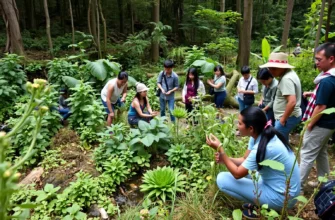
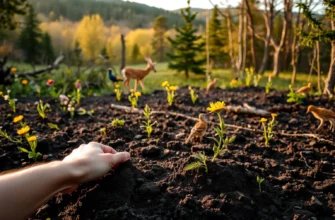
You don’t need a thousand-acre estate to participate in the rewilding movement. Micro-rewilding is the practice of restoring natural processes in small, urban, or suburban spaces. By focusing on the “smallest heroes”—insects and birds—we can create a network of biological corridors that allow nature to flow through our cities.
Our gardens have the potential to be more than just manicured lawns; they can be vital stepping stones for biodiversity recovery. When thousands of individuals take small actions, the collective impact on pollinator health and bird populations is staggering.
How to Support Rewilding Honeybees in Your Area
Honeybees and wild pollinators are currently facing an “insect apocalypse” due to habitat loss and chemical use. To support rewilding honeybees, the most important step is to stop the use of all synthetic pesticides and herbicides. These chemicals don’t just kill “pests”; they linger in the nectar and pollen that bees rely on for survival.
Creating pollinator gardens involves planting native wildflowers that bloom at different times throughout the year. Native plants have co-evolved with local bees, providing the exact type of protein and sugar they need. Avoid the “double-flowered” varieties often found in garden centers, as these are often sterile or physically impossible for bees to access.
Providing nesting sites is also crucial. For wild bees, this might mean leaving a patch of bare earth for ground-nesters or installing “bee hotels” for solitary species. Leaving a corner of your garden “messy” with hollow stems and leaf litter provides the perfect overwintering habitat for the next generation of pollinators.
Rewilding Garden Birds: From Blue Tits to Finches
Songbirds like blue tits and finches are the natural pest controllers of the garden world. A single pair of blue tits can consume up to 10,000 caterpillars in a single breeding season to feed their chicks. By rewilding songbirds, you reduce the need for chemicals to manage your plants.
To attract these birds, replace plastic or wooden fences with native hedges like hawthorn or blackthorn. These provide nesting sites, protection from cats, and a natural food source in the form of berries and insects. Urban wildlife thrives when we provide “vertical habitat” that mimics the structure of a natural woodland edge.
Water is another essential element. A simple birdbath or a small pond can be a lifesaver during hot summers. Always ensure the water is clean and deep enough for bathing, as birds need to keep their feathers in top condition to maintain flight and insulation during the winter months.
Actionable Steps: How You Can Support Rewilding Today
- Transform your lawn: Replace at least 25% of your grass with native wildflowers or a “no-mow” zone to provide habitat for insects.
- Support local projects: Donate to organizations like Rewilding Europe or local beaver reintroduction groups that are doing the hard work of policy change.
- Choose sustainable food: Buy from farmers who practice regenerative agriculture or conservation grazing, which mimics rewilding principles on working land.
- Be a citizen scientist: Use apps like iNaturalist to record wildlife sightings in your area, helping researchers track the success of rewilding efforts.
- Advocate for “wilder” parks: Write to your local council and ask them to reduce mowing schedules and stop the use of glyphosate in public spaces.
- Install a pond: Even a small container pond can provide a home for dragonflies, frogs, and thirsty birds within weeks.
Expert Perspective: Ecosystem Resilience
In my professional experience, the biggest hurdle to rewilding isn’t the ecology—it is the human mindset. We are conditioned to want to control nature, to manage every square inch of the landscape. I always advise my clients and students that rewilding is not about going back to a specific date in history; it is about restoring the functional processes that allow nature to be self-sustaining in the future.
We need to move away from “museum conservation,” where we try to freeze a species in time, and toward “functional ecology.” This means valuing what an animal does (its role) more than just what it is. Whether it is a beaver filtering water or a wolf moving elk, we must give nature the autonomy to manage itself. My most successful projects have always been those where we did the least amount of work and let the species themselves take the lead.
Frequently Asked Questions
No, they are actually beneficial. Beaver ponds create essential nursery habitats and refuge areas for young fish, increasing overall population numbers rather than harming them.
Is it really possible to rewild an extinct species like the woolly mammoth?
While full “de-extinction” is still in the lab phase, scientists are using CRISPR to create elephant-mammoth hybrids that can perform the same ecological functions in the Arctic tundra.
How does rewilding sharks help with climate change?
Sharks keep herbivores moving, preventing the overgrazing of seagrass. This allows seagrass meadows to remain intact and continue sequestering carbon at high rates.
What is the difference between rewilding and traditional conservation?
Traditional conservation often requires constant human management to protect a specific species, while rewilding is a hands-off approach that focuses on restoring natural processes and let nature lead.
Can I start a rewilding project in a small city garden?
Absolutely. Micro-rewilding with native plants and nesting sites creates critical urban corridors for bees and birds, making a significant impact on local biodiversity.