- Why Medium Weight Horse Turnout Blankets Are the Versatile Choice for Winter
- Understanding the 200g Weight Standard for Your Horse
- Comparing Fill Levels: When to Choose Medium vs. Heavyweight Protection
- The Transition from 100g to 300g: Reading the Weather
- Essential Features of a High-Quality Waterproof and Breathable Blanket
- The Science of Waterproof Breathable Horse Blanket Construction
- Sizing and Fit: Ensuring Your 84 or 75 Medium Weight Blanket Fits Perfectly
- From Size 69 to 84: Finding the Right Dimensions for Every Breed
- Top-Rated Brands: Tough 1, Amigo, and Shires Compared
- Reviewing the Tough 1 Horse Blanket and Northwind Series
- Maintenance and Longevity: Keeping Your Turnout Gear Functional
- How to Clean and Store Your Winter Horse Blankets
- Expert Perspective: Equine Layering Strategies
- Frequently Asked Questions
Why Medium Weight Horse Turnout Blankets Are the Versatile Choice for Winter
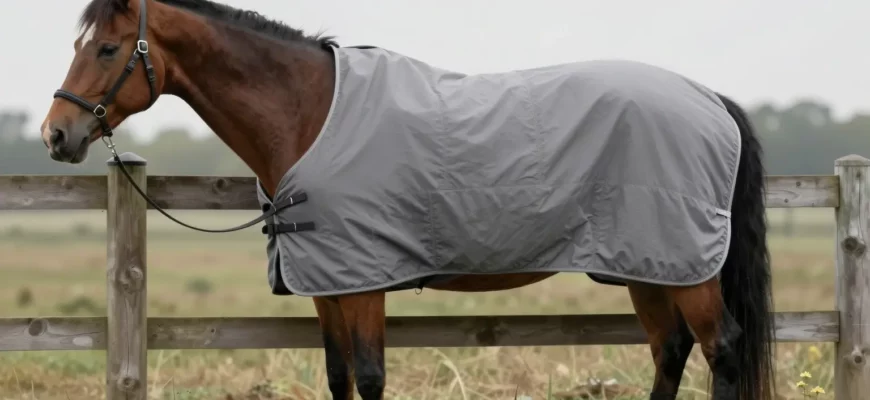
For most horse owners, the medium weight turnout blanket represents the ultimate utility player in the winter wardrobe. These rugs typically provide between 200g and 250g of polyfill insulation, acting as a buffer against the biting wind without causing the horse to overheat during a sunny afternoon.
The beauty of a mid-weight horse turnout blanket lies in its adaptability across various climates. Whether your horse is living in the Pacific Northwest’s damp chill or the Midwest’s fluctuating freezes, this weight class bridges the gap between a simple rain sheet and a heavy-duty arctic rug.
Understanding the 200g Weight Standard for Your Horse
When we talk about a 200 weight horse blanket, we are referring to the amount of fiberfill compressed between the inner lining and the outer waterproof shell. This specific amount of insulation is designed to mimic the natural loft of a horse’s winter coat, which provides a thermal barrier while still allowing for natural movement.
Choosing between a medium and light weight often depends on whether your horse is clipped. An unclipped horse with a thick winter coat may only need a 200g rug when temperatures drop below freezing, whereas a fully clipped performance horse will likely require this insulation as soon as the thermometer hits 50°F (10°C).
Comparing Fill Levels: When to Choose Medium vs. Heavyweight Protection
Deciding when to swap your light sheet for a medium or a heavy weight is a science that requires monitoring both the weather and your horse’s metabolic rate. Over-blanketing can be just as dangerous as under-blanketing, as trapped sweat against the skin can lead to rapid chilling and skin infections like rain rot.
| Blanket Type | Fill Weight | Ideal Temperature (Clipped) | Ideal Temperature (Unclipped) |
|---|---|---|---|
| Lightweight/Sheet | 0g ౼ 100g | 50°F to 60°F | 40°F to 50°F |
| Medium Weight | 200g ౼ 250g | 30°F to 50°F | 20°F to 35°F |
| Heavyweight | 300g ౼ 450g | Below 30°F | Below 15°F |
The Transition from 100g to 300g: Reading the Weather
The transition from a 100 g weight horse blankets to a heavier 200g or 300g option isn’t just about the number on the thermometer. Wind chill and humidity play massive roles; a damp 40°F day can feel significantly colder than a dry, sunny 30°F day, necessitating the extra loft of a medium weight waterproof horse blanket.
Always watch for signs that your horse is struggling with the weight of their gear. If you slide your hand under the shoulder and feel dampness or excessive heat, immediately switch to a lighter weight horse blanket waterproof option to prevent heat stress. Conversely, if your horse is tucked up or shivering, it is time to upgrade to a heavy weight waterproof horse blanket or add a liner.
Essential Features of a High-Quality Waterproof and Breathable Blanket
A blanket is only as good as its ability to keep water out while letting sweat escape. This balance is achieved through high-tech membranes that feature pores large enough for moisture vapor (sweat) to exit, but too small for liquid water droplets to penetrate.
Durability is measured in Denier, which refers to the thickness of the individual threads used in the outer shell. For horses that are rough on their clothes or live in groups, a 1200D or 1680D fabric is a non-negotiable requirement to prevent expensive tears and insulation loss.
The Science of Waterproof Breathable Horse Blanket Construction
The construction of a waterproof breathable horse blanket medium weight involves a multi-layer system. The outer layer is usually treated with a Durable Water Repellent (DWR) coating, which causes water to bead up and roll off rather than soaking into the fabric fibers.
Premium options like the Amigo Bravo 12 plus horse heavy weight turnout blanket or its medium weight counterparts use ballistic nylon, a material originally developed for military use. This fabric is significantly more breathable than standard polyester, ensuring that even if the horse runs in the field, they won’t end up soaked in their own perspiration.
Sizing and Fit: Ensuring Your 84 or 75 Medium Weight Blanket Fits Perfectly
A poorly fitted blanket is a recipe for disaster, leading to painful shoulder rubs, withered sores, and even instances where the horse becomes entangled. Measuring correctly is the only way to ensure the 200g of insulation stays over the vital organs where it belongs.
To get an accurate measurement, start at the center of the chest and run a soft tape measure along the side of the body to the edge of the tail. This measurement in inches typically corresponds to the blanket size, though different brands use different “cuts” that may require sizing up or down.
| Feature to Check | The Ideal Fit | Warning Signs |
|---|---|---|
| Shoulder Gussets | Sits above the point of shoulder to allow a full stride. | Fabric pulling tight across the chest when the horse walks. |
| Neck Opening | Snug enough to stay in front of the wither, but allows two fingers. | Blanket sliding back behind the withers, creating pressure. |
| Surcingles | Crossed under the belly with a hand’s width of space. | Straps hanging low enough for a leg to get caught. |
| Tail Flap | Covering the dock completely to block wind. | Short flap that allows wind to blow up under the rug. |
From Size 69 to 84: Finding the Right Dimensions for Every Breed
Finding a new medium weight horse blanket size 69 for a pony requires a different approach than fitting an 84 medium weight horse blanket for a warmblood. Ponies often need a shorter “drop” so the blanket doesn’t hang past their knees, while larger horses need deep gussets to accommodate a massive shoulder.
If you are looking at 75 turnout medium weight horse blankets, remember that a “75” in a Tough 1 might fit more generously in the chest than a “75” in a Shires. Always check the brand’s specific size chart, as European brands like Horseware (Amigo/Rambo) are measured differently than American-cut brands.
Top-Rated Brands: Tough 1, Amigo, and Shires Compared
The market is flooded with options, but a few brands consistently stand out for their longevity and anatomical design. When you are investing in winter gear, you are paying for the quality of the hardware, the strength of the surcingle stitching, and the reliability of the waterproof membrane.
For those on a budget, the Tough 1 horse blanket medium weight offers incredible value, often featuring high-denier shells that can withstand the antics of “blanket wreckers.” On the other hand, the Northwind medium weight turnout horse blanket is praised for its deep fit and memory foam wither relief, making it a favorite for sensitive-skinned horses.
| Brand/Series | Pros | Cons |
|---|---|---|
| Amigo Bravo 12 | Exceptional breathability; compatible with liner systems. | Higher price point; can run narrow in the chest. |
| Tough 1 Snuggit | Highly adjustable neck; very durable 1200D+ shells. | Heavy overall weight can be bulky to handle. |
| Shires Tempest | Great value; specialized shire heavy weight 300 g blankets for mini horse options. | Waterproofing may require more frequent reproofing. |
Reviewing the Tough 1 Horse Blanket and Northwind Series
If you have a horse that treats their blanket like a chew toy, the Tough 1 series is often the smartest choice. Their 1680D options are nearly bulletproof, and the “Snuggit” neck design allows you to customize the fit around the collar to prevent rain from trickling down the shoulders.
The Northwind series is often cited as the gold standard for turnout environments. It balances durability with a “stay-put” fit that rarely shifts, even after a vigorous roll in the mud. While you might find heavy weight horse blankets on sale for less, the long-term cost of ownership for a Northwind is often lower because they rarely need professional repairs.
Maintenance and Longevity: Keeping Your Turnout Gear Functional
A high-quality medium weight horse pony blanket waterproof purple or blue can last five to ten years if maintained correctly. The most common mistake owners make is washing their blankets with harsh household detergents, which strip the waterproof coating and destroy the breathable membrane;
To maintain the integrity of the fabric, always brush off dried mud before washing and use a dedicated Rambo Wash or Nikwax Rug Wash. These products are formulated to clean the fibers without leaving behind hydrophilic residues that attract water.
- Never use fabric softeners: They coat the fibers and kill the breathability of the blanket.
- Air dry only: High heat from a dryer can melt the waterproof laminate on the inside of the shell.
- Reproof annually: Apply a spray-on or wash-in waterproofing treatment once a year to maintain the DWR finish.
- Check hardware: Inspect T-buckles and rubber O-rings for rust or cracks before the first freeze.
- Patch small holes immediately: Use a specialized patch kit to prevent water from reaching the polyfill insulation.
How to Clean and Store Your Winter Horse Blankets
Once the spring thaw arrives, it is tempting to just toss the rugs in a corner of the tack room. However, storing a dirty blanket is an invitation for mold and rodents. Ensure the blanket is completely dry before folding it into a breathable storage bag.
If you find heavy weight horse blankets on sale during the off-season, it is a great time to stock up, but follow the same storage rules. Keep them in a cool, dry place away from direct sunlight, as UV rays can degrade the nylon fibers over time, leading to “sun-rot” and making the fabric brittle.
Expert Perspective: Equine Layering Strategies
In my professional experience, I have found that a medium-weight blanket is the safest investment for the average horse owner. The reality of winter care is that most of us cannot be at the barn three times a day to change blankets as the temperature swings. A 200g fill provides enough warmth for a chilly night but is breathable enough to prevent a horse from “cooking” if the sun comes out before you arrive for morning chores. I always advise owners to prioritize the fit at the wither and shoulder over the brand name; a $400 blanket that rubs a horse raw is less effective than a $100 blanket that fits like a second skin. Always do the “hand test” daily: slide your hand under the rug to check for a neutral, comfortable warmth without moisture.
Frequently Asked Questions
Medium weights are typically used between 30°F and 50°F. For clipped horses, start at 50°F; for unclipped horses, they are best suited for freezing conditions around 32°F.
Is 200g fill considered medium weight?
Yes, 200g of polyfill is the industry standard for medium weight, providing a significant thermal barrier without the extreme bulk of a heavyweight rug.
Can I use a medium weight turnout blanket in the rain?
Absolutely, as long as it is rated as “turnout,” it features a waterproof outer shell designed to keep the horse bone-dry during storms.
How do I know if my horse is too hot in a medium weight blanket?
Check the area behind the shoulder or the ears. If the skin feels hot to the touch or you notice damp hair, the horse is overheating and needs a lighter layer.
What is the difference between a turnout blanket and a stable blanket?
Turnout blankets are waterproof and made of high-denier, ripstop fabric for outdoor use. Stable blankets are not waterproof and are designed only for use inside a stall.
Are Tough 1 horse blankets good for aggressive horses?
Yes, Tough 1 blankets often feature 1200D to 1680D outer shells, which are specifically engineered to resist tearing from biting or rough play in the field.